Stories
Stories
Small details can change how you understand a place. Discover the everyday logic behind Chinese names, calendars, neighborhoods, and customs—and the differences that make a large country feel human.

Featured
Small Clues, Bigger Stories
A name on a sign, an upside-down character, a crowded station, or a lively park can open a window into Chinese life. Look a little closer: familiar-looking scenes often have a story you would not guess at first glance.
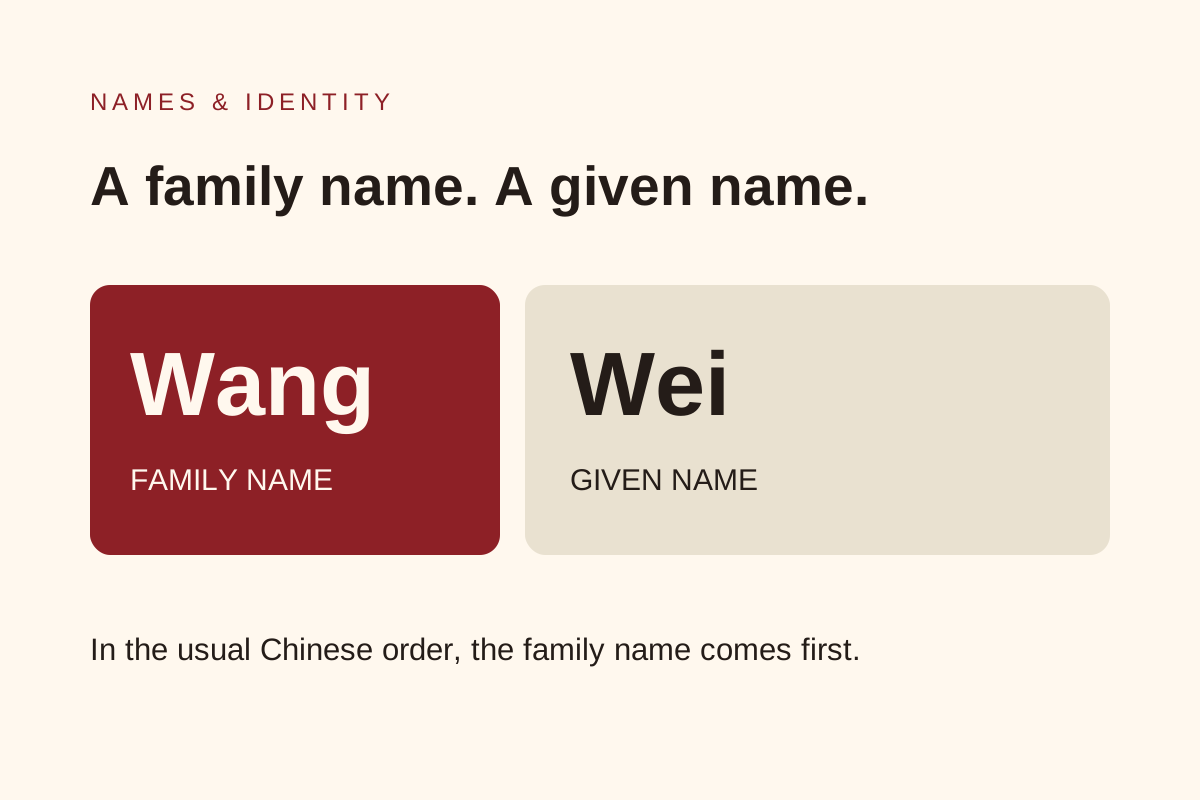
Why the Family Name Comes First
Meet Wang Wei. Which word is the surname—and why does it come first? A small naming habit can change how you read an introduction.
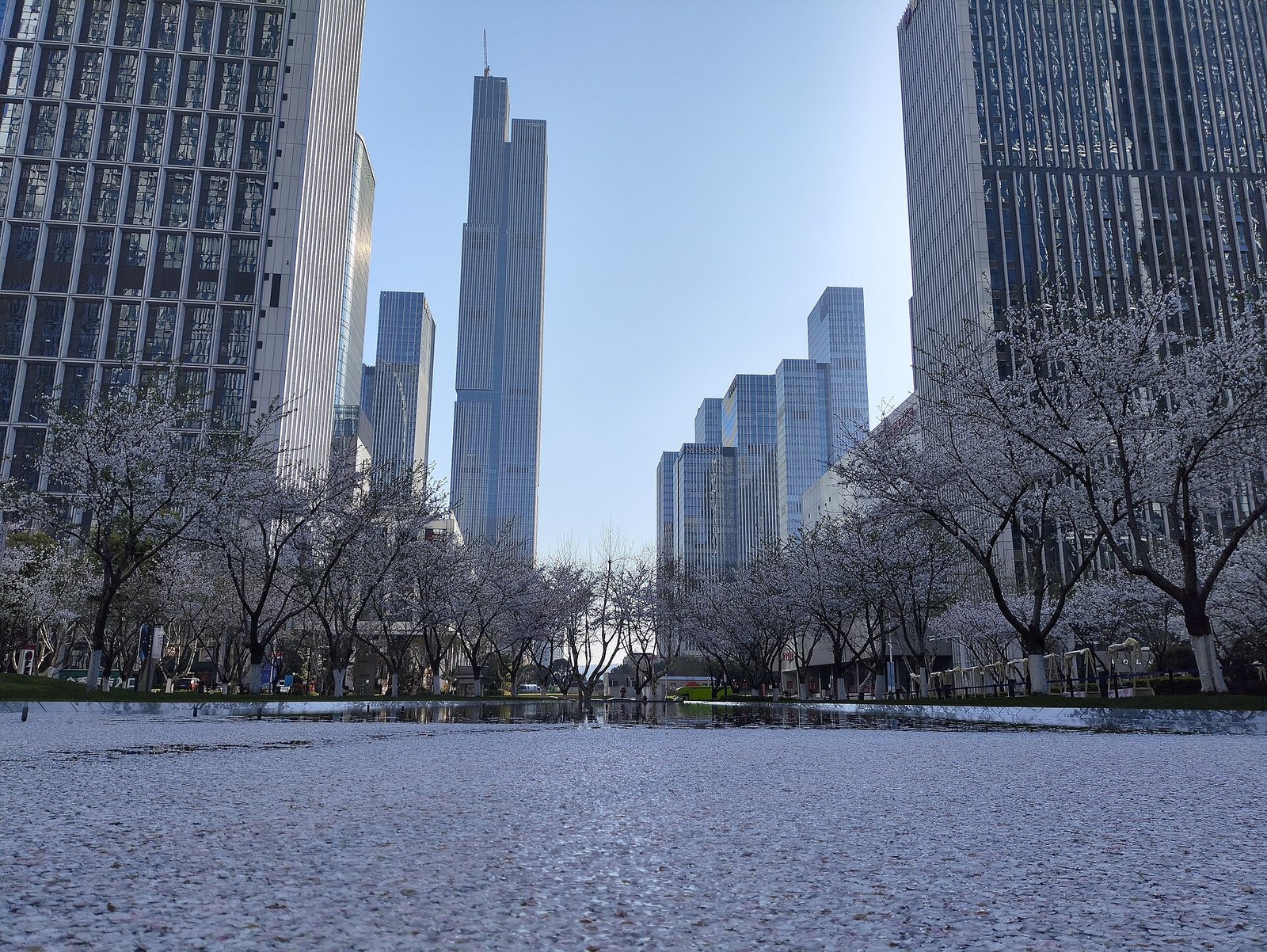
Beijing and Nanjing: The Names Tell a Story
Beijing and Nanjing sound like separate names, but they share a clue. Learn how a few familiar characters can turn a map into a history lesson.
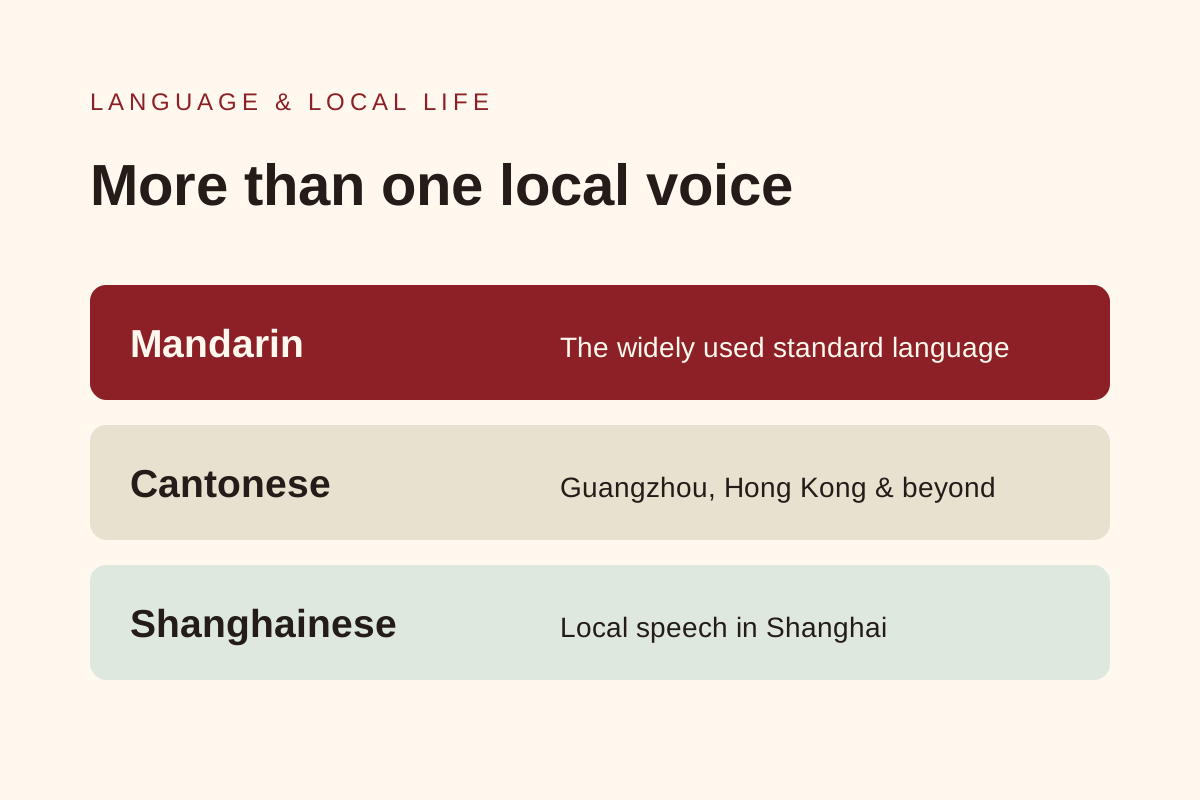
“Chinese” Does Not Mean Everyone Sounds the Same
A family switches from Mandarin to speech you barely recognize. Why can conversations sound so different across the same country?
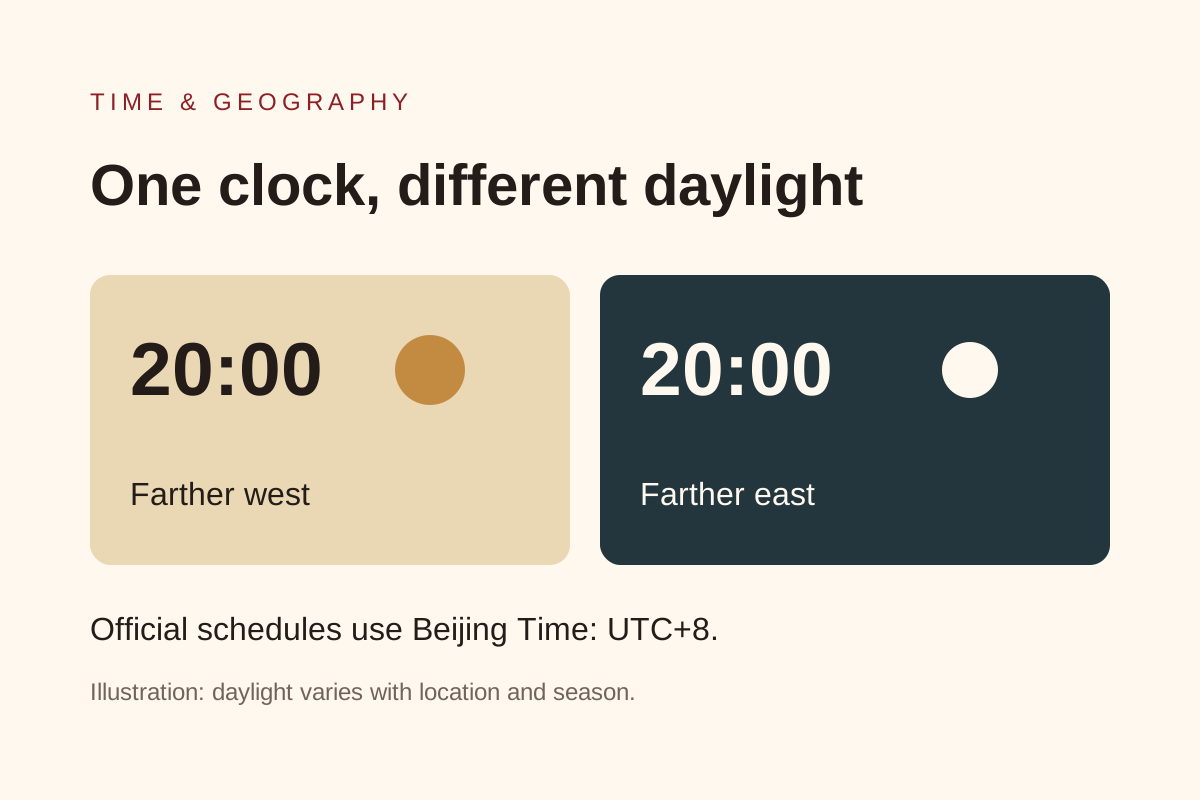
One Clock, Very Different Sunsets
Two cities, one official clock, very different daylight. Discover why a late sunset in western China can feel surprisingly out of step with your watch.
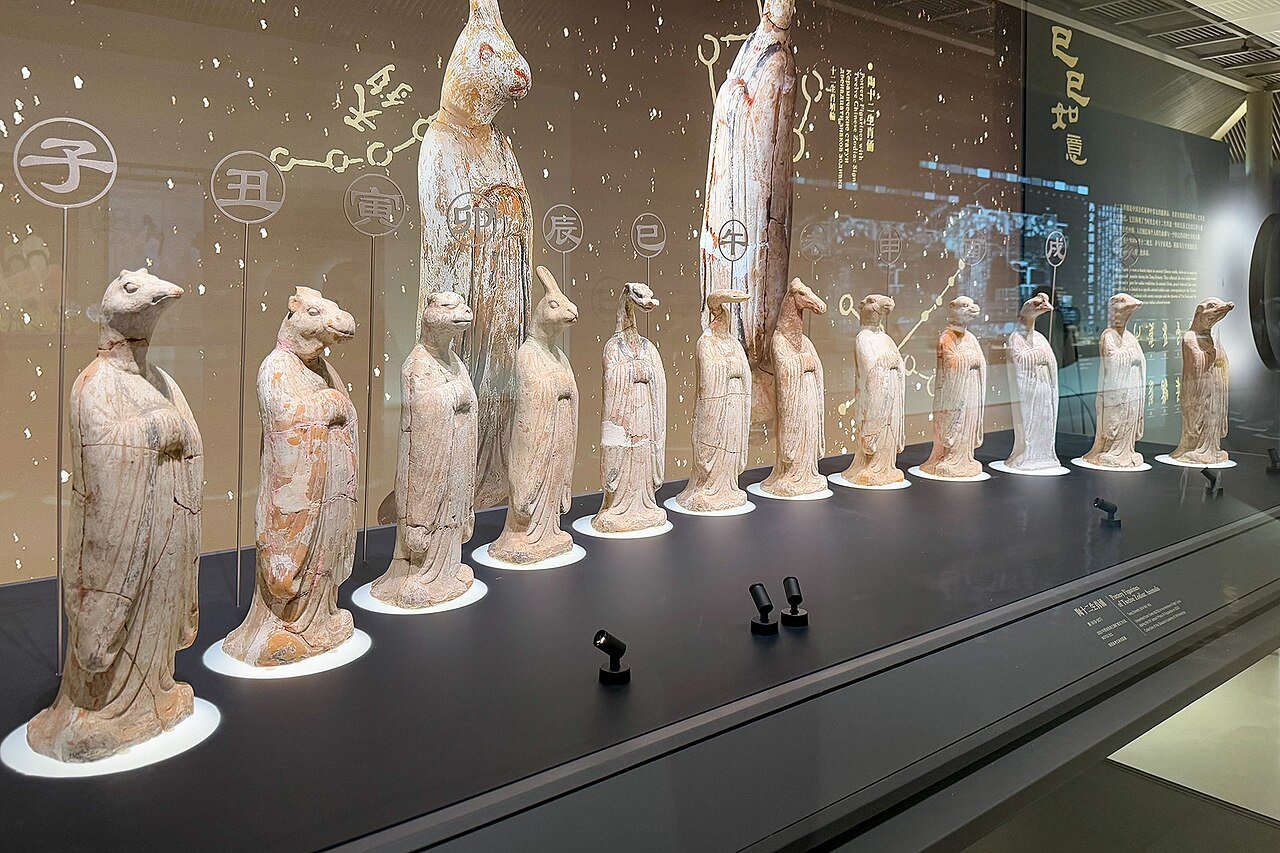
Chinese Zodiac: A Year, Not a Month
Find your Chinese zodiac animal from your birthday, then discover the calendar behind it and the cultural meanings of all twelve animals.
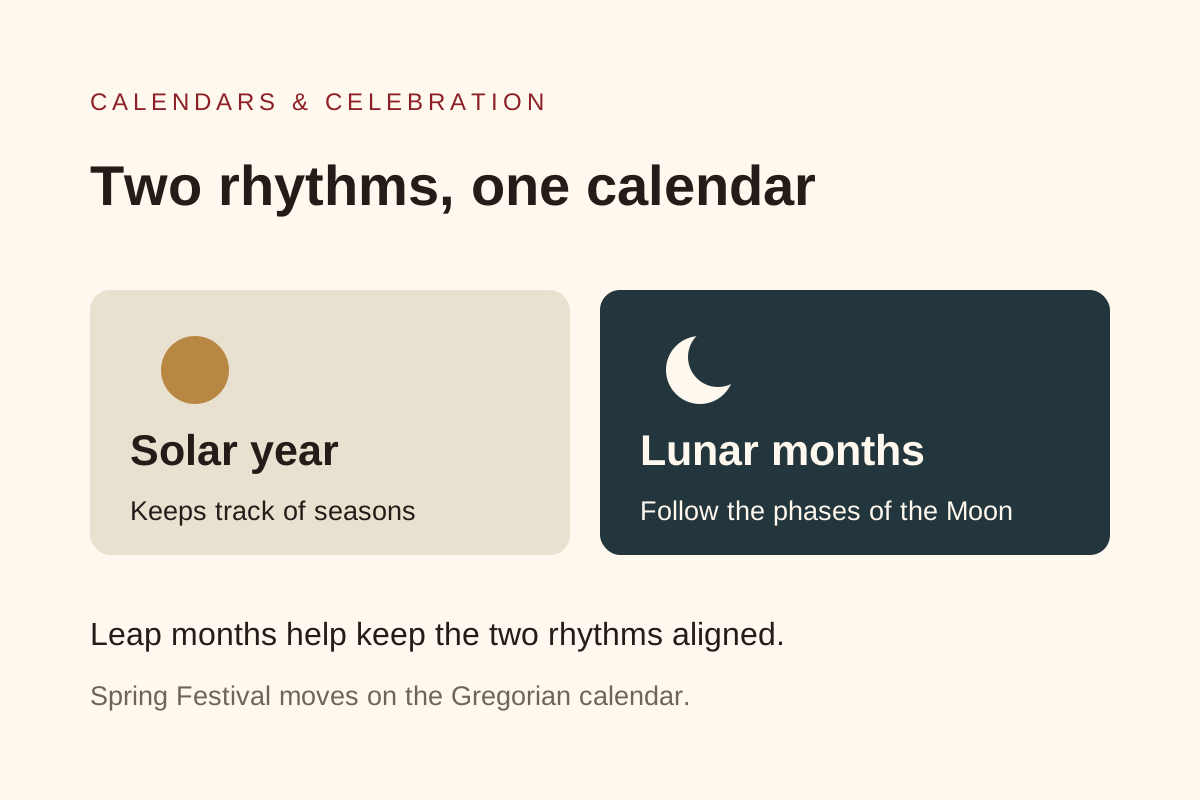
Why New Year Moves Around the Calendar
Spring Festival never seems to stay on the same date. The reason lies in a calendar that follows both the Moon and the seasons.
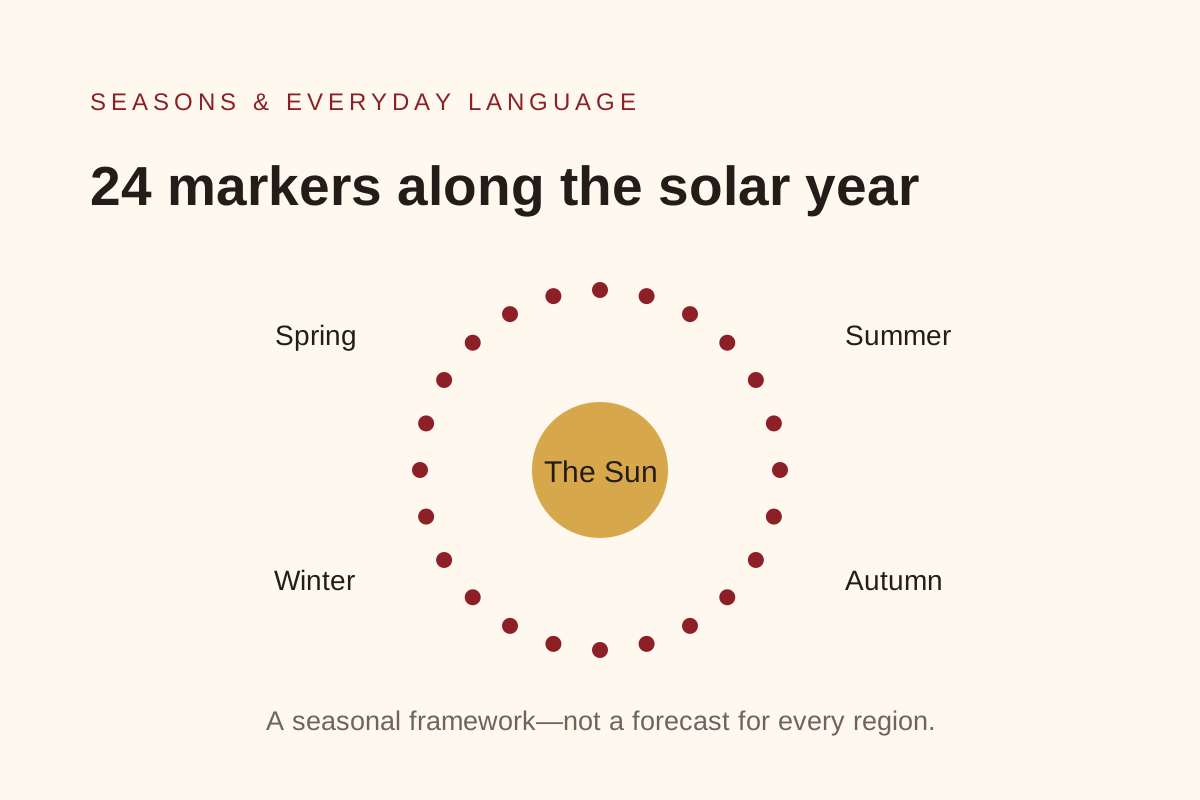
Twenty-Four Seasons? A Different Way to Read the Year
Grain Rain, White Dew, Spring Equinox: these poetic names mark a practical way of reading the year. What do the twenty-four solar terms actually measure?
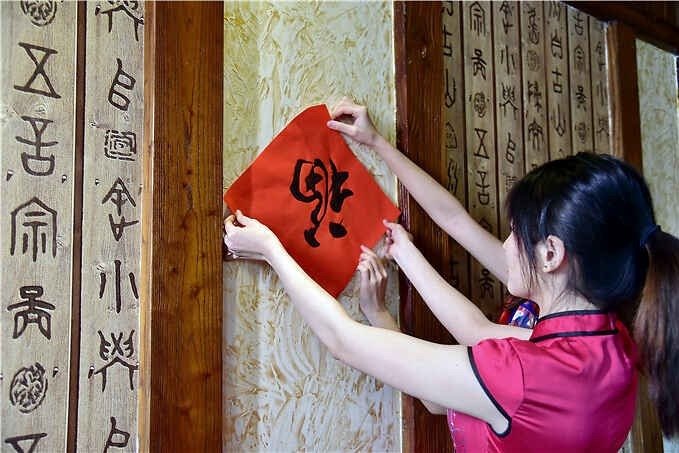
Why Is That Fu Character Upside Down?
That upside-down character on the door is usually deliberate. Discover the wordplay behind it—and why another family may prefer it upright.
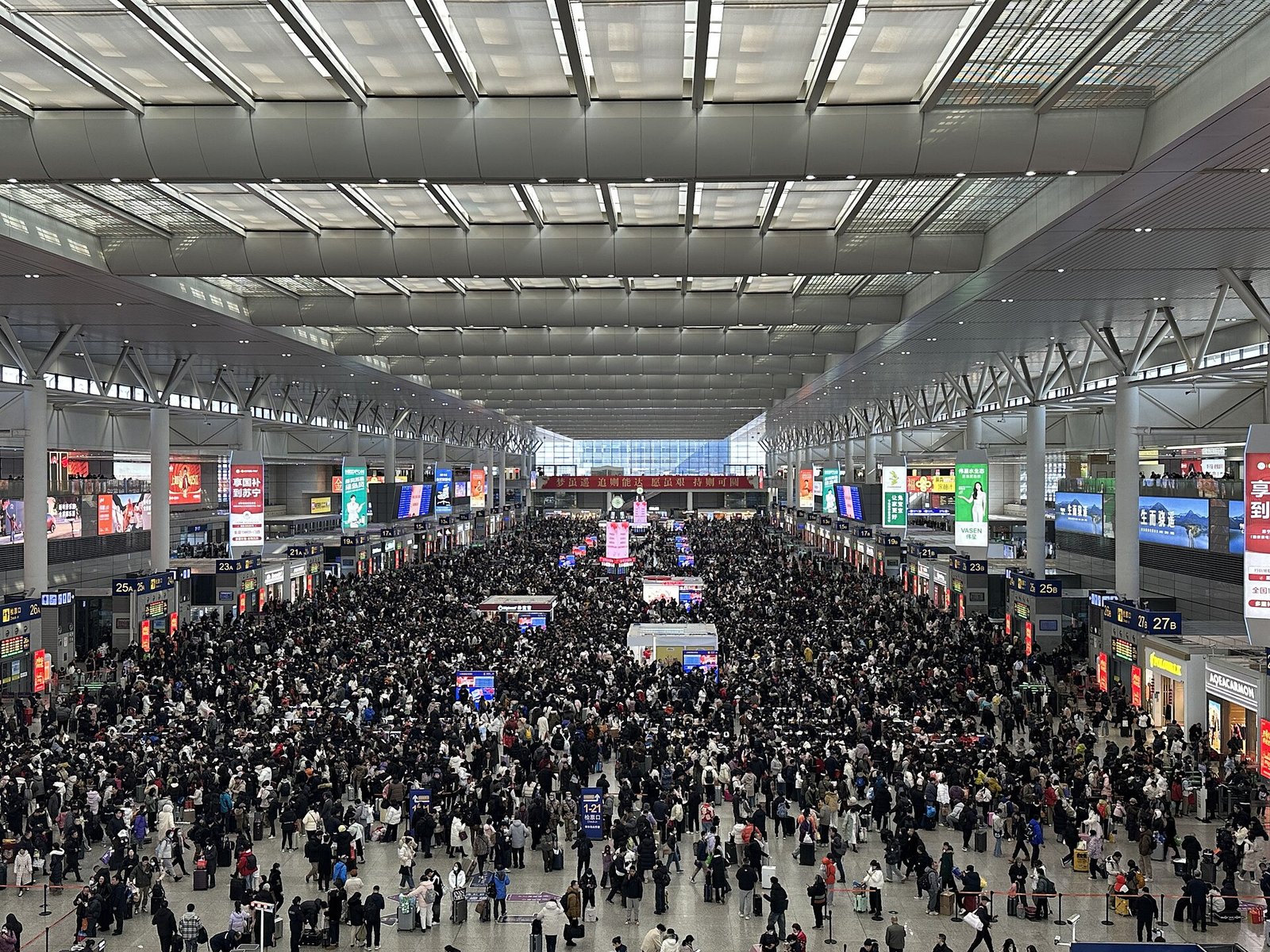
The Journey Home Behind the Spring Festival Rush
Behind the busy stations of chunyun lies a shared wish to reunite. Follow the connection between modern working lives and the journey home.
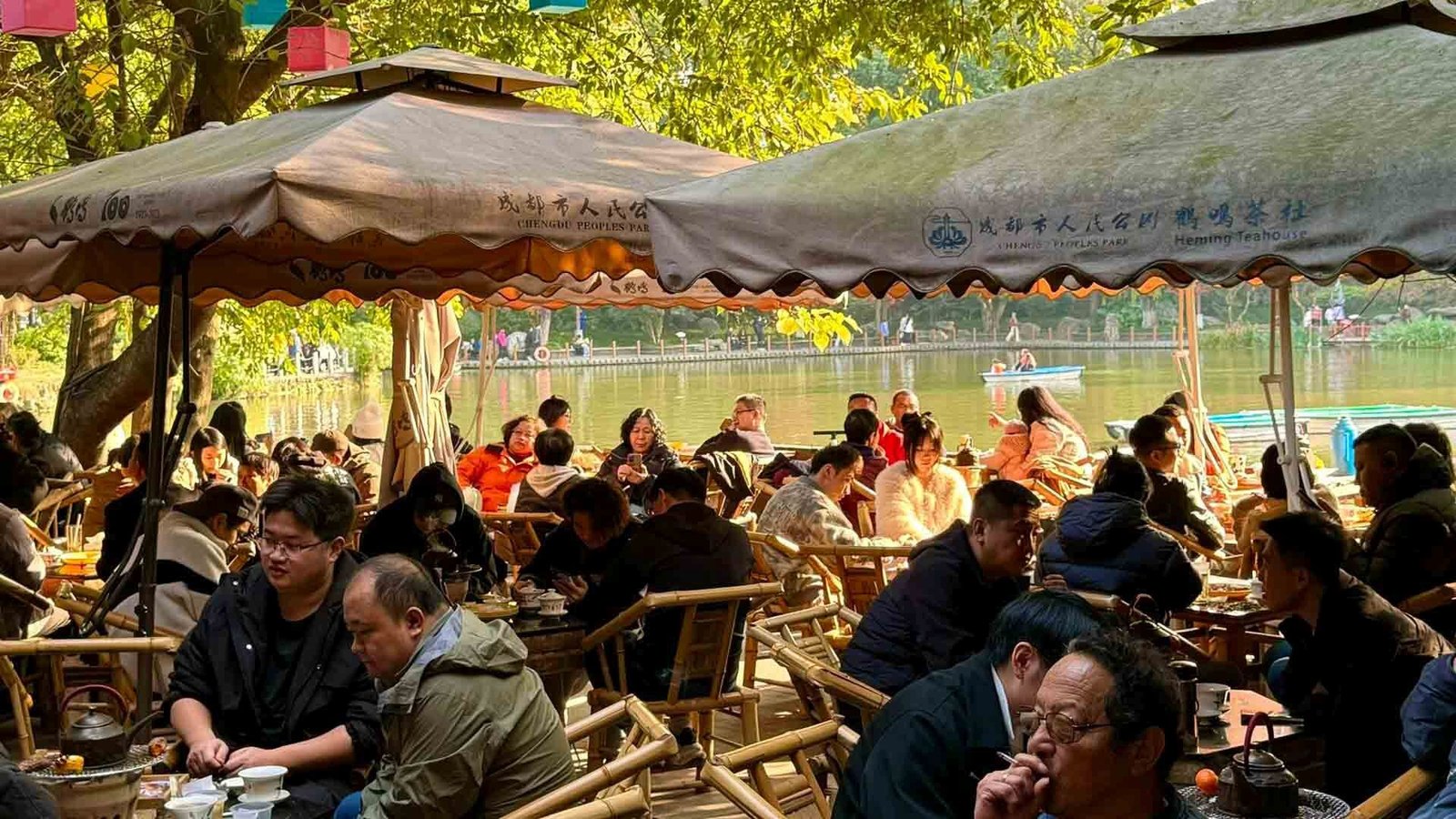
A Park Can Be a Neighborhood Living Room
Singing, chess, dancing, and long conversations: a morning park is more than a place to exercise. Look closer at its role in neighborhood life.
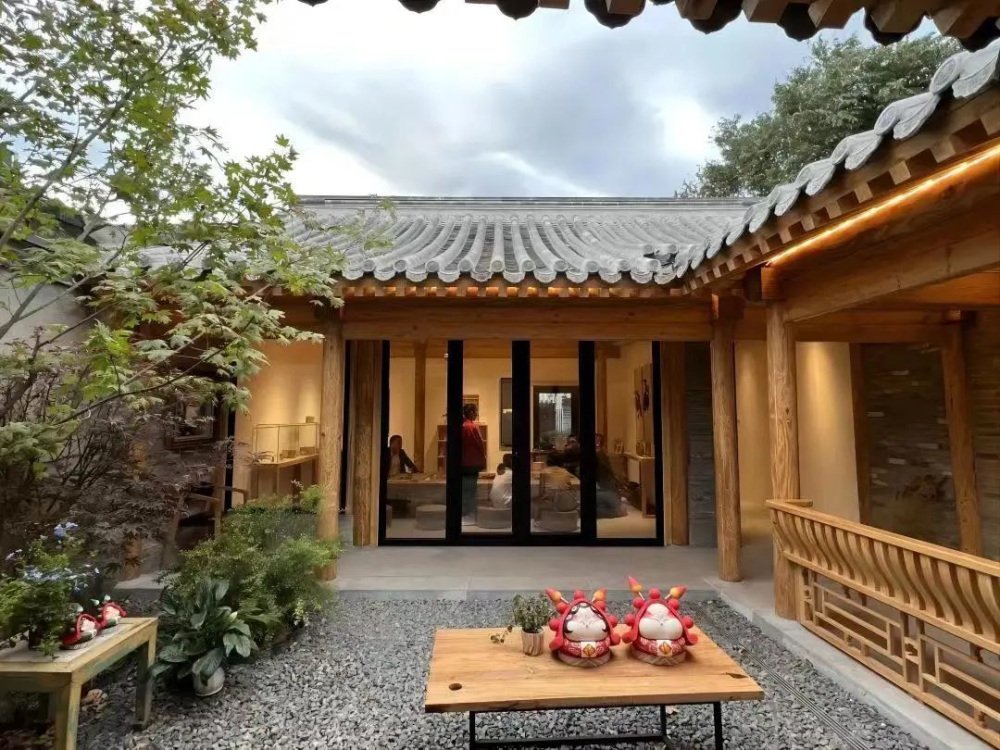
The Home Hidden Behind a Plain Hutong Wall
From the lane, you see only a wall and a doorway. Behind them may be an entire courtyard—and a history of changing homes and neighbors.
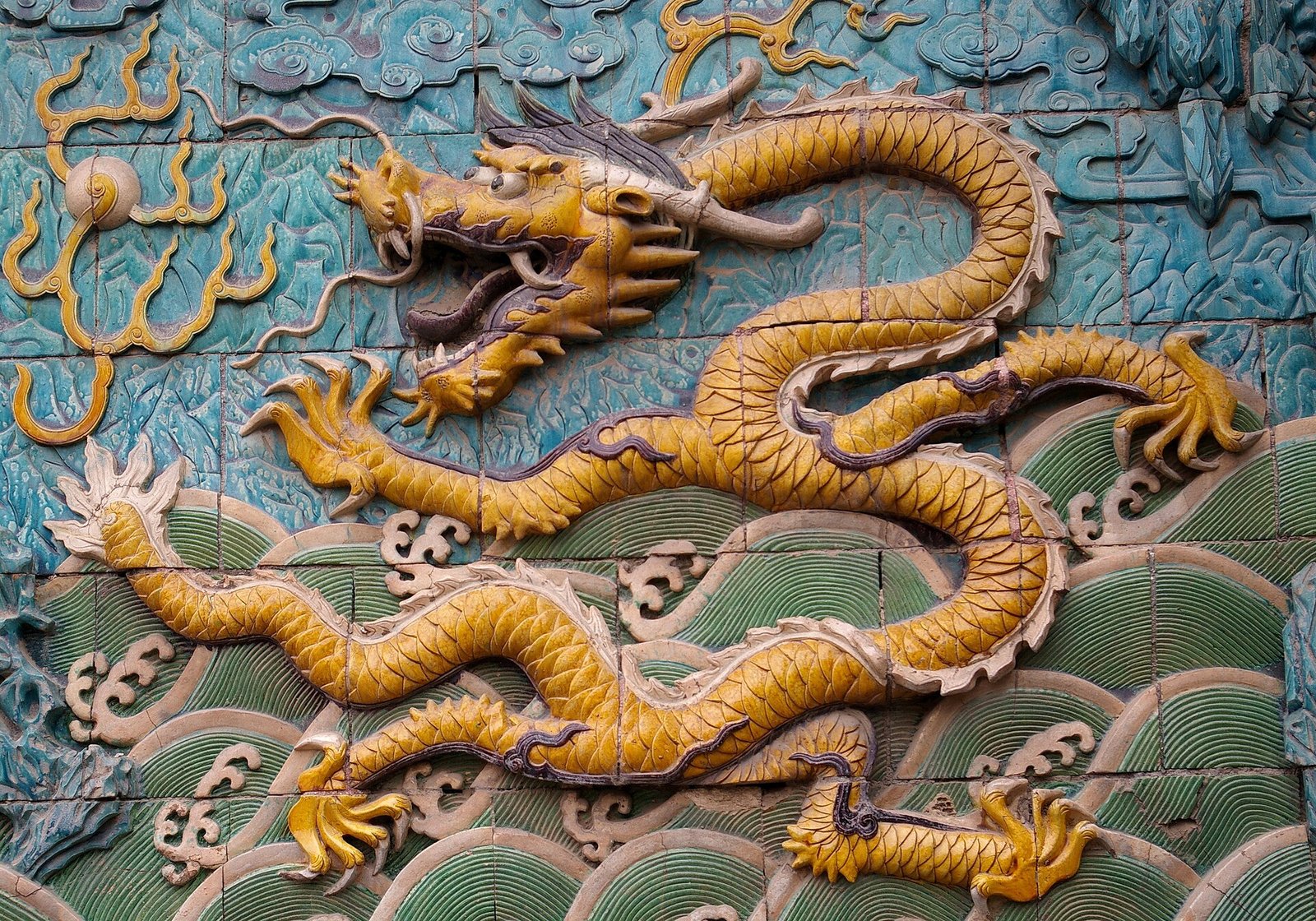
The Dragon Is Not Always the Villain
If you expect every dragon to breathe fire, Chinese art has a surprise. Follow a symbol that can bring rain, express power, or carry a wish for good fortune.