Stories · Public space & social life
A Park Can Be a Neighborhood Living Room
Singing, chess, dancing, and long conversations: a morning park is more than a place to exercise. Look closer at its role in neighborhood life.
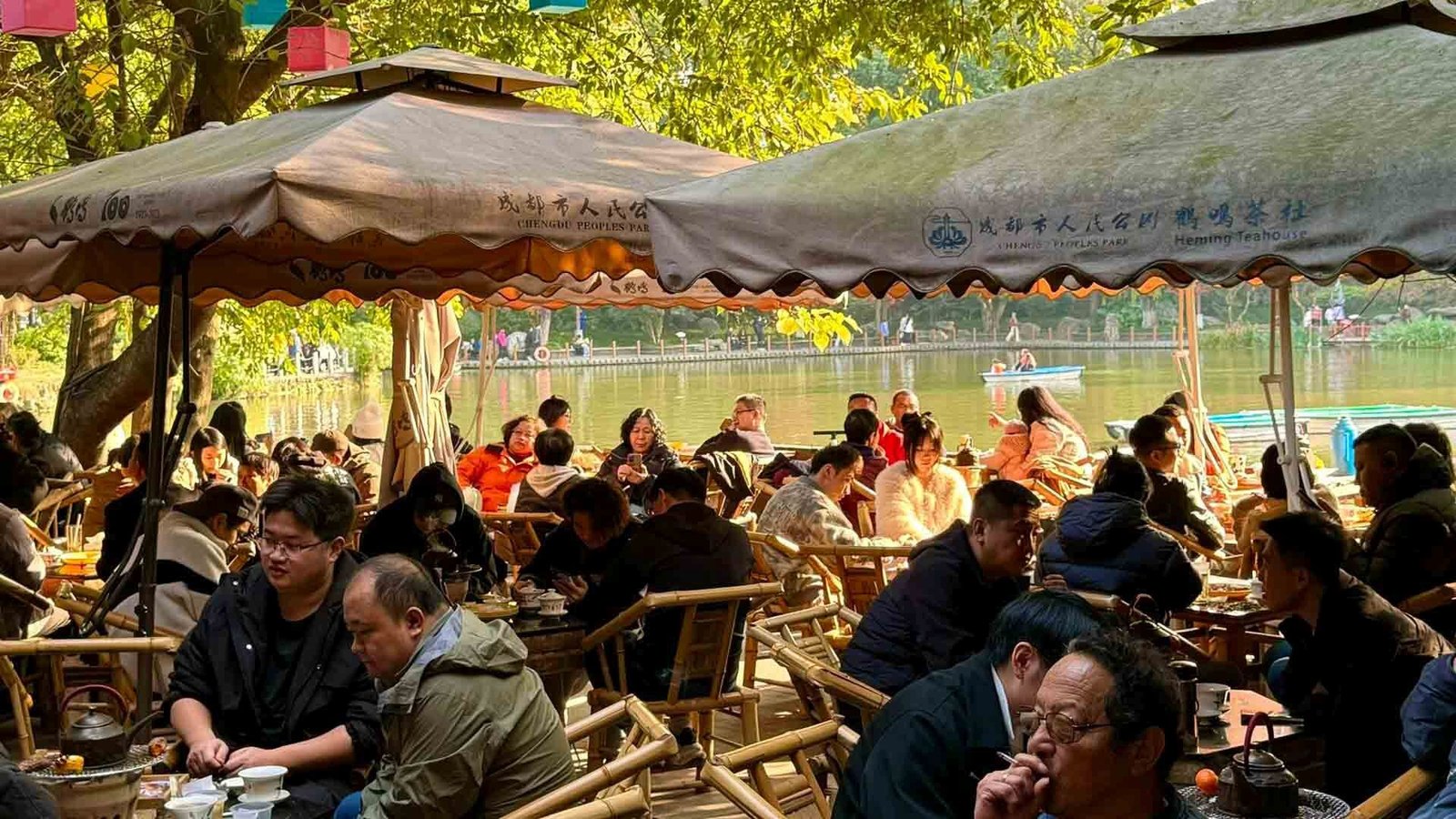
You enter a park expecting a view and find a group practicing music, a game in progress, and friends talking beside a path. A public green space can function as a place to return to routinely, not only somewhere to visit on a special outing.
A shared space gains meaning through repeated use
Activities depend on the neighborhood, hour, weather, and facilities. Older residents may be particularly visible during times when other people are at work or school, but parks are used across generations. One lively morning should not become a claim about what everyone in China does.
Regular encounters can build familiarity without a formal invitation. A shaded bench, a level path, or enough open space makes it easier for people to spend time together. The setting supports social life through repeated use rather than through a programmed tourist experience.
The same bench can support a quiet rest, a conversation, and a place to watch a game over the course of a day. Its usefulness lies partly in being available without a formal booking or invitation. Return once and you may recognize how the space becomes familiar to its regular users.
Return at another hour and notice the change
Watch from a respectful distance before asking to join a game or photograph a person. Some groups welcome conversation; others are concentrating on a lesson or private interaction. Music and exercise are not performances arranged for visitors, even when they are interesting to observe.
Return at a different hour and the park may become another place entirely. That change is the story: the same landscape supports several daily rhythms. A neighborhood walk can therefore teach you something a famous monument cannot show—how an ordinary space is made useful through people’s routines.