Stories · Architecture & everyday life
The Home Hidden Behind a Plain Hutong Wall
From the lane, you see only a wall and a doorway. Behind them may be an entire courtyard—and a history of changing homes and neighbors.
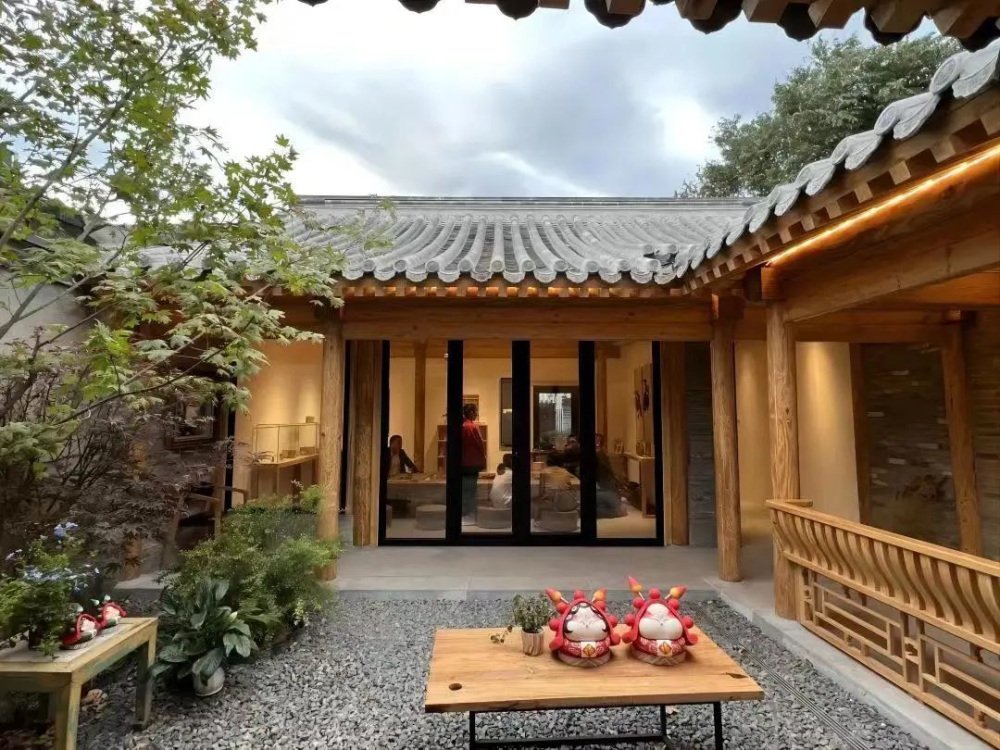
A narrow Beijing lane can present a long wall and a modest entrance, concealing a much more organized interior. In a traditional courtyard layout, buildings face an enclosed open space rather than displaying all their rooms to the street.
A lane and a courtyard describe different things
Siheyuan literally describes a courtyard enclosed on four sides. Scale, status, additions, and local conditions produce variations, so not every doorway leads to an intact symmetrical plan. Hutong refers to a lane; siheyuan refers to a type of dwelling. The two terms are connected but not interchangeable.
A courtyard can organize circulation, daylight, household relationships, and separation from the street. Position within a historical house could reflect hierarchy, but surviving homes also show adaptation. Subdivision, shared occupation, repairs, and modern services complicate the ideal diagrams in a guidebook.
The plain street wall changes the relation between public and private views. A visitor cannot read the whole household from the lane. An authorized courtyard museum supplies a way to learn the plan, while a residential gate asks for the ordinary restraint you would expect around your own home.
A living home is not automatically a visitor space
Some lanes remain residential, while selected courtyards operate as museums, businesses, or authorized visitor spaces. Do not enter an open gate simply because you want to see the plan. A marked public courtyard offers a way to learn without turning somebody’s home into an attraction.
Look at the threshold, entrance position, rooflines, and the transition from lane to courtyard. Ask what is original and what has changed. The discovery behind the wall is not just an architectural shape; it is a history of people continuing to use a structure for purposes its first builders could not have anticipated.