Stories · Symbols & stories
The Dragon Is Not Always the Villain
If you expect every dragon to breathe fire, Chinese art has a surprise. Follow a symbol that can bring rain, express power, or carry a wish for good fortune.
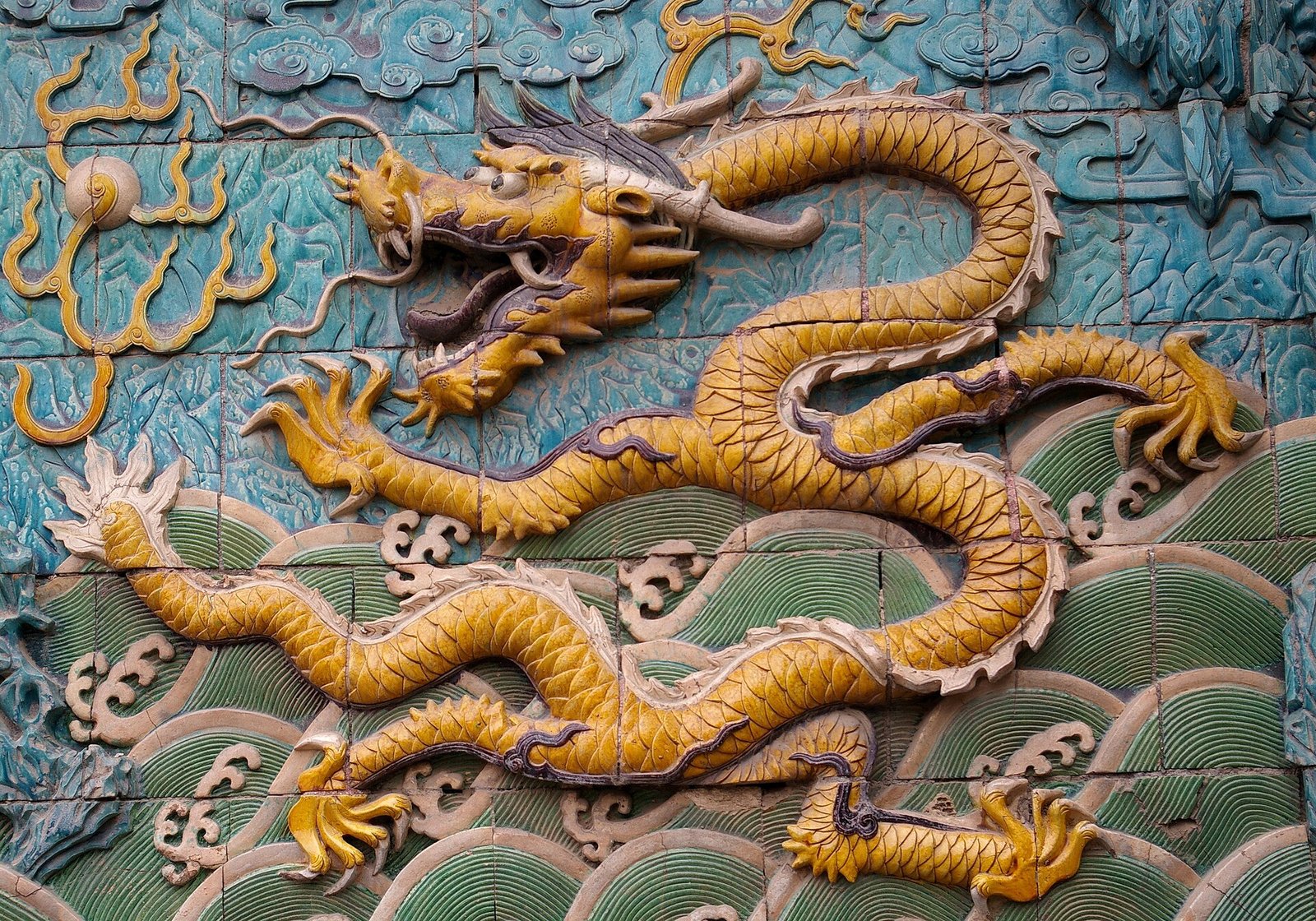
If your first dragon comes from a European adventure story, you may expect danger, a treasure hoard, and a hero with a sword. A dragon on a Chinese roof, robe, or festival object asks for a different reading. It can connect with water, power, good fortune, and auspicious wishes.
Read the dragon through the object around it
Chinese dragon imagery has changed across periods and settings. Imperial associations are important, but they are not the only context. Dragons also appear in decorative arts, stories, local traditions, and celebrations. The same general creature can serve several meanings rather than one fixed message.
Look at the object before decoding the animal. A robe in a palace collection, a ceramic vessel, and a community dragon dance have different makers and uses. Claws, posture, accompanying clouds, and surrounding motifs can matter, but a simple counting rule cannot reliably identify every object’s status or age.
A dragon in a festive greeting can carry a good wish, while one on an imperial object can emphasize authority. The animal does not have to change its general form for the context to change its meaning. That is the useful discovery: familiarity with the silhouette is only the beginning of reading the symbol.
A community performance changes the familiar story
Dragon dance translates the image into coordinated movement: people carry a long body through turns and undulations. Its communal performance differs from an individual monster in a story. Legends involving dragons can still contain conflict or danger, so the creature is not automatically benevolent in every tale.
The useful shift is to stop assigning a ready-made role before looking. Ask what this dragon is doing here and what the maker or audience understood it to mean. A symbol that looked familiar can become a doorway into a different way of imagining nature and authority.