Food · Hangzhou, Ningbo & Shaoxing
Zhejiang Cuisine
Tea-scented shrimp, slow-braised pork, coastal seafood, and seasonal bamboo shoots reveal the different kitchens of Zhejiang.
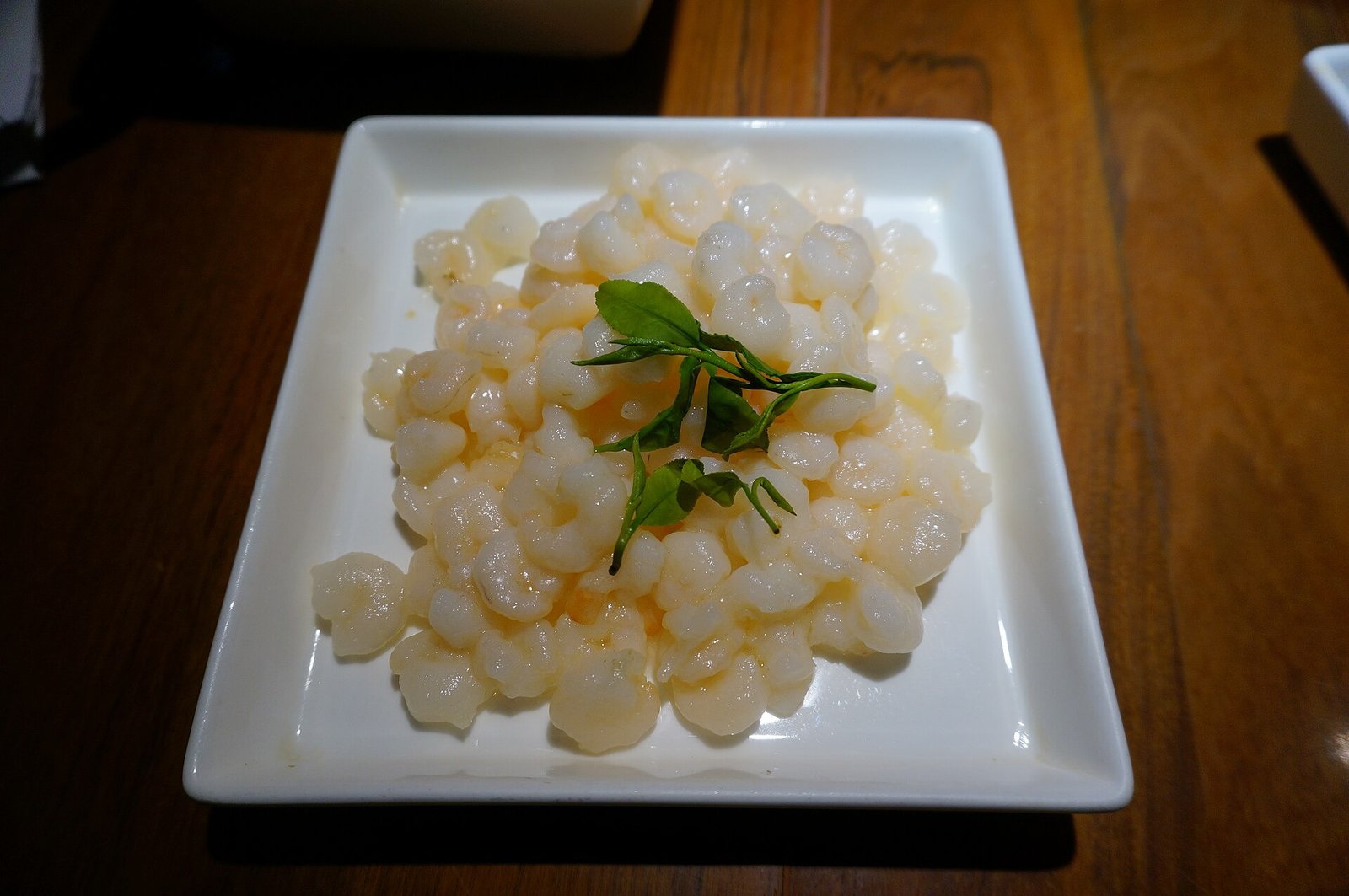
A plate of pale shrimp scattered with tea leaves can seem almost quiet beside a glossy square of braised pork. Both belong to Zhejiang’s food, which is better understood through contrasts between cities and techniques than through the claim that everything is light or sweet.
Three cities give the cuisine different directions
Hangzhou’s celebrated dishes connect to lakes, tea-growing landscapes, and a long urban dining tradition. Ningbo looks more directly toward coastal seafood, including preparations whose salty or preserved flavors surprise anyone expecting only delicate seasoning. Shaoxing brings rice wine and its own local ingredients into the picture. Zhejiang cuisine, also called Zhe cai, groups these traditions without making them identical.
Climate, farming, waterways, and commerce helped shape the regional table. Seasonal bamboo shoots, fish, shellfish, vegetables, and rice appear in different combinations. A restaurant serving famous Hangzhou dishes is a useful introduction, but it cannot stand for every coastal household or every meal elsewhere in the province.
Read the cooking method behind the famous name
Longjing shrimp pairs peeled shrimp with the scent of Hangzhou’s Longjing green tea. In a typical preparation, the shrimp are cleaned and lightly coated, then cooked briefly with controlled heat; brewed tea or tea leaves provide an aromatic finish. The point is a tender texture and restrained flavor rather than a heavily browned or strongly sauced plate. Recipes differ, so do not expect the tea to look or taste exactly the same at every restaurant.
Dongpo pork moves in another direction. Pork belly is gently braised with seasonings that commonly include soy sauce, rice wine, and sugar until its layers soften. The association with the poet and official Su Dongpo gives the dish a memorable name, but a familiar story should not be treated as proof that one historical person invented every present-day version. The slow cooking and the balance between meat, fat, and sauce are what the diner encounters.
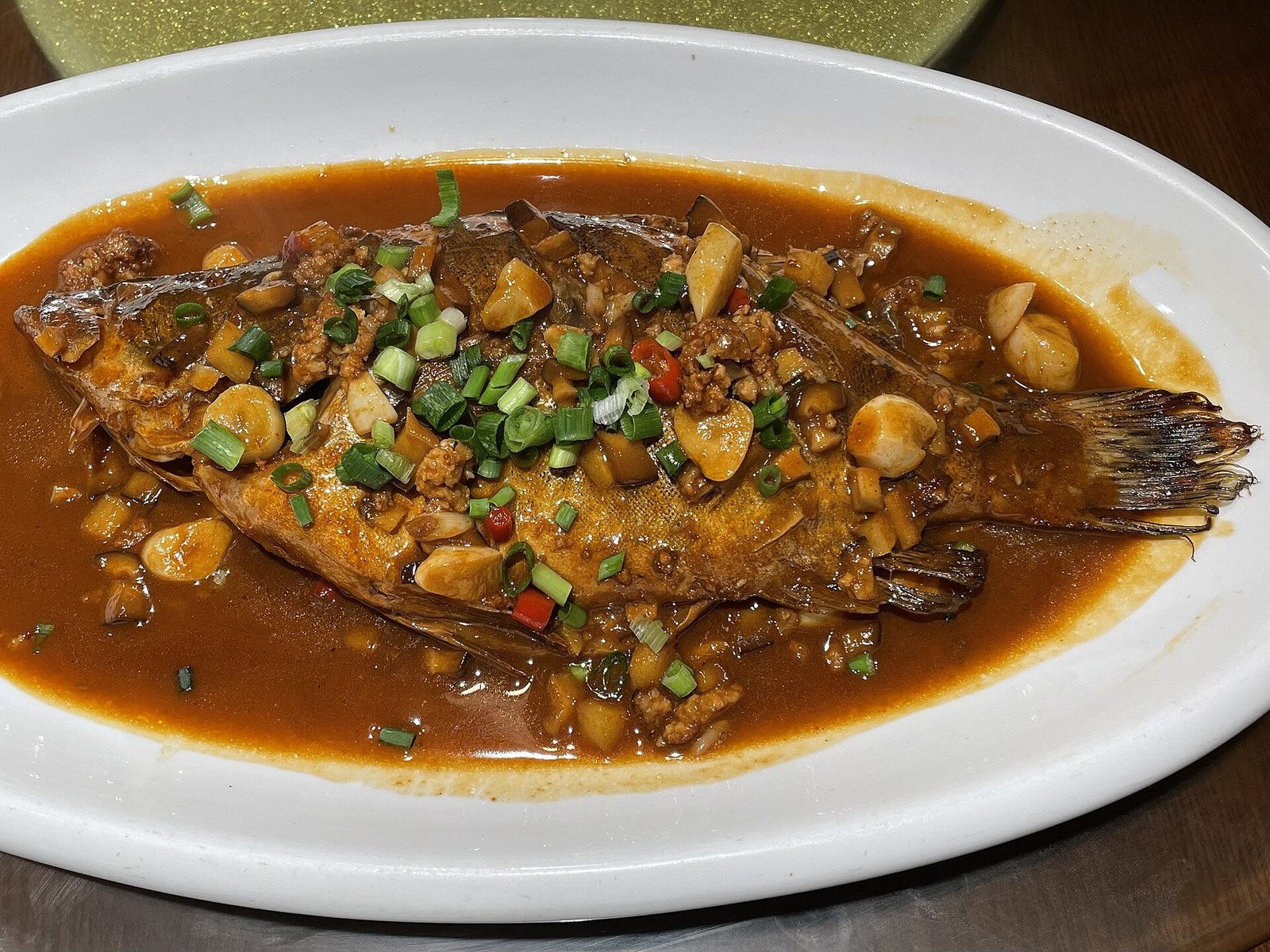
West Lake fish in vinegar sauce offers a sweet-and-sour contrast, while braised bamboo shoots put a seasonal ingredient at the center of the plate. These are choices to compare rather than a compulsory set. Ask about the fish species and portion, since an entire fish may be far more food than two diners need.
Build a meal with both richness and relief
For a first shared meal, pair one richer dish with a lighter shrimp or fish preparation, vegetables, and rice. Ask whether bamboo shoots or other seasonal dishes are available rather than assuming a photograph on a menu guarantees a fresh local ingredient that day. Coastal seafood menus may price an item by weight; confirm the total before the kitchen begins.
Wine, shrimp, fish, soy, and other ingredients can be present in sauces or preparations. Explain a dietary restriction and ask the restaurant to check rather than inferring suitability from a dish’s pale appearance. Eating in more than one city, or trying an ordinary neighborhood lunch alongside a famous restaurant, makes Zhejiang’s differences clearer.