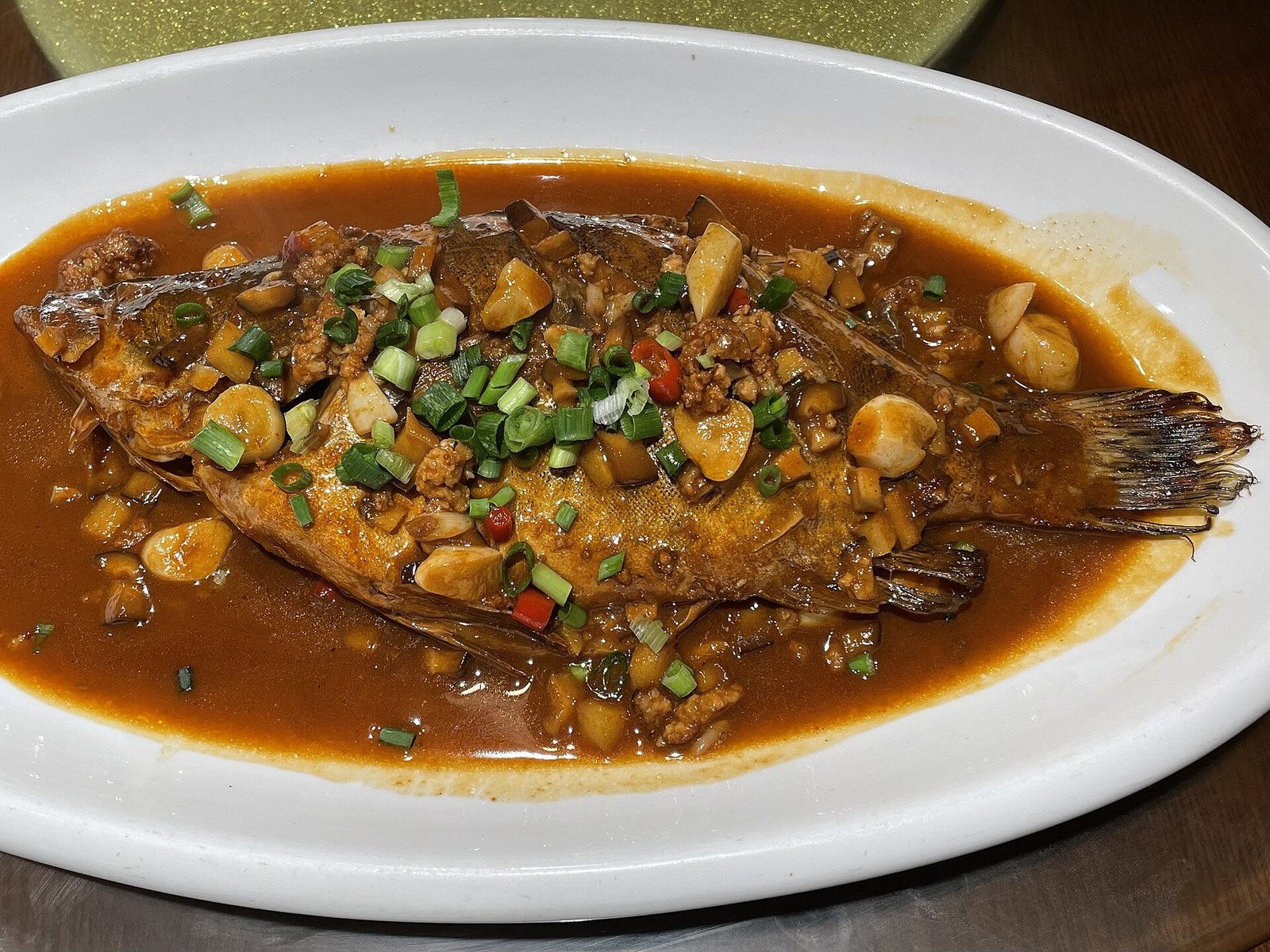
Food · Fuzhou, southern Fujian & inland traditions
Fujian Cuisine
Fish balls, carefully built soups, red rice-wine lees, and southern noodle dishes connect Fujian’s sea-facing cities with its mountain communities.
Fujian’s food can begin with a small bowl of springy fish balls or a carefully layered banquet soup. Its interest lies in the work behind those textures and broths, and in the differences between Fuzhou, the southern coast, and inland communities.
The sea supplies one half of the story
Fujian, or Min, cuisine draws on both coastal ingredients and inland farming. Fish and shellfish are prominent, but mushrooms, bamboo shoots, rice, meat, and preserved seasonings also matter. Fuzhou has a particularly recognizable tradition of soups and snacks; Xiamen, Quanzhou, and other southern places have their own flavors. Inland and Hakka cooking should not be reduced to a copy of one coastal city’s menu.
Trade and migration carried tastes between ports and communities. This makes Fujian a useful place to notice shared food ideas without pretending that every similar dish has the same recipe. An oyster preparation in southern Fujian, for example, can invite comparison with Taiwan’s food while still retaining its local identity.
A fish ball is an exercise in texture
Fuzhou-style fish balls often use a worked fish paste around a seasoned meat filling, then cook in a broth. Repeated working of the paste helps create the springy outer texture. The pale surface does not tell you everything inside: ask about pork or other filling ingredients, and allow a freshly served filled ball to cool before biting into it.
Rouyan offers another surprise. Its wrapper incorporates finely worked pork and starch, creating a thin sheet that can look more like a noodle or dumpling skin than meat. A name translated as “swallow” refers to the form or local naming tradition; it does not mean the dish is made from a bird. Together these snacks show why Fujian cuisine is as much about careful preparation as about seafood.
A banquet soup and an everyday noodle bowl need different expectations
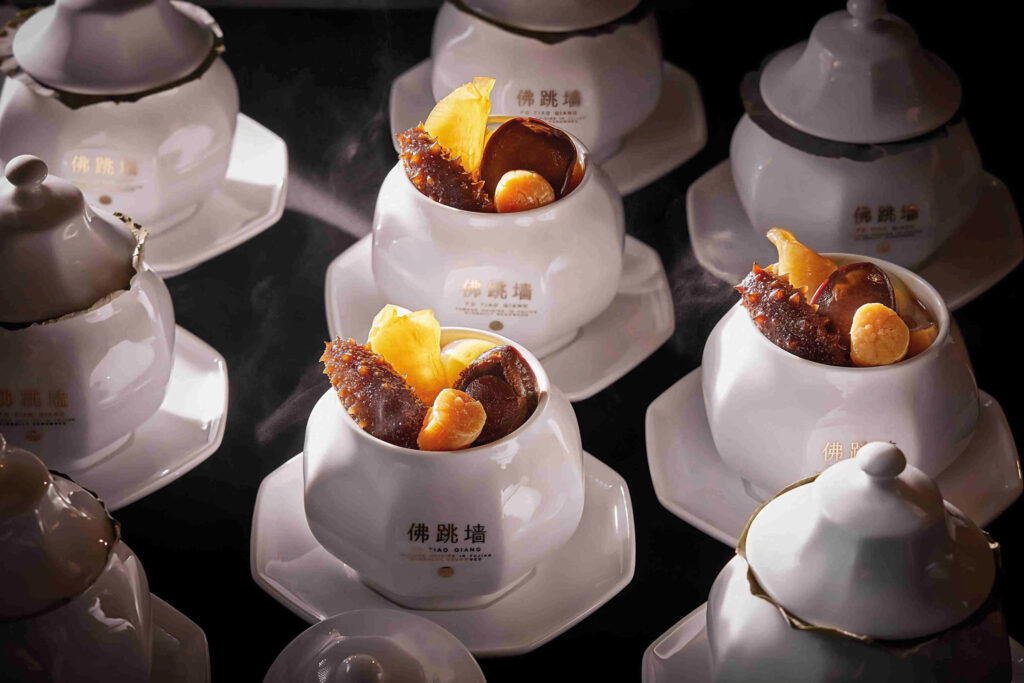
Fo tiao qiang, often rendered as “Buddha Jumps Over the Wall,” is a rich Fuzhou banquet preparation in which separately prepared ingredients are brought together and slowly cooked. Versions may include shellfish, other seafood, meat, mushrooms, and stock. The poetic name belongs to culinary storytelling; it does not describe a religious requirement or one universal ingredient list. Check the portion, ingredients, advance-order requirement, and price before choosing it.
Red rice-wine lees add aroma and color to some Fujian preparations. Farther south, Xiamen’s shacha noodles introduce a different kind of bowl: noodles and chosen toppings meet a savory sauce-based broth. Sauce recipes vary and may include peanut or seafood ingredients. A vegetarian-looking topping therefore does not establish that the soup itself is vegetarian.
Let a small order show more than one technique
Try a broth or snack, one shared main dish, a vegetable plate, and rice or noodles, adjusting the amount to your group. Ask for the local name of a dish rather than expecting “Fujian food” to describe a single fixed menu. A neighborhood snack shop and a banquet restaurant reveal different parts of the tradition.
Check seafood prices and ask about bones, fillings, stock, and sauces where relevant. Expensive ingredients are not required for an interesting introduction. A well-made fish ball or a simple noodle bowl can teach you more about local texture and seasoning than a large ceremonial dish ordered only for its famous name.