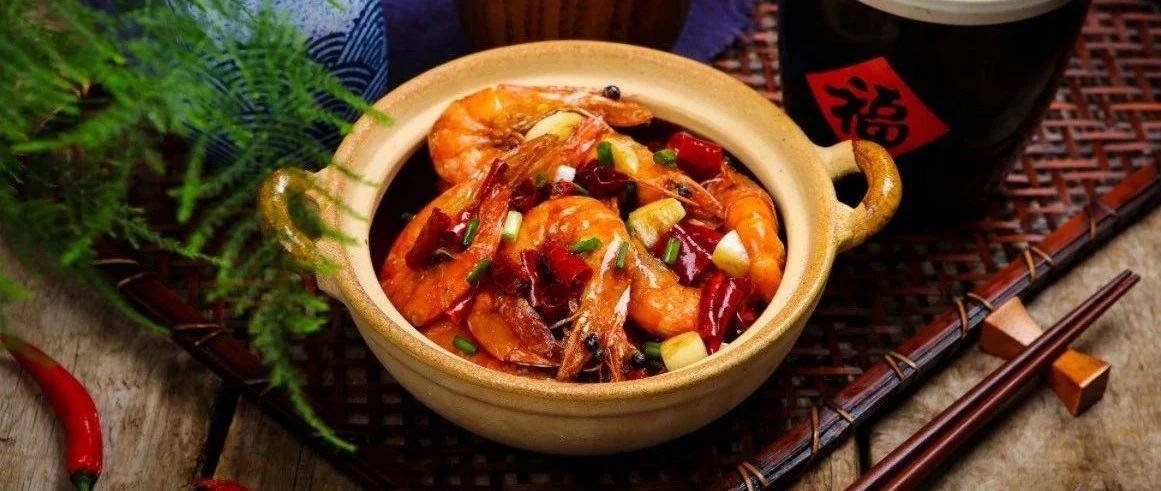
Food · Huizhou, Huangshan & a wider province
Anhui Cuisine
Fermented mandarin fish, mao tofu, bamboo shoots, and slow-cooked dishes reveal a cuisine shaped by preservation, mountain ingredients, and control of heat.
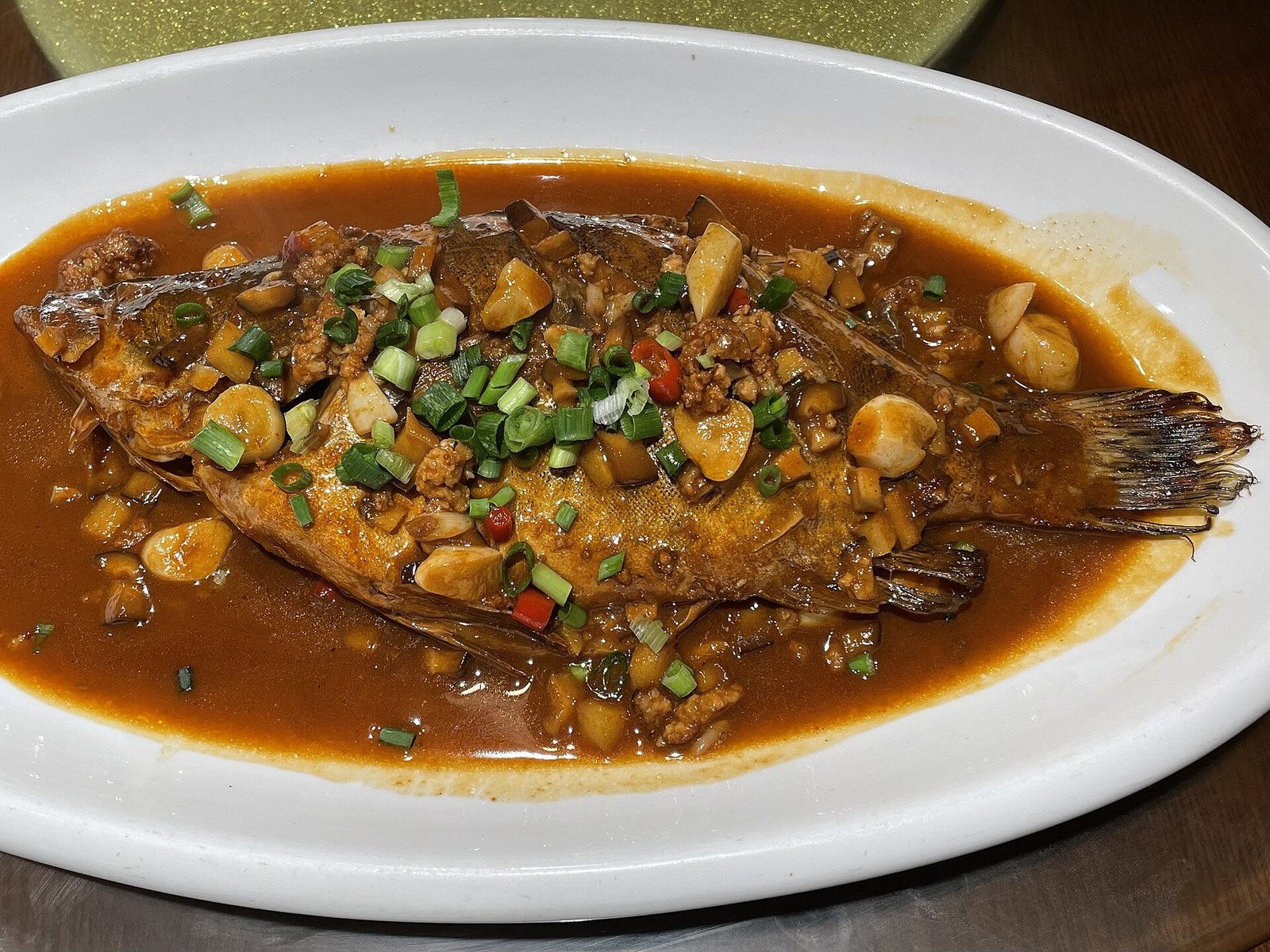
Anhui’s most memorable flavors often ask you to rethink an aroma or a texture. A fermented fish can smell stronger than it tastes, and carefully cultured tofu can develop a surface unfamiliar to a first-time diner. The reward is understanding a deliberate food tradition rather than ordering something merely because it sounds unusual.
Huizhou is a starting point, not the whole map
Hui cuisine is strongly associated with historic Huizhou in southern Anhui, around places such as Huangshan and Jixi. The region’s mountain settlements, ingredients, and merchant connections helped shape foods that traveled beyond their home kitchens. Modern Anhui is a larger province, with additional traditions along the Yangtze and Huai river areas. A Huizhou menu should not be treated as a complete inventory of everything eaten in Anhui.
Bamboo shoots, mushrooms, preserved foods, pork, fish, and slow cooking provide useful threads to follow. Preservation could help ingredients last, but present-day dishes are chosen for their flavor as well as their history. The cuisine is not a license to assume that every ingredient is foraged or that a restaurant’s “wild” description establishes its origin.
Fermentation is intentional, and the finished dish matters
Chou guiyu is a seasoned, fermented mandarin-fish preparation associated with Huizhou. The fish is subsequently cooked, often in a savory braise, producing a distinctive aroma and a firm, separable flesh texture. Its history is often told through stories of transporting fish into mountain communities. Treat those stories as part of local food memory rather than a reason to copy an improvised fermentation method at home.
Mao tofu develops a fine surface growth through controlled preparation before being cooked. A vendor may pan-fry it so that the outside contrasts with the soft interior, then add seasonings. This differs from simply letting ordinary tofu spoil. Try a cooked portion from an established food business if the dish interests you; you do not have to enjoy every strong aroma to appreciate the tradition.
A layered pot offers a gentler doorway
Jixi yipin guo brings several ingredients together in a layered pot. A version may combine vegetables, tofu products, and meats, with the arrangement and gradual cooking shaping the finished dish. Recipes vary by household and restaurant. Slow cooking allows the ingredients to share flavor without turning every plate into the same fermented specialty.
Preserved pork, bamboo-shoot preparations, and simple vegetable dishes can give a first meal variety. One strong signature dish alongside a milder stew, vegetables, and rice is more useful than ordering a whole table of unfamiliar preserved foods. Ask how many people a shared pot serves and whether its stock includes meat.
Taste the region at a comfortable pace
In Huangshan-area towns, combine food with a day that leaves room for lunch rather than treating a restaurant stop as an afterthought between distant sights. A menu may use unfamiliar local names, so ask which dish the kitchen considers a specialty and what is in it. Confirm a whole fish’s size and total price before ordering.
Anhui cuisine becomes more interesting when heat, time, preservation, and local ingredients are allowed to tell their own stories. You can begin with bamboo shoots and a slow-cooked pot, then return to the stronger dishes if you want. Curiosity works better than the idea that a visitor must endure a challenging food to prove an open mind.