Food · Sichuan & Chongqing
Sichuan Cuisine
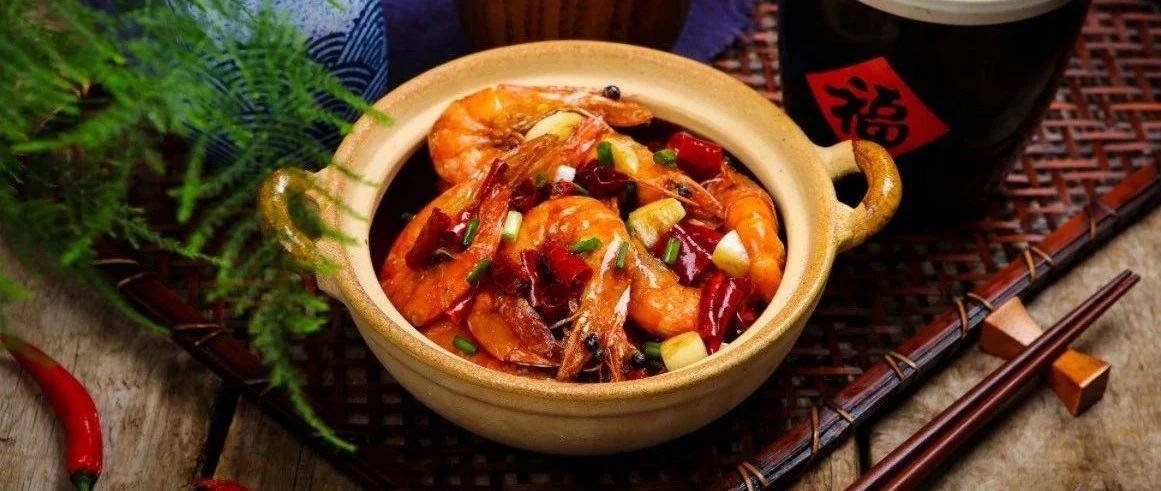
Chili, Sichuan peppercorn, fermented bean paste, and layered aromas define dishes like hotpot, mapo tofu, and twice-cooked pork.

Sichuan and Chongqing are major centers, but this is not one uniform menu. Restaurant cooking, household dishes, banquet traditions, and newer hotpot styles overlap. Chili and Sichuan pepper are famous, yet the cuisine also makes room for fermented aromas, sweet-sour combinations, gentle broths, and vegetables.
Mala is one flavor, not the whole cuisine
Mala combines chili heat with Sichuan pepper’s tingling sensation. Doubanjiang, a fermented bean paste, supplies savory depth to many dishes. Aromatics, pickles, and contrasting textures matter as much as a red appearance. A mild-looking broth can still contain meat, while a bright red dish may owe its character to more than heat.
Mapo tofu, twice-cooked pork, and the logic of the wok
Mapo tofu brings tender tofu together with a strongly seasoned sauce. Twice-cooked pork uses a preliminary cooking stage followed by slicing and stir-frying. Dan dan noodles concentrate flavor in a small bowl. Hotpot is a shared method of eating rather than a single fixed recipe, and the broth should be chosen for the people at the table.
For a typical mapo-tofu preparation, the cook develops aromatics and fermented seasoning in the pan, adds liquid and tofu, then finishes the sauce and seasoning. Twice-cooked pork depends on the contrast between initial cooking and the final quick stir-fry. These are broad descriptions of technique, not one definitive recipe: households and chefs adjust meat, texture, and proportions.
A Sichuan table needs contrast
Order contrasting dishes: one strongly seasoned course, a vegetable, and something gentler. Ask how spicy the kitchen’s version is and explain allergies directly. “Less spicy” does not guarantee the absence of chili, and “tofu” does not guarantee a vegetarian dish.