Destinations · Beijing & Hebei
The Great Wall
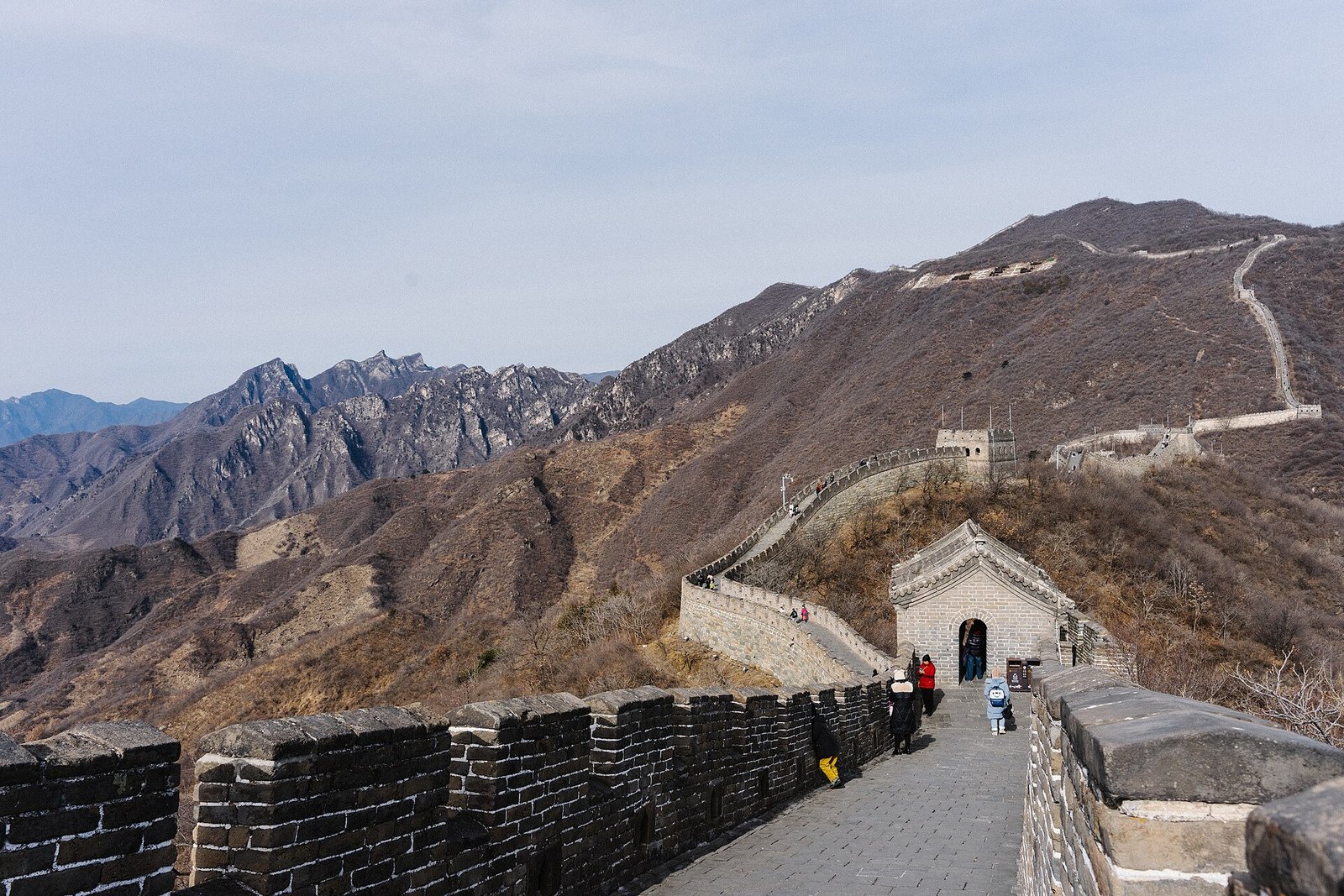
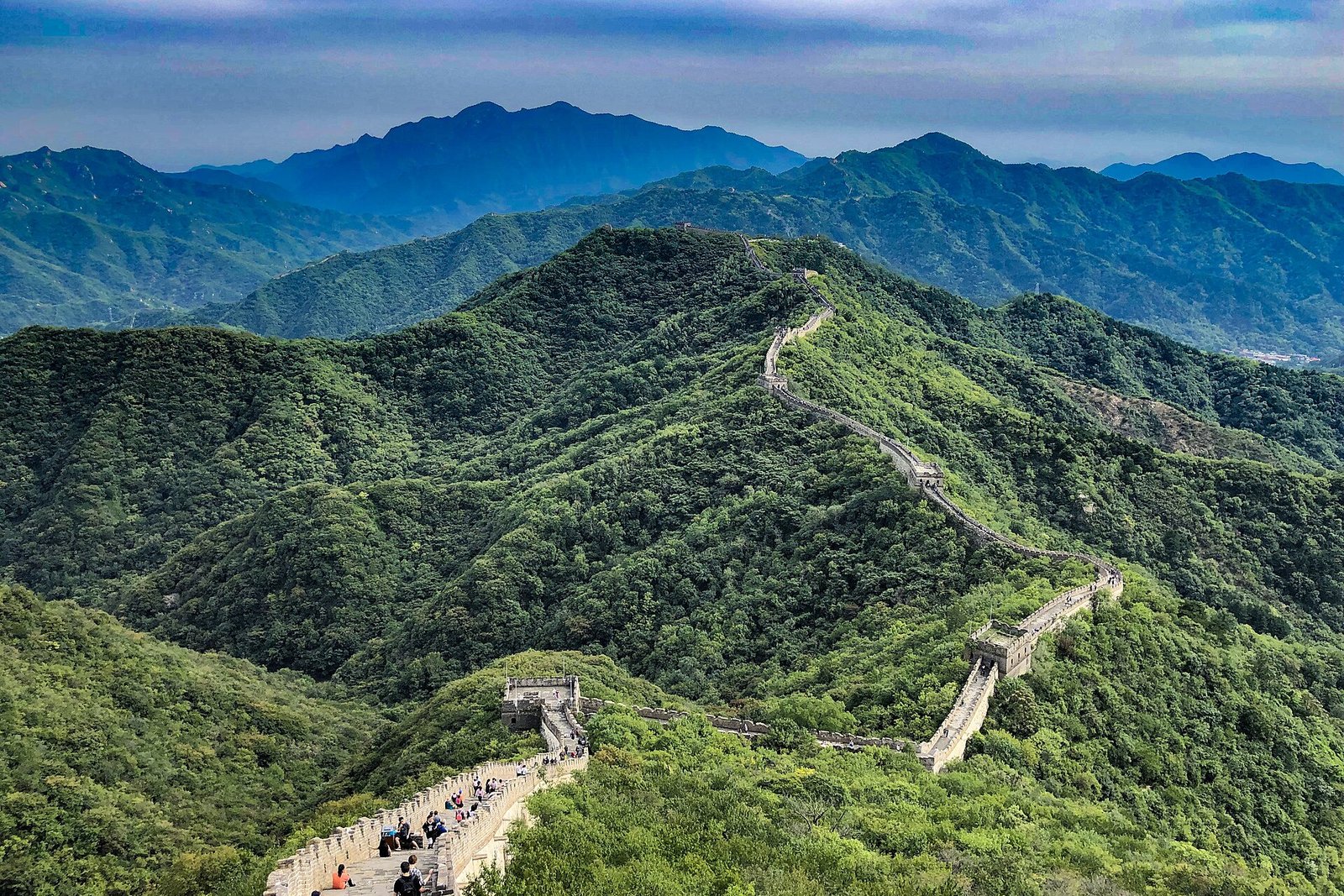
Mountain ridges, watchtowers, and stone passes make the Great Wall one of China's strongest first impressions.

The Great Wall stretches across northern China; widely visited mountain sections lie around Beijing and in neighboring Hebei. Badaling, Mutianyu, and Jinshanling are separate destinations; “the Great Wall” is not one entrance or one continuous tourist trail.
Earlier states built fortifications before imperial unification. Qin rulers connected parts of that defensive landscape, and later dynasties rebuilt or extended it. Many stone-and-brick sections familiar from photographs belong to the Ming period. The wall worked with passes, garrisons, towers, and terrain, rather than serving only as a tall barrier.
Badaling, Mutianyu, or another managed section?
The Great Wall is a network built and rebuilt across different periods, not one continuous visitor attraction with a single entrance. Beijing-area sections differ in steepness, restoration, transport, and available services. Decide how much walking you want and whether you need a less demanding ascent, then choose a managed section that fits. A cable car or shuttle changes the approach, but does not make every stretch of wall level. Check the exact route and return arrangements before leaving the city.
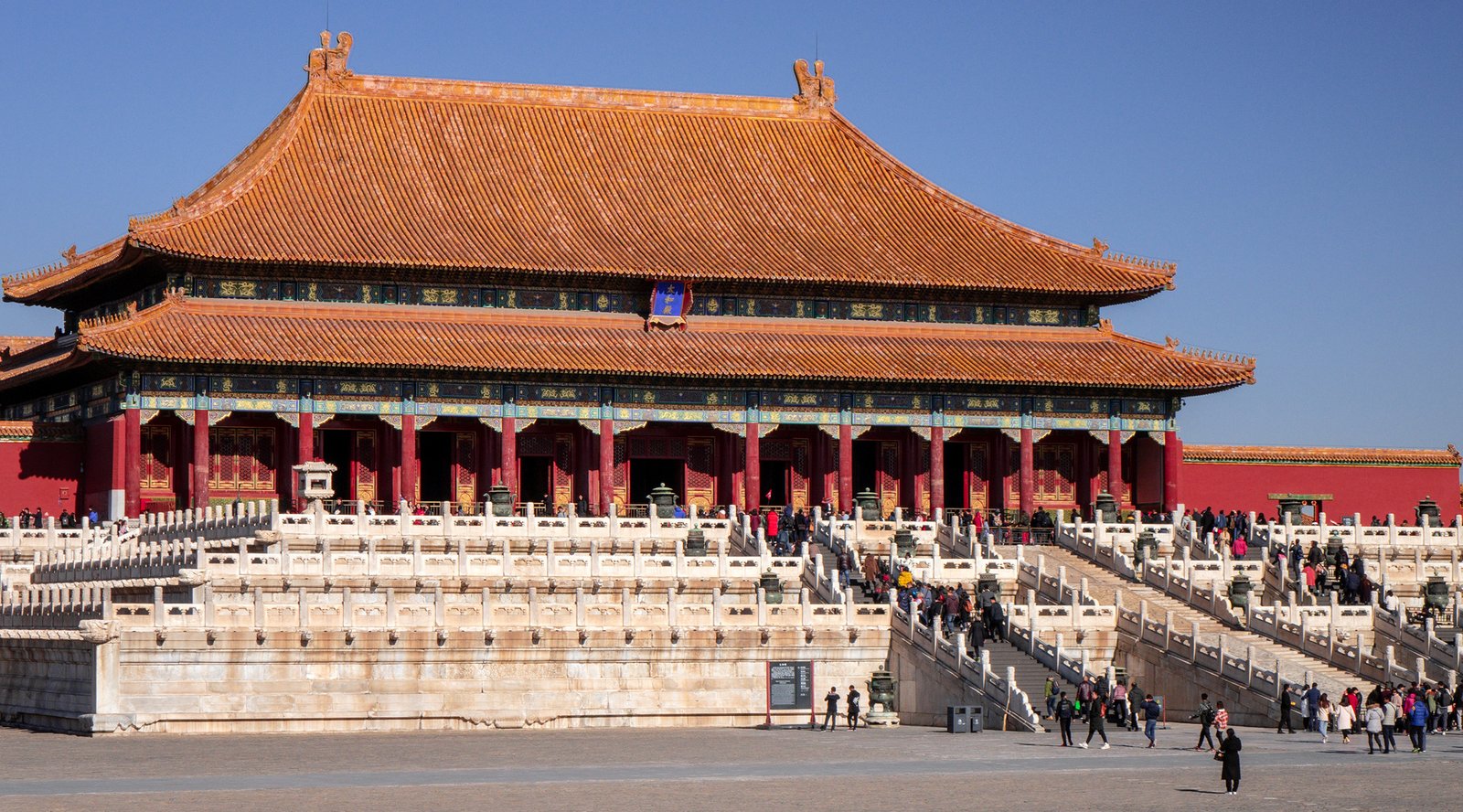
Choose one managed section and allow a full excursion from Beijing. Confirm that your planned entrance, transport, and exit belong to the same section. Carry water, use shoes with grip, and stay within open areas. Fog, heat, snow, and temporary closures can change what is practical. Avoid adding a major palace visit to the same day.
“The Great Wall” names a much larger history than the restored stretch in front of you. A Beijing day trip usually introduces Ming-period defenses. Ask which period is represented and which portions were restored; the answer helps you see a defensive system rather than imagine one wall built by a single emperor.
Towers make sense when you read the ridges
Look for the relationship between the ridge and the wall: steep terrain determines where stairs climb and where watchtowers sit. Mutianyu offers a restored mountain setting; Jinshanling suits visitors interested in a longer walk. A cable car may reduce the initial ascent, but it does not remove the steep steps on the wall itself.
Look beyond the brick surface to the surrounding ridges and valleys. Towers, gateways, and the wall’s alignment make more sense when you ask which movement they could observe or control. Restored masonry and surviving older fabric may sit close together, so distinguish interpretation from age. Leave damaged or closed sections alone: a dramatic-looking climb is not automatically a legal or safe route.