Destinations · Beijing
Forbidden City
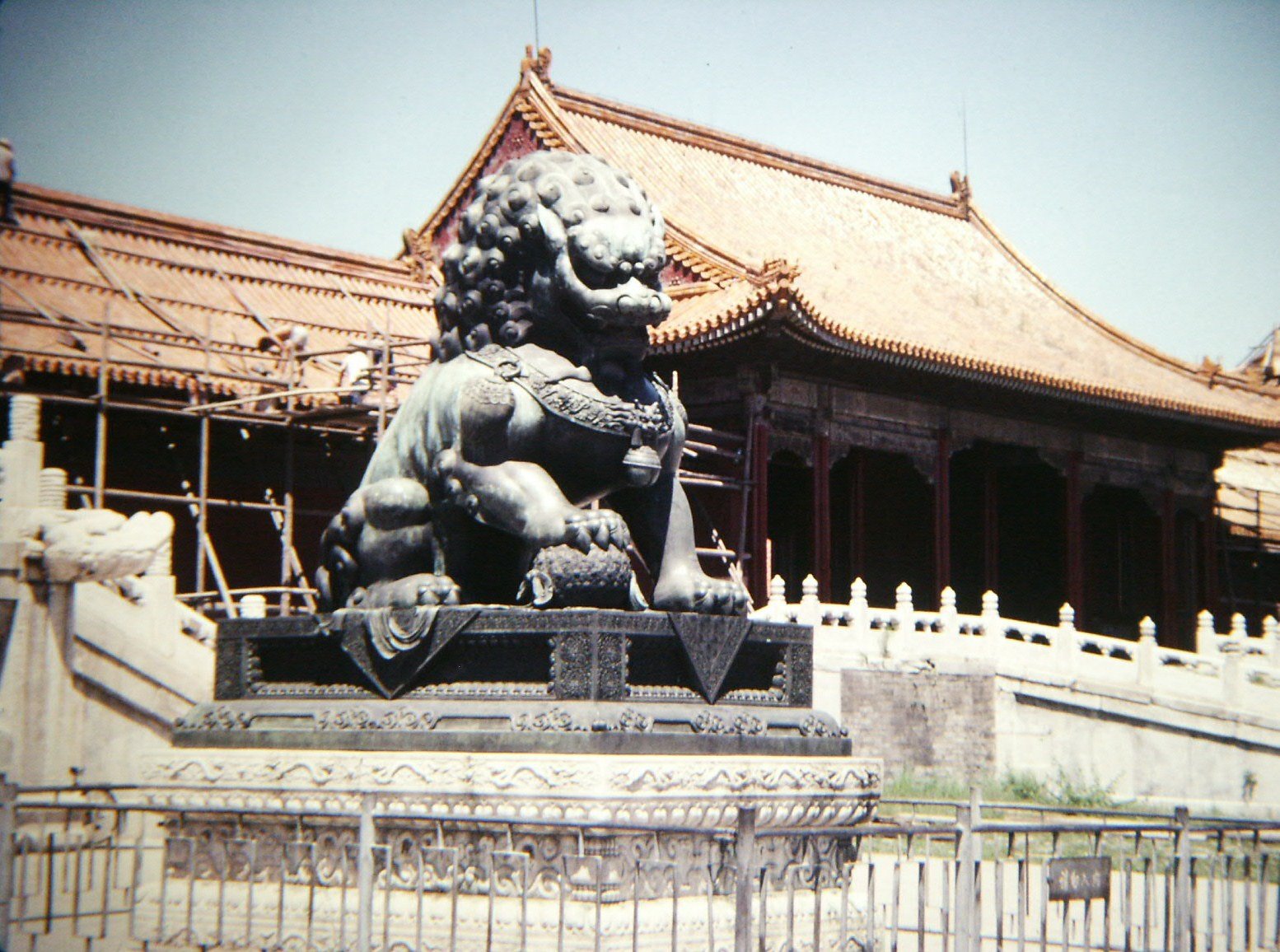
Red walls, golden roofs, ceremonial gates, and vast courtyards introduce the scale and order of imperial China.
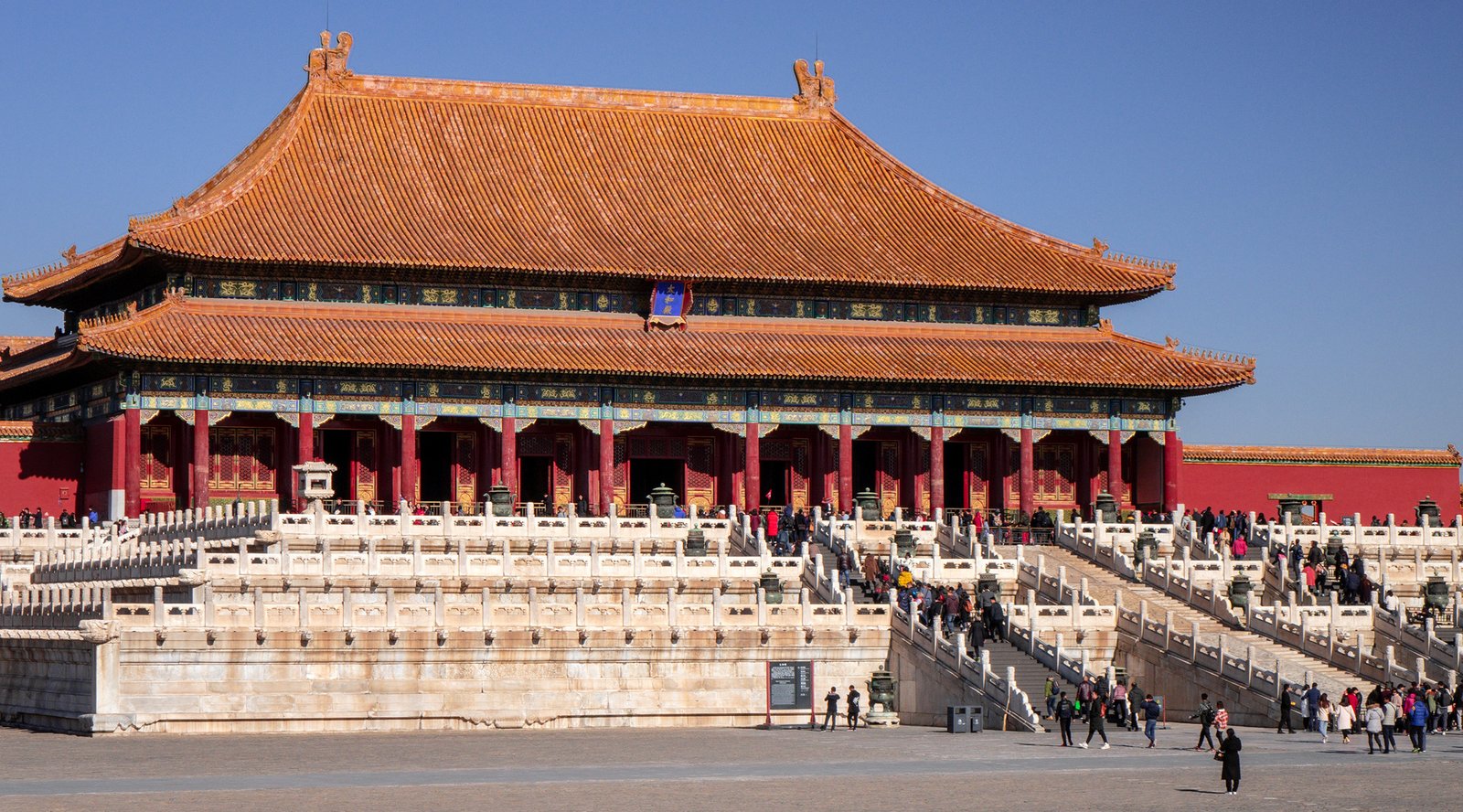
The Palace Museum occupies the former imperial palace in central Beijing, north of Tiananmen and south of Jingshan Park. Palace grounds, Tiananmen Square, and neighboring parks have separate access arrangements.
Completed in 1420 under the Ming Yongle emperor, the palace became the seat of successive Ming and Qing rulers. Its north–south ceremonial axis, gates, courts, and halls expressed hierarchy. It became the Palace Museum in 1925, opening a former center of dynastic power to public interpretation.
The route from public ceremony to private life
The largest courtyards create distance and hierarchy before a visitor reaches a hall. Smaller spaces farther inside reveal a different scale of imperial life. Ask how access was organized: who could enter, where a meeting occurred, and which spaces served a household rather than a public ceremony. The palace was not a collection of independent photogenic buildings. Its sequence is part of the historical message, and a useful visit follows that sequence before branching into collection displays.

The outer courts contain the great ceremonial halls; the inner areas reveal spaces associated with the imperial household. Compare the scale of a main court with smaller side compounds and garden spaces. Museum displays also interpret objects, craftsmanship, and court life: architecture is only one part of the collection.
Look at the difference between the open forecourt and the narrower residential spaces. Emptiness is not missing decoration: large distances helped stage authority and regulate approach. A palace room label can tell you who used it, which makes the walk more informative than identifying roofs by color alone.
Leave time for the Palace Museum’s collections
The Palace Museum contains more than the central palace route, and changing exhibitions can add substantial time. Choose the main architecture and one or two areas of particular interest instead of expecting to study every object. Follow the current entrance and exit instructions; do not assume you can reverse the route when tired. Have water and a plan for the walk after leaving the museum.
Use the Palace Museum’s official visitor information to confirm passport booking, the entrance route, opening days, and exhibition availability. Allow several hours and leave time for security and walking. A quiet side gallery can be more rewarding than trying to photograph every gate. Plan onward transport from the exit rather than assuming you will leave where you entered.