Destinations · Dunhuang
Mogao Caves
Murals and sculptures preserve Buddhist art, Silk Road exchange, clothing, music, and stories across centuries.

Mogao lies southeast of Dunhuang in Gansu, beside a cliff on the edge of the desert. The caves, digital visitor center, and desert attractions around Crescent Spring are distinct stops.
From the fourth century onward, patrons funded Buddhist cave sanctuaries along a crossroads of trade and religious exchange. Murals, painted sculptures, and manuscripts preserve evidence of worship, dress, music, and contact across Eurasia. The Library Cave’s manuscript discoveries expanded understanding of medieval life far beyond the site itself.
Why your visit is a selected cave journey
The visitor experience is organized around conservation, so the caves you see may depend on the ticket, program, and conditions. Do not assume access to a particular numbered cave because it appeared in a book. The digital introduction and a selected guided route can work together: one supplies the broader story, the other lets you observe a small part closely. Follow rules on light, photography, movement, and touching even when another visitor appears to ignore them.
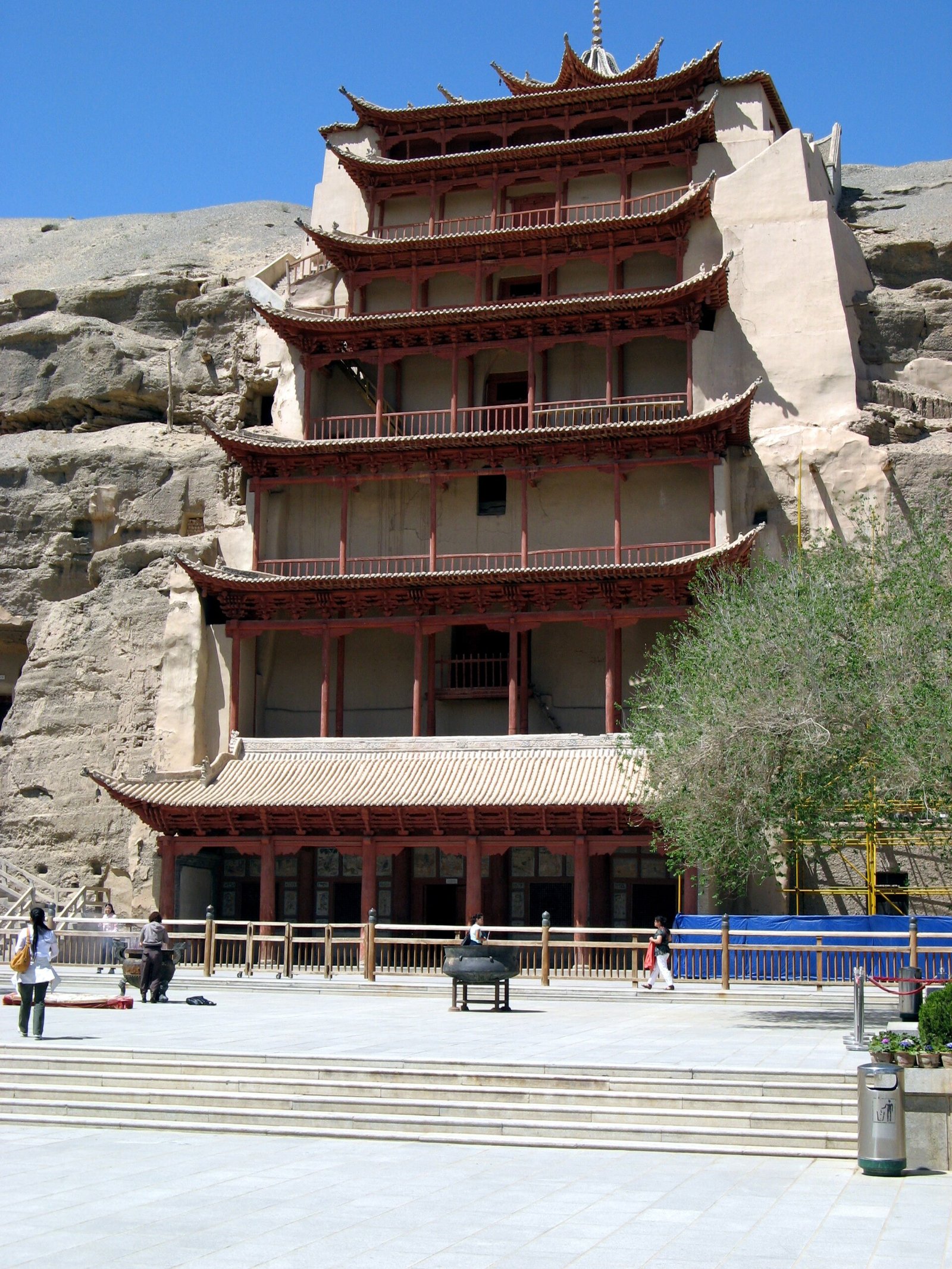
Book through the official Mogao visitor system and confirm the visit type, interpretation language, and included cave access. A ticket does not mean unrestricted entry to every cave. Follow the guide’s rules on photography and light: fragile paintings need protection. Leave time for the site’s managed visitor sequence, and do not schedule a tight onward departure immediately afterward.
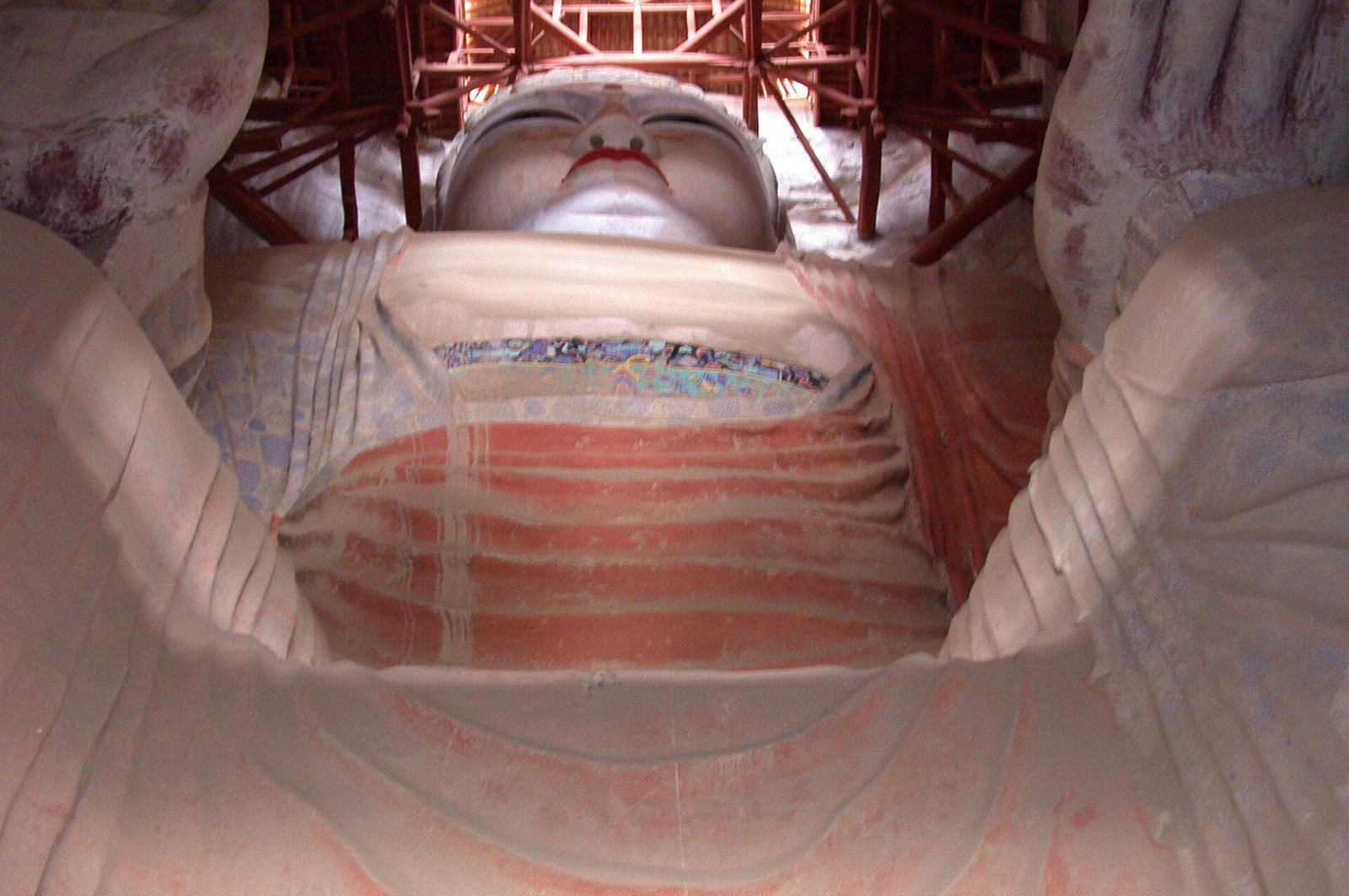
A cave is a designed religious space: sculpture, wall painting, ceiling imagery, and the position of the viewer work together. When your guide identifies a scene, also ask where it sits in the cave. Its position can tell you something that a close-up reproduction in a book cannot.
Clothing, music, and patrons along the Silk Road
Look at how an individual cave combines architecture, sculpture, and painting into a complete devotional setting. Styles change between periods, and wall scenes can contain ordinary activities alongside religious narratives. The significance comes from accumulated centuries of work, not simply from the number of caves.
Painted clothing, musical instruments, decorative patterns, and Buddhist narratives connect the caves to people moving along trade and religious networks. Works made centuries apart show differences in patronage and artistic language. A short visit cannot reveal every period, but a comparison between two selected caves can make the timespan tangible. Ask about the period and purpose of the space you are actually entering.