Food · Breakfast shops, Tainan kitchens & night markets
Taiwan Food
Discover Taiwan through braised pork rice, beef noodles, oyster omelets, neighborhood breakfasts, tea, and the distinctive small eats of Tainan.
A food day in Taiwan can start at a small breakfast shop, pause for a bowl of rice, and end with several tastes from a night market. Between those moments lie home cooking, tea, coastal ingredients, migration histories, and the food traditions of different communities. The familiar snack list is a doorway into that variety, not its limit.
Begin before the night market opens
Breakfast shops introduce an everyday rhythm that a night-market-only itinerary misses. Danbing folds egg with a thin pancake; fantuan wraps fillings in rice; shaobing and youtiao pair with soy milk. Menus vary, and some shops also serve sandwiches, noodles, or other familiar morning foods. Choose one main item first, then add a drink rather than ordering everything on a photographed menu.
Doujiang can be served warm or cold, sweet or unsweetened. Savory soy milk is a different preparation, often combining soy milk with seasonings and additions such as vinegar, fried dough, or dried shrimp. Ask what is included. The word “soy” alone does not make every version suitable for a vegetarian or for someone with a particular allergy.
A small bowl of pork rice can anchor an ordinary day
Lu rou fan pairs rice with a seasoned braised-pork topping. A typical preparation cooks chopped or diced pork gently with a soy-based seasoning until the topping and sauce come together; fried shallots and other aromatics may contribute to the flavor. The balance of fat, lean meat, sweetness, and texture varies by shop. Some bowls arrive with a braised egg or pickled vegetable, while other additions are ordered separately.
Names such as lu rou fan and kong rou fan do not always identify the same cut or portion across every city. A photograph or a question about the topping helps distinguish finely chopped pork from a larger piece of braised belly. There is no need to turn that variation into an argument over one correct island-wide recipe. A neighborhood rice bowl makes a useful lunch precisely because it belongs to ordinary daily eating.
Taiwan’s food includes influences from Fujian-linked migration, Hakka communities, Indigenous peoples, Japanese-period contacts, and later arrivals from different parts of the mainland. Those histories are not interchangeable. A shared ingredient or similar snack does not mean every household uses the same seasoning, and Indigenous food traditions should not be reduced to one tourist menu.
Beef noodles and oyster omelets reward attention to texture
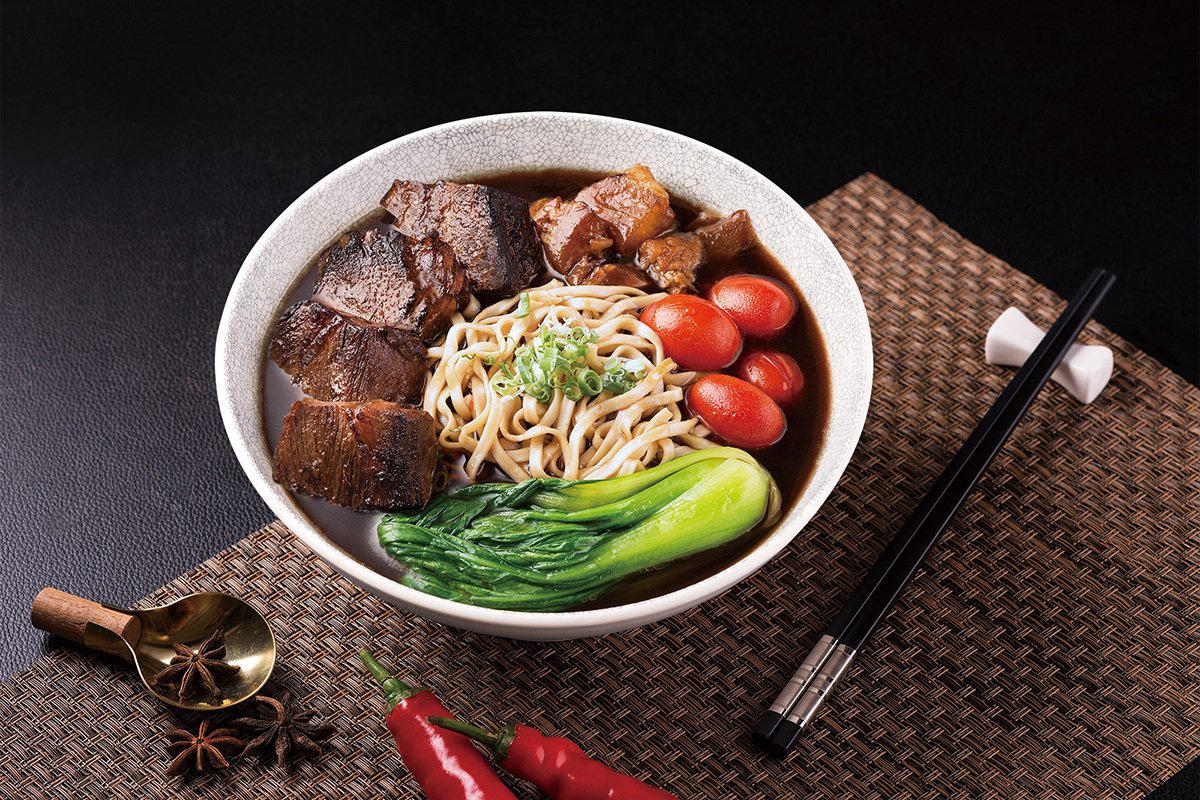
Beef noodle soup comes in different styles, including richer braised broths and clearer preparations. The kitchen usually prepares the meat and stock before cooking the noodles for an individual bowl. Noodle thickness, cut of beef, spice, and side dishes change the experience. Look for the version that appeals to you rather than assuming the darkest broth is always the most authentic.
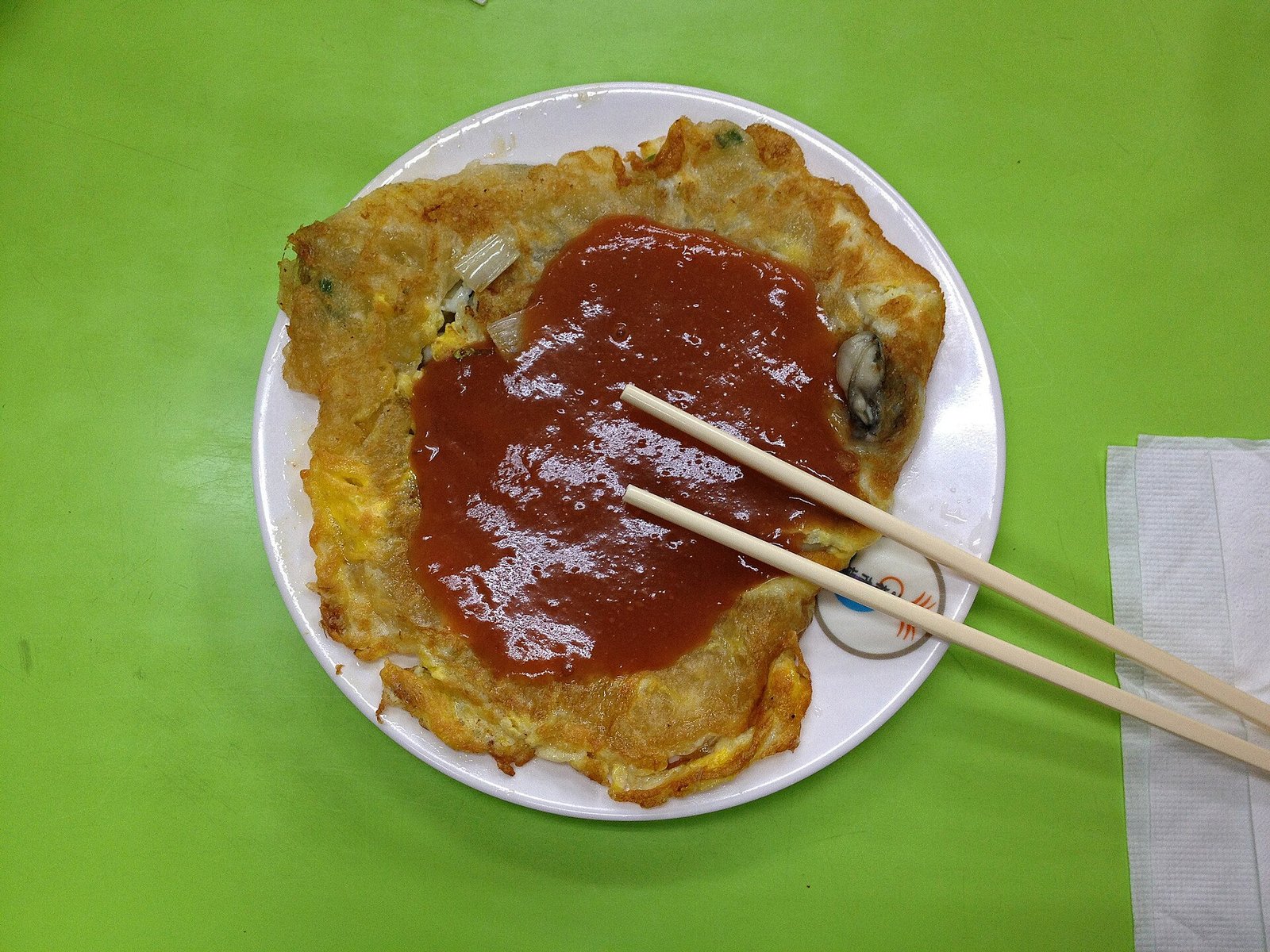
An oyster omelet combines oysters, egg, greens, and a starch mixture on a hot griddle. The starch gives it a tender, elastic texture that differs from an ordinary egg omelet, and a finishing sauce adds another layer. The sweetness and consistency of that sauce vary. It is a good example of how texture can matter as much as the headline ingredient.
Tainan makes the small meal a subject of its own
Tainan’s food is best explored through several modest stops, with time to walk between them. Danzai noodles are usually a small bowl, bringing noodles, broth, and a savory topping together rather than trying to become an entire banquet. Their history is connected with portable noodle-selling and the city’s snack culture. They invite you to notice what a few ingredients and a practiced hand can do.
Milkfish appears in soup, congee, and other preparations. Ask whether a portion has been deboned instead of assuming that a smooth-looking bowl has no bones. Tainan-style beef soup and savory steamed rice puddings offer other local directions, and neighborhood counters may specialize in just a small selection. These foods are part of normal city life, not dishes reserved for a visitor’s night-market tour.
For a manageable food walk, choose one small noodle or rice dish, one soup or another savory item, then leave room for a sweet stop. Check a shop’s opening hours for the day you visit; some businesses sell breakfast or lunch and finish before evening. A city’s famous food should not be treated as a guarantee that every stall has the same dish at all times.
Tea, a cold drink, or a sweet bowl can change the pace
Taiwan’s tea traditions include oolong and other teas with differences in growing conditions, processing, and roasting. A tea shop tasting can introduce those differences, while a street-side drink shop offers another experience entirely. Pearl milk tea brings tea, milk or a milk substitute, sweetness, and chewy tapioca pearls together. Ask about sugar, ice, and the size before paying; menu terms and available choices vary.
Douhua is soft tofu served as a dessert, often with syrup and optional toppings. Shaved ice, grass jelly, and taro-based sweets give other textures and ways to pause in warmer weather. A large dessert may be intended for sharing. Check whether milk, peanuts, or other ingredients are included instead of judging from the base alone.
Use the night market for variety, not as the whole definition
Pepper buns, gua bao, fried chicken, oyster noodles, and many other snacks can turn a night market into a lively sequence of small purchases. Gua bao usually folds a steamed bun around braised pork with additional condiments; a filling may include peanut powder or pickled greens. Pepper buns enclose a meat-and-aromatic filling in baked dough. These are examples to recognize, not a promise that every market contains every classic.
Order one or two items at a time, confirm the portion and price, and find a suitable place to eat without blocking a queue or doorway. Very hot fillings need time to cool. Ask vendors about an ingredient you need to avoid; a translated name does not reveal a sauce, stock, or shared cooking surface. Keep cash as a practical backup because payment acceptance differs between vendors.
Prices in Taiwan are normally quoted in New Taiwan dollars, often written NT$. Confirm the currency and portion when reading a menu. Ask the vendor which payment methods are accepted instead of assuming that a wallet or code used elsewhere will work at every stall.
Food communities and cities remain distinct even when their best-known snacks travel. Taipei, Tainan, smaller towns, and coastal areas offer different settings; Hakka or Indigenous food experiences deserve their own local context and respectful hosts. Combine the energetic evening with a breakfast, a simple daytime meal, or a tea stop. That gives Taiwan’s food enough space to feel like lived experience rather than a checklist.