Travel Tips · Everyday comfort
Find a Restroom Before You Need It
Look for public-restroom signs or ask at a visitor information desk. Carry tissues, and check ahead if you need a seated or accessible toilet.
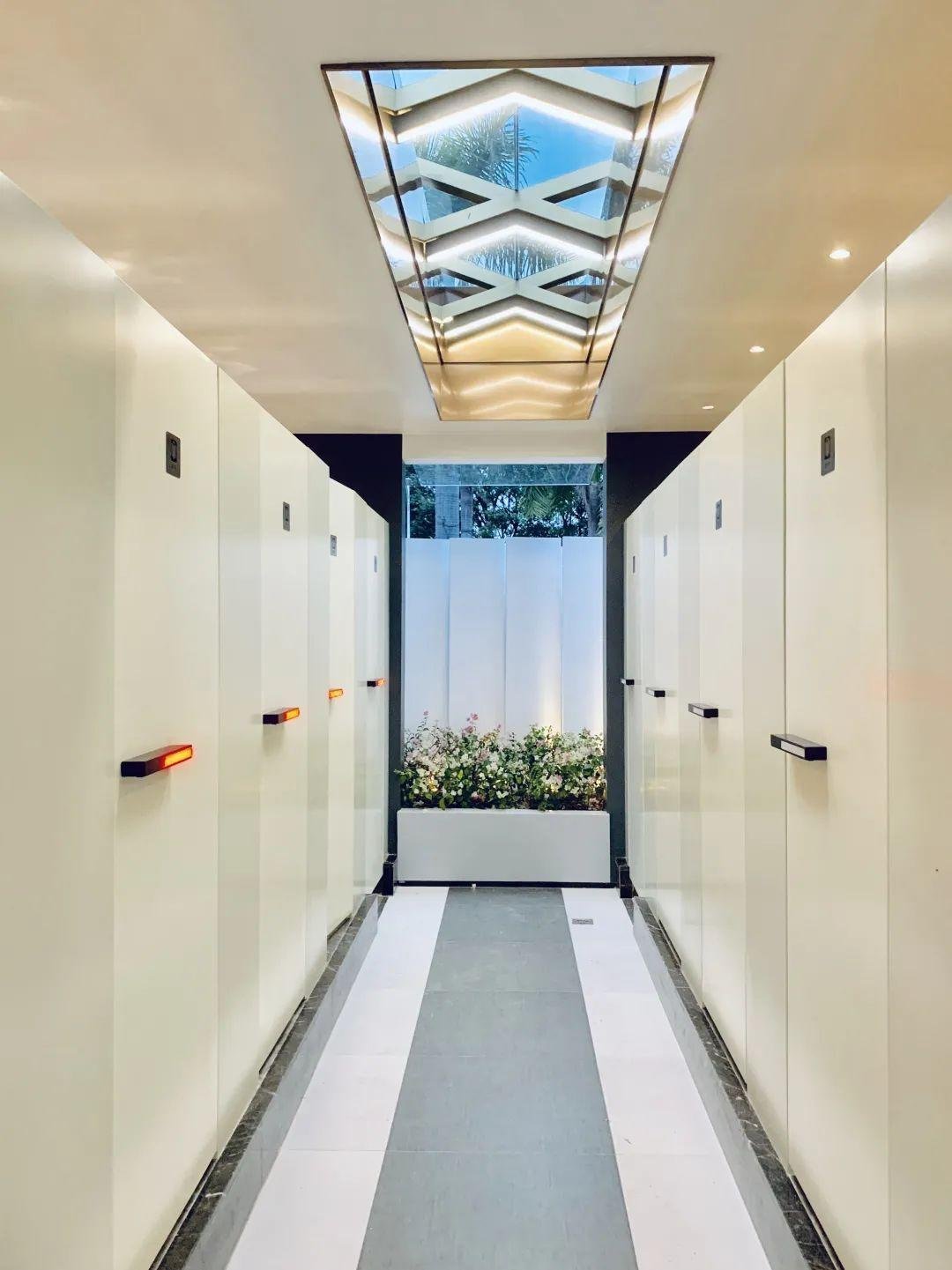
Look for 厕所 or 卫生间 on signs, or search those words in Amap. Shopping malls, larger stations, visitor centers, and museums can be useful stops, but check the actual opening hours and access. A toilet inside a ticketed venue is not necessarily available from the street.
Search, then check the details that matter
Use the map to find a nearby 公共厕所, a public toilet, and confirm the route. Ask staff “洗手间在哪里?”—“Where is the restroom?” At a large attraction, open its visitor map before beginning a long route. A facility marker can be far from the viewpoint where you later need it.
Shanghai has published its own restroom-finding services; those tools are city-specific. Elsewhere, local map search and staff advice may be the practical combination. A sign does not establish that every cubicle is seated or that the facility has paper and soap.
What to carry and what to ask
Carry tissues and a small hand-cleaning supply. Follow posted instructions about paper disposal. Seated toilets are often described as 马桶 or 坐便器, while a squatting pan is a 蹲厕. Ask about the type you need before a long journey if it affects your comfort or access.
For a wheelchair or mobility requirement, ask for an accessible toilet—无障碍卫生间—and confirm its location and usable layout. A general restroom symbol cannot establish the door width, turning space, grab rails, or step-free path. Ask the venue for concrete information.
Put one stop into the plan
Use a suitable facility before a long bus ride, rural walk, or excursion whose next stop is uncertain. Families can make that stop part of the route rather than interrupting the visit with an urgent search. Keep the location saved offline when reliable access matters. A short planned pause is often the simplest preparation you can make.
Practical guidance reviewed 12 October 2026. Confirm current rules, opening arrangements, and availability with the relevant authority or provider before travel.
← Back to Travel Tips