Start Planning · Province & region guide
Zhejiang: A Lake City, Tea Hills, and Waterways Beyond Hangzhou
Zhejiang's familiar images—West Lake, tea leaves, and canal houses—belong to a wider landscape of commercial cities, coastal ports, and mountain communities. A first visit can begin in Hangzhou without ending there.
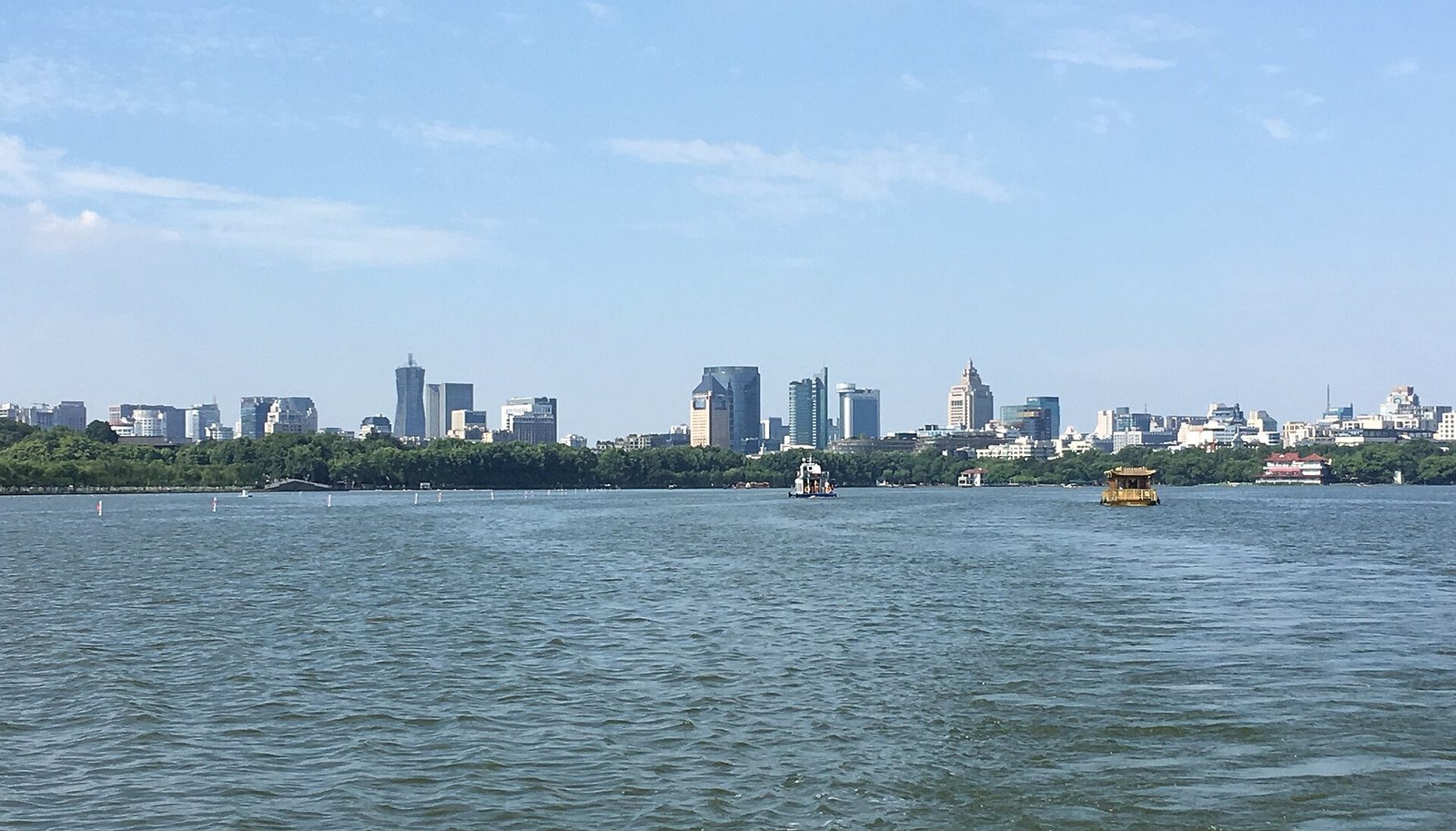
Hangzhou is the provincial capital and a former Southern Song capital. Its history of trade, craft, religion, and landscape-making remains visible in places that are also busy contemporary leisure spaces. Give the city several different kinds of time: a lakeside walk, a temple visit, and a slower journey into the tea hills.
West Lake: choose a shore and walk it
West Lake is a cultural landscape shaped by causeways, gardens, temples, viewpoints, and literary memory. It is not a remote natural lake untouched by human work. The Su and Bai causeways create different walks, while lake-edge parks allow shorter routes and breaks. Boat services offer another perspective when operating, but a good visit does not require a complete circuit or every named view.
The lake changes with rain, season, and time of day. Mist can make distant hills subtle rather than simply hiding the attraction. Crowded holiday afternoons feel different from early walks. Pair one shoreline section with a nearby neighborhood instead of planning an exhausting tour of all the lake's edges.
Lingyin and the rocks around it
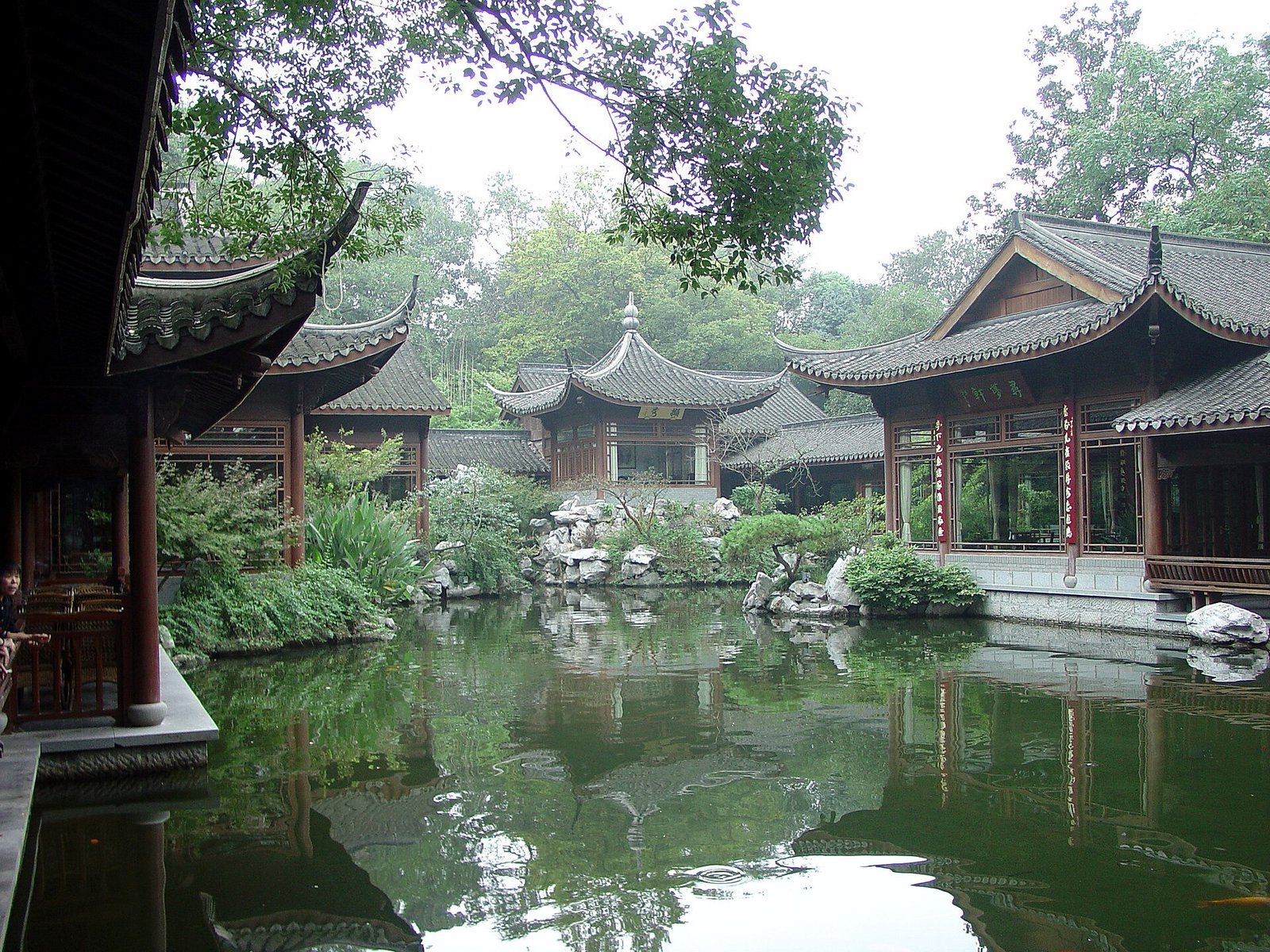
Lingyin Temple lies in a wooded setting west of the city center. The active Buddhist temple and the Feilai Feng carvings introduce different experiences within the wider scenic area. Check the current ticket arrangement, since access to the surrounding area and the temple itself may be handled separately. Allow time for both the carved figures and the halls, with respectful behavior around worship.
The China National Tea Museum and nearby tea-growing districts provide another useful cultural introduction. Longjing tea fields around places such as Longjing village and Meijiawu are working landscapes. Spring picking is seasonal, and public paths do not authorize entering any field. A genuine visit can explain leaf selection, pan-firing, and tasting; clarify whether an advertised experience is a farm visit, a workshop, or simply a sales stop.
Wuzhen is a managed water town with its own pace
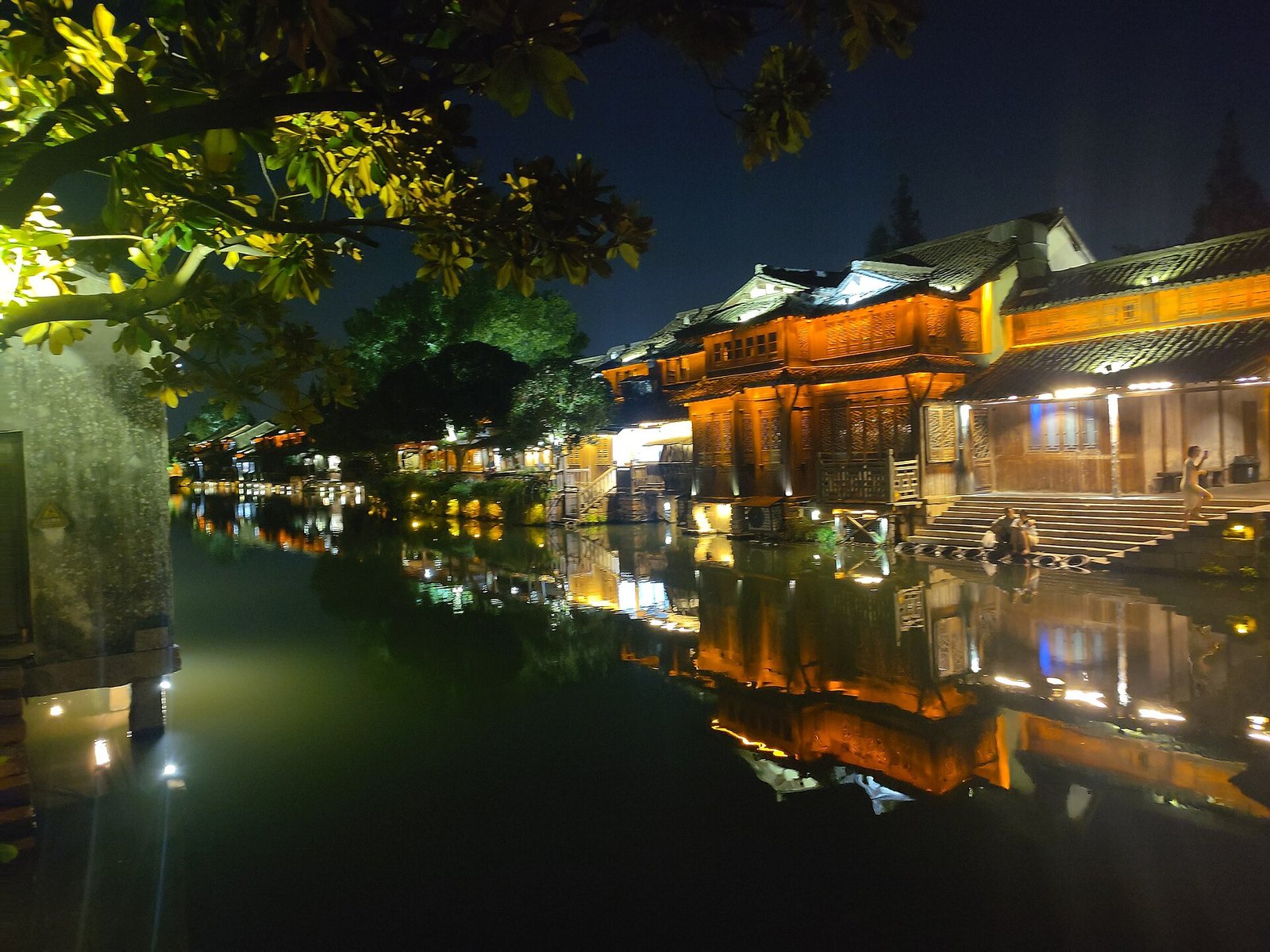
Wuzhen Water Town contains distinct visitor areas, notably Dongzha and Xizha, with different accommodation and evening arrangements. Its waterways, bridges, restored streets, and craft displays make an attractive slower stay, but substantial management and tourism shape the experience. A night visit should not be described as stepping into a town unchanged for centuries.
Choose the area and ticket that suit your plan and check whether accommodation includes particular entry rights. Boats, museums, and performances may have separate schedules. Nearby Nanxun offers another water-town option with a different built heritage. One well-chosen town is often enough for a short route; several similar canal stops can blur together.
The rest of Zhejiang adds different histories
Shaoxing is associated with canals, rice wine, writers, and local cultural life. Historic houses and interpretation around Lu Xun can give a visit literary depth, while ordinary waterside streets make it enjoyable without a formal museum itinerary. Rice-wine tasting is optional; its place in cooking and commerce is interesting even if you do not drink.
Ningbo introduces maritime trade and scholarship, including the historic Tianyi Pavilion library. The Zhoushan islands bring a separate coastal route, with Putuoshan important as a Buddhist pilgrimage destination. Boats and island access depend on weather. Farther inland, villages and mountain landscapes in Lishui offer a different setting. These are alternatives for a longer trip, not destinations all reachable from West Lake before dinner.
Delicate flavors, with more variety than the label suggests
Longjing shrimp pairs shelled shrimp with tea, while Hangzhou dishes may include slow-braised Dongpo pork and lake-associated preparations. Shaoxing uses rice wine and preserved ingredients in distinctive ways; Ningbo brings seafood and other local traditions. A famous dish name does not guarantee consistent quality, so choose a restaurant with clear ingredients and prices rather than only a photogenic menu.
Silk, tea, opera, literature, and entrepreneurial traditions weave through Zhejiang's cultural life. A silk workshop in Hangzhou, a tea-grower's explanation of processing, or a market conversation gives these broad themes a human scale. Leave time for a neighborhood meal and smaller streets alongside the celebrated lakes and heritage sites.
Summers are hot, humid, and rainy; winters can be damp and chilly; coastal storms can disrupt island travel. Spring tea season and blossoms attract visitors, while autumn often favors longer walks. A balanced first route gives Hangzhou enough time, chooses one water town, and adds Shaoxing or Ningbo only if you want its particular story. The province is most compelling when lake, work, and urban life remain connected.