Start Planning · Regional travel guide
Shanghai: The Skyline Is Only the First Conversation
Shanghai's two riverbanks make a memorable introduction, but the city becomes more interesting when you move from the skyline into gardens, lane neighborhoods, museums, and ordinary breakfast shops.
Shanghai is a municipality, with a dense central city and extensive suburban districts. It is not simply one glamorous waterfront. A useful first plan groups nearby sights, gives museums time, and leaves at least one interval for a neighborhood walk without a major attraction at the end.
Face the river from both sides
The Bund's early twentieth-century buildings introduce the commercial and financial city of the treaty-port era. Their varied facades tell a story of banks, companies, and architectural ambition, while the present promenade is an intensely modern public space. Read a few buildings closely rather than walking only far enough to take the opposite skyline photograph.
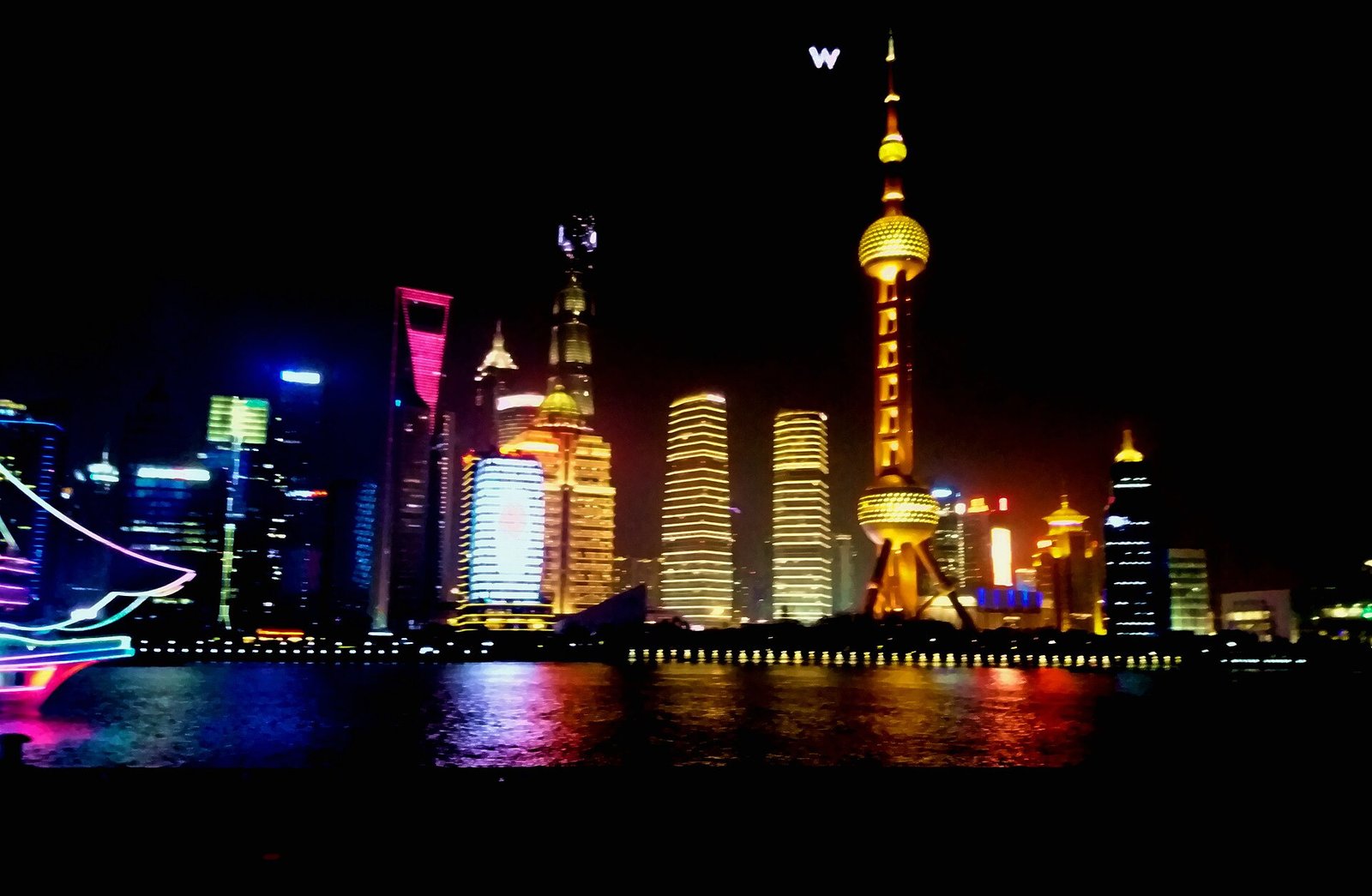
Across the Huangpu, Lujiazui's towers offer another stage of development. The Oriental Pearl Tower is one of its most recognizable landmarks, with visitor facilities and observation options; neighboring skyscrapers provide different elevated experiences. Choose one viewpoint based on the actual view, ticket, and weather rather than paying to ascend several buildings in succession. River ferries and tourist cruises are different services with different routes and boarding points.
Evening lights can be attractive, but do not assume every building follows a fixed illumination schedule. A daytime river walk reveals details that vanish in a distant night skyline. Central river views and a suburban water-town visit should not be squeezed together merely because both involve water.
Yu Garden and the commercial streets around it
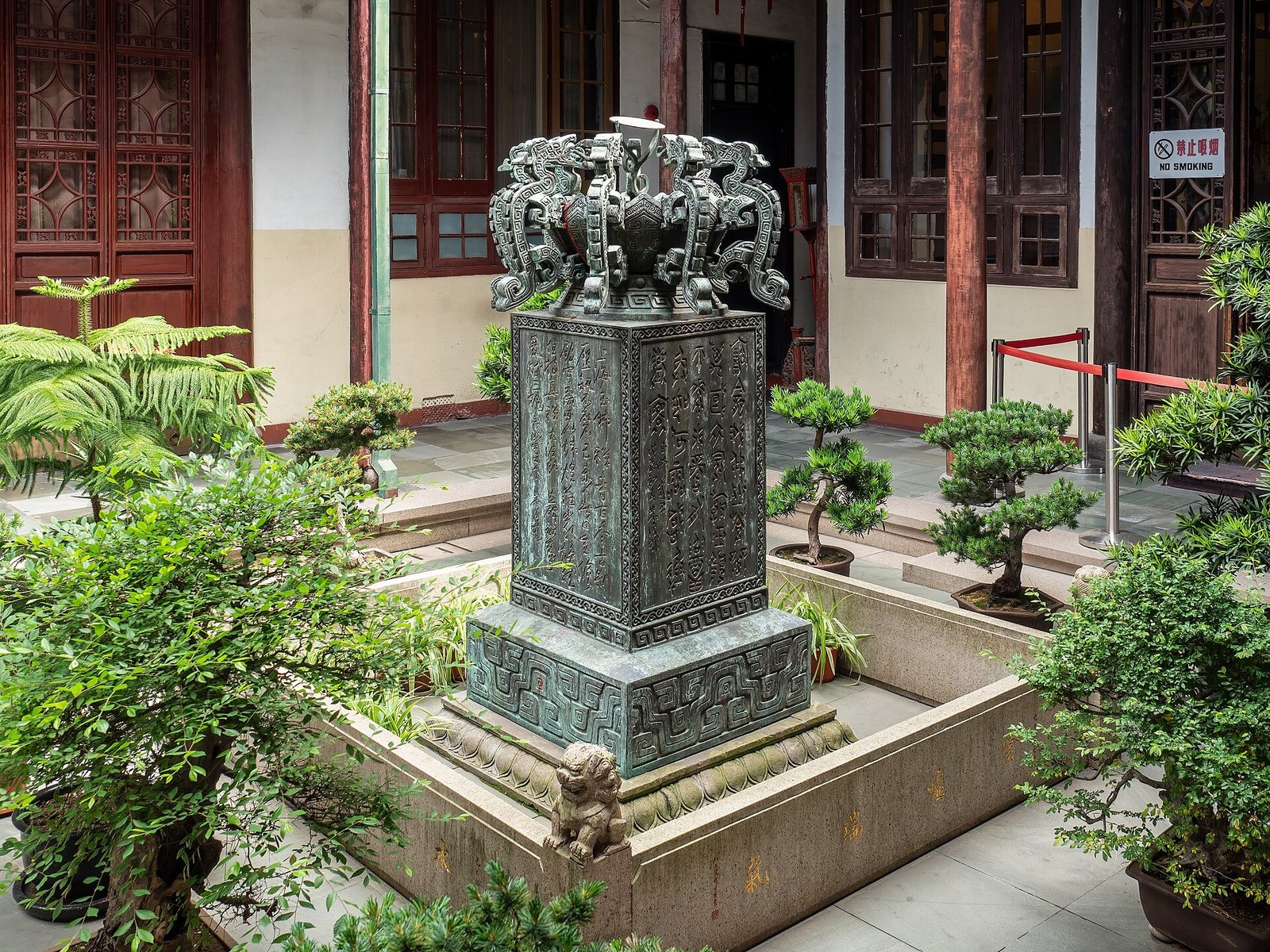
Yu Garden introduces a traditional garden setting within the old-city area, with rockwork, halls, water, and carefully arranged views. The surrounding bazaar and reconstructed-style commercial buildings have a different role. Garden admission and walking around the shopping area are not the same visit. Allow time inside if you want to understand the spatial composition rather than just photograph a busy bridge outside.
The nearby streets mix tourism, longstanding businesses, restoration, and ordinary city life. Respect residential doorways and do not describe every traditional-looking facade as an unchanged Ming building. Local historical interpretation helps separate the garden's origins from later repairs and neighborhood development.
Former French Concession: read a neighborhood, not a costume
The Former French Concession is a historical district label covering an extensive area. Tree-lined streets, villas, apartment buildings, lane housing, cafes, and institutions offer varied walks. Wukang Road and the well-known Wukang Building are popular starting points, but crowded corners are only one part of the neighborhood.
Shikumen lane houses developed a distinctive urban form combining shared lanes with enclosed domestic entrances. Some areas, such as Xintiandi, have been extensively adapted for commercial use; others remain residential. Look from public space and keep noise and photography considerate. The attraction is not that the city looks European, but that its architecture records different forms of contact, settlement, and adaptation.
Museums and temples make a different Shanghai
Shanghai Museum's sites introduce Chinese art and regional collections, with current exhibitions determining what is available; verify which location houses the material you want. Art districts and galleries add contemporary work, while the city's maritime, industrial, and Jewish-refugee histories offer more focused museum routes. Choose a subject rather than attending every institution with a famous name.
Jade Buddha Temple is an active Buddhist institution embedded in a modern urban setting. Its halls and devotional practices contrast with the corporate towers without belonging to a different century of everyday life. Follow hall-specific visitor and photography rules. The juxtaposition of a temple and neighboring buildings is part of contemporary Shanghai, not an error in the historical picture.
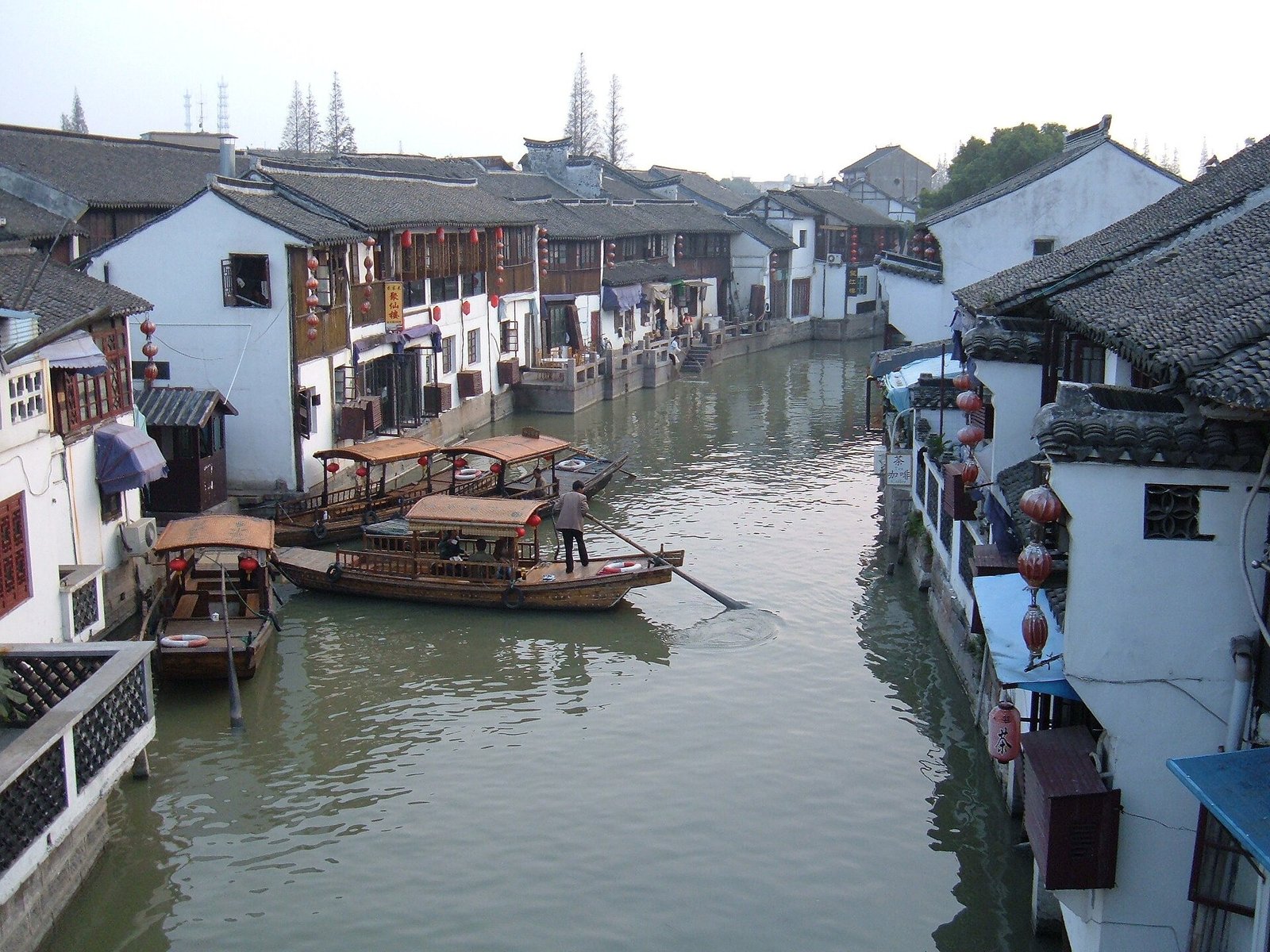
Zhujiajiao Water Town in the western suburbs provides canals, bridges, and old-town streets on a separate excursion. It is a developed visitor destination and a living town, with travel time from the center. An overnight or a full unhurried outing can be more enjoyable than adding it to a morning at the Bund and an afternoon museum marathon.
Breakfast is a good way into the city
Shengjianbao offer pan-fried buns with a juicy filling; take the first bite carefully because hot liquid may escape. Scallion-oil noodles, rice rolls, wontons, and other breakfasts introduce a less ceremonial food culture. Shanghai home-style cooking can feature braised pork, seasonal vegetables, and river or seafood dishes, while migrants have added cuisines from across China. The city is not defined by a single sweet flavor profile.
Shanghai's commercial energy, local dialect, artistic life, and international connections are easier to notice when you slow down between landmarks. Watch residents using a neighborhood park, browse a market, or linger over breakfast in a lane. These ordinary settings add another dimension to the museums, riverfront, and high-rise views.
Summers are hot and humid with rain and possible storm disruption; winters are often chilly and damp. Spring and autumn usually suit longer walks, with weather still variable. Use the metro and specific station exits, reserve major museum visits when required, and build days around districts. The skyline is a striking first image; the layers behind it make the city worth staying in.