Start Planning · Province & region guide
Guangdong: Cantonese Tables, Trading Cities, and Migrant Horizons
Guangdong's modern towers and older courtyards are connected by movement: river commerce, overseas migration, manufacturing, and people arriving to build new urban lives. Food provides a particularly enjoyable way to begin that story.
Guangzhou is the provincial capital, Shenzhen is a major contemporary metropolis, and other areas bring distinct Cantonese, Hakka, and Chaoshan cultural settings. A first Pearl River Delta route can connect Guangzhou and Shenzhen, while Kaiping or another focused extension adds a different historical landscape.
Guangzhou: climb once, then return to street level
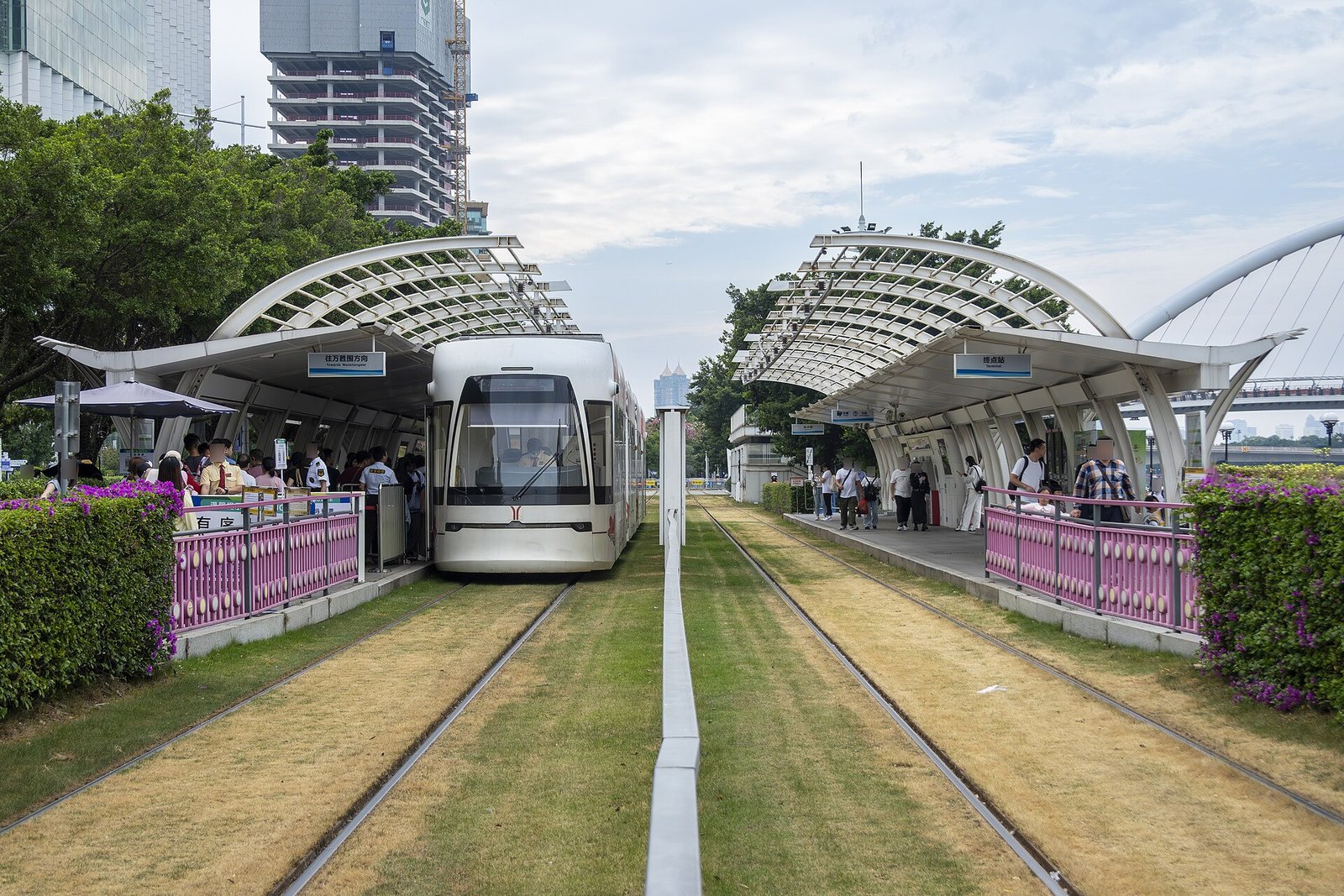
Canton Tower rises beside the Pearl River as a highly recognizable modern landmark. Observation and activity tickets can cover different areas, so choose according to the actual experience you want. A riverside walk or the nearby tram route offers another way to see the tower without making the whole visit depend on an elevated attraction.
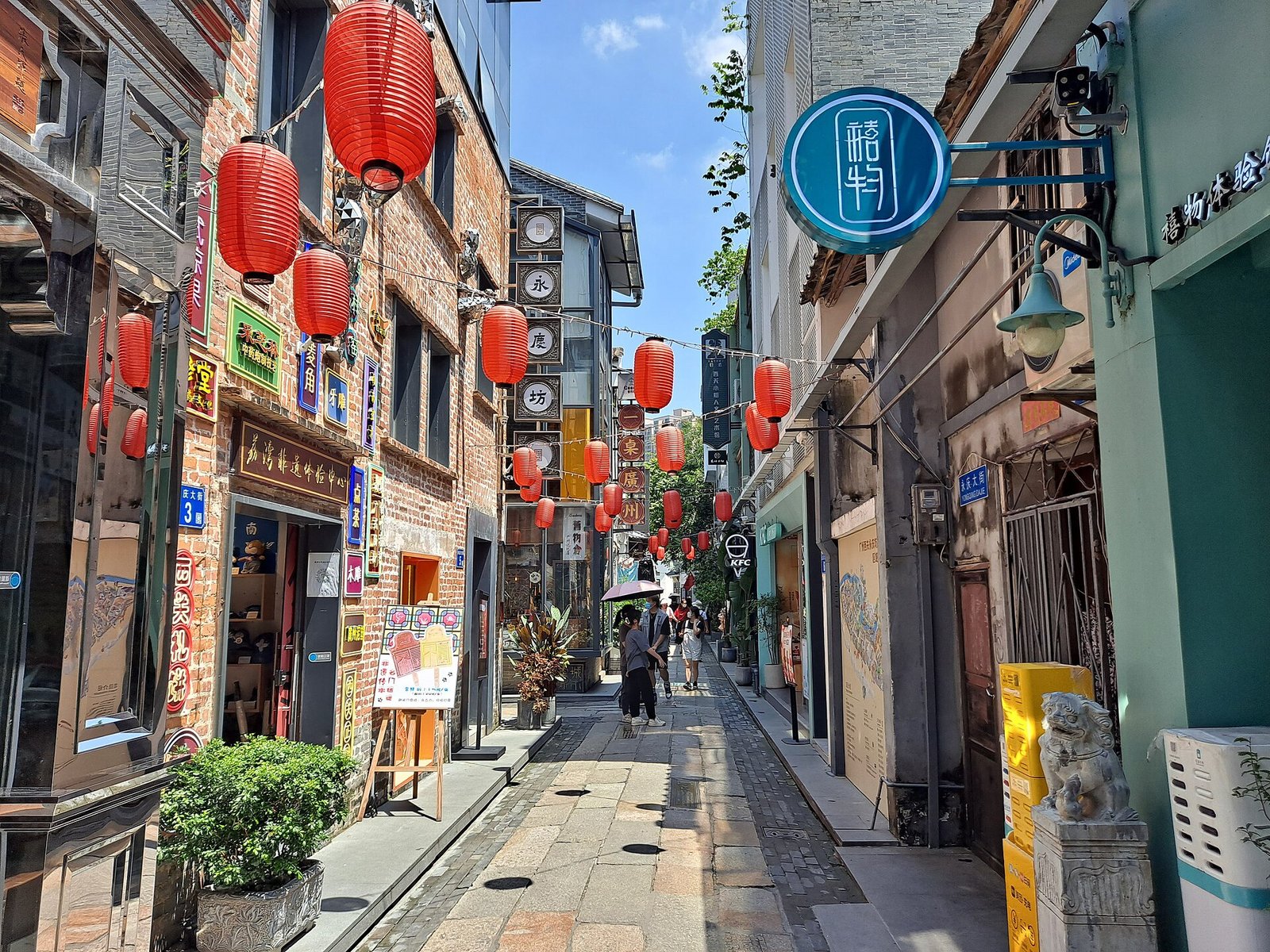
The Chen Clan Ancestral Hall introduces late Qing architecture and rich decorative crafts. Carved wood, ceramics, brickwork, and other details make a closer look more rewarding than a brief exterior photograph. Shamian's historical buildings bring a different chapter of trade and foreign presence, while Yongqing Fang combines restored streets, cultural businesses, and local history. Its Bruce Lee-associated ancestral home adds a particular family and martial-arts connection; a commercial Wing Chun demonstration is a separate modern experience.
Guangzhou's older urban neighborhoods and modern business districts belong to one city. Do not treat restored visitor streets as the sole place to find local life. A market, ordinary restaurant, or evening park can provide a more everyday encounter.
Guangzhou dim sum is a meal with a social rhythm
Guangzhou dim sum is associated with yum cha: tea and small shared dishes, often enjoyed with unhurried conversation. Har gow shrimp dumplings, siu mai, rice rolls, buns, and steamed or fried items create a varied table. Ordering methods differ, from paper forms to digital menus; ask how a particular restaurant works instead of expecting traditional carts everywhere.
Tea charges and table arrangements may be separate from individual dish prices. Order a small selection and add more, especially if traveling as a pair. Cantonese cuisine also includes soups, steamed fish, roast meats, seasonal vegetables, and many other preparations. Its interest lies in ingredients and technique, not a blanket claim that every dish is mild or never uses chili.
Shenzhen: a skyline built by newcomers
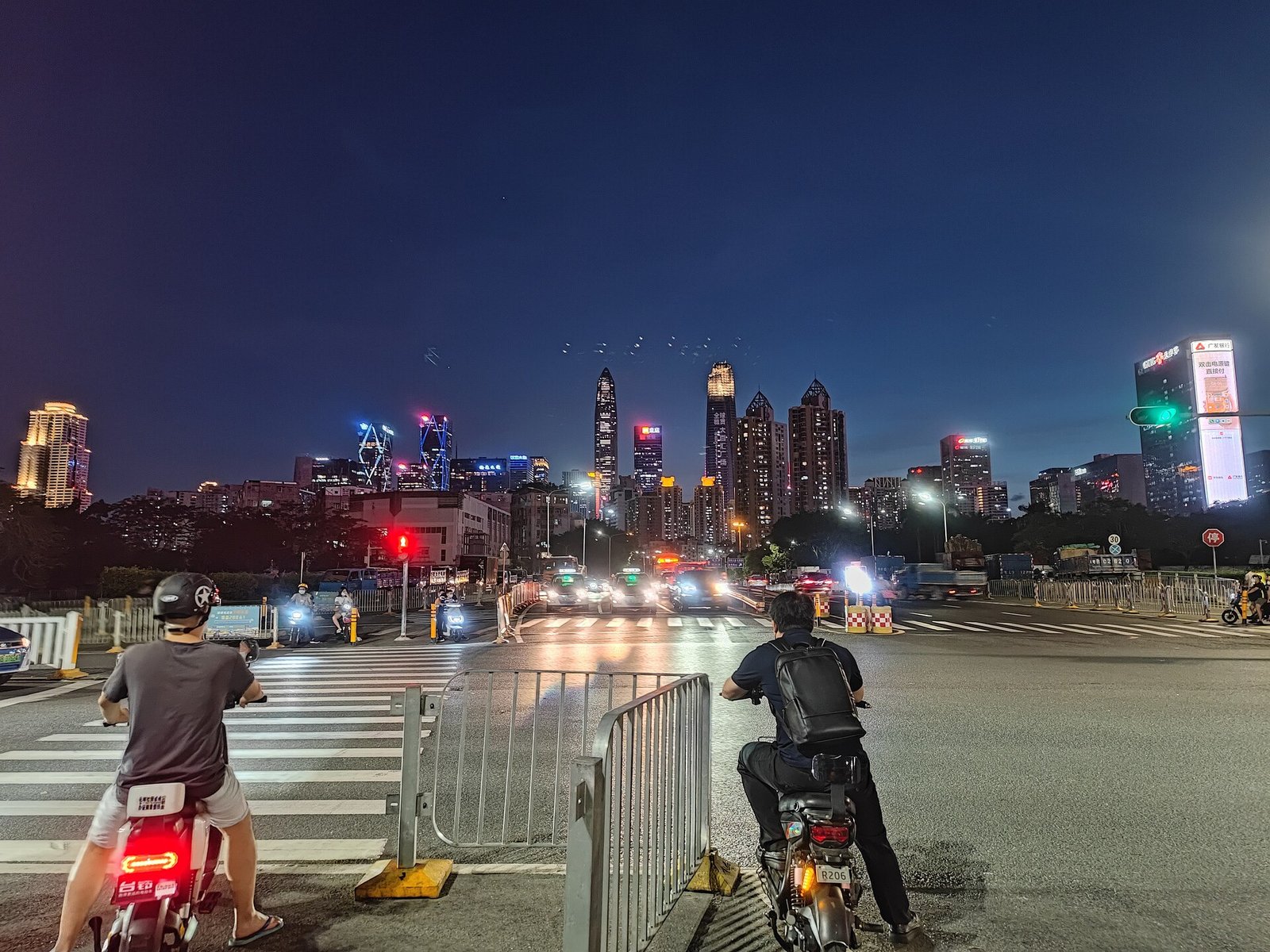
The Shenzhen skyline introduces the speed and scale of the city's growth after its designation as a special economic zone. Futian and Nanshan offer different modern urban landscapes, with parks and waterfront areas providing breathing space. Lianhuashan Park is a useful city viewpoint, while Shenzhen Bay's walking areas reveal the city from a less crowded perspective. Confirm the actual access route and weather for an evening outing.
Nantou Ancient City adds a much older layer inside the metropolis. Its restored and adapted streets show how history is incorporated into contemporary urban life. Creative districts and museums offer further alternatives to spending an entire day in shopping malls. Shenzhen's population includes people from across the country, so its food and social life cannot be reduced to one inherited local style.
Kaiping's towers make sense through migration
Kaiping Diaolou are fortified tower houses and related buildings in rural communities west of the central delta. Their architecture combines local building needs with influences brought through overseas connections. Visiting a named cluster, such as Zili village, gives the towers a setting among houses, fields, and family histories. They are not simply eccentric monuments built for display.
A guide can explain the relationships between security, remittances, status, and domestic life. Different clusters have separate travel and admission arrangements; choose a coherent route and respect homes and private spaces. The surrounding village landscape is part of the story, not just a foreground for the tallest building.
When another Guangdong calls
Chaozhou and Shantou introduce Chaoshan food, gongfu tea, distinctive language traditions, and maritime connections. Chaozhou's Guangji Bridge and old-city streets offer a strong historical visit. Meizhou and nearby areas add Hakka cultural settings and residential architecture. Foshan provides another route through craft, temples, and martial-arts associations. Each deserves its own time rather than being treated as an interchangeable side trip.
Chaoshan beef hotpot, braised foods, and local snacks differ from Guangzhou's dim sum; Hakka-associated stuffed tofu and other dishes introduce another table. Ask which regional tradition a restaurant represents. Tea hospitality can be a meaningful encounter, but an invitation is personal, not a performance tourists can demand.
Guangdong's summers are hot, humid, and rainy, with typhoons capable of disrupting coastal transport. Winters are generally milder than northern China but can still be cool and damp. Late autumn and winter often suit city walks, while any boat or coastal outing needs current weather checks. A focused delta route plus one historical or culinary extension reveals a province with several identities and many routes into them.
Cantonese
Use Guangzhou’s tea-and-dim-sum meals, craft details, and older trading neighborhoods as an introduction.
Chaoshan
Explore Chaozhou or Shantou for gongfu tea, local language traditions, and a different food route.
Hakka
A focused Meizhou-area journey can introduce distinct residential traditions and meals, including stuffed tofu.