Start Planning · Province & region guide
Yunnan: Choose a Valley, Then Discover a Different World
Yunnan is often described through its diversity, but that word becomes useful only when you choose a route. Dali, Lijiang, Shangri-La, Kunming, and the southern valleys offer different elevations, communities, foods, and seasons.
Kunming is the provincial capital and an important transport hub. The northwestern route through Dali and Lijiang is a popular first journey, but southeastern rice terraces and tropical Xishuangbanna are separate alternatives. Trying to include all of them can turn a rich province into a succession of airports.
Dali: put the lake beside the town
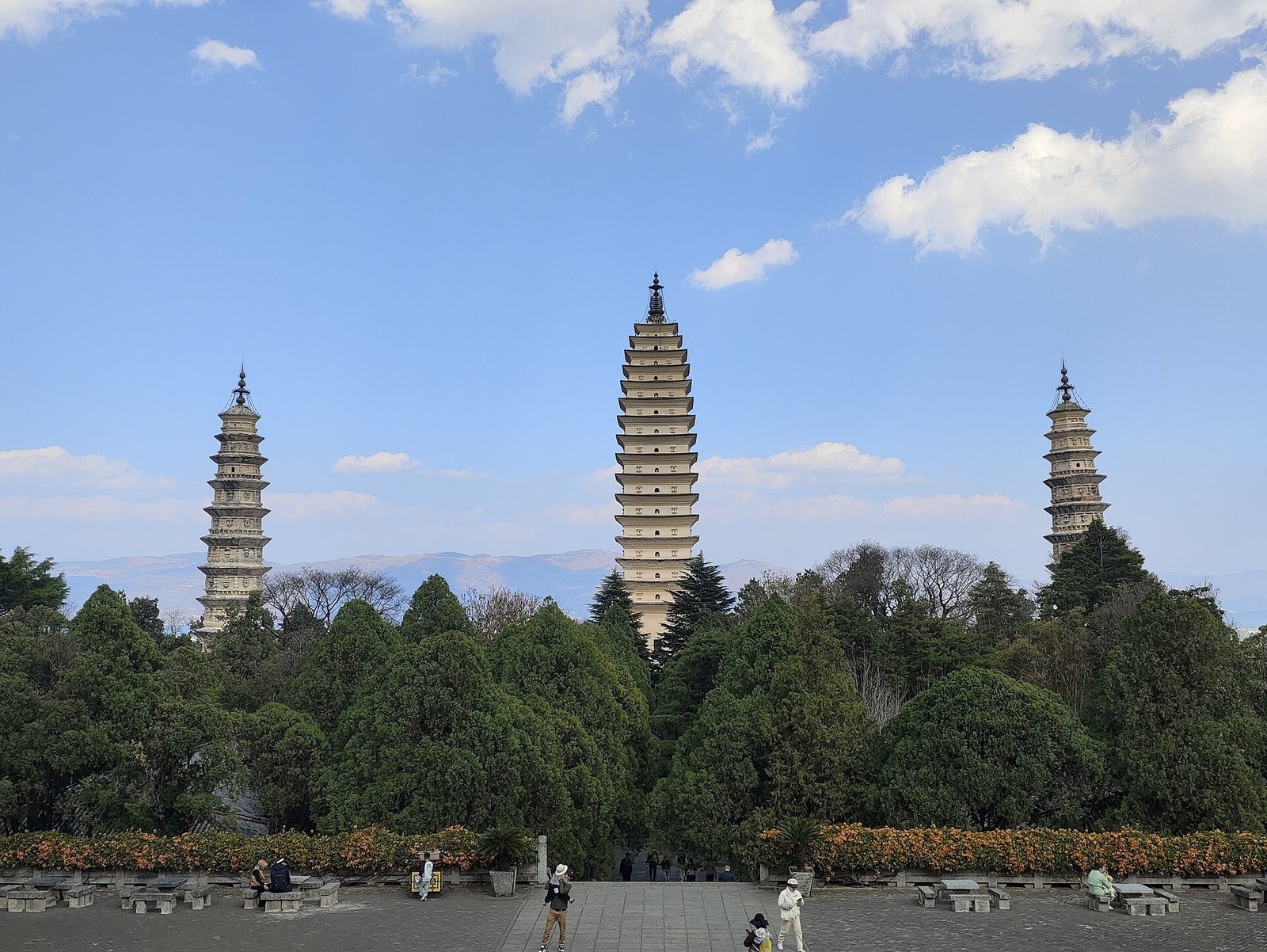
Dali Erhai Lake lies between mountains and a settled plain with villages, farmland, and rapidly developed visitor areas. Use permitted lakeside paths and choose a manageable section for walking or cycling. The whole shoreline is not one compact recreational loop. Dali's old town and the Three Pagodas introduce a deeper history connected with the Nanzhao and Dali kingdoms.
Xizhou is a valuable nearby extension for Bai residential architecture and everyday markets. Look at decorative gateways and courtyards with a little explanation of family and local traditions. Some houses are visitor businesses, others are private homes. The distinction matters more than whether the facade is photogenic. A morning spent in one town is often more revealing than hopping between several reconstructed shopping lanes.
Lijiang's water channels lead into Naxi history
Lijiang Old Town, especially Dayan, is known for lanes, canals, and a historic urban pattern. It is also a major tourist center with busy restaurants and nightlife. Early walks and visits to museums or legitimate cultural institutions help move beyond the commercial surface. Naxi culture includes Dongba religious and writing traditions; a painted symbol sold as a souvenir is only a small part of that knowledge.
Baisha offers a different village setting and historic murals, while Jade Dragon Snow Mountain introduces high-elevation scenery. Cableways do not remove altitude concerns, and access depends on conditions and tickets. Tiger Leaping Gorge is a separate landscape of dramatic river and mountains. Its high walking route requires fitness, suitable weather, and attention to trail conditions; viewing the gorge from a managed lower area is a different experience.
Shangri-La is not simply Lijiang at a higher altitude
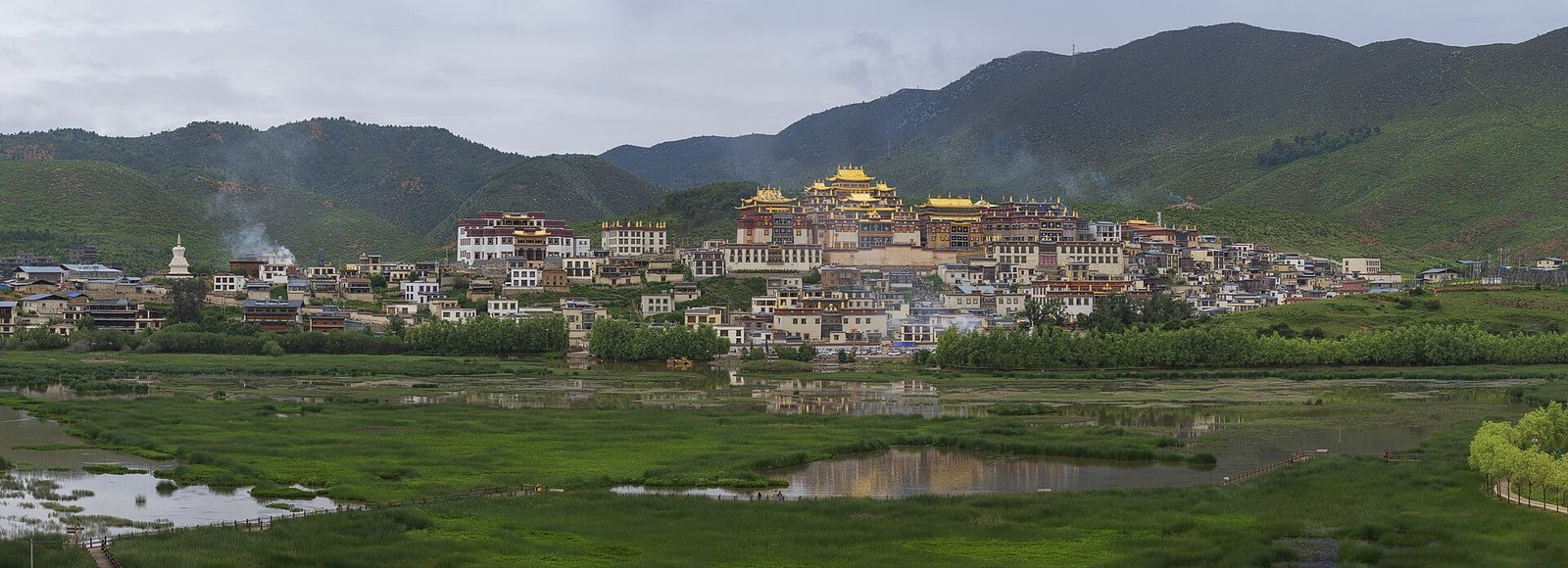
Shangri-La lies in a Tibetan cultural area, with Songzanlin Monastery, Dukezong's rebuilt and surviving urban fabric, and surrounding plateau landscapes. The monastery is active religious space, so follow hall-specific rules and treat worshippers respectfully. The town's name has a tourism history; it should not encourage claims that the area is a timeless paradise without contemporary life.
Travel upward gradually and allow an easier arrival day. Nearby nature destinations have their own transport and access systems. A photograph of a meadow with a monastery does not mean every attraction is close enough for a short walk from town.
Kunming's stone and the journeys beyond
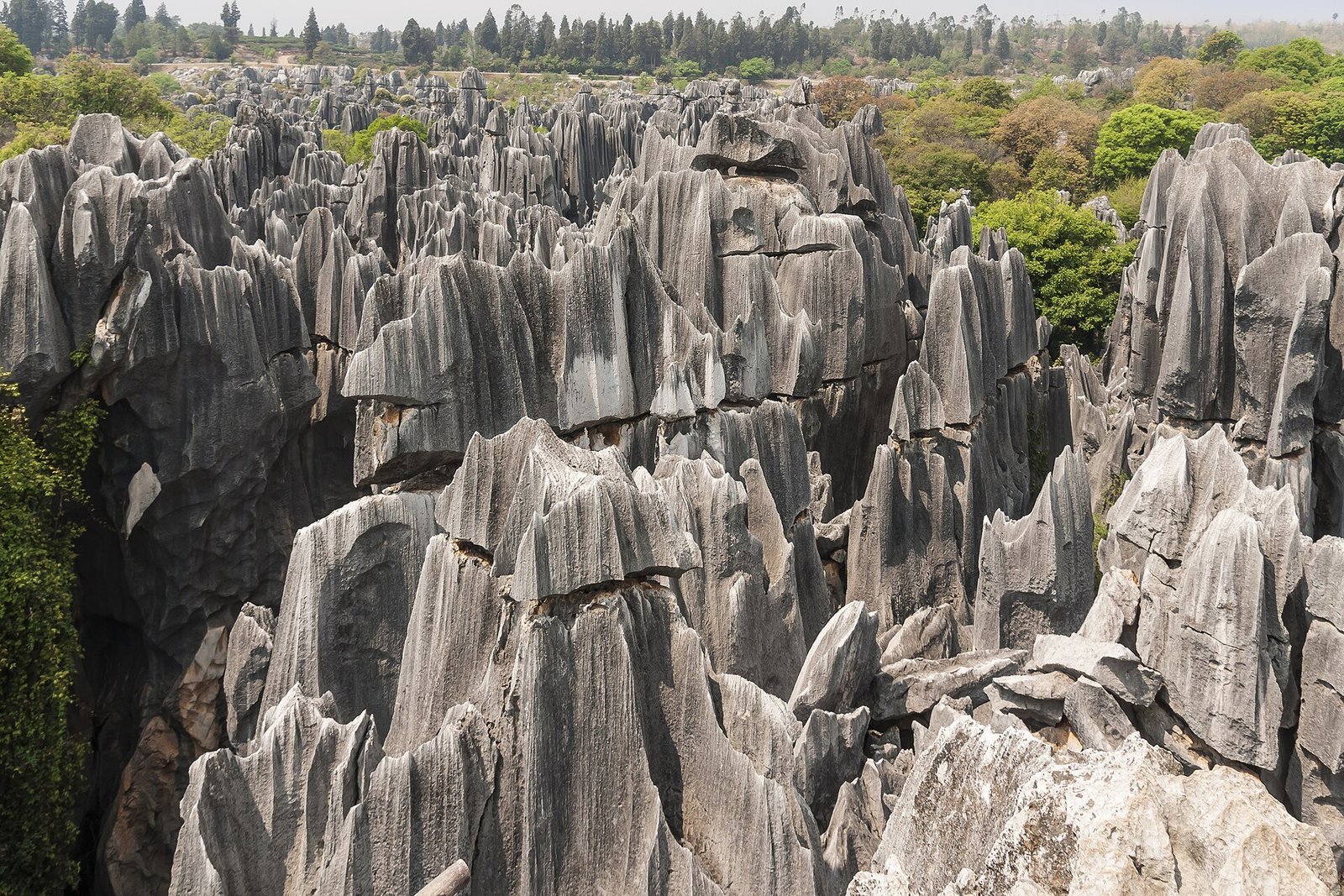
The Stone Forest, or Shilin, southeast of Kunming, offers limestone formations that create enclosed paths and dramatic vertical shapes. It is also associated with Sani Yi cultural traditions. Visit with enough time to distinguish geology, local stories, and modern presentation rather than treating performers as representatives of every Yi community.
The Honghe Hani rice terraces around Yuanyang reveal an agricultural landscape sustained by forest, water, terraces, and villages. Conditions vary by season: flooded reflections, planting, green growth, and harvest create different scenes. Jianshui adds temples, residential architecture, and a lively food culture on a southeastern route. Xishuangbanna farther south brings tropical vegetation and Dai cultural settings. Each belongs to a different journey with its own climate.
A meal can explain the elevation change
Across Yunnan, rice noodles take many forms, including crossing-the-bridge noodles and local breakfast bowls. Dali offers Bai-associated dishes and dairy foods such as rushan; northwestern menus may include yak products; southern kitchens use different herbs and sour flavors. Wild mushrooms are a seasonal attraction, but choose responsible restaurants and never eat unidentified foraged mushrooms. “Fresh” is not the same as safe.
Ask about the specific community and town rather than referring to all local people as one ethnic culture. Everyday markets, craft workshops, and meals reveal living traditions while preserving residents' dignity and privacy.
Kunming is comparatively mild, but Yunnan ranges from tropical lowlands to cold high mountains. The warmer season brings rain in many areas; winter sunshine can coexist with chilly nights. Choose a route by both elevation and season, leave transfer time, and let one valley introduce itself before moving to the next.