Start Planning · Province & region guide
Guizhou: Waterfalls, Mountain Villages, and the Taste of Sour Soup
Guizhou's dramatic scenery is inseparable from its inhabited hills. Terraces, timber houses, bridges, markets, and village festivals offer a journey where the landscape is also a place of work and community.
Guiyang is the provincial capital and a useful transport base. Huangguoshu lies to the west; village routes around Kaili are eastward; Fanjing Mountain is farther northeast. Those directions matter when choosing an itinerary. Better roads and rail connections do not make every rural stop a quick day trip from the capital.
Huangguoshu: see the waterfall as a system
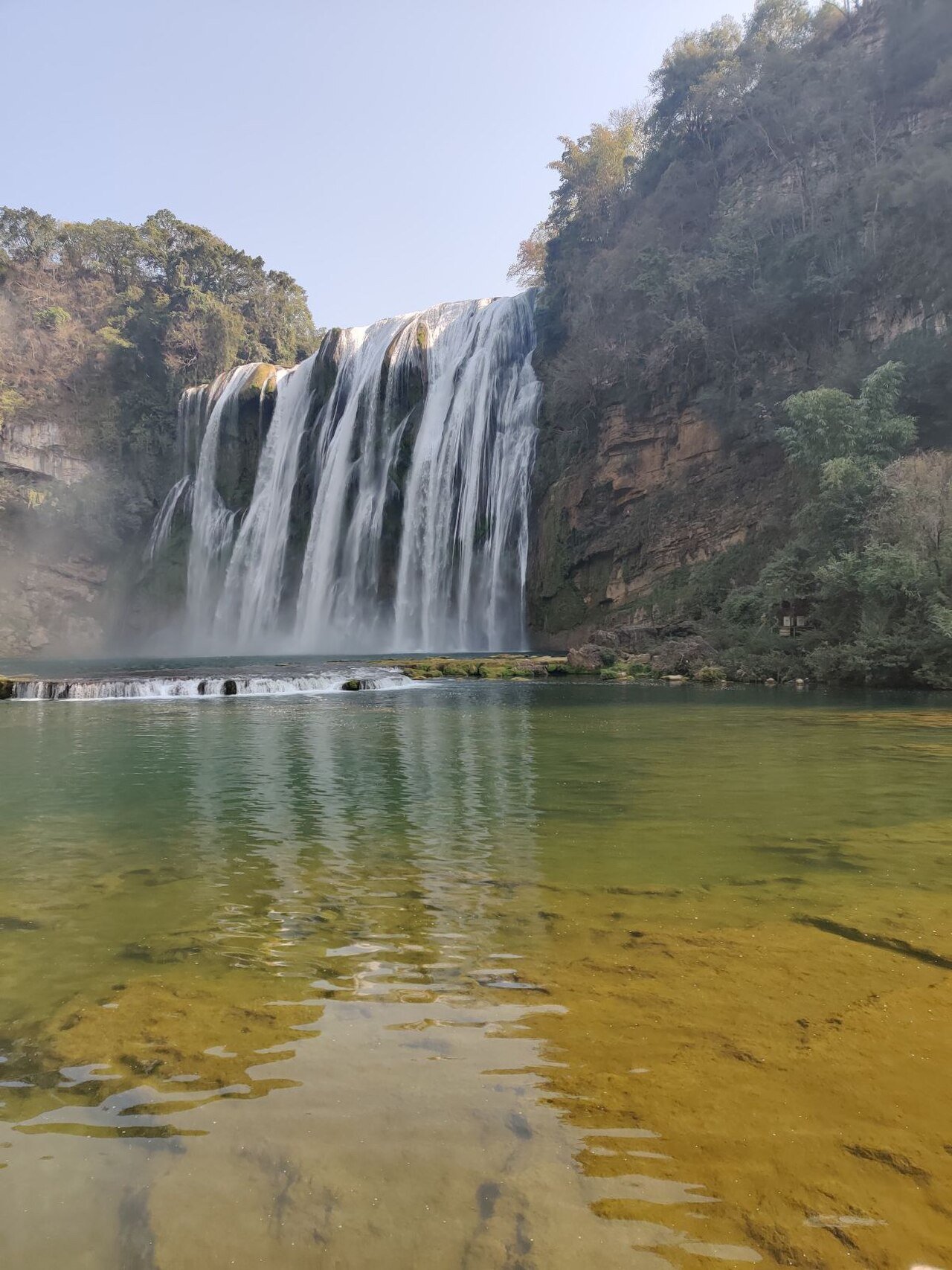
Huangguoshu Waterfall is the best-known cascade in a larger scenic area of waterways, rock, and vegetation. Different sections offer different routes and visitor transport, so read the current admission arrangement rather than assuming one short path covers everything. Water volume changes with season and rain; powerful flow can be spectacular but may also affect access.
Wear shoes with grip and protect electronics from spray. The path associated with the cave behind the waterfall, when open, has its own crowd and safety arrangements. A view from the main platforms remains worthwhile if a particular path is closed. Nearby Tianxingqiao offers a different combination of water and karst scenery, giving the excursion variety beyond one photograph.
Xijiang: recognize tourism and community together
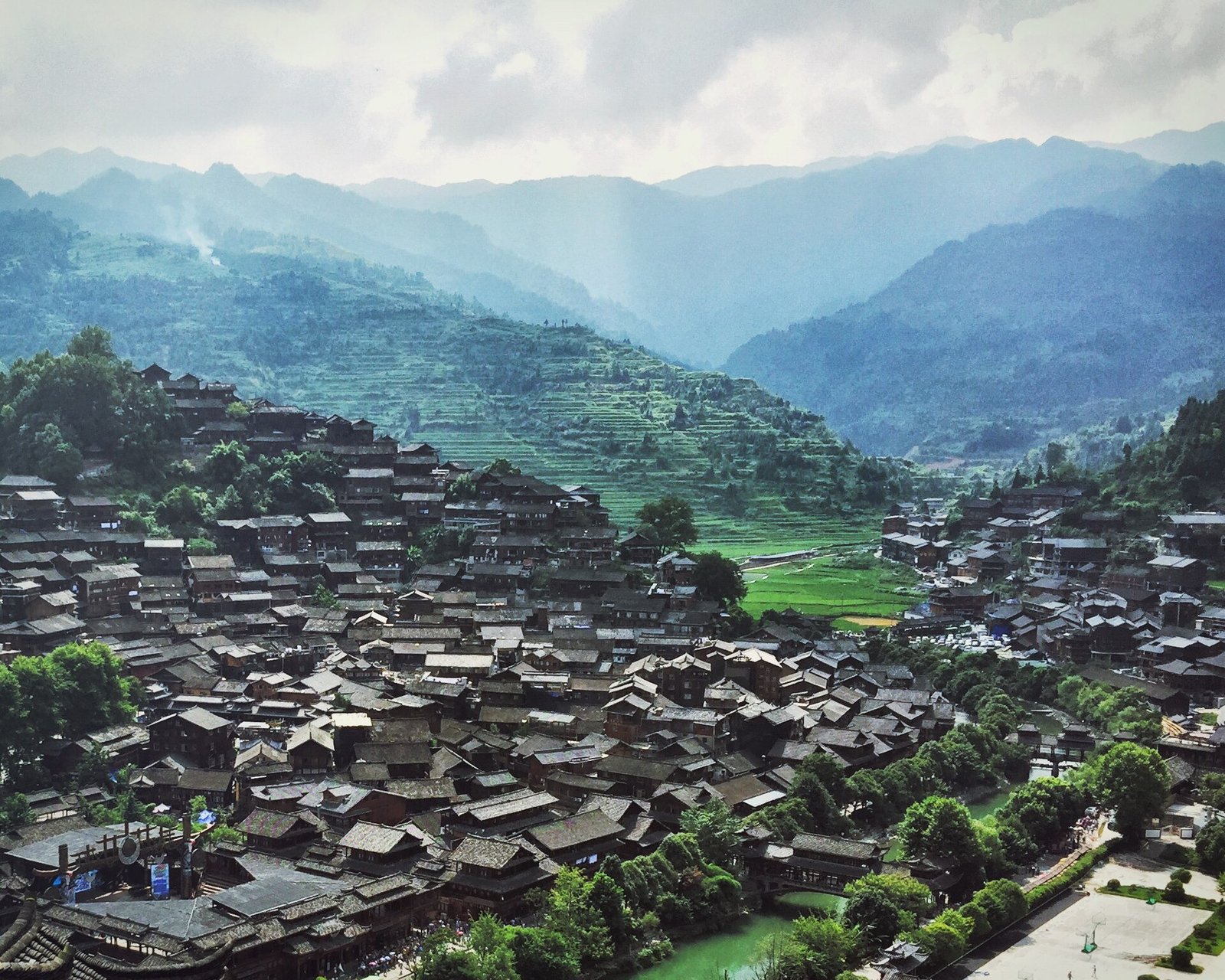
Xijiang Miao Village is a large settlement with extensive visitor infrastructure, known for timber buildings spread over hillsides and evening views across the valley. It contains residents' lives as well as performances, shops, and accommodation. A viewpoint is only an introduction. Ask permission before portraits, do not enter private houses uninvited, and avoid describing a scheduled stage show as the whole of Miao culture.
Smaller villages in the Kaili area can provide different encounters with textiles, silverwork, farming, and local festivals. Hire a guide who can explain the particular community and arrange visits appropriately. Dates, invitations, and household preferences matter; travelers cannot simply demand to see a ceremony. Miao communities themselves are diverse, with distinct clothing, languages, and local histories.
Dong villages, including places such as Zhaoxing or more focused rural stops, add a different architectural and musical landscape of drum towers, covered bridges, and community singing. Do not treat Miao and Dong traditions as interchangeable because both appear on the same tour brochure.
Fanjing Mountain: a summit with conditions attached
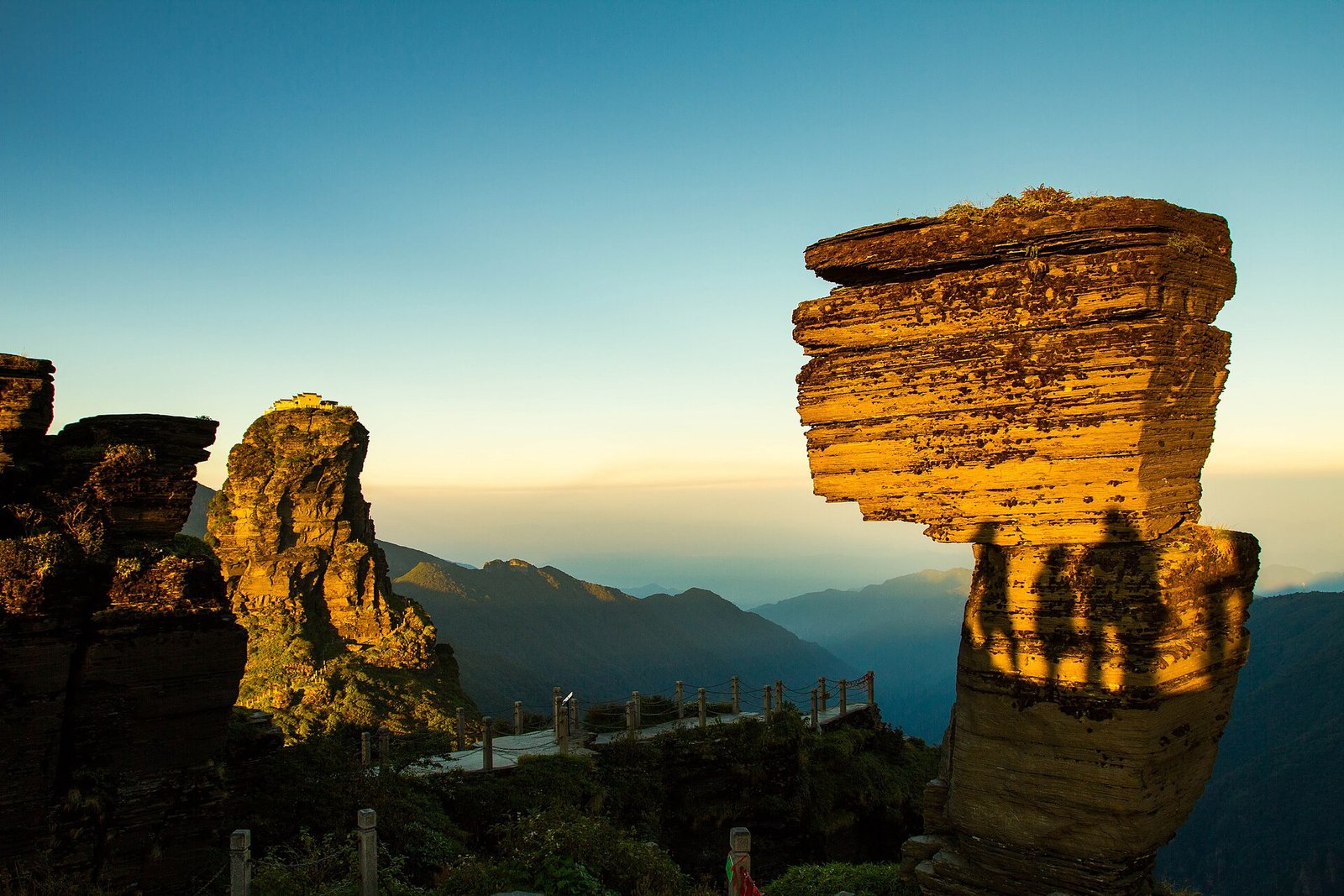
Fanjing Mountain, or Fanjingshan, is a forested mountain landscape with important biodiversity and Buddhist associations. Its celebrated steep summit formations and small temples create a remarkable image, but reaching them can involve exposed steps, queues, wind, and variable cloud. Confirm the open routes and be realistic about fitness and comfort with heights.
Cableway access, when available, changes the approach rather than removing all effort. The forest and lower viewpoints deserve attention even when conditions limit the summit. Give a mountain excursion its own time and avoid scheduling an inflexible long transfer immediately afterward.
Guiyang and Qingyan tell a more urban story
Qingyan Ancient Town, south of Guiyang, developed as a fortified settlement and trading place. Stone lanes, gates, temples, and varied religious buildings reveal a history more complex than a generic “old town.” Modern souvenir trade is present, but looking at the street layout and architecture gives the visit substance. Local braised pork trotters are a well-known food association.
Guiyang's Jiaxiu Pavilion and river setting offer a compact city visit, while the provincial museum gives broader cultural and historical context. Zhijin Cave is another major landscape excursion, celebrated for large underground chambers and formations. The Five-hundred-meter Aperture Spherical Telescope area introduces contemporary science, with visitor rules designed to protect the instrument; check the specific arrangements rather than arriving with an assumption that phones or electronics can be used everywhere.
Sour, aromatic, and worth asking about
Sour soup fish is a particularly good introduction to Guizhou's fermented and sour flavors. Chili dips, local rice noodles, and vegetables add different textures, while Guiyang's siwawa wraps bring a light, participatory snack. Explain dietary restrictions clearly: broths, dips, and apparently vegetable dishes may contain animal ingredients. Moutai's fame should not imply an obligation to drink spirits at a meal.
Guizhou's cultural interest lies in specific people and practices, not an untouched society preserved for outsiders. Attend performances respectfully, pay for legitimate craft work, and leave room for ordinary conversation and daily markets.
The province is generally humid, with frequent rain, warm summers, and chilly damp winters in many areas. Mountains and caves can be cool even when cities are warm. Rain affects waterfall volume, trails, and roads, so keep outdoor plans flexible. A focused route—Guiyang and Huangguoshu, or Guiyang and eastern villages, or a longer journey including Fanjing—lets you experience the province without constant backtracking.