Start Planning · Province & region guide
Hubei: Begin at the River, Then Head for the Mountains
The Yangtze connects Hubei's stories, but it does not make them identical. Wuhan is a great river metropolis, Yichang opens onto gorge country, and Wudang offers a mountain landscape shaped by Taoist institutions.
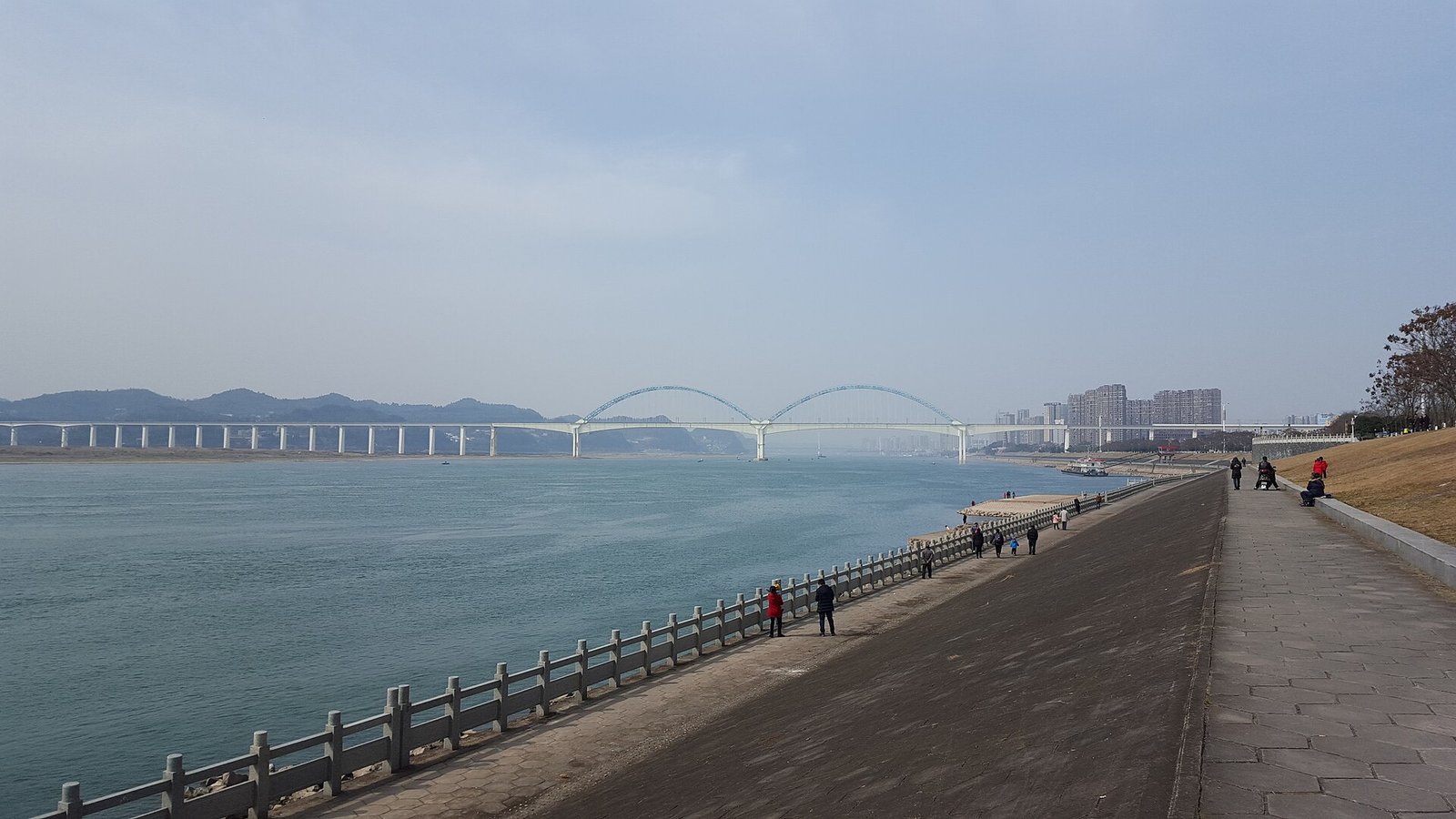
Wuhan, the provincial capital, spreads across the Yangtze and Han rivers. Its historic districts—Wuchang, Hankou, and Hanyang—help explain why a simple list of central sights can involve substantial crossings. Group a day by area and use actual transport connections, not just distances between map pins.
Wuhan's tower and lake tell different stories
Yellow Crane Tower is a celebrated literary landmark overlooking the river city. The present tower is a modern reconstruction continuing a long tradition of rebuilding; its cultural meaning comes from poetry, memory, and the site, not a claim that the structure has survived unchanged since antiquity. Walk the surrounding park and look at the relationship between tower, bridges, and city.
East Lake is a large urban lake landscape with multiple recreational and scenic areas. Choose a particular section, such as a lakeside greenway or the Moshan area, rather than assuming the whole lake can be circled casually between museum visits. Seasonal blossom displays draw crowds; timing varies, and a quiet waterfront walk remains worthwhile outside flowering periods.
The Hubei Provincial Museum introduces the ancient Chu cultural world through exceptional archaeological material, including the famous bronze bells from the tomb of Marquis Yi of Zeng when displayed. Reserve according to the current process, and check separately if a musical demonstration is offered. Museum interpretation gives Hubei's history more depth than the tower alone.
Across the river, a working city
Hankou's former commercial streets and concession-era buildings tell the story of river trade and urban change. The riverfront is a public landscape, while neighborhoods such as Tanhualin in Wuchang offer a different mix of restored streets, creative businesses, and everyday activity. A walk becomes more meaningful when you distinguish historic buildings from modern additions in a historical style.
Wuhan's morning food culture, often called guozao, is an excellent introduction to local life. Hot dry noodles mix sesame paste and seasonings with drained noodles; doupi layers glutinous rice and savory fillings beneath a thin skin. Mianwo fried rings and other breakfast foods offer smaller tastes. Order a few items across a morning rather than trying to turn the whole city's menu into one sitting.
The Three Gorges region needs a defined itinerary
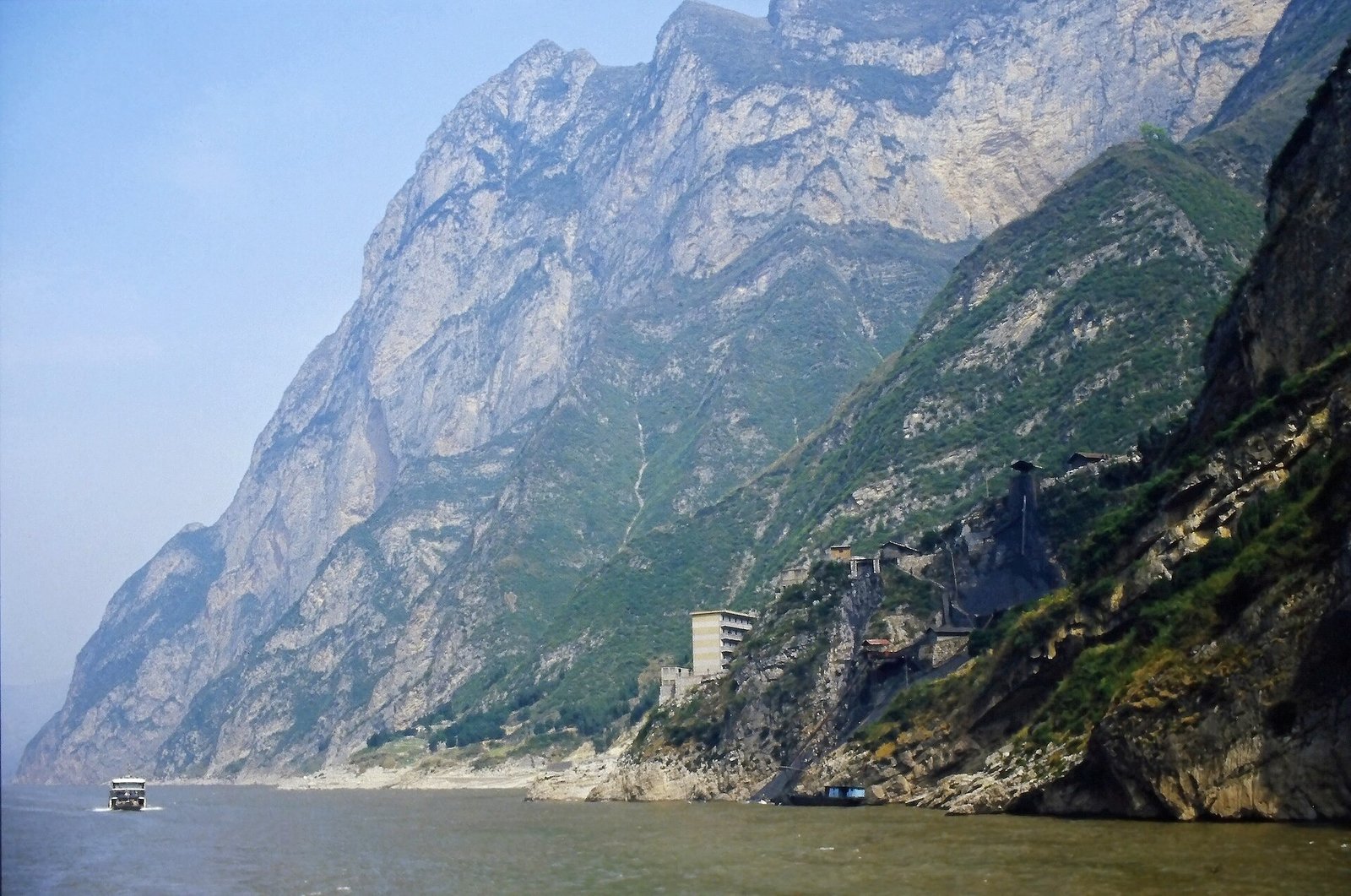
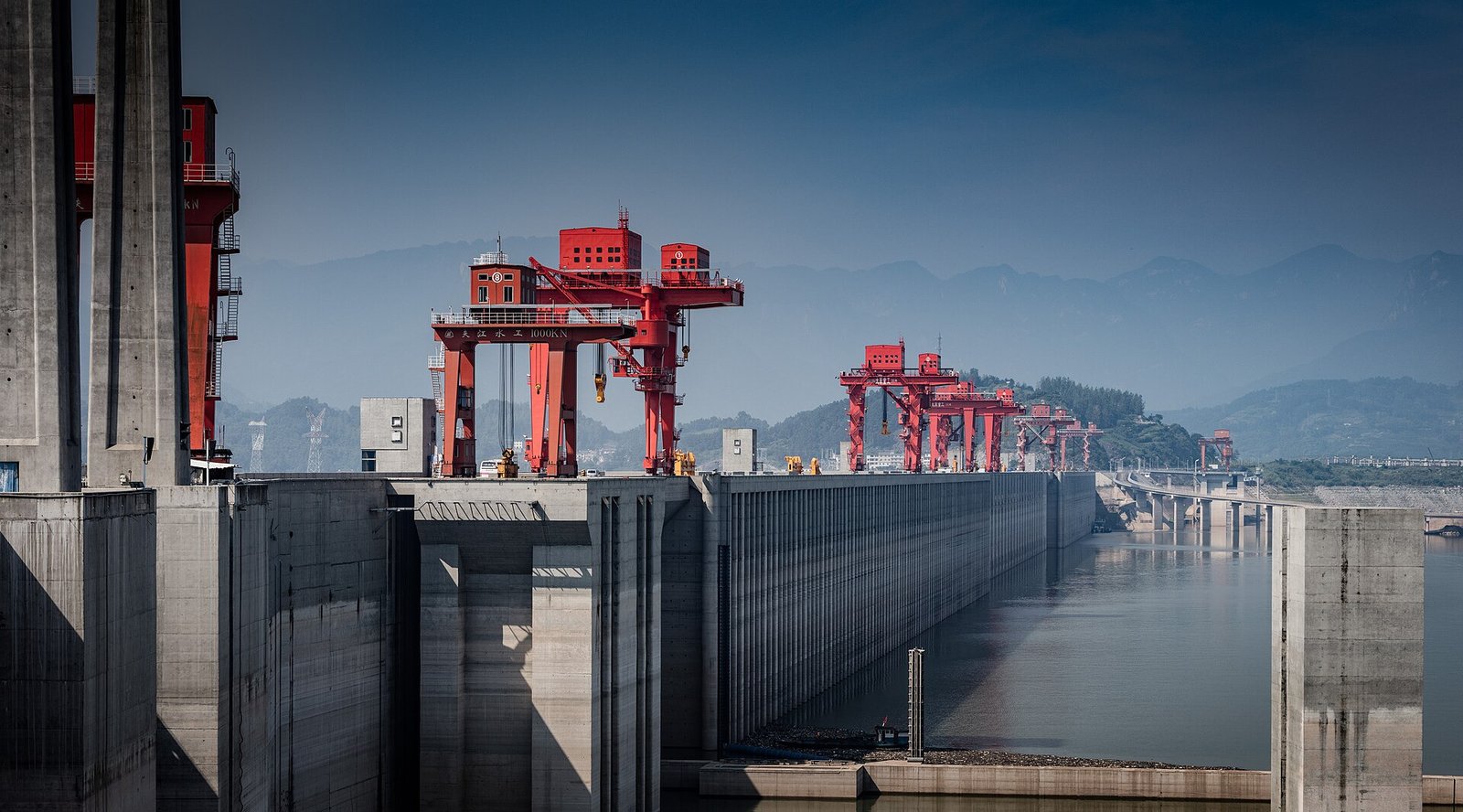
Yichang is a major gateway to the Three Gorges region. Xiling Gorge scenery, riverside towns, and the Three Gorges Dam introduce different aspects of the Yangtze. The dam is engineering infrastructure with a visitor system, not simply another natural viewpoint. Confirm the exact tour, identification requirements, transport, and areas open to visitors.
A cruise may link Yichang with Chongqing and pass through several gorge landscapes, but the sailing direction and shore-excursion list matter. Some routes concentrate on a shorter local stretch. Read what the boat actually does rather than choosing only by the words “Three Gorges.” Water levels, weather, and schedules affect the experience. The historic boatmen's labor and river settlements provide important context beyond today's cruise decks.
Enshi farther west offers another landscape of deep valleys and karst. The Enshi Grand Canyon requires its own route and substantial walking; it is not part of a quick Wuhan sightseeing circuit. Tujia and other local cultural traditions should be encountered through specific communities and well-explained visits rather than a generic performance label.
Wudang: follow the buildings into the hills
The Wudang Mountains in northwestern Hubei contain Taoist palaces and temples arranged within a mountain setting. Many major structures connect with Ming imperial patronage, while the wider tradition has deeper roots. Paths, courtyards, and viewpoints show how religious architecture can respond to terrain. Choose an itinerary matching your fitness, since scenic buses and cableways do not remove every stair.
Martial-arts associations are part of Wudang's identity, but a temple visit, a short demonstration, and serious training are different experiences. If you want instruction, verify the school, language support, duration, and conditions in advance. Do not expect a resident practitioner to become an impromptu instructor for a passing tourist.
Wuhan summers can be very hot, humid, and rainy, while winter is often damp and cold. Mountain conditions are cooler and change quickly; spring and autumn often suit a mixed route. Lotus-root soups, freshwater fish dishes, noodles, and duck-neck snacks broaden the food picture beyond breakfast. A first journey is strongest when it combines Wuhan with one substantial extension—gorges, Enshi, or Wudang—rather than trying to reach all three without enough time.