Start Planning · Province & region guide
Hunan: Pillar Mountains, River Towns, and an Uncompromising Kitchen
Hunan's famous mountain scenery and its lively food culture belong to different parts of the province. A route that gives both enough time can move from misty sandstone towers to an evening of Changsha snacks.
Changsha is the provincial capital. Zhangjiajie and western river towns lie a substantial journey away. High-speed rail makes connections easier, but the parks still involve internal transport, walking, and queues. Keep “arrival in Zhangjiajie” distinct from “a full day in the forest park.”
Zhangjiajie Forest Park rewards a route, not a race
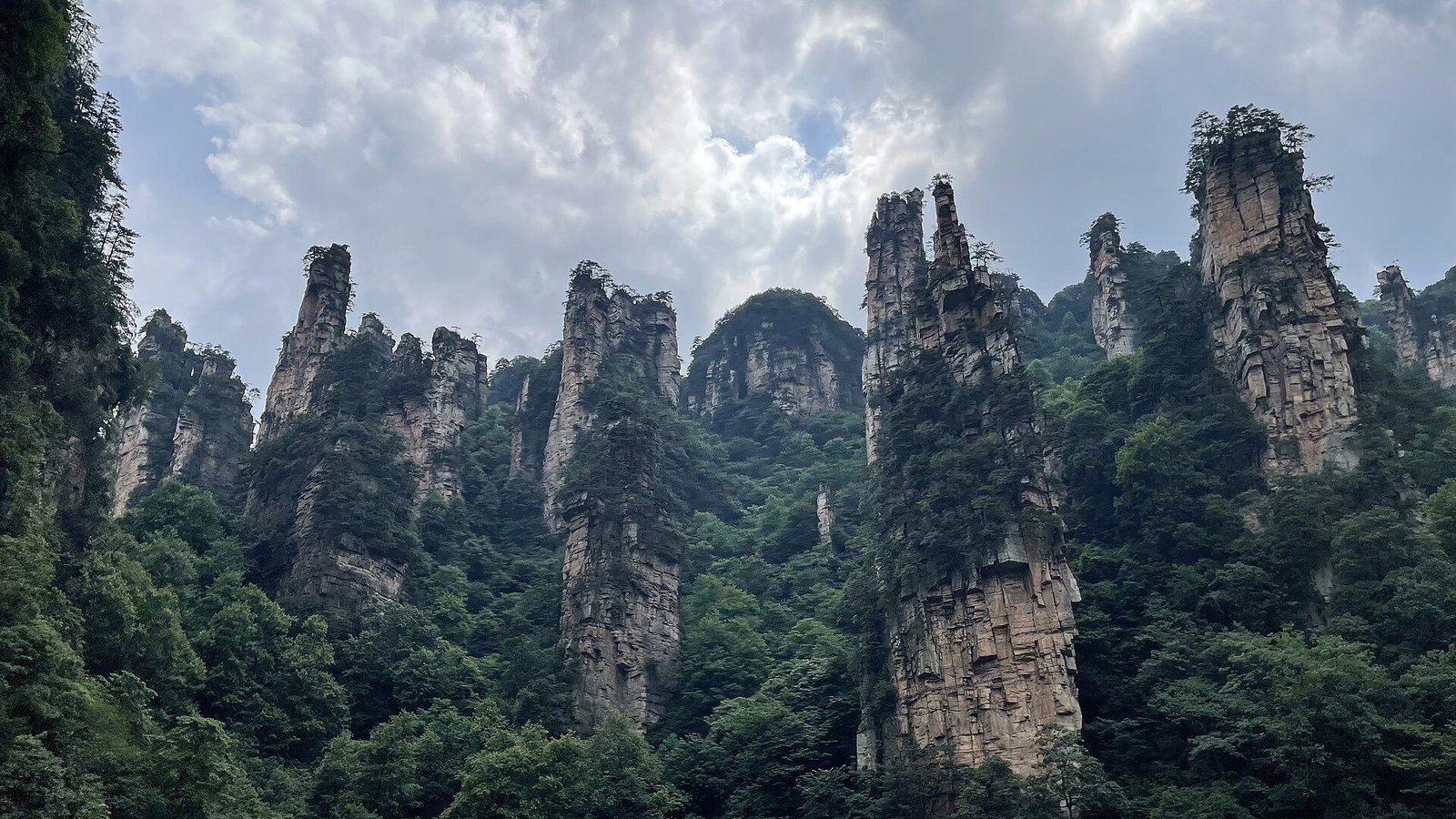
Zhangjiajie Forest Park forms part of the Wulingyuan landscape, known for tall sandstone pillars, wooded valleys, and changing cloud. Yuanjiajie, Tianzi Mountain, and other sections offer different views and walking routes. Park transport, cableways, and elevators help connect them, but do not turn a huge scenic area into one easy circuit. Choose a sensible combination and give the landscape more than a few rushed lookout stops.
Mist can hide a panorama while making nearby pillars more atmospheric. Avoid treating a cloudy day as automatically wasted, but keep flexibility if conditions close exposed routes. Wet stone and stairs require shoes with grip. Stay on permitted paths and do not imitate cliff-edge poses seen on social media.
The Zhangjiajie Grand Canyon and its glass bridge are separate from the forest park. They offer a different attraction and ticket arrangement; the bridge is optional. Decide whether it suits your interests and comfort rather than assuming every first visit must include it.
Tianmen Mountain is another full excursion
Tianmen Mountain stands near Zhangjiajie's urban area and is known for its enormous natural arch, high walkways, and dramatic access routes. Current ticket options can involve different combinations of cableway, bus, escalators, and walking. Read the route details before booking, especially if you want to avoid a particular type of exposure.
The mountain and forest park should not be treated as the same place. Weather, operating conditions, and entry times can affect either. Leave room for the mountain's forest and views instead of focusing entirely on the photograph of the stairway beneath the arch.
| Name on an itinerary | What it means |
|---|---|
| Wulingyuan / Zhangjiajie Forest Park | The large sandstone-pillar landscape with several internal routes. |
| Tianmen Mountain | The separate mountain near the city, with the natural arch and high walkways. |
| Zhangjiajie Grand Canyon | A separate canyon attraction, including the well-known glass bridge. |
Fenghuang: slow down beside the Tuo River
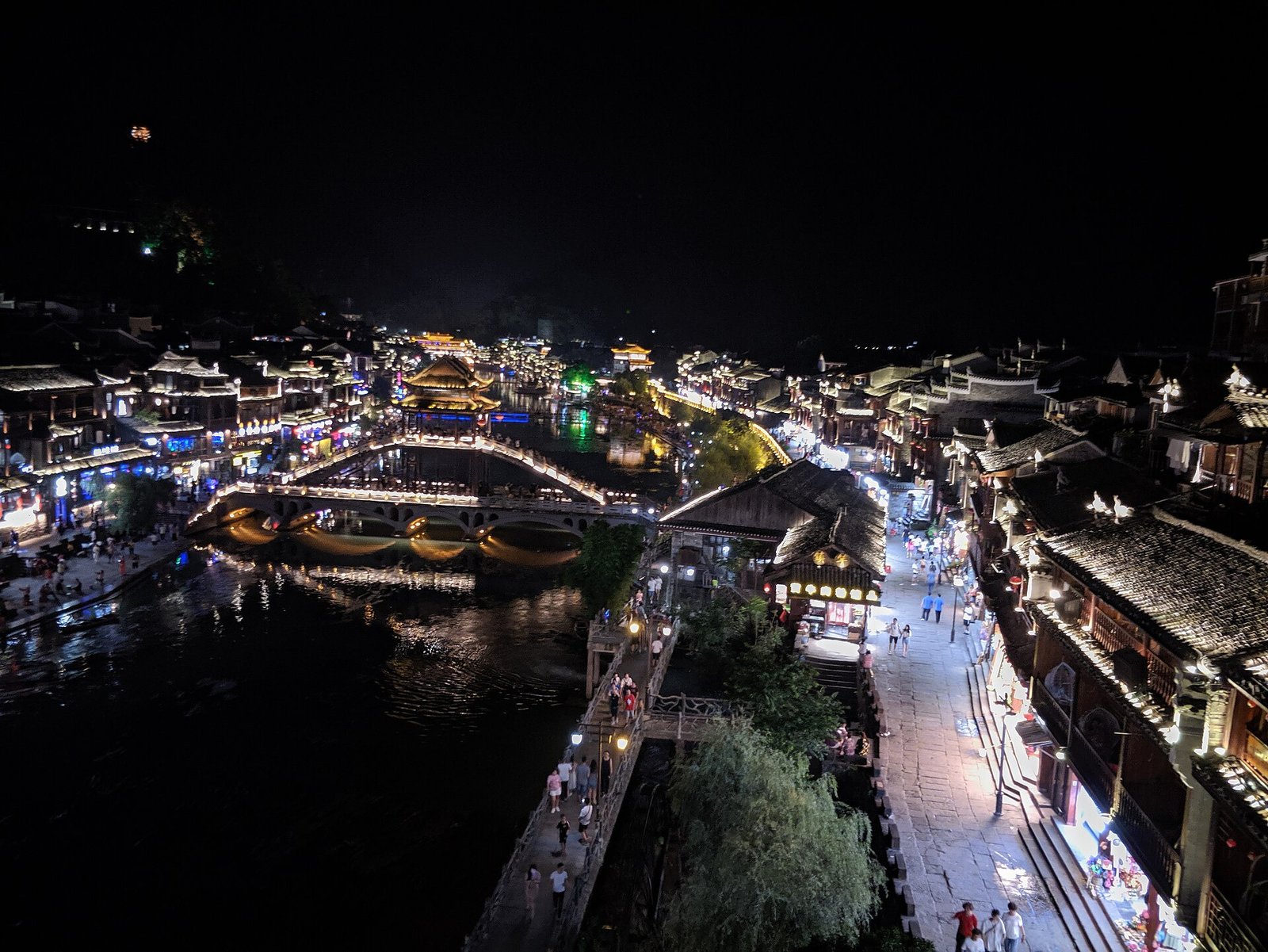
Fenghuang Ancient Town combines a river setting, bridges, stilted-building forms, historic associations, and intensive tourism. Early walks offer a different experience from the illuminated waterfront at night. Look beyond bars and souvenir shops to museums, local architecture, and the stories of writers such as Shen Congwen. The town is a contemporary community and visitor destination, not a fully untouched historical village.
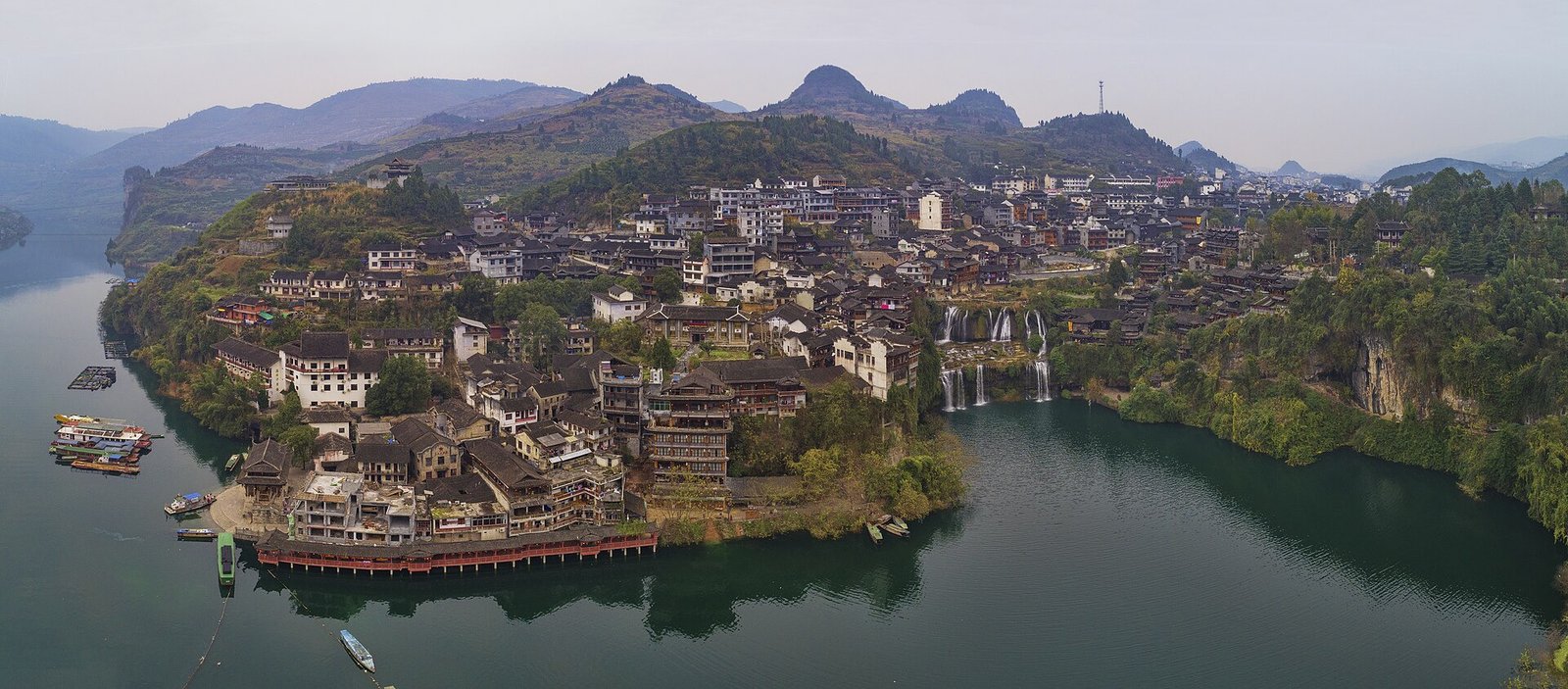
Western Hunan includes Tujia and Miao cultural settings with distinct traditions. A respectful village visit needs local knowledge and permission, especially around ceremonies or private homes. Furong Town offers another river-and-waterfall landscape, but choosing one town for a slower stay may be better than racing through both for night photographs.
Changsha: history in the museum, energy in the street
The Hunan Museum's Mawangdui material introduces Han-period burial, textiles, and daily-life objects with extraordinary detail. Reserve through the current official arrangements and give the exhibits enough time. Yuelu Academy and the neighboring mountain area connect scholarship, landscape, and city history. Orange Isle in the Xiang River offers another urban perspective, though access arrangements and crowds vary.
Changsha food streets, including the central shopping and snack districts, are places to try small portions and watch a modern city enjoy its evening. Stinky tofu is fried and usually dressed with flavorful sauces; its smell is not a measure of how much you will enjoy it. Rice noodles, sugar-oil cakes, and local dishes introduce a broader menu than one famous snack.
Chili has several jobs here
Hunan cooking often uses fresh or preserved chili, aromatics, smoked ingredients, and sour elements. Steamed fish head with chopped chili is a recognizable restaurant dish; stir-fried pork and peppers can be a more everyday introduction. Unlike a generic description of all spicy food, Hunan flavors are not defined by Sichuan pepper's numbing effect. Ask about actual ingredients and the possibility of reducing chili.
Regional opera, embroidery, scholarly traditions, and contemporary entertainment all contribute to Hunan's cultural life. In Changsha, a museum visit can be followed by an evening among lively restaurants and performance venues; in smaller towns, workshops and local stages offer another perspective. These encounters reveal more of the region than a quick stop at a famous viewpoint.
Summers can be hot, humid, and rainy, while winter can be damp and cold. Mountain weather changes rapidly; spring and autumn often suit sightseeing but still require rain flexibility. A first journey might give Changsha two or more days, Wulingyuan several park days, and Fenghuang a separate overnight. That spacing makes room for both an enormous landscape and a very lively kitchen.