Start Planning · Province & region guide
Tibet: Lhasa First, the High Plateau Slowly
Begin with a tea table and a short walk in Lhasa. The great buildings and blue lakes are unforgettable, but Tibet becomes more meaningful when there is time to notice the ordinary life around them.
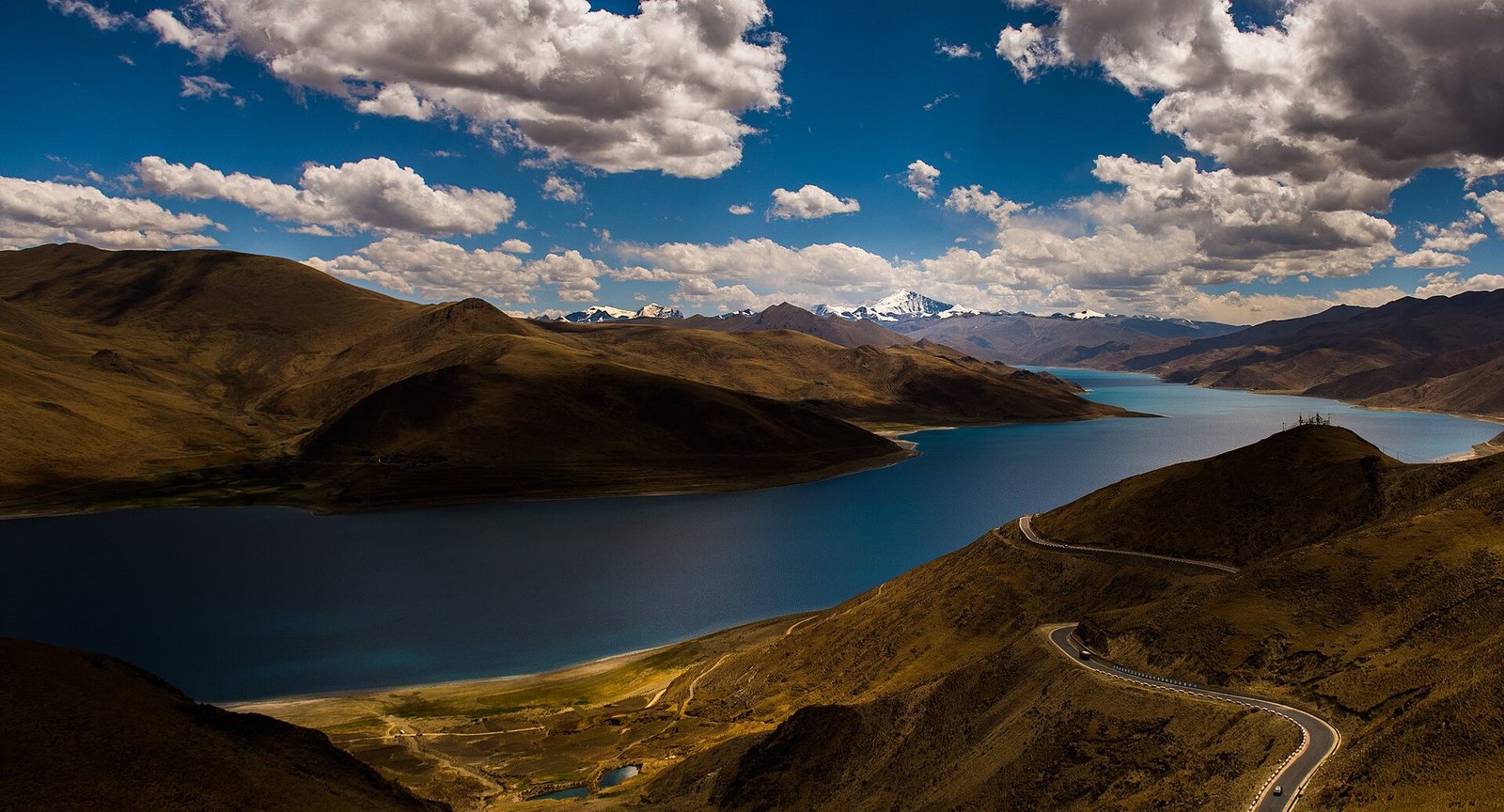
The Tibet Autonomous Region occupies a large part of the high plateau in China's southwest. Lhasa stands at roughly 3,650 meters, and many excursions go considerably higher. Altitude shapes the pace of a trip as much as distances do. An arrival day should be gentle; a packed sightseeing schedule followed immediately by a high pass is a poor introduction.
Three places that explain the old city
The Potala Palace rises above Lhasa as a former residence of the Dalai Lamas and a major center of Tibetan religious and political history. Its white and red buildings contain ceremonial spaces, chapels, and stupas; the interior is much more than the familiar skyline. Expect stairs, timed arrangements, and rules protecting sacred objects. A guide's explanation of how a room was used is more valuable than trying to photograph everything.
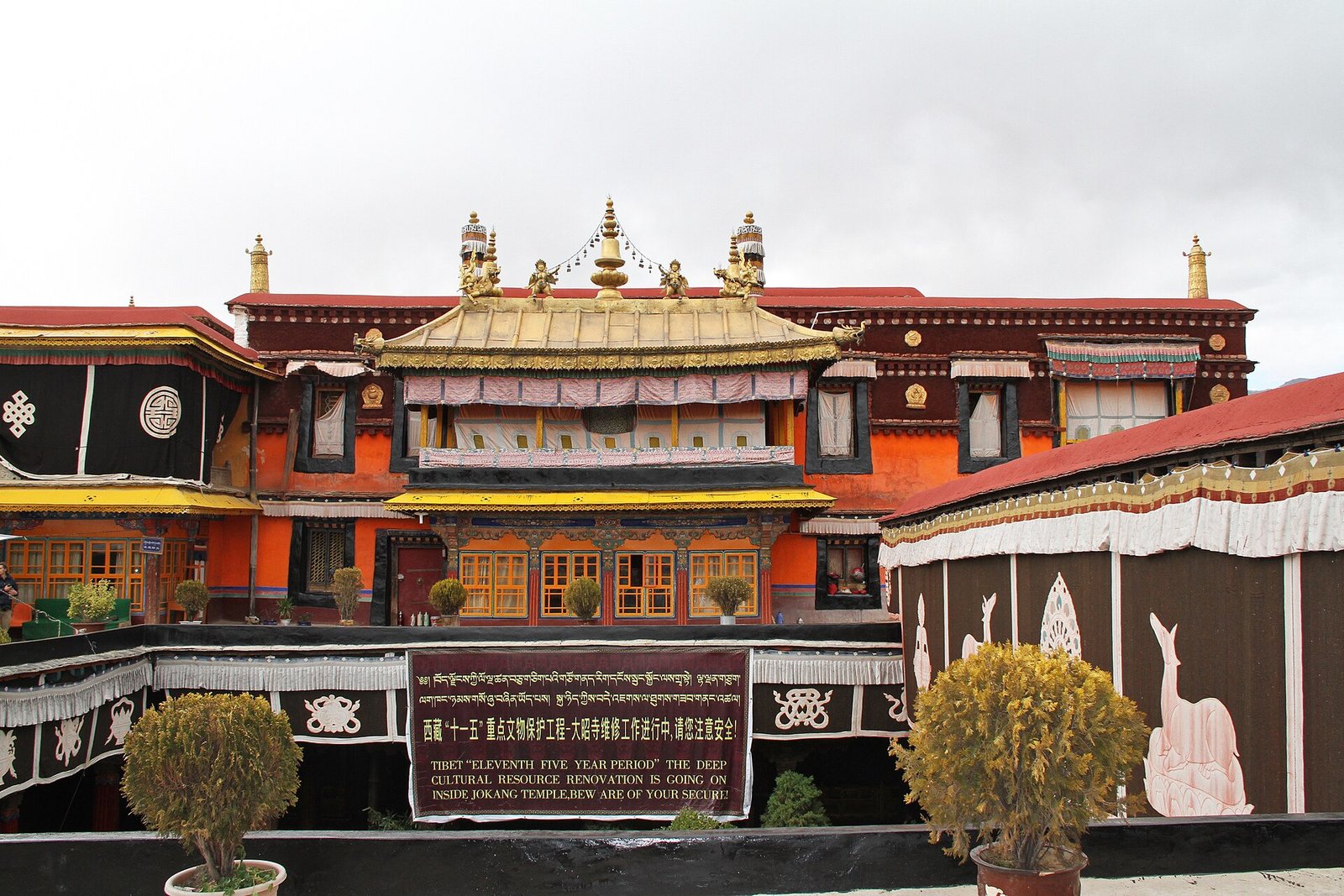
The Jokhang Temple draws attention to a different center of gravity. Pilgrims come to venerate sacred images and perform devotional practices, making the surrounding streets part of an active religious landscape. Barkhor Street circles this area. Walk with the clockwise flow around the temple, give prostrating worshippers space, and ask before making close portraits. Shops and tourism are present too; devotion and commerce have long shared urban space.
Sera and Drepung monasteries broaden the picture beyond the city center. Their courtyards, assembly halls, and monastic traditions show how religious learning formed institutions rather than simply picturesque buildings. Public access to particular activities can change; avoid promising a debate session on a fixed day without checking the current program.
The road to Yamdrok is also a mountain journey
Yamdrok Lake lies south of Lhasa, reached across high terrain. Its blue water and branching shoreline are especially striking from the road's viewpoints, but getting there involves more than a lakeside stroll. Plan the excursion after time in Lhasa, dress for wind, and make stops where parking and access are permitted. The lake is culturally significant as well as scenic; keep the shoreline clean and avoid treating sacred places as props.
A longer approved route can continue toward Gyantse and Shigatse. Gyantse's Kumbum at Pelkor Chode is a many-chapeled monument whose painted interiors make Buddhist ideas spatially visible. Shigatse's Tashilhunpo Monastery introduces another important religious center. These places add historical depth to a journey otherwise dominated by landscapes. Everest-area excursions and Mount Kailash require a different scale of planning, more altitude exposure, and additional arrangements; they are not automatic extensions to a short Lhasa trip.
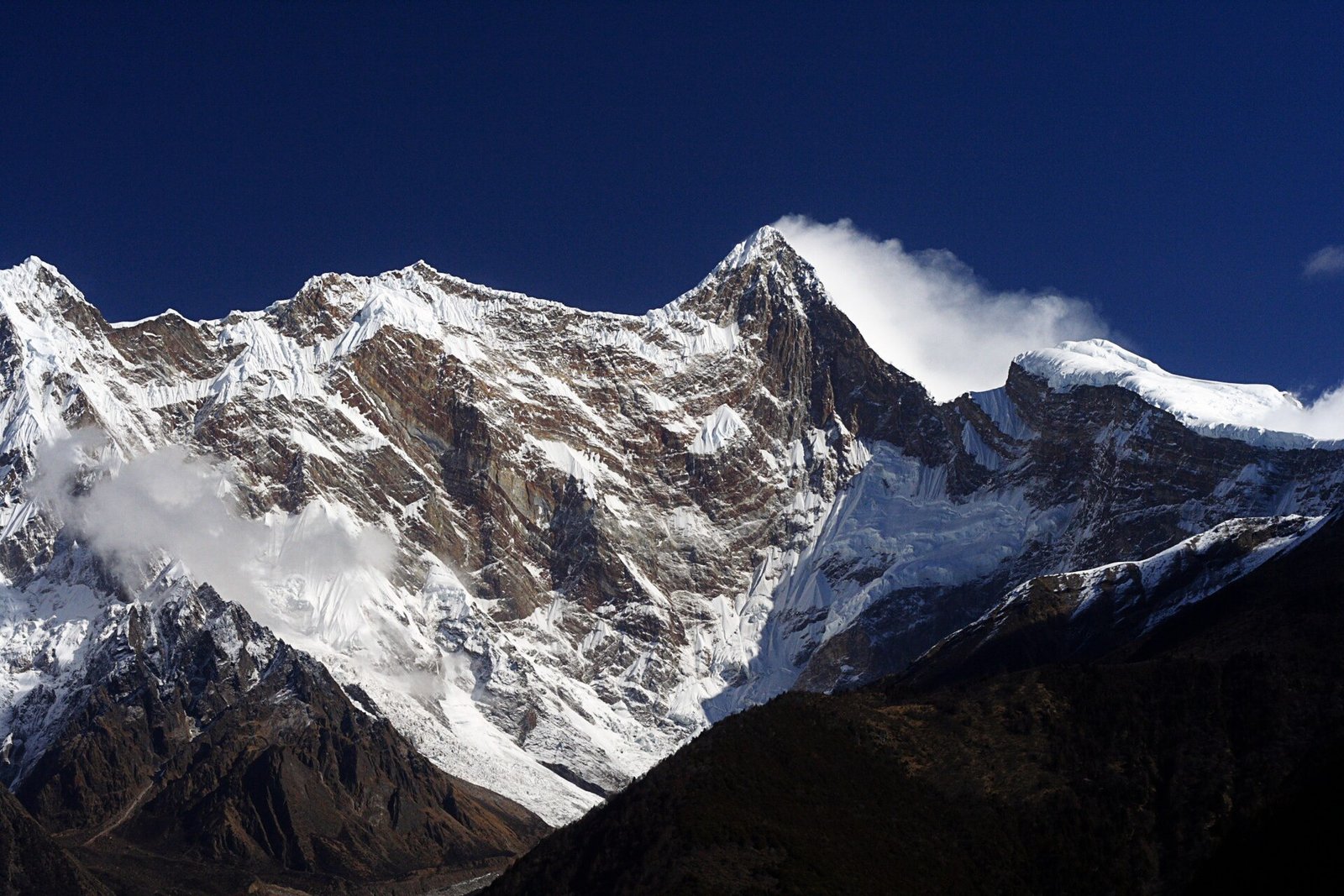
Nyingchi offers another approved extension eastward, where forested valleys, spring peach blossom, and the great mass of Mount Namcha Barwa present a different face of Tibet. The peak is frequently hidden by cloud; seeing it is a matter of conditions, not a guaranteed stop. Travel permissions, road arrangements, and the time needed to reach the area must be settled with your operator. Its lower valleys do not remove the need to consider altitude on the roads and passes between destinations.
A tea house is part of the cultural landscape
Tibetan Buddhist traditions are prominent, but Tibetan people do not all have the same beliefs, occupations, or daily routine. Lhasa's sweet-tea houses, markets, family businesses, and contemporary neighborhoods provide a fuller picture than monasteries alone. Sit respectfully, order something, and observe how a shared table works. A few courteous words and a willingness to listen are more useful than assumptions about an exotic or timeless society.
Tsampa is roasted barley flour, traditionally mixed with tea or other ingredients. Butter tea has a savory richness that can surprise a visitor expecting a sweet drink; sweet milk tea is a different local pleasure. Thukpa noodle soup, momos, and yak-meat dishes appear on many menus, with considerable variation between homes and restaurants. Ask what is in a dish and choose freshly cooked food; vegetarians should clarify whether broths contain meat.
Arrangements to settle before booking
Foreign tourists need Tibet-specific travel authorization arranged through an authorized operator; ordinary permission to enter mainland China does not by itself authorize a Tibet itinerary. Confirm the current process, nationality eligibility, approved route, and any additional permits with the operator before purchasing inflexible transport. Do not plan independent travel on the assumption that a permit can be collected after arrival.
Strong sunlight, thin air, and cold evenings can occur together. Lhasa's winter is dry and cold; the warmer season brings more rain, and mountain roads remain weather dependent. Nyingchi's lower valleys have a different climate from the western plateau. For altitude concerns, obtain individualized medical advice before travel; symptoms after arrival should not be dismissed as ordinary tiredness. A modest first itinerary centered on Lhasa and one carefully planned extension is often more rewarding than chasing the highest viewpoint.