Start Planning · Province & region guide
Gansu: Reading the Silk Road Through Caves and Desert Passes
Gansu stretches from the upper Yellow River toward the deserts of the northwest. Its best journeys follow a corridor where mountains, water, and fortified towns once made long-distance trade possible.
Start in Lanzhou and the region is a river city with breakfast noodles; reach Dunhuang and it becomes an oasis beside dunes. Between them, the Hexi Corridor links a sequence of settlements rather than one continuous monument. This geography helps explain why Buddhist art, defensive architecture, and trading history are so closely connected here.
Dunhuang: spend attention on what survives indoors
The Mogao Caves preserve painted and sculpted Buddhist spaces created over many centuries. Their stories include patrons, merchants, devotional images, and changing artistic influences. A visit normally combines a managed cave selection with interpretation rather than unrestricted wandering through every chamber. Book through the official arrangements, and understand the difference between standard visits and any separately offered specialist access. Cave interiors are sensitive environments; photography restrictions protect the art.
Crescent Spring and Mingsha Mountain offer the outdoor counterpoint. The spring sits among enormous dunes at the edge of Dunhuang; Mingsha's name refers to the tradition of sounding or singing sand. Walk designated routes, choose cooler hours, and protect camera equipment from blowing grit. A camel ride is optional, not the meaning of the place. The physical meeting of oasis and desert is worth time even without an activity package.
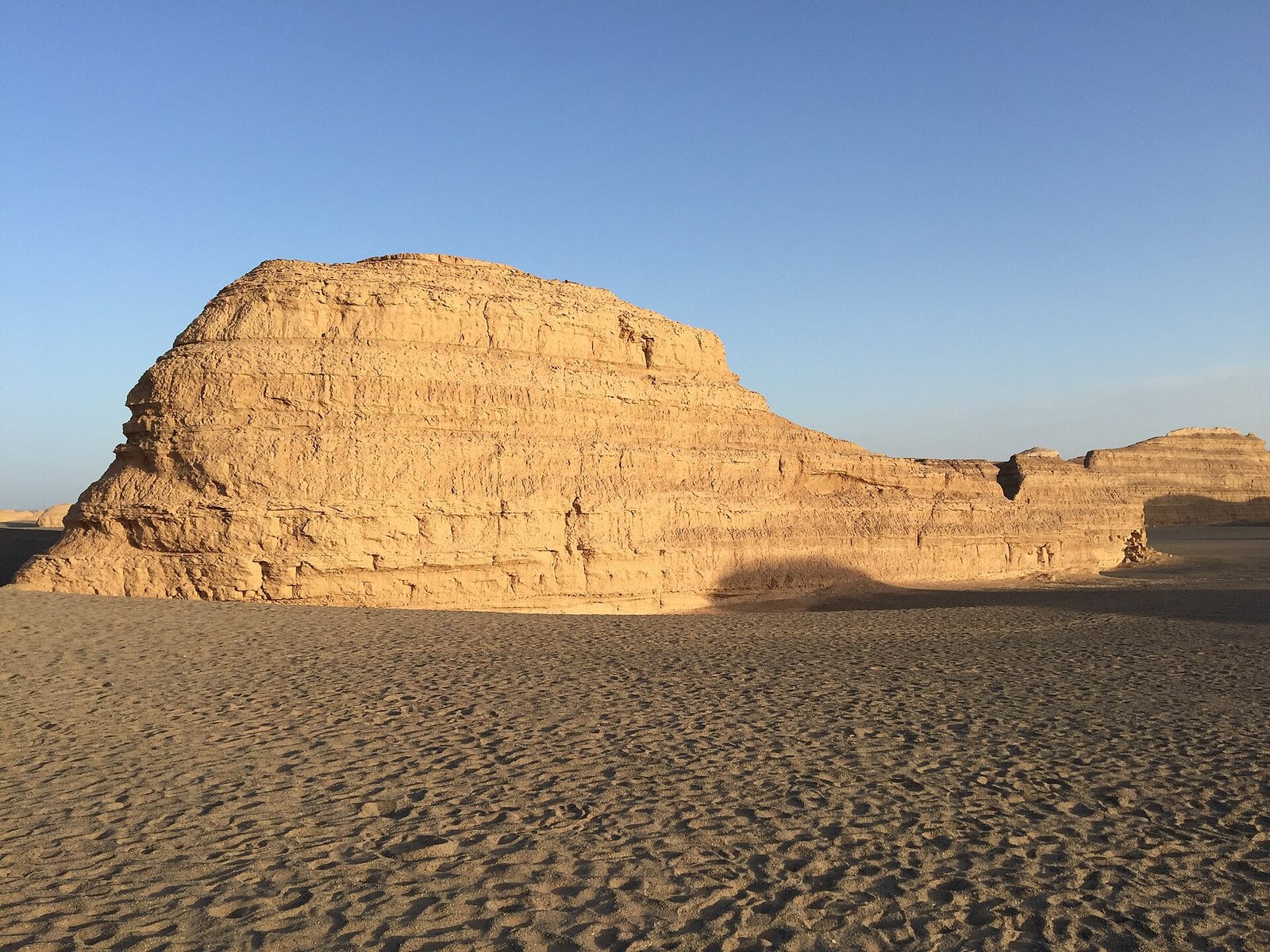
The Dunhuang Museum helps connect what you saw to the wider region. A separate excursion to the Yumen Pass area or the Dunhuang Yardang landscape introduces remnants of frontier routes and wind-sculpted desert. These are exposed, distant sites: check travel times and do not combine every western excursion with a major cave visit simply because they share the word Dunhuang.
Jiayuguan and Zhangye change the scale
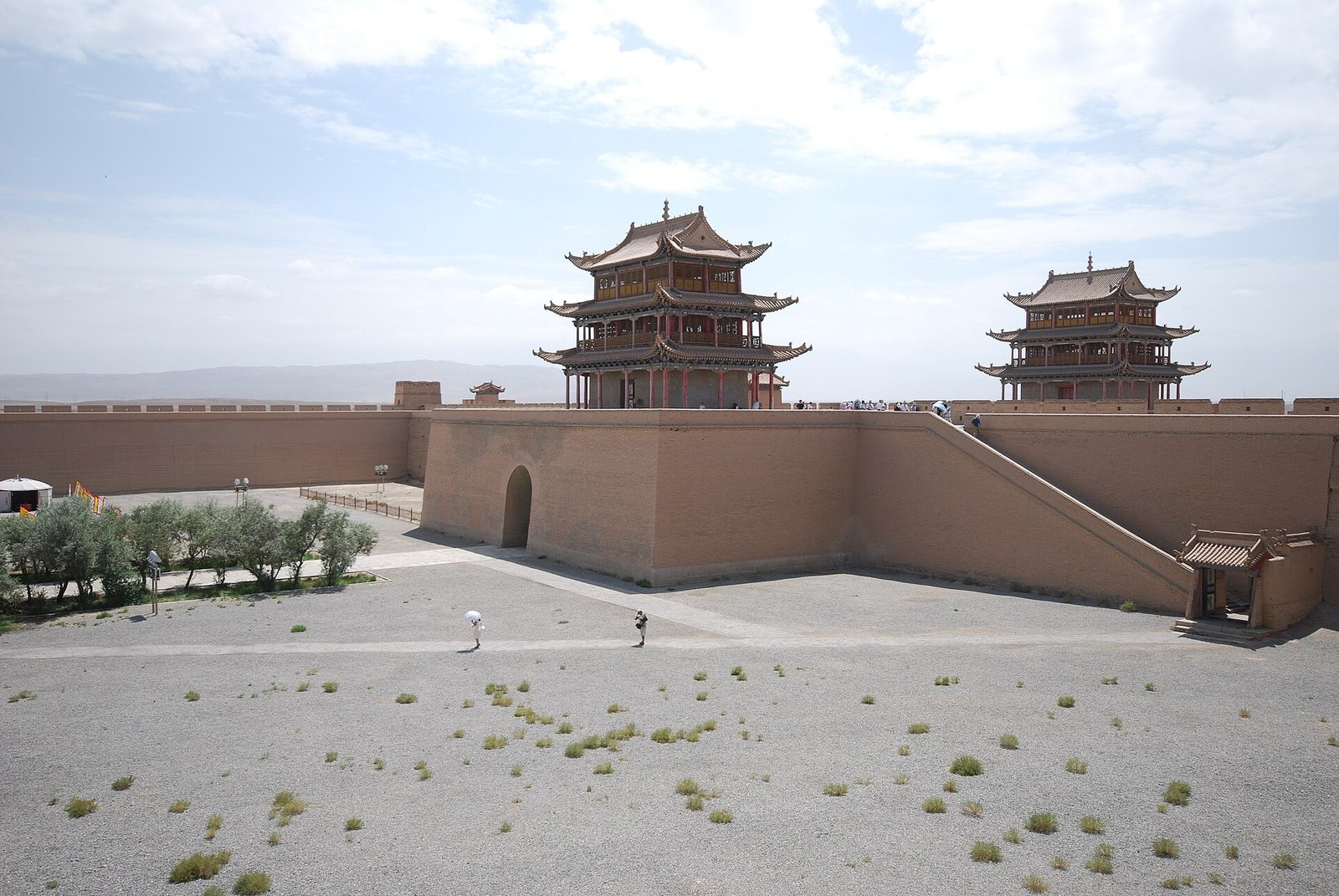
Jiayuguan Pass is a fortified gateway associated with the western end of the Ming Great Wall system. Its gates, towers, and enclosing walls make defense understandable at a human scale. The surrounding desert and nearby wall sections reveal the terrain a garrison had to watch. Notice the difference between surviving fabric, restoration, and interpretation instead of assuming that every brick is original.
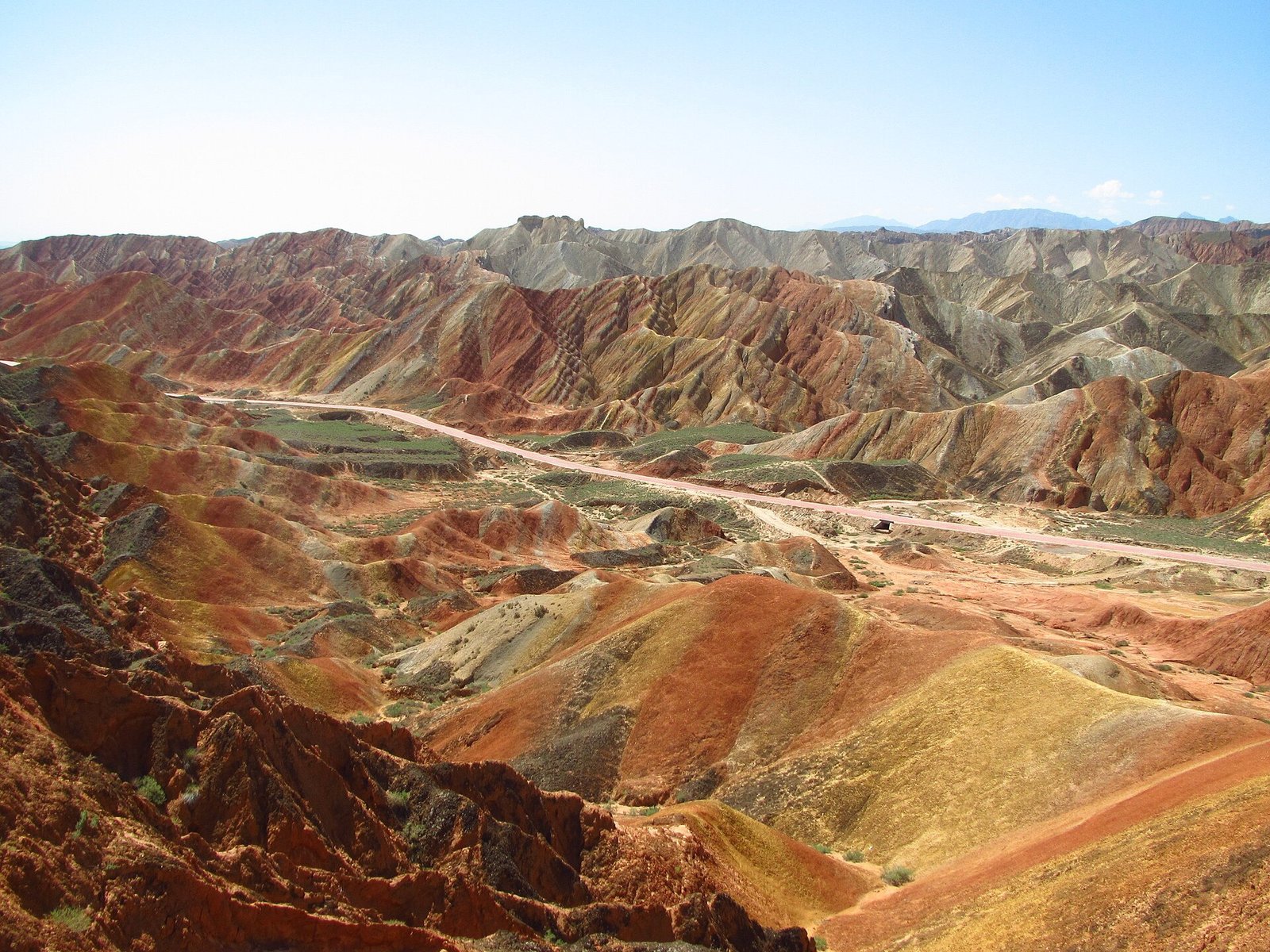
Zhangye's colorful Danxia formations are sedimentary hills viewed from managed platforms and paths. Their bands become more or less vivid with weather and light; publicity photographs can overstate the saturation. In Zhangye itself, the Giant Buddha Temple preserves a remarkable reclining Buddha and introduces another chapter of Buddhist history. Taking both city and landscape seriously makes Zhangye more than a brief stop for a rainbow-colored hillside.
The southern detour is a different Gansu
Around Xiahe, Labrang Monastery brings the journey into a Tibetan cultural area with substantial monastic buildings and surrounding grasslands. Gannan's towns and valleys belong to a cooler, higher environment than the Hexi desert. Zhagana's villages sit beneath dramatic rocky mountains. These places deserve their own travel time and respectful engagement with residents, not a token cultural stop attached to a desert itinerary.
Gansu includes Han, Hui, Tibetan, and other communities, and the food follows that variety. Lanzhou beef noodles are a particularly useful first meal: clear broth, pulled noodles, sliced beef, radish, herbs, and chili oil create a bowl whose details differ by shop. Ask for the noodle shape available. Hui halal restaurants, lamb dishes, wheat noodles, and local breads appear along many routes; in Tibetan areas, dairy and barley traditions add another dimension.
Build the journey around distance and exposure
A workable first route links Lanzhou, Zhangye, Jiayuguan, and Dunhuang, choosing enough nights to avoid turning each arrival into an immediate departure. High-speed rail serves useful sections, but station transfers and excursions still consume time. Adding Gannan changes both the geography and the transport plan.
Summers in the western corridor can be hot and intensely sunny; winters are cold, and spring wind can carry dust. Large differences between daytime and nighttime temperatures call for layers. Higher southern areas are cooler and can have rain when the desert remains dry. Carry water on excursions, check mountain-road conditions, and reserve scarce cave access before fixing the rest of a route. Gansu's strongest impression comes from connecting the sites: art flourished where travelers found shelter, and defenses rose where passage became possible.