Start Planning · Province & region guide
Inner Mongolia: Grassland Life Beyond the Horizon
The most important planning decision here is choosing which grassland you mean. Hulunbuir and the Hohhot area occupy different ends of an enormous region, with different landscapes, journeys, and expectations.
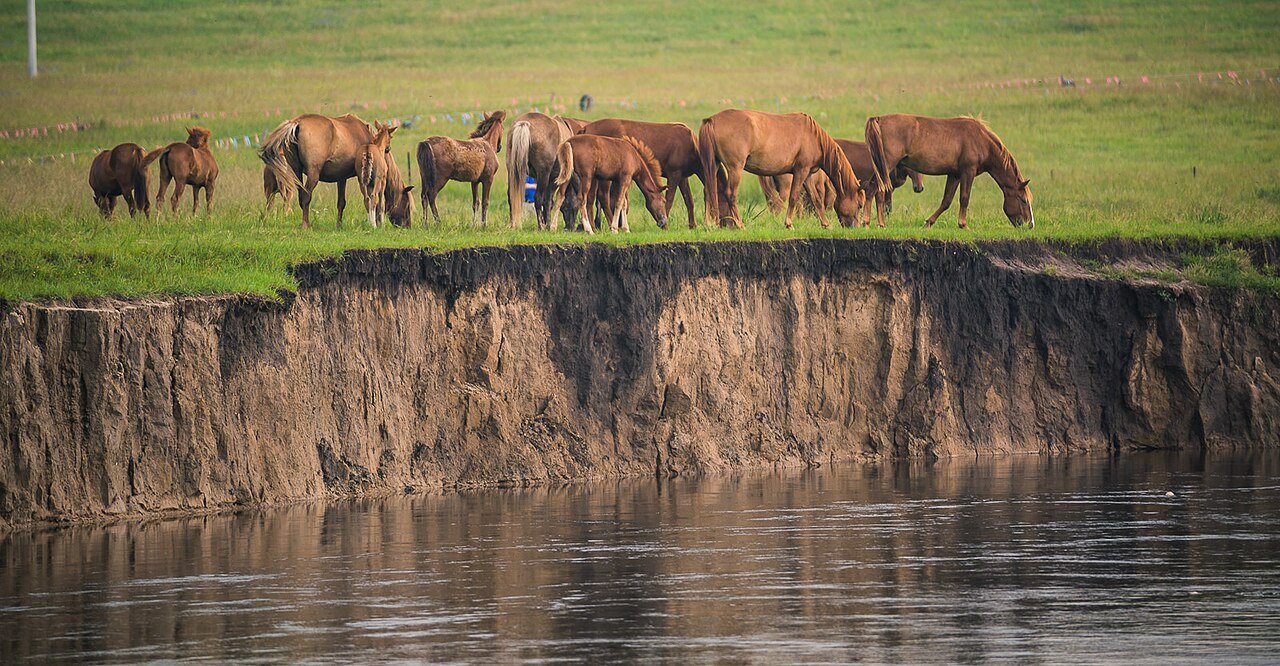
Inner Mongolia arcs across northern China, encompassing grasslands, forests, agricultural districts, deserts, and major cities. The image of an endless green plain describes only part of it. A thoughtful visit pairs landscape with a specific community and history rather than treating the whole region as a single horse-riding excursion.
Hulunbuir: make space for rivers and forest edges
Hulunbuir Grassland lies in the northeast, around a broad landscape of grazing country and winding rivers. Summer brings green pasture and long daylight; a route based around Hailar can reach grassland viewpoints and then continue toward Ergun or the Greater Khingan forest edge. Different stops reveal different transitions between open pasture, wetland, and woodland. Long road distances make a rented car with a suitable driver or an organized route more practical than a string of spontaneous taxi trips.
Seek accommodation that explains what it actually offers. A tourist yurt camp is a visitor business, not automatically a household practicing nomadic pastoralism. Ask how local families use pasture and how grazing changes with the season. If a host invites you to participate in tea or a meal, follow their directions; customs vary, and internet lists of universal rules often oversimplify them.
| Area | Best reason to choose it | Planning implication |
|---|---|---|
| Hulunbuir | Broad pasture, rivers, and a transition toward forest | Use a northeastern base such as Hailar; allow long road legs. |
| Hohhot and nearby grasslands | Temple history with a shorter grassland extension | Choose Xilamuren or Huitengxile by season and the experience offered. |
| Ordos and Kubuqi | A developed desert outing at Resonant Sand Bay | Treat sand activities and a quieter landscape visit as different choices. |
Near Hohhot: monasteries before the grasslands
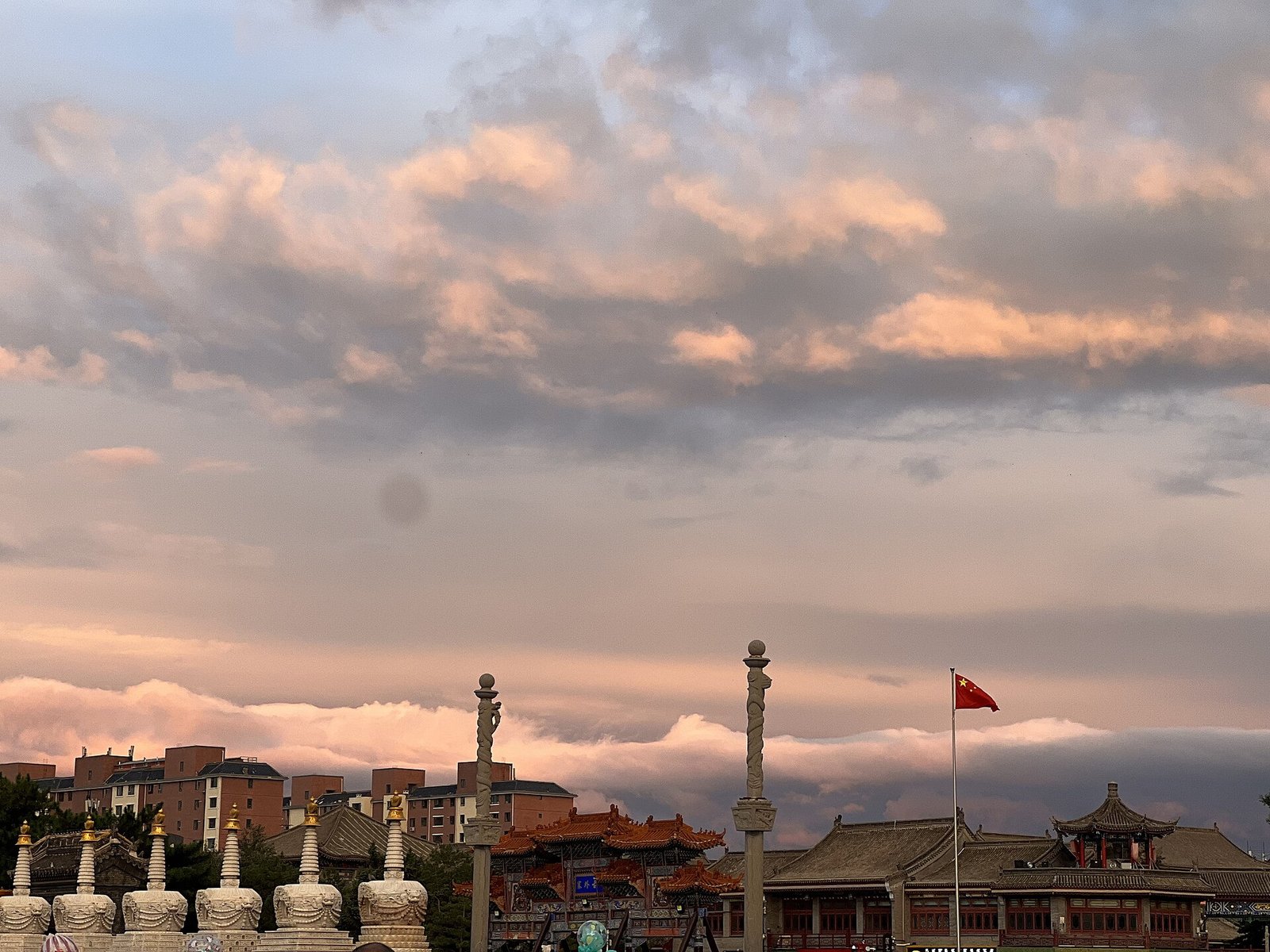
Hohhot temples introduce the city's Mongolian Buddhist history. Dazhao's courtyards and decorated halls are an important starting point, while the Five Pagoda Temple offers a different architectural expression. Visit the Inner Mongolia Museum for archaeological material and the histories of peoples across the northern frontier. The region's past includes trade, migration, agriculture, and imperial administration as well as pastoral traditions.
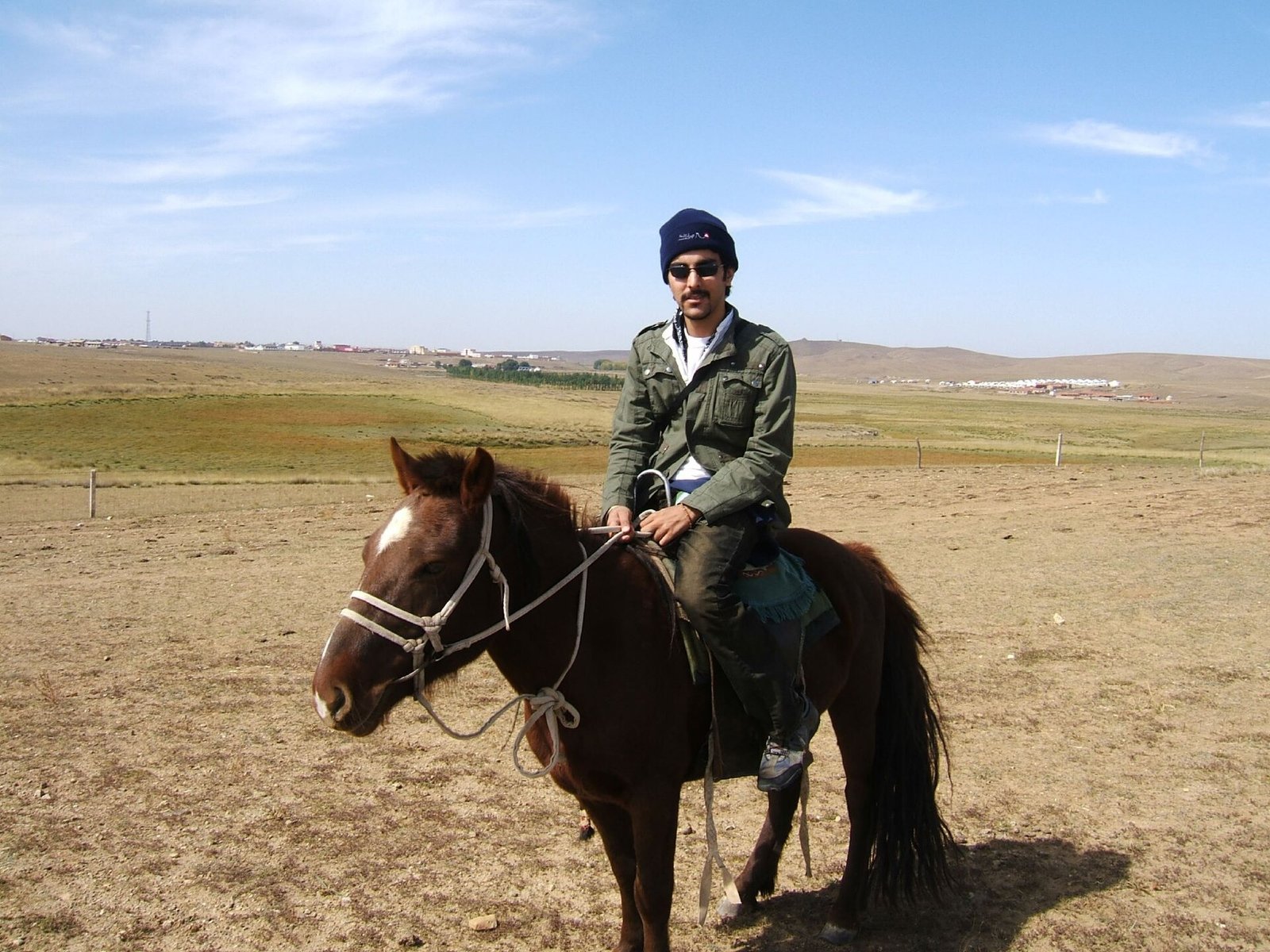
Xilamuren Grassland is a more accessible excursion from Hohhot than Hulunbuir. Its established tourism areas offer riding and camp experiences, but the season and rainfall determine how green the pasture looks. Huitengxile provides another nearby grassland option with a higher, cooler setting and wind-power landscapes. Pick one based on the experience you want rather than scheduling several similar camps.
Where the grass gives way to sand
Resonant Sand Bay, also known as Xiangshawan, lies in the Kubuqi Desert near Ordos and is a developed attraction with managed transport and activities. The name draws on the sounding-sand phenomenon, but amusement facilities are also a substantial part of a visit. Decide whether you want a family activity day or a quieter landscape experience before choosing a package.
The Ordos Museum and the Genghis Khan Mausoleum complex can add historical context in the wider area. The latter is a memorial and ritual complex, not a confirmed burial site containing Genghis Khan's remains. Farther west, the Badain Jaran Desert's enormous dunes and lakes require a separate specialist journey. They cannot sensibly be added as an afternoon stop to a Hohhot itinerary.
Food, music, and the way hospitality works
Milk tea, dairy foods, boiled or roasted lamb, and regional wheat dishes reflect different parts of the local food landscape. Hohhot's shaomai are often associated with a substantial morning meal; oat-flour foods introduce agricultural traditions alongside pastoral ones. Ask before accepting repeated alcohol toasts, and explain politely if you do not drink. Hospitality is something negotiated between people, not a test a visitor has to pass.
Mongolian language, long-song singing, morin khuur music, and Naadam sporting traditions offer specific ways to learn about culture. Naadam events have particular dates and locations; riding demonstrations at a camp are not equivalent to attending a community festival. Han and other residents also shape everyday city life. Describing everyone as a nomad erases most of what a traveler actually encounters.
Choose the month as carefully as the route
Winters are severe, especially in the northeast; grasslands can be windy even during warm months. Summer generally suits green-pasture travel, but rainfall and annual conditions matter. Desert afternoons can be hot while nights cool quickly. Bring layers, protect against sun and wind, use licensed activity operators, and agree on riding limits that match your experience. A satisfying trip gives one area enough time to feel lived in, rather than crossing the entire region to collect grassland names.