Start Planning · Province & region guide
Heilongjiang: A Winter City, a Summer Frontier
Harbin's ice buildings are spectacular, but Heilongjiang is not only a winter backdrop. River promenades, wetlands, forests, and frontier towns give the province a second life when the snow disappears.
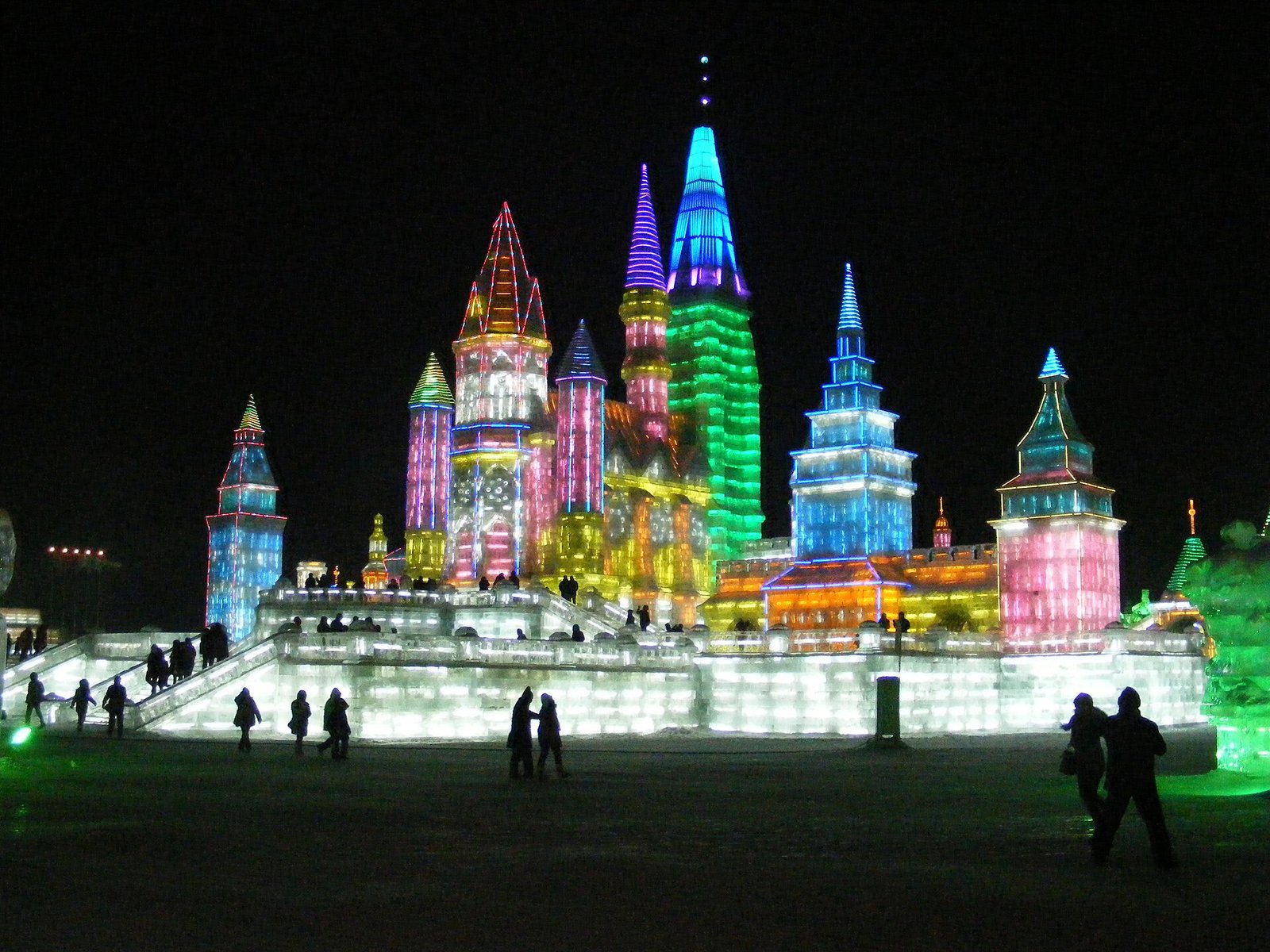
The province occupies China's far northeast. Harbin is the easiest introduction, with transport connections, distinctive architecture, and a strong urban food culture. Ski resorts and snow villages lie farther away; the map's four highlights are not four stops within the same city.
Harbin after dark—and before the lights come on
The Harbin Ice Festival is a season of different events and venues rather than a single attraction. Ice and Snow World is known for illuminated ice structures, while Sun Island is associated with snow sculpture. Actual opening dates depend on the season and conditions. Leave enough time to see ice in daylight as well as after dark, and remember that a long outdoor visit requires more than a warm coat: insulated footwear, gloves, and breaks indoors matter.
Saint Sophia Cathedral introduces the Russian influence associated with Harbin's railway-era development. The former Orthodox church is an architectural landmark, not a reason to describe the whole city as Russian. Zhongyang Street's early twentieth-century commercial buildings, local shops, and pedestrian life offer a broader view. Walk down to the Songhua River, where the season transforms the waterfront from a summer promenade into a winter activity landscape. Only enter ice areas officially opened for use.
The Unit 731 museum in the Pingfang area is a very different visit, documenting wartime atrocities. Its subject requires time, attention, and appropriate expectations; it should not be treated as a cheerful photo stop between entertainment venues.
Yabuli and China Snow Town need their own nights
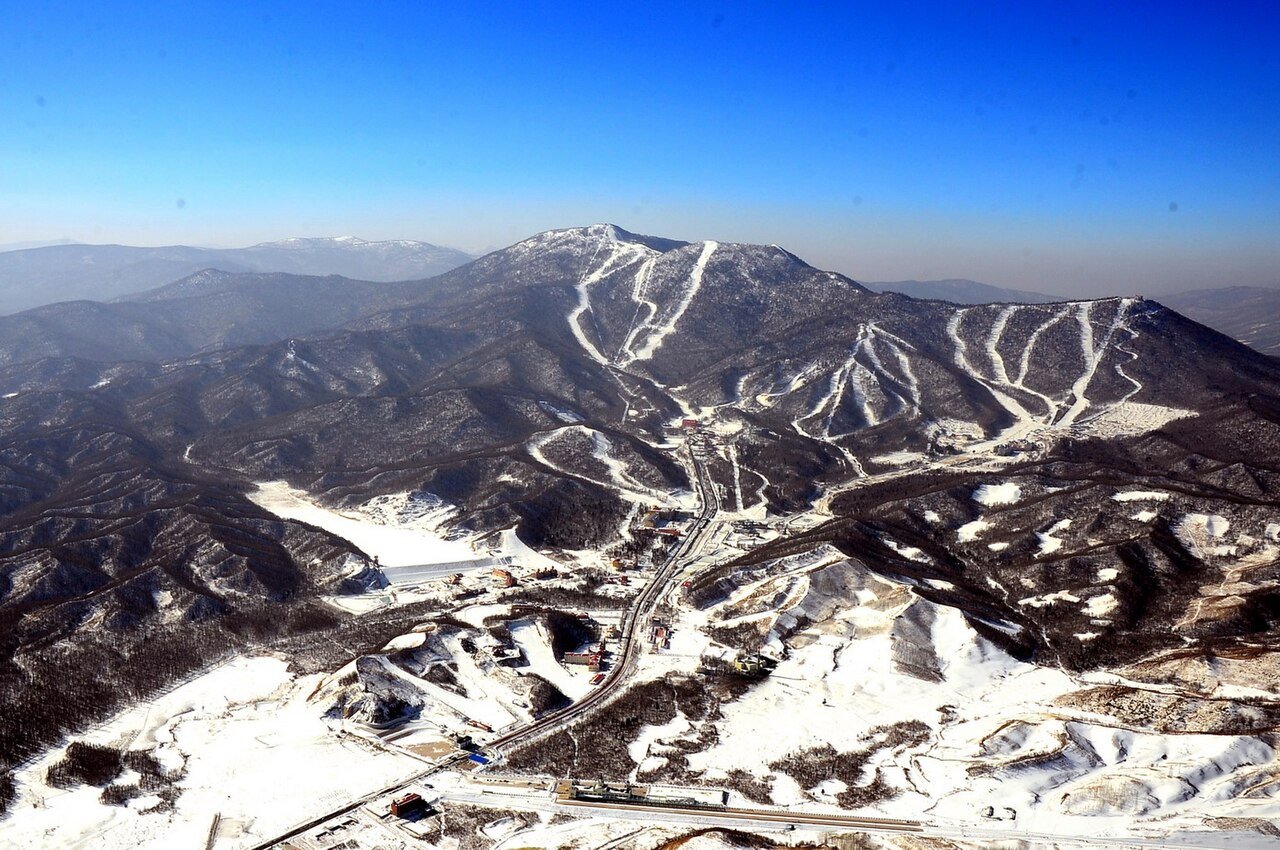
Yabuli Ski Resort is a resort area southeast of Harbin with multiple facilities and accommodation choices. Match the slope, instruction, and equipment rental to your actual experience. Beginners benefit from a proper lesson instead of attempting a larger run because it appears in a promotional photograph. Resort operating arrangements change with snow conditions, so confirm the specific venue and season.
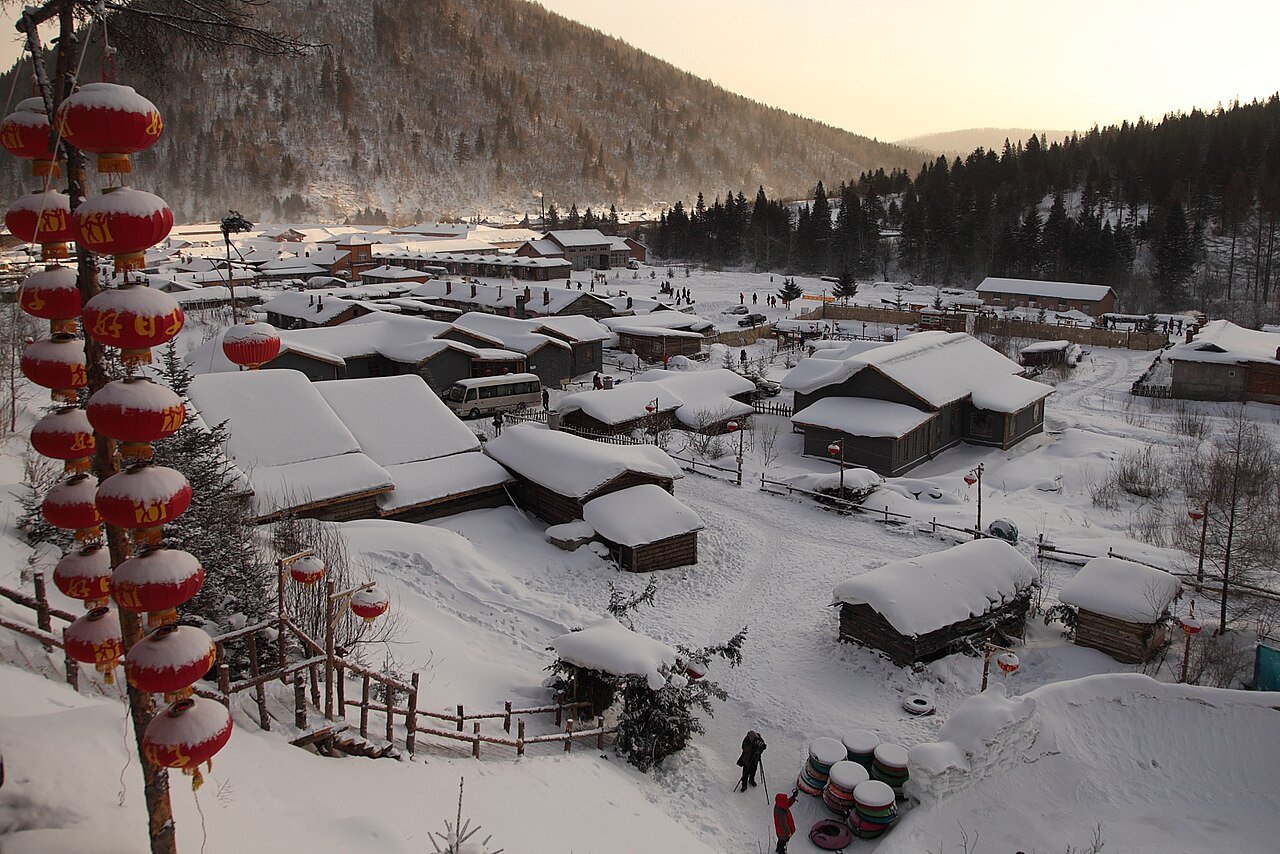
China Snow Town, around Shuangfeng, is known for deep snow, rounded accumulations on roofs, and a highly developed winter visitor scene. It is not a hidden village without tourism infrastructure. An overnight stay gives you a chance to see the streets at different times; agree on accommodation, heating, meal costs, and transfers in advance. Combining Harbin, Yabuli, and Snow Town is possible, but the road legs deserve realistic space.
When the ice is gone
Summer changes the balance of a trip. Harbin's river and parks suit long walks, while Wudalianchi's volcanic landscapes introduce basalt, lakes, and the geology behind the region. Zhalong Wetland near Qiqihar is known for crane conservation; respect viewing routes and do not assume a managed bird display is a guaranteed wild encounter. The Greater Khingan forests and Mohe are much farther north. Mohe's reputation for northernmost settlements does not make aurora sightings predictable or guaranteed.
The province's history includes Manchu and other Indigenous communities, frontier settlement, railways, agriculture, and industrial development. Museums and local guides can help distinguish those layers. A city filled with contemporary universities and businesses is more than a preserved historical facade.
Warm tables in a cold climate
Guobaorou, with its crisp pork and sweet-sour coating, is a Harbin favorite. Dongbei dumplings, stewed dishes, mushrooms, and sauerkraut with pork make sense in a region with long winters. Harbin red sausage and Russian-influenced breads add a local urban strand. Portions can be generous; order a few shared dishes first and add more if needed.
Northeastern conversational humor and lively dinner-table exchange are noticeable cultural traditions, including performance genres such as errenzhuan. They do not mean that every local person is outgoing. Respond to a host's individual style, ask about a dish, and let conversation develop naturally.
Winters can be bitterly cold, with short daylight and batteries losing charge quickly; summer is warmer and can be humid with rain. Autumn often brings pleasant urban walking and forest color. Keep winter schedules flexible enough for warming breaks, and keep summer routes focused enough that reaching a forest or wetland does not consume the whole visit.