Start Planning · Regional travel guide
Taiwan: City Breakfasts, Mountain Railways, and a Lake in the Middle
Taiwan's pleasures often appear in the intervals between major sights: a breakfast shop, a small temple, a train journey, or a night-market conversation. The best first route connects a few distinct areas without trying to circle the whole island at speed.
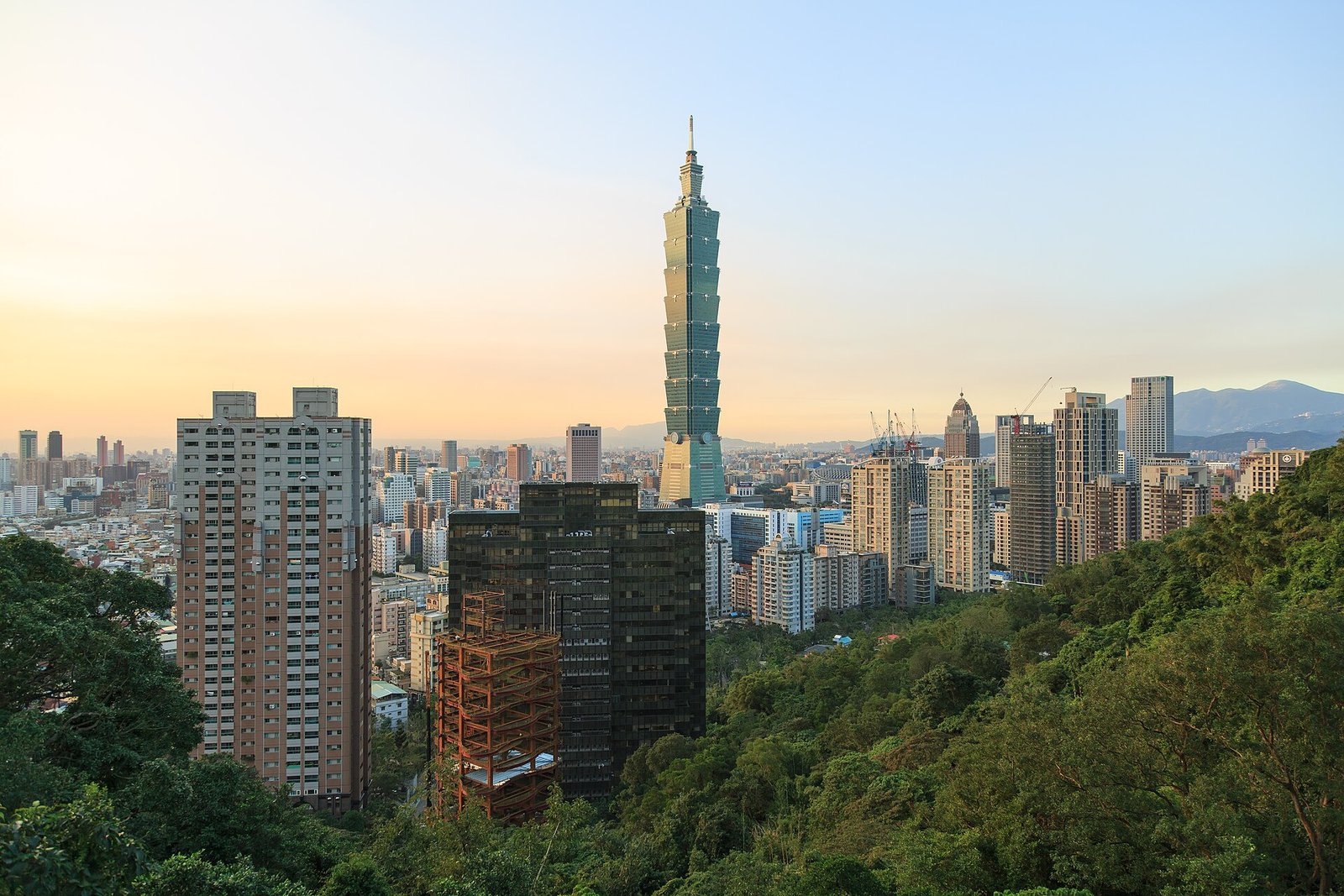
Taipei is a useful northern base. Taiwan has its own immigration procedures, currency, and transport systems; check entry eligibility for your passport and any onward journey independently of mainland arrangements. Use New Taiwan dollars and confirm the local payment and transport options that fit your route.
Taipei: see the skyline, then return to ground level
Taipei 101 is a landmark of the modern city, with observation facilities that offer broad views when weather allows. Different tickets and experiences may be available, so choose what you actually want rather than assuming every purchase includes the same levels. Around it, contemporary streets and transit connections make it easy to continue into ordinary urban life.
The National Palace Museum houses major collections of Chinese art, including painting, calligraphy, ceramics, and other objects. Exhibitions rotate, and famous pieces may be absent, lent, or subject to particular display arrangements. Choose a few galleries and use interpretation rather than expecting to see everything in one short visit. Its location needs a deliberate transport plan from central Taipei.
Longshan Temple introduces active religious life in the older city, while Dihua Street and the Dadaocheng area connect commerce, dried foods, textiles, and historic buildings. Ask before close portraits and give worshippers room. Taipei's contemporary cafes and design businesses belong to the same city as its temples and old trading streets.
Jiufen: steps, sea air, and a mining-town past
Jiufen old streets occupy a hillside northeast of Taipei. Tea houses, lanes, stairs, and views toward the coast create its appeal, but crowds and rain can make movement slow. The town's history is connected with mining; nearby Jinguashi and its museum interpretation deepen the visit beyond lantern photographs.
Do not rely on unsupported film-origin claims to explain the place. Its real history and steep settlement pattern are interesting enough. Choose transport that works for the return journey, wear shoes with grip, and respect residents' doorways. An early or overnight visit can change the atmosphere, though popular areas remain visitor-oriented.
Sun Moon Lake: choose the shore experience
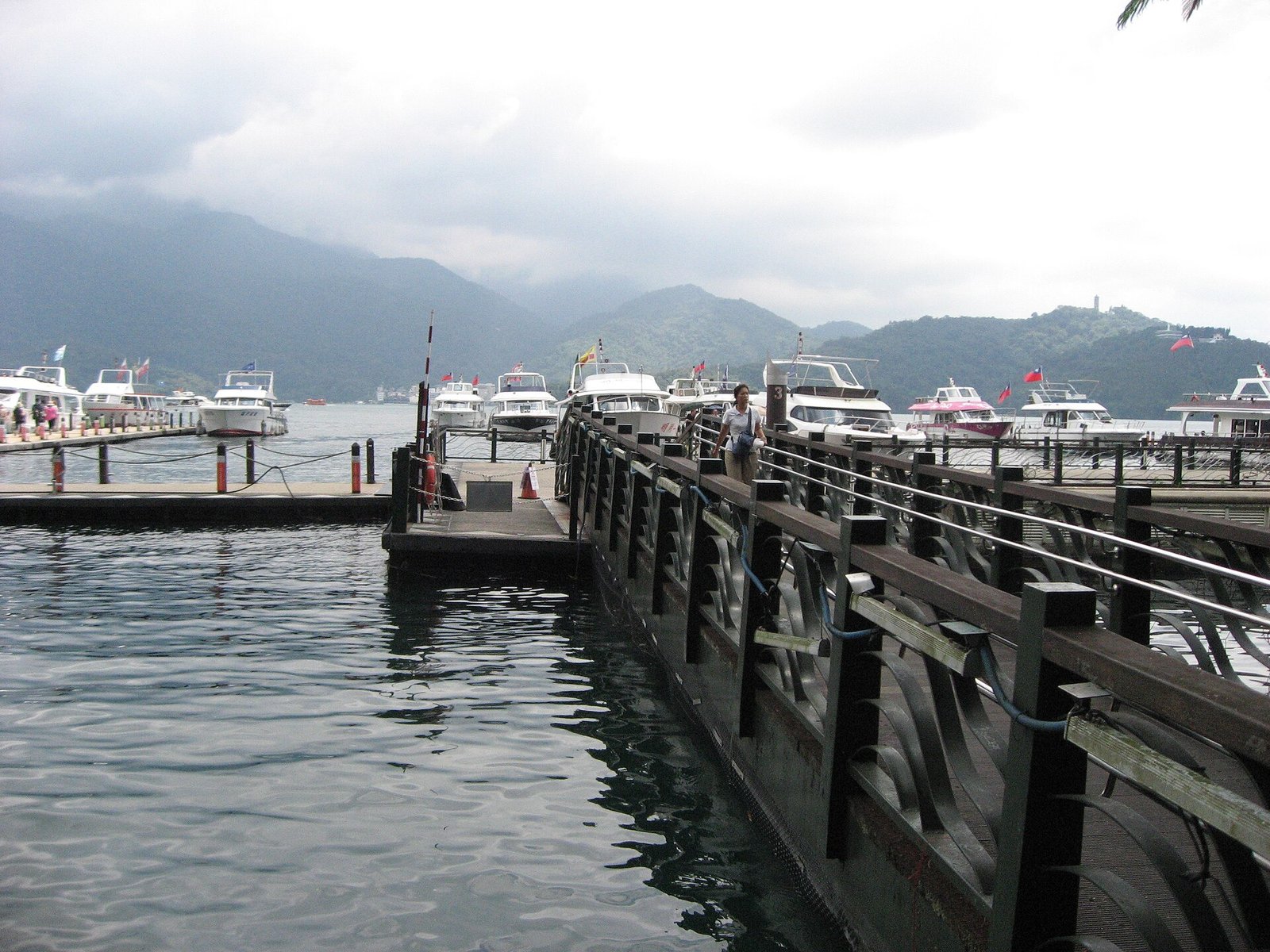
Sun Moon Lake lies in central Taiwan, with towns, viewpoints, temples, and recreational routes around its shores. Boats, buses, and selected cycling paths offer different ways to visit. A short safe cycling section is not the same undertaking as completing a road circuit. Check the actual route, traffic, weather, and equipment before setting off.
The area is connected with Thao Indigenous community history as well as modern tourism. Seek specific interpretation and locally operated experiences where appropriate; a souvenir stall or staged activity cannot represent every aspect of community life. A lakeside night gives time for changing light and a slower walk after day-trip crowds leave.
Alishan and the south offer another journey
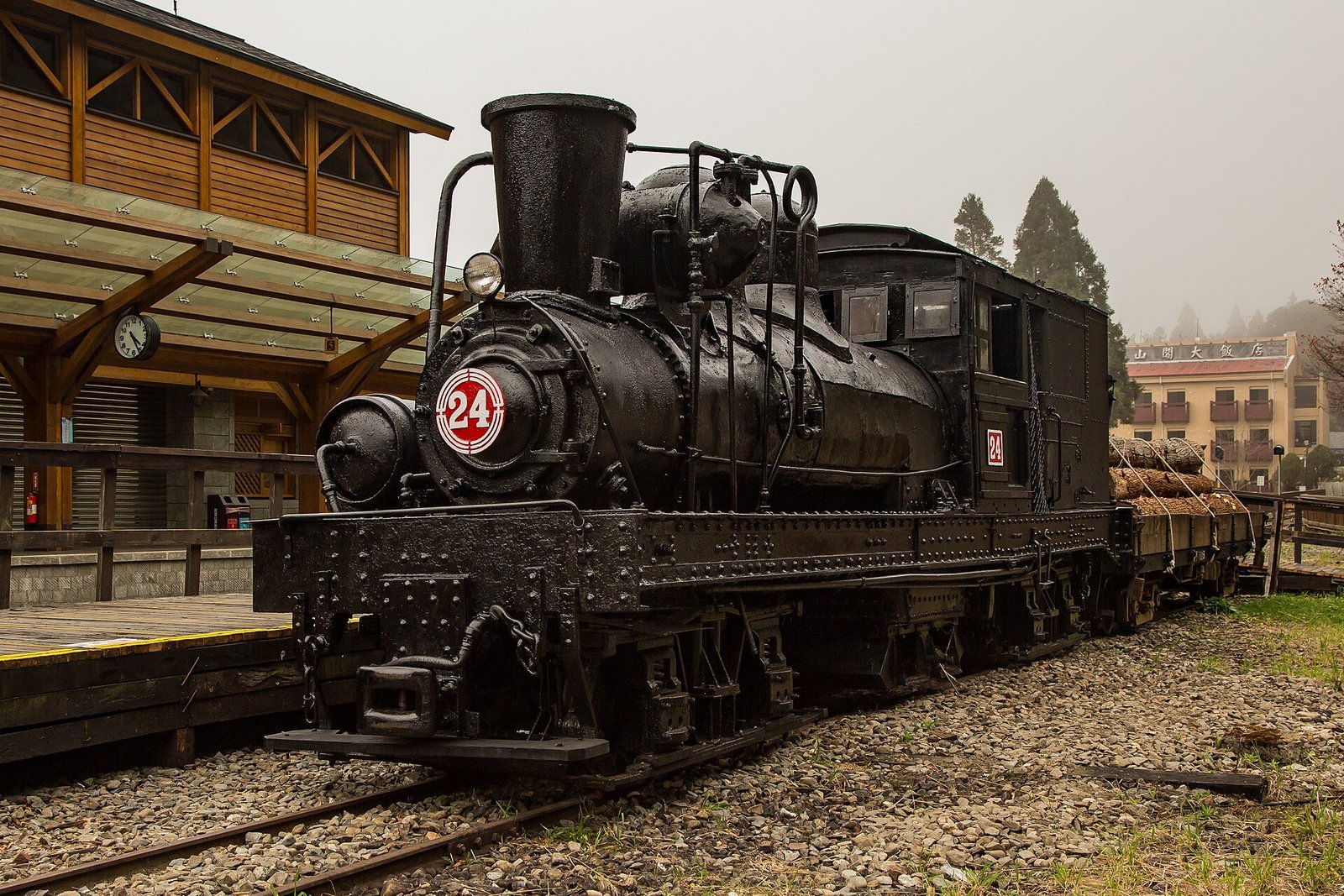
Alishan's forest recreation area and railway traditions introduce a different elevation and landscape. Railway services, branch lines, and sunrise arrangements vary, so check the exact operation rather than assuming every train shown in a photograph runs on your travel date. Cherry blossoms are seasonal, and mountain weather can hide distant views. Forest paths and large trees offer a worthwhile experience without a guaranteed sunrise.
Tainan is a strong extension for historical neighborhoods, temples, and local food. Kaohsiung brings harbor redevelopment, arts areas, and contemporary city life. Kenting offers a southern coastal landscape with weather-dependent activities. Eastern routes require specific checks for road, rail, and scenic-area access after storms or earthquakes; do not assume older accounts of Taroko or any mountain route remain current.
Let a few meals shape the route
Taiwan breakfasts can include dan bing egg crepes, soy milk, rice rolls, and small hot dishes. Lu rou fan pairs braised pork with rice, while beef noodle soup ranges from clear to rich and spicy styles. Oyster omelets, local snacks, shaved ice, and teas offer further variety. Tainan's food has its own traditions, including danzai noodles and milkfish dishes; it is not simply a repeat of Taipei's night-market menu.
Night markets are best enjoyed through a few small orders, with waste disposed of properly and paths kept clear. Ask about fillings, broth, shellfish, and allergens. Tea growing and processing provide another cultural route, while Hokkien, Hakka, Indigenous, and Mandarin-speaking communities contribute different histories and contemporary practices. No single festival or dish stands for every resident.
Summers are hot and humid with typhoon risk; northern winters can be cool and wet, while southern conditions are often different. Mountains require layers throughout the year. A first route might connect Taipei and Jiufen with Sun Moon Lake and a chosen southern city or Alishan, allowing for transfers and weather. The aim is not to visit every corner but to give each selected place enough time to become more than a name.