Start Planning · Regional travel guide
Hong Kong: Harbour Crossings and the City Beyond the Towers
Hong Kong is best understood by moving between levels and shores: ferry deck, market street, hillside, tram, and country trail. The famous skyline is impressive, but the journeys around it reveal how the city actually works.
Hong Kong has its own immigration procedures, currency, and transport systems. Check entry eligibility for your passport and the requirements for any onward mainland journey separately. A mainland itinerary, payment setup, or visa arrangement should not be assumed to cover Hong Kong automatically.
Start at Victoria Harbour, then cross it
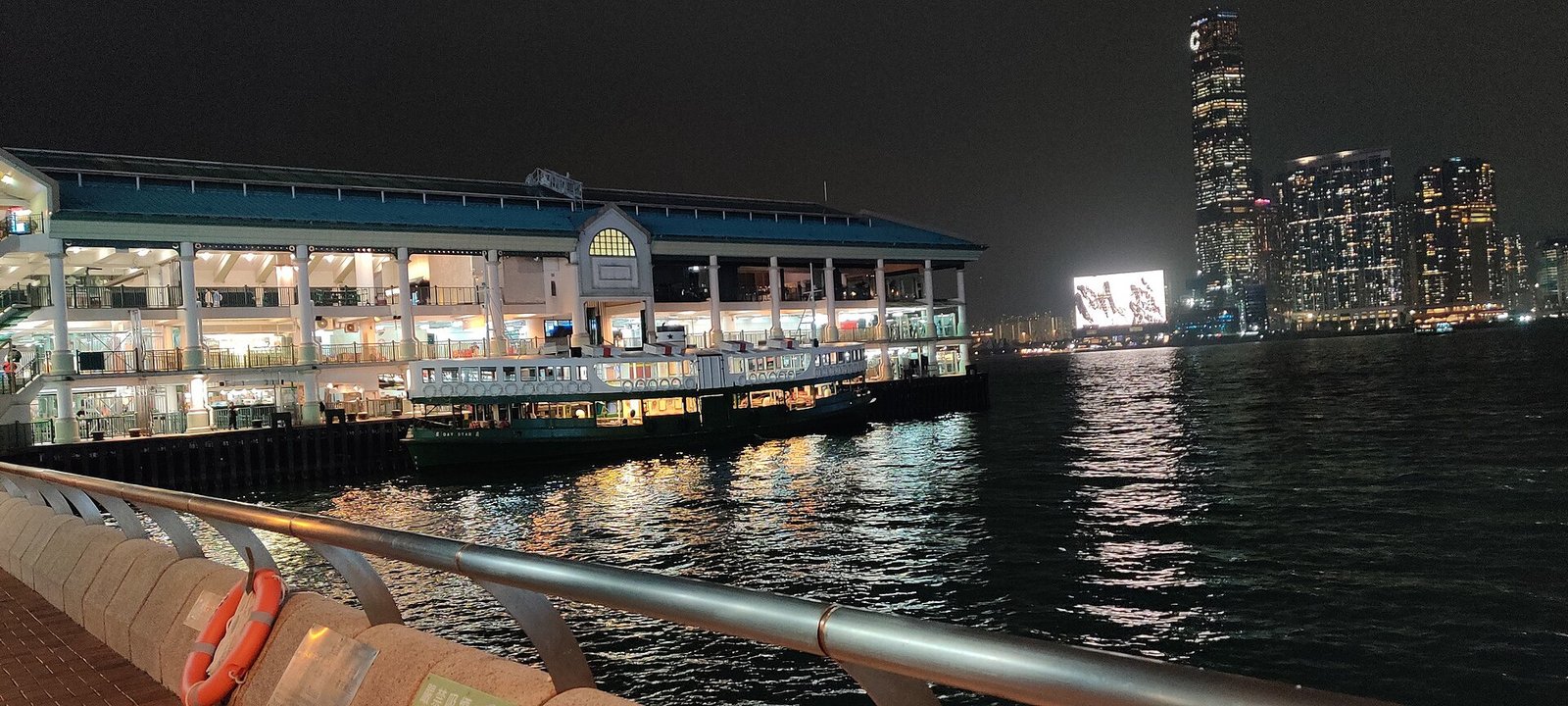
Victoria Harbour separates Hong Kong Island from Kowloon and organizes some of the city's most recognizable views. The Tsim Sha Tsui waterfront looks toward the island's towers, while island-side promenades provide another perspective. Walk a selected stretch at different times of day; changing light and activity are often more interesting than searching for a single exact photo position.
The Star Ferry is a working harbor crossing as well as a visitor favorite. Its short journey offers an affordable, close-to-the-water perspective, with routes and operating arrangements distinct from longer sightseeing cruises. Choose the actual pier and destination, and follow boarding instructions. A ferry crossing can become part of an ordinary day rather than a special packaged excursion.
In Central, trams, buses, and walking routes connect commercial streets with older neighborhoods. The double-decker tram is useful for a slower street-level view, but does not travel throughout every part of Hong Kong. MTR journeys handle longer city connections; choose the exit that matches your destination.
The Peak is a landscape, not only a viewing platform
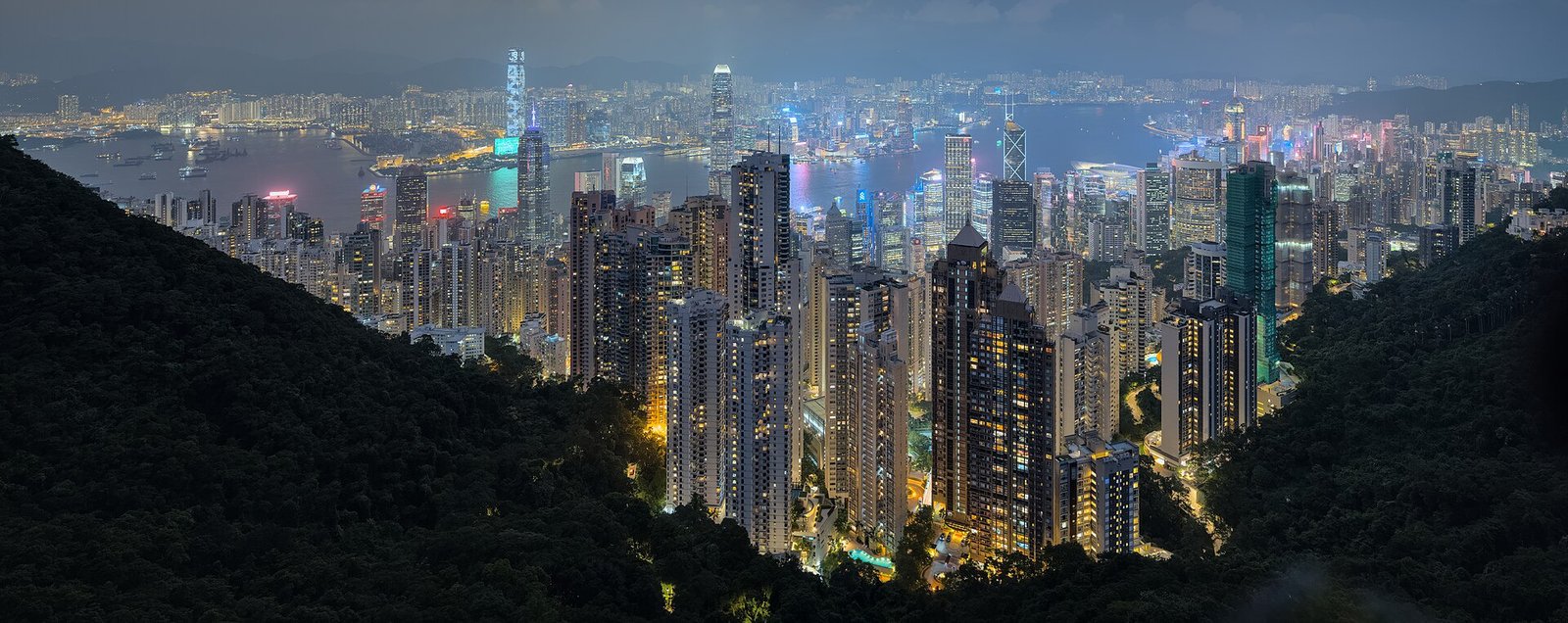
The Peak gives an elevated view of harbor and dense urban development, with surrounding paths offering a different experience from an observation terrace. The Peak Tram, buses, and taxis provide different approaches. Queues and weather affect plans, so avoid building the entire evening around a perfectly clear panorama.
A walk on an appropriate open path can reveal wooded slopes and changes in view. It is cooler and sometimes windier above than on the streets below. Stay on public routes and respect residential areas. The encounter between hills and towers explains the city's form more clearly than height alone.
Mong Kok: shopping streets with ordinary lives attached
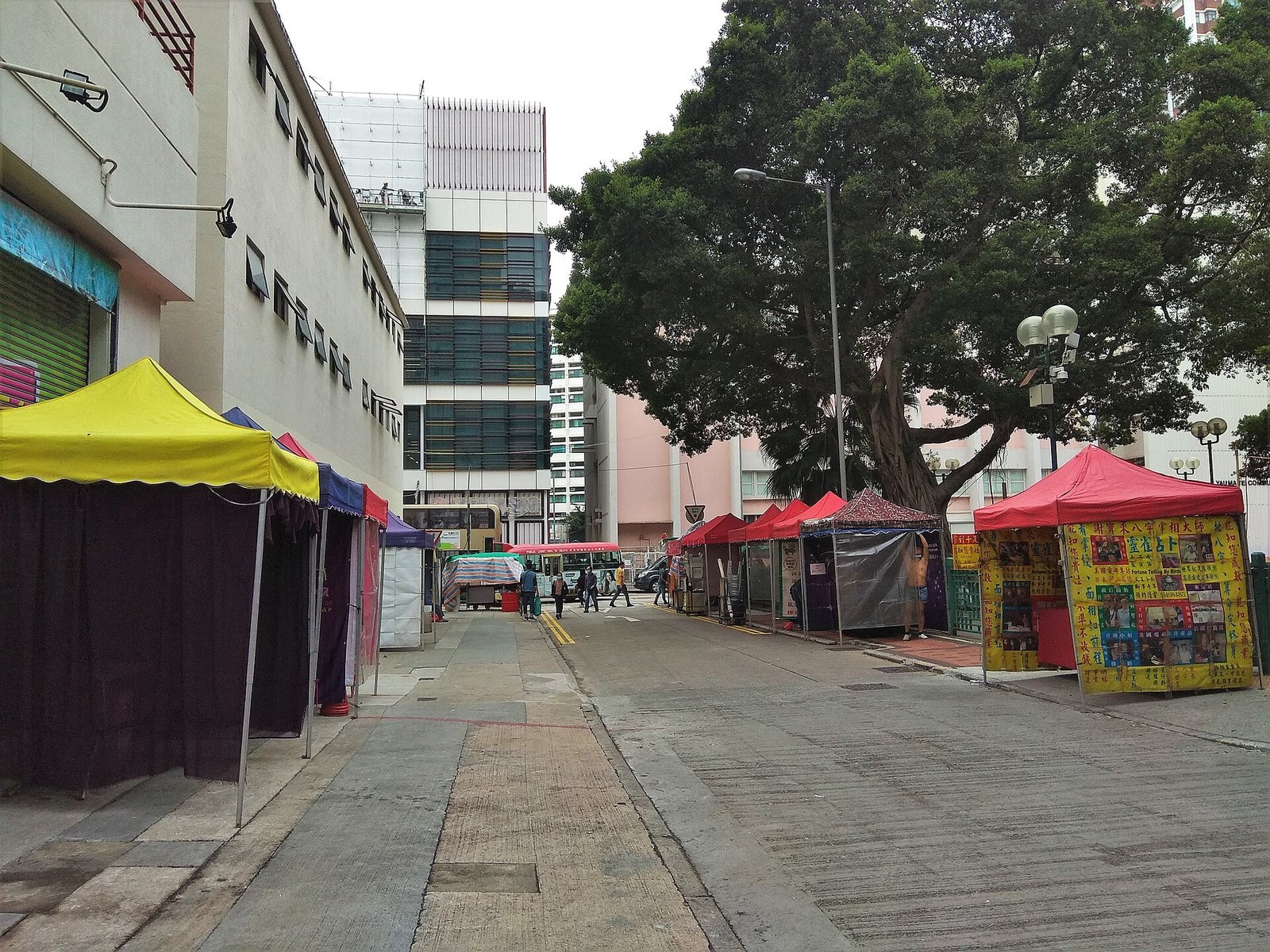
Mong Kok street markets and shopping streets bring dense pedestrian life, specialized shops, food businesses, and familiar urban energy. The Ladies' Market and other named market areas have different products and atmospheres. Compare quality and prices, and do not assume every branded item is authentic because it appears in a busy shopping district.
Nearby neighborhoods such as Yau Ma Tei and Sham Shui Po offer different histories and everyday commerce. Temples, small cafes, hardware shops, and apartment blocks exist alongside visitor routes. Keep residential entrances clear and ask before close portraits. People commuting, delivering goods, or working a stall are not performers in a street-life exhibition.
Give one day to the green Hong Kong
The city includes extensive country parks, hiking routes, islands, and beaches. Dragon's Back offers a popular ridge walk, but requires suitable weather, footwear, water, and a realistic assessment of heat. Sai Kung and its coastal landscapes introduce another area with separate boat and trail arrangements. Lamma or Cheung Chau can provide an island day with villages and walks, depending on what you want to do.
Lantau brings mountain scenery and important Buddhist visitor sites around Po Lin Monastery and the Big Buddha. Cableway operations are weather dependent, and the island is much larger than the immediate attraction area. Choose an excursion rather than trying to cover every rural district in one day. Country parks are protected working ecosystems, not simply empty space waiting for a photograph.
Cantonese food and a city of many kitchens
Yum cha introduces tea, small dishes, and shared ordering. Roast-goose or roast-pork meals, wonton noodles, congee, egg tarts, and cha chaan teng cafe menus offer different local experiences. A cafe's brisk service is part of its working rhythm, not evidence that people are unfriendly. Order clearly, respect shared seating arrangements, and move on appropriately when a busy establishment needs the table.
Cantonese language, cinema, popular music, temple traditions, international trade, and migration all shape cultural life. Museums and heritage areas such as Tai Kwun can give this complexity a concrete form. No single neighborhood or food stall represents every resident's identity.
Summer is hot and humid with heavy rain and typhoon risk; winter is generally milder and often drier, though cool spells occur. Follow weather warnings before exposed hikes or boat trips. Use Hong Kong dollars, and consider an Octopus card or supported local transport payment for convenience after checking current options. A route combining harbor, hillside, market streets, and one green excursion lets the city reveal several lives beyond its skyline.