Start Planning · Regional travel guide
Macau: Read the City Between a Church Facade and a Chinese Temple
Macau's most interesting journey is a compact walk through overlapping histories. Churches, temples, squares, family houses, and food businesses show how maritime contact became an everyday urban landscape.
Macau has separate immigration procedures and its own currency, the pataca. Hong Kong dollars are widely accepted in many businesses, but change and rates may differ. Check entry eligibility for your passport and any onward journey separately, and confirm the current transport arrangement rather than assuming every ferry or border route works the same way.
The facade is an invitation to look more closely
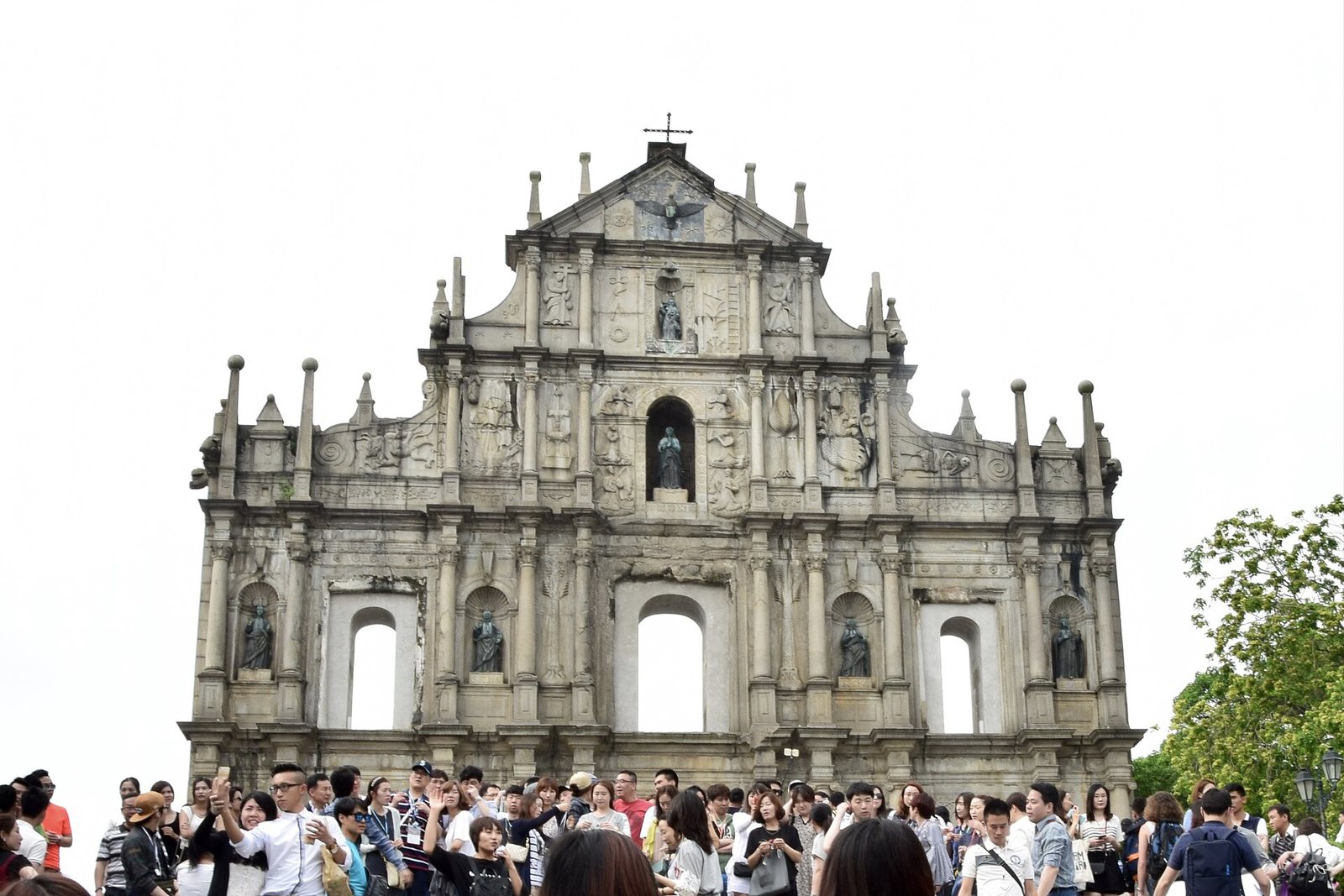
The Ruins of Saint Paul's preserve the celebrated facade and archaeological remains of a former church complex. Its sculpted details reflect a history of religious and artistic contact, not simply a generic European appearance. Look at the facade from different distances and allow time for any open interpretation areas. The steps can be busy; share space and avoid turning the approach into a prolonged private photo session.
Monte Fort above offers a different perspective on defense and the historic city's position. The Macau Museum, when available according to its current schedule, adds context about the territory's communities and development. The fort and church ruins are related to the same broader urban history but served very different functions.
Senado Square leads into a network of streets
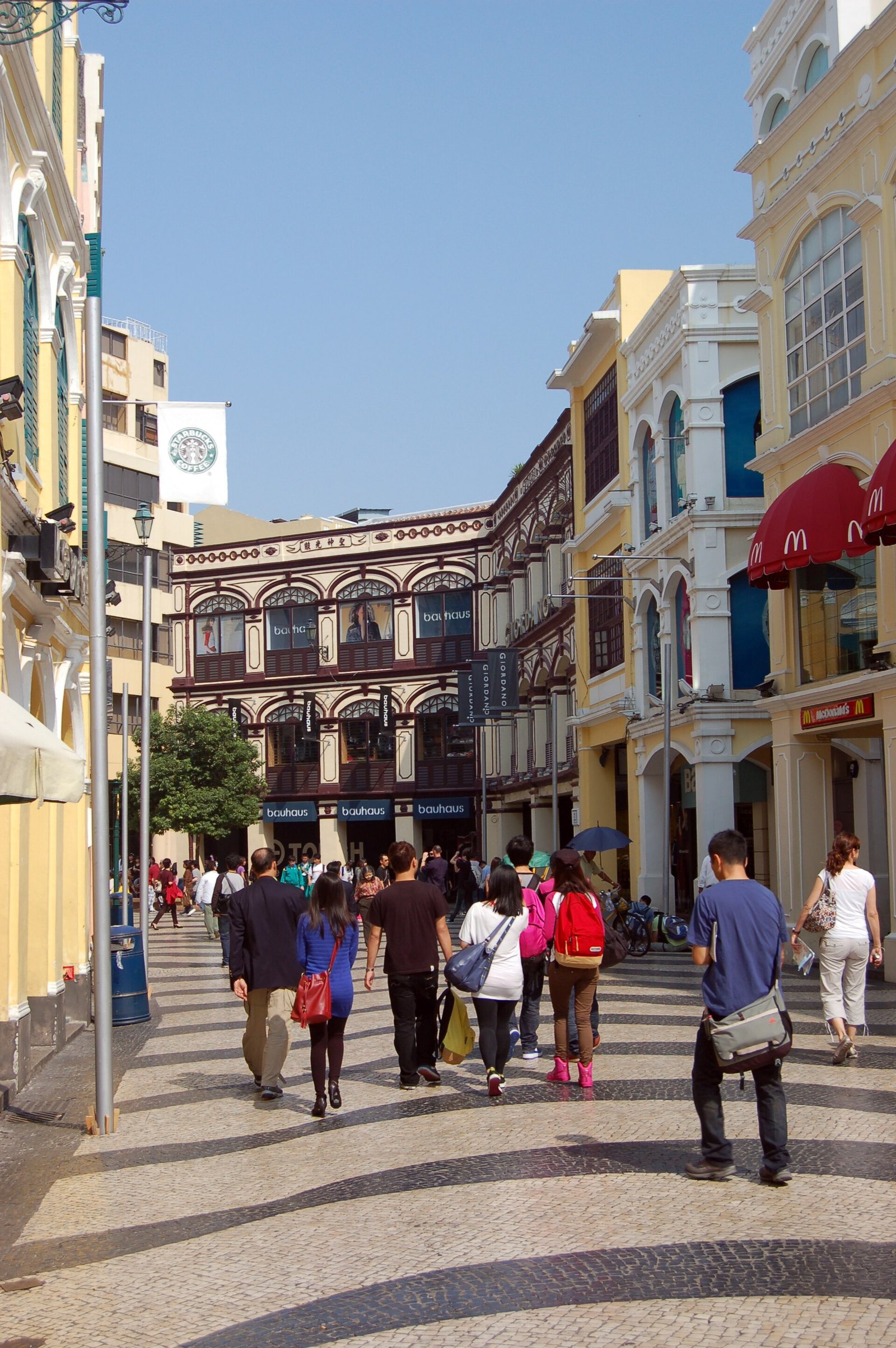
Senado Square's paving and surrounding buildings make an attractive central starting point. Follow the lanes to churches, shops, and smaller squares rather than treating the plaza as the entire historic center. St Dominic's Church is one significant stop, while the wider heritage ensemble includes buildings and public spaces with different religious and civic roles.
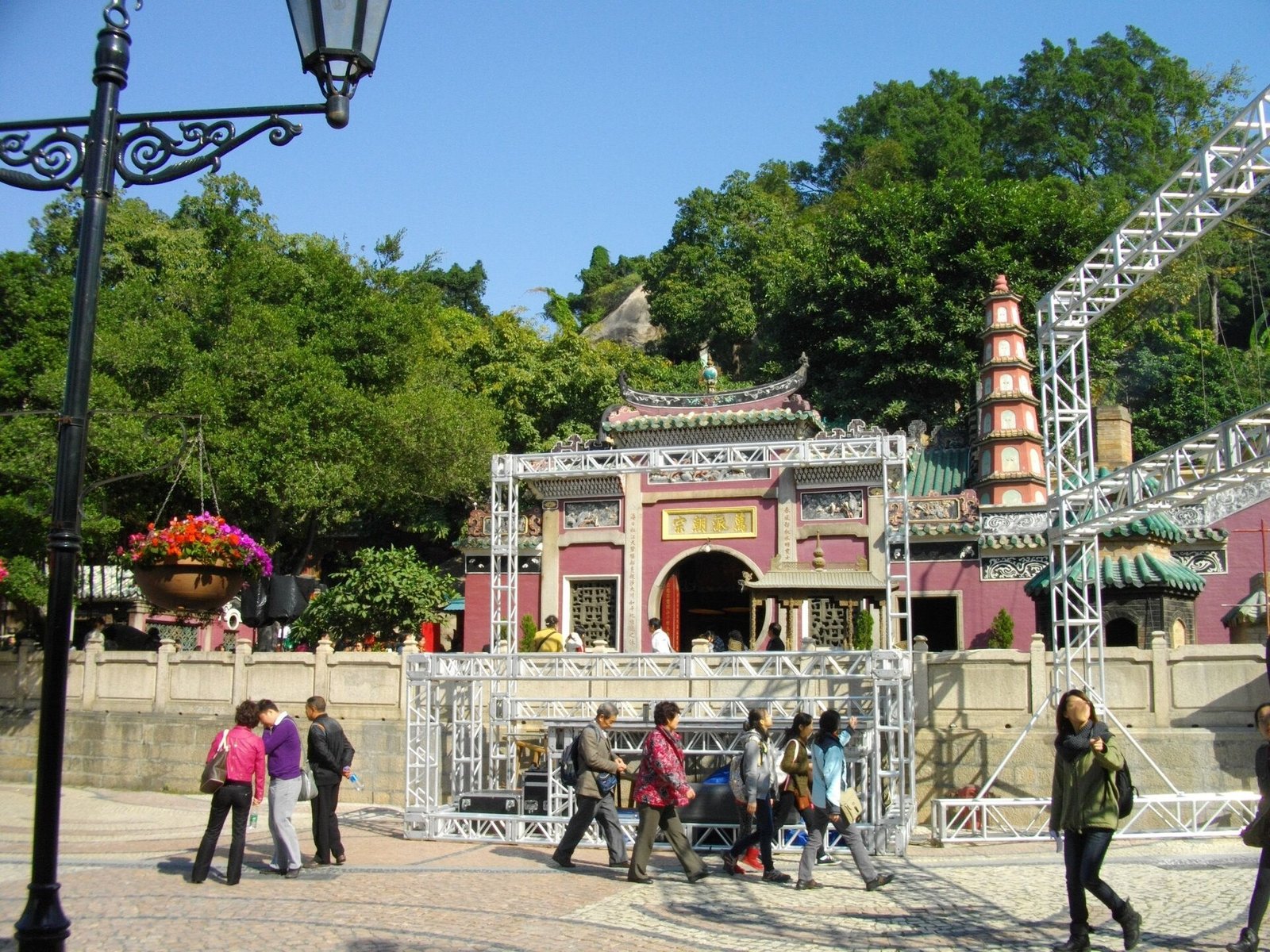
A-Ma Temple introduces Chinese religious traditions and maritime devotion at the other end of a longer old-city route. The Mandarin's House adds a substantial residential complex and the history of a Chinese family within the city. Together, these visits make it clear that Macau's heritage is not exclusively Portuguese. Dress and behave respectfully in active religious places, and follow rules for interiors.
Taipa is a neighborhood before it is a menu
Taipa Village offers narrow streets, food businesses, temples, and historic houses in a setting distinct from the peninsula's central heritage route. The Taipa Houses complex introduces another architectural chapter. Modern tourism is prominent, but a slower walk can still reveal local scale between larger developments.
Nearby Cotai's resorts create a different landscape of entertainment, hotels, shopping, and large constructed environments. Seeing them can be interesting if that is your preference, but they are not a substitute for understanding the old city. Casino attendance is optional and not necessary for a meaningful Macau trip. The contrast between the two areas is itself revealing.
Coloane adds another village setting and quieter walking opportunities, with coastal and hill routes that depend on conditions. It is worth choosing a particular excursion there rather than treating all of Macau as a single compact square.
Macau Tower: a modern view, chosen deliberately
Macau Tower provides elevated views and a range of visitor activities. Observation, dining, and extreme-sport products have different tickets and requirements. You can enjoy the city from a viewing deck without undertaking a thrill activity. Clear weather makes a difference, so check conditions before choosing a visit chiefly for distant views.
The waterfront and bridges reveal how the territory's form has changed through modern development and reclamation. Historical maps or museum interpretation can make this visible more clearly than a skyline photograph alone. Give the modern city its own explanation instead of treating it as an intrusion into a preserved past.
Macanese cooking is not just Portuguese food abroad
Macanese cuisine developed through local households and long-distance connections, combining techniques and ingredients from different places. Dishes such as minchi and African chicken illustrate that layered food history, with recipes varying between cooks. Portuguese-style dishes and Chinese regional food also have substantial local lives; they should not all be labeled Macanese automatically.
Egg tarts, pork-chop buns, almond cookies, and other snacks create an easy small-portion route through visitor streets. Try a restaurant meal as well if you want to understand cooking beyond pastries. Ask about ingredients and spice rather than assuming a familiar-looking dish will taste exactly as it does elsewhere. Food, language, religious practice, and family histories all contribute to the territory's cultural character.
Summer is hot, humid, and rainy, with typhoons capable of disrupting transport. Cooler months often favor long heritage walks, though rain and chilly spells remain possible. A day trip can introduce the main old-city route; an overnight stay makes room for Taipa, a proper meal, and less hurried evening streets. Compact distances are Macau's advantage, but its layered history still deserves time.
- A short introduction: the Saint Paul’s area, Senado Square, and a carefully chosen heritage walk.
- An overnight visit: add Taipa or Coloane, a proper restaurant meal, and time in the old city after the main day-trip rush.
- A deeper heritage focus: choose the Mandarin’s House, A-Ma Temple, and museum interpretation to connect Chinese and Portuguese strands.