Start Planning · Province & region guide
Shandong: Sacred Steps, Sea Air, and a Generous Table
Shandong pairs two very different pleasures: walking through landscapes loaded with cultural meaning, and slowing down by the sea. Mount Tai and Qufu belong to an inland heritage route; Qingdao introduces a maritime city with its own history.
Jinan is the provincial capital, known for its springs, while Qingdao is a major coastal base. Rail connections make a regional route possible, but inland and seaside sights still require travel time. Decide whether you want a focused cultural journey or enough days to connect it with the coast.
Mount Tai is a climb through inscriptions
Mount Tai, or Taishan, rises above Tai'an and has long been associated with state ritual, pilgrimage, and literary memory. Temples, carved inscriptions, gates, and stairways make the ascent a cultural landscape as well as a physical effort. Dai Temple in the city below gives important context before you approach the mountain.
There are different combinations of walking, scenic-area transport, and cableway access. Choose according to your fitness and conditions rather than assuming that the famous stair route is compulsory. Even with a cableway, steps and uneven ground remain. Sunrise journeys require darkness, cold, crowd management, and uncertain weather; a clear daytime visit can be just as rewarding. Do not promise yourself a sunrise simply because you reach the summit.
Qufu makes an intellectual tradition tangible
The Qufu Confucius sites include the temple, the Kong family mansion, and the cemetery. They introduce worship, family continuity, and the institutional legacy surrounding Confucius. The large temple complex developed across later centuries; it is not a preserved building constructed by the philosopher himself. A guide can help connect halls, ceremonial spaces, and commemorative tablets with their functions.
The mansion and cemetery offer different stories from the temple, so choose enough time for what interests you. Confucian ideas about learning, relationships, and social responsibility are historically influential, but contemporary Chinese people interpret them in many ways. The sites explain a tradition, not a rulebook describing every family today.
Qingdao: architecture meets the working coast
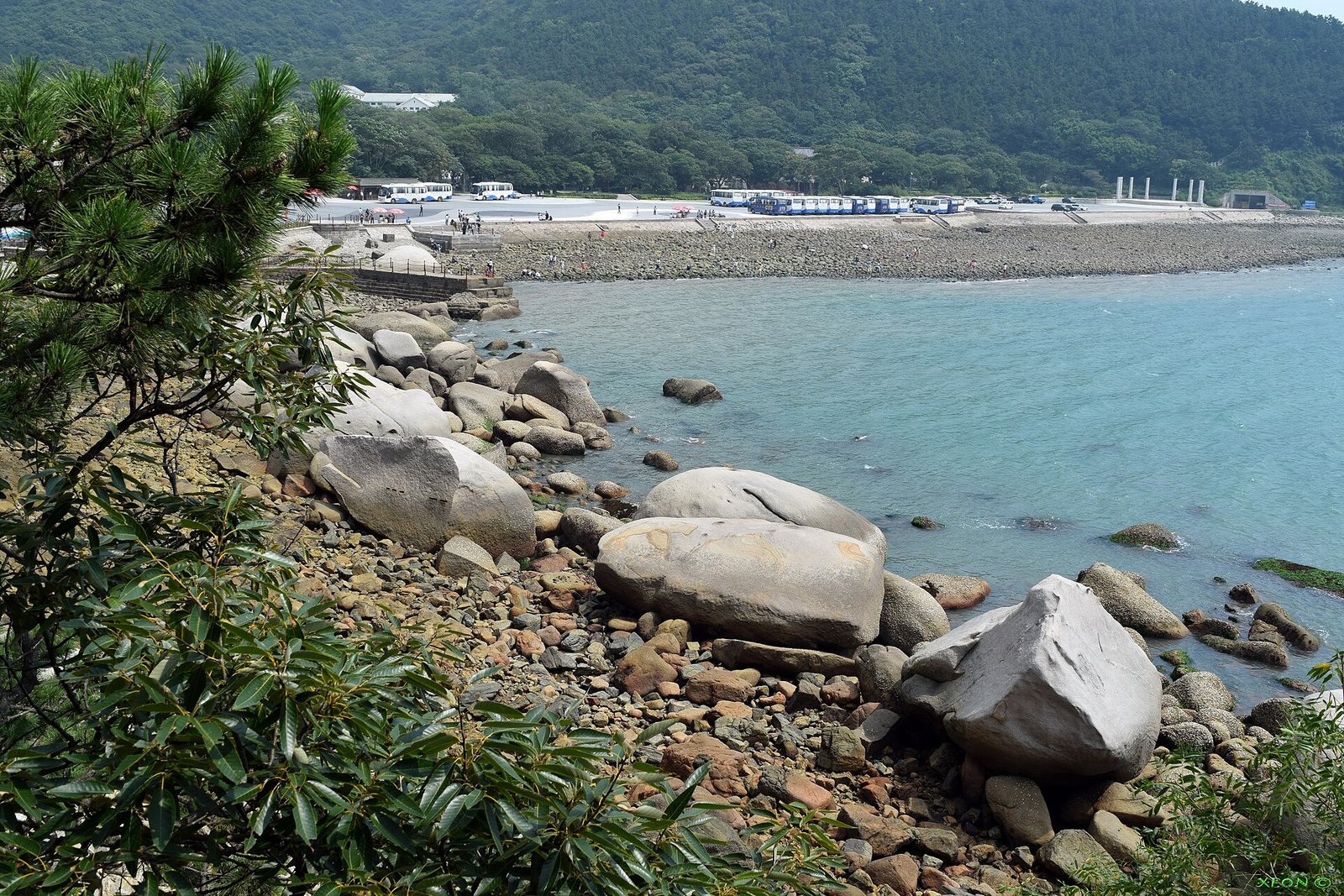
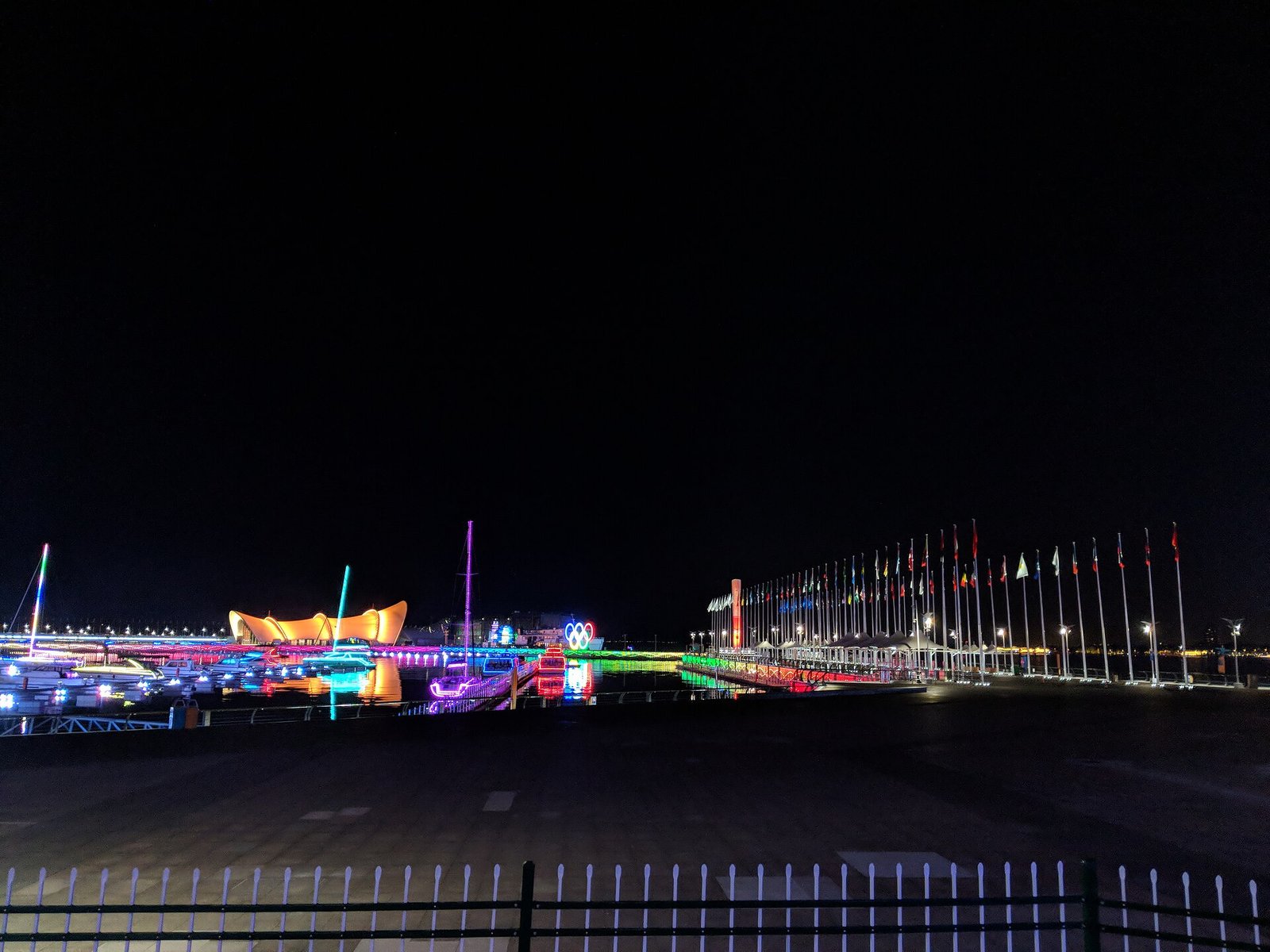
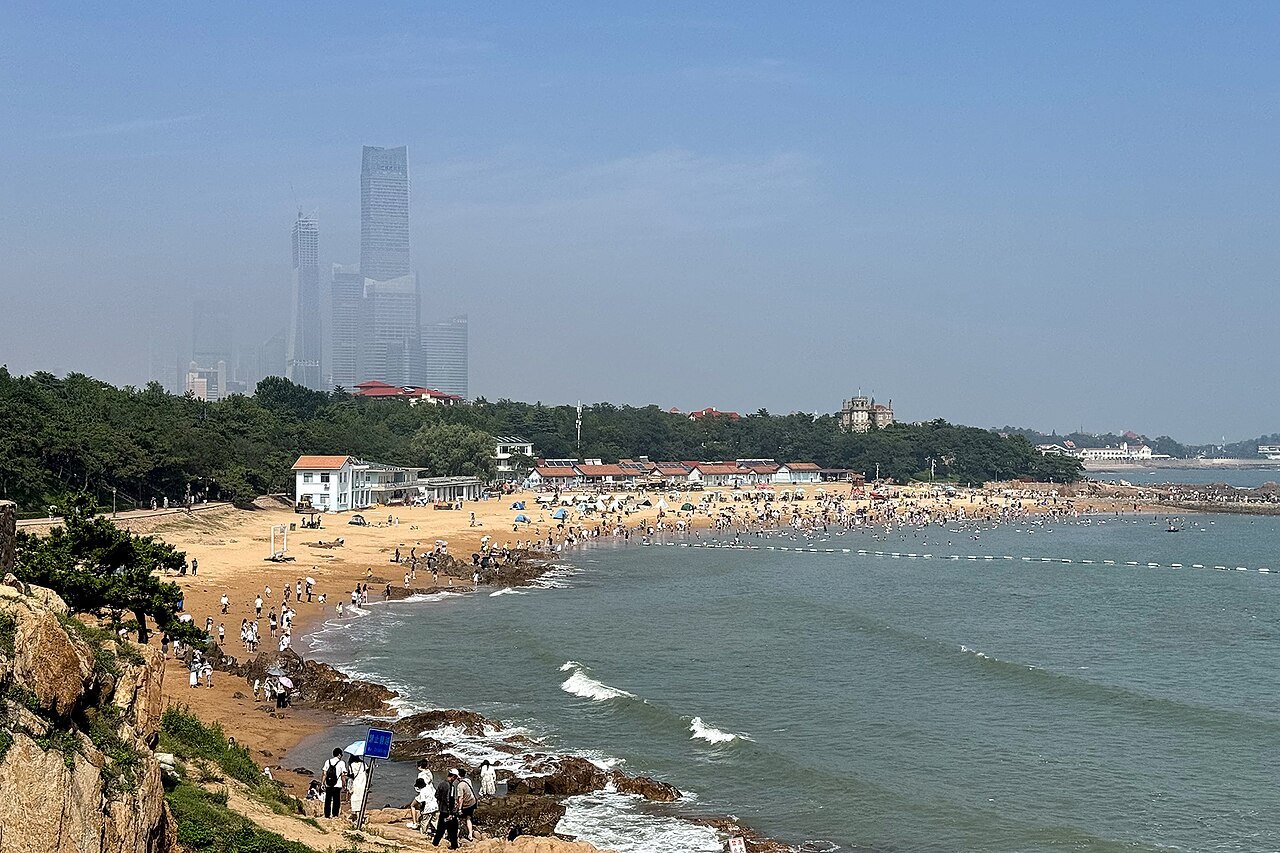
The Qingdao coast includes urban beaches, rocky shorelines, promenades, and bays. Zhanqiao gives a recognizable harbor view, while the Badaguan area combines tree-lined streets and early twentieth-century architecture. The city's German colonial period is one historical strand among later Chinese urban development, maritime trade, and modern industry. Look at the buildings with that full context rather than calling the city a European transplant.
The beer museum introduces a particularly recognizable local industrial history. Seasonal festivals and busy beach periods can bring crowds, so verify dates if a particular event motivates the trip. Outside the central city, Laoshan Mountain combines granite coastal scenery with Taoist associations. Its scenic sections have different entrances and routes; choose one instead of assuming you can walk through the entire mountain area in a short afternoon.
Jinan and the peninsula widen the picture
Jinan's Baotu Spring area and Daming Lake offer a different relationship with water: springs and city landscape rather than sea. The actual flow of springs can vary, but their role in local identity remains important. The Shandong Museum can add regional archaeology and art to an inland route.
Farther along the peninsula, Yantai, Weihai, and Penglai offer additional coastal stays, with different urban histories and landscapes. Penglai Pavilion is associated with maritime legend and cultural memory; offshore islands need a separate transport plan. Choose a town that fits the kind of seaside time you want instead of rushing along the entire peninsula.
Understand hospitality without turning it into an obligation
Shandong cuisine, or Lu cuisine, includes carefully handled broths, braised dishes, seafood, and a strong wheat-food tradition. Coastal meals might include fish, shellfish, and seaweed dishes, while inland menus bring other preparations. Dumplings, steamed breads, and pancakes add everyday texture. Ask about seafood pricing before ordering and do not assume a famous banquet dish is the most common household meal.
Large shared meals and enthusiastic hosting are a recognizable social tradition, but a visitor can politely decline more food or alcohol. Hospitality is not a requirement to finish every serving or toast. Regional opera, markets, and ordinary morning food shops offer further cultural entry points without an elaborate ceremony.
Shandong has cold winters and hot rainy summers, with maritime wind and humidity on the coast. Mountain tops can be much cooler than Tai'an below. Spring and autumn often suit heritage walks; summer coastal stays need crowd and weather flexibility. A route that gives inland learning and seaside relaxation distinct space makes the province's contrasts memorable.