Start Planning · Province & region guide
Ningxia: A River Oasis Between Desert and Mountain
Ningxia is small compared with its western neighbors, which makes its contrasts unusually approachable. Within one regional journey, you can see Yellow River agriculture, desert dunes, rock art, and the remains of a once-powerful kingdom.
Yinchuan is the capital and a useful northern base. Zhongwei, farther southwest, is the gateway to the best-known desert-and-river scenery. Distinguishing those two bases makes it easier to organize the map's highlights without unnecessary backtracking.
The kingdom behind the earthen towers
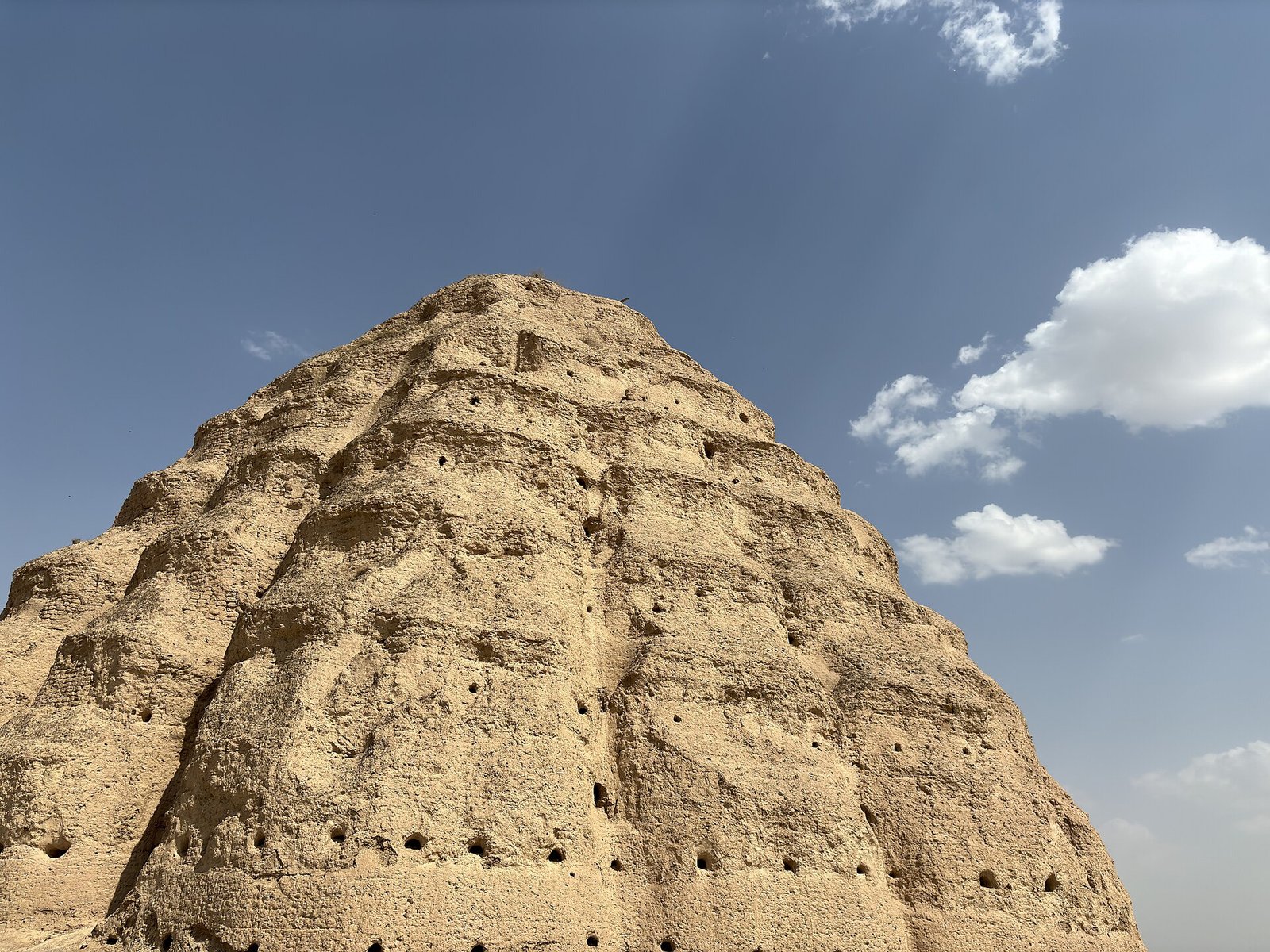
The Western Xia Tombs sit below the Helan Mountains near Yinchuan. Their surviving earthen forms are only the visible remains of much larger funerary complexes associated with the Tangut-ruled Western Xia kingdom. Museum interpretation helps reconstruct the relationship between the structures, the court, and the distinctive writing system. The tomb landscape was added to UNESCO's World Heritage List in 2025; its significance lies in the archaeological ensemble, not simply unusual tower shapes.
The Ningxia Museum adds a wider regional context, including archaeological material and the histories of the Yellow River plain. Visiting before or after the tombs can turn an otherwise puzzling group of mounds into a readable political history. The kingdom flourished between much larger neighboring powers and left more than a picturesque ruin.
Read the Helan Mountains at walking speed
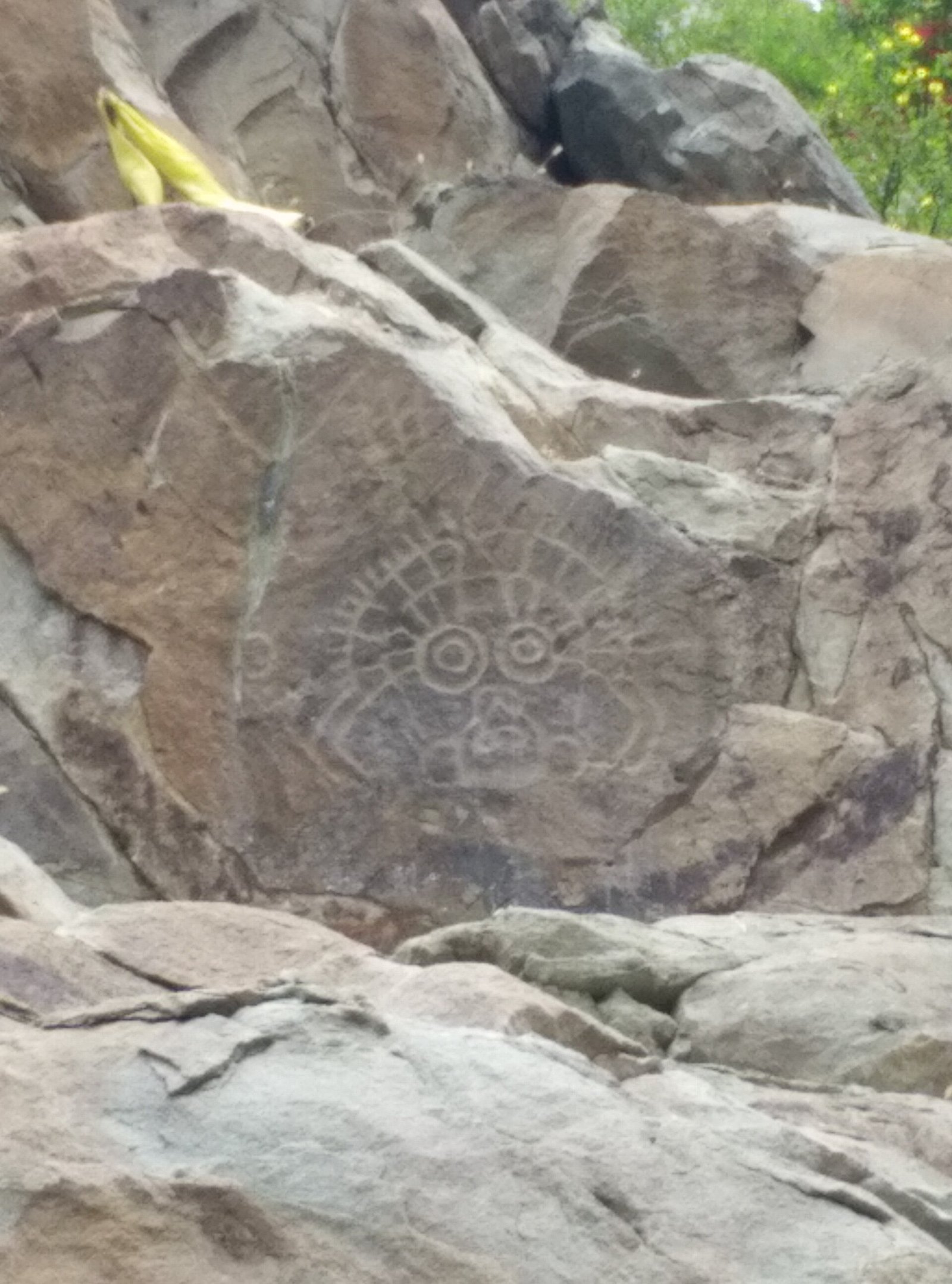
Helan Mountain rock art preserves images made by different communities over long periods. Human and animal figures invite close looking, but an image's precise meaning is not always certain. Use the site's interpretation and avoid confident claims that every carved face represents a particular deity. Never touch, trace, or add marks to the rock surfaces.
Nearby mountain outings reveal how sharply the terrain rises from the cultivated plain. The Helan foothills also have a contemporary wine industry. A winery visit can be an interesting additional strand if it offers a genuine tour, but reserve transport and avoid assuming that every vineyard welcomes walk-in visitors. This is a modern agricultural story alongside the ancient one.
Shapotou: three landscapes in one view
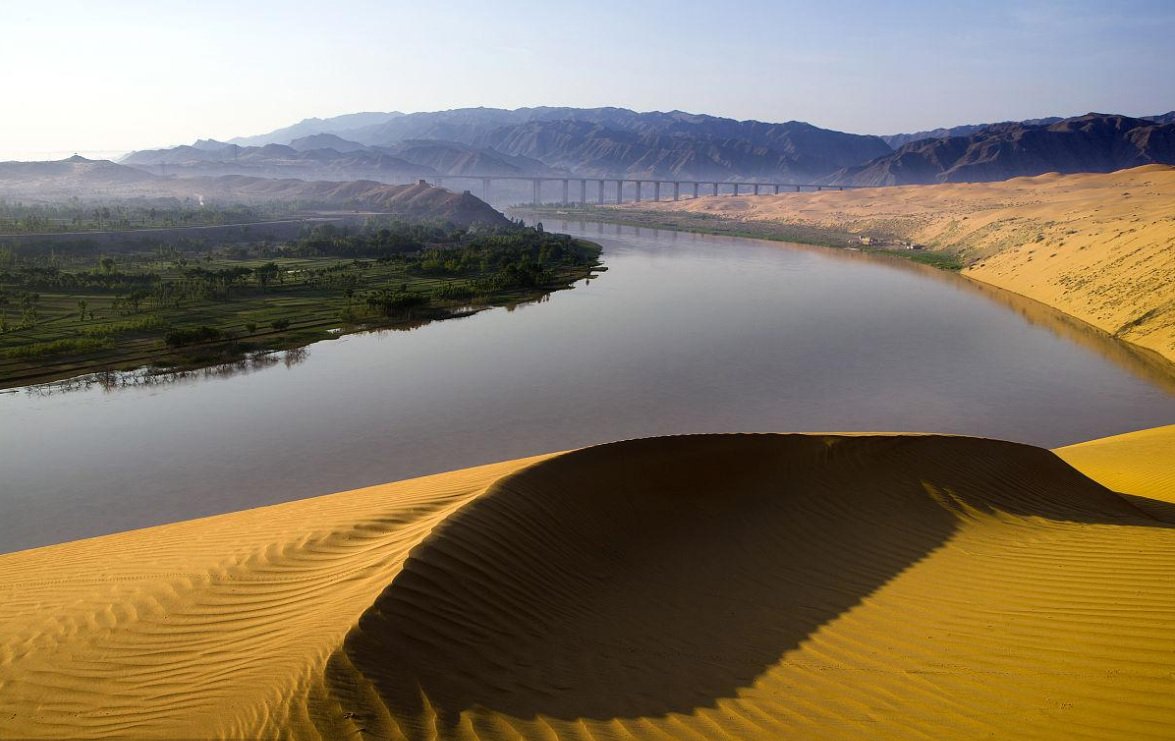
Shapotou near Zhongwei brings the Tengger Desert, the Yellow River, and an oasis margin together. Managed areas offer desert activities and river-related experiences; decide which you want before buying a package. Cable systems, sand sliding, camel rides, and rafting are activities with separate practical requirements, not interchangeable ways of seeing the site.
Give the landscape itself time. From a suitable viewpoint, the river's green corridor against the dunes makes irrigation geography immediately understandable. Heat, strong sun, and blowing sand can be more demanding than the apparent simplicity of a dune walk. Carry water and use appropriate footwear, and stay within the permitted visitor area.
Zhongwei's Gaomiao complex adds architecture to a desert-based stay. A longer route can include other sections of Yellow River scenery, but “the Yellow River” is not one precise attraction. Choose a named riverside area or guided excursion with a known access point rather than relying on a vague map pin.
A Hui cultural region with many ways of living
Ningxia is a Hui autonomous region, and Islamic food businesses and religious architecture form an important part of its cultural landscape. Hui identity does not imply identical levels of observance or a single way of life. Ask about a site's visitor rules, dress appropriately for religious spaces, and avoid entering worship areas without permission.
Yinchuan's parks, shops, family restaurants, and contemporary neighborhoods show the region beyond heritage tourism. Yellow River irrigation has sustained farming settlements for centuries, while newer industries and urban development add another layer. A market visit can make this combination more tangible than an abstract description of “Silk Road culture.”
Lamb, noodles, and a practical first circuit
Ningxia lamb is celebrated in dishes such as hand-eaten boiled lamb, where the flavor of the meat matters more than a heavy sauce. Wheat noodles, local breads, and halal preparations are common; goji berries are a recognizable regional agricultural product, not a cure visitors need to purchase. Confirm ingredients and respect restaurant restrictions around pork and alcohol.
A manageable introduction uses Yinchuan for the tombs, rock art, and museum, then Zhongwei for Shapotou and a slower river-and-desert day. The climate is dry, with cold winters, hot summer afternoons, and substantial temperature changes after sunset. Spring wind and dust can affect plans; autumn often suits outdoor visits. Mountain and desert excursions need layers, sun protection, and explicit return transport. Ningxia's value is that these contrasting stories can connect without crossing half the country.