Start Planning · Regional travel guide
Chongqing: A City You Understand by Changing Levels
In Chongqing, the shortest line on a map is rarely the whole route. A street can reach a bridge at one level and a building entrance at another, while the river lies far below.
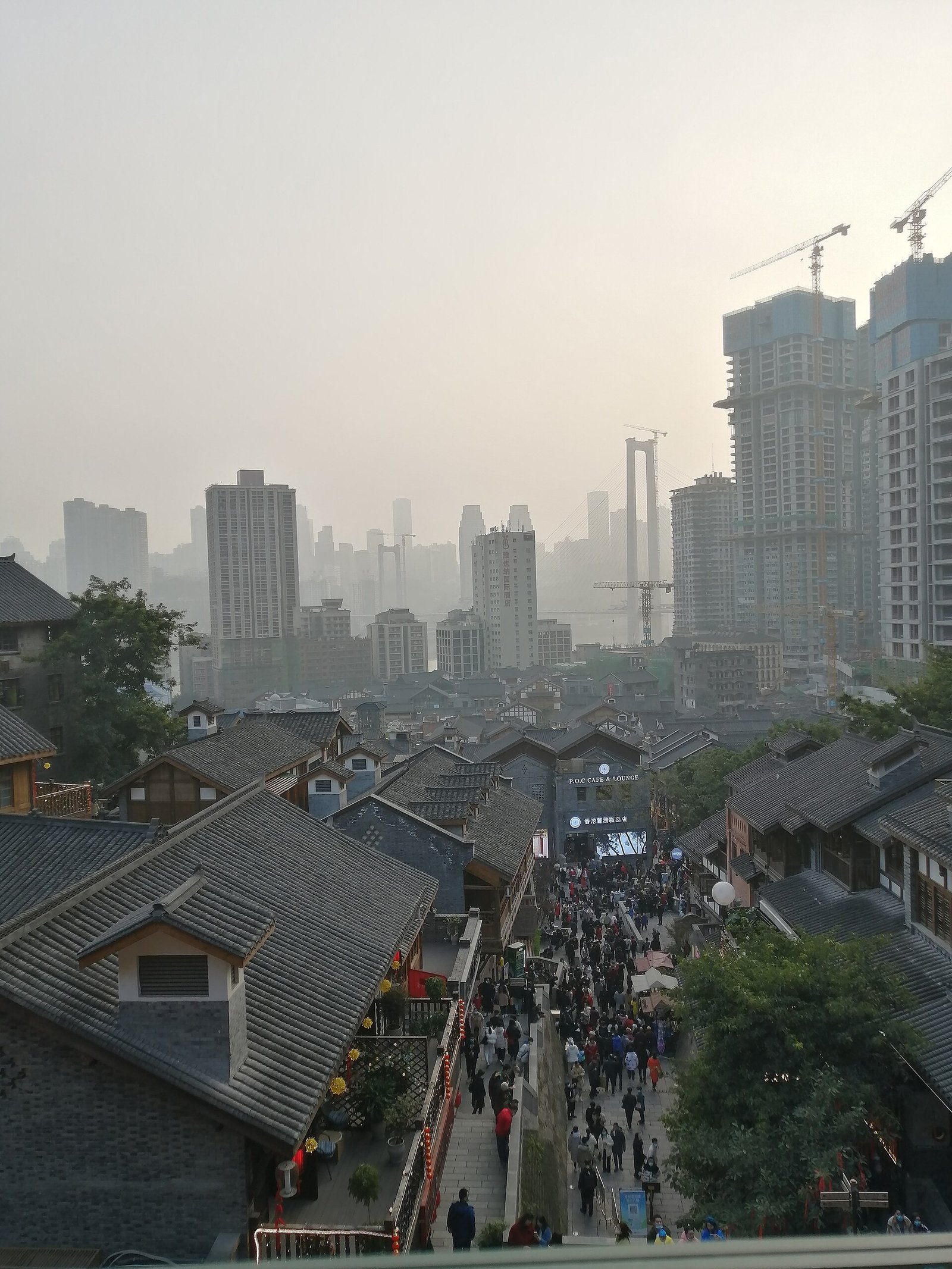
Chongqing is a municipality whose territory extends far beyond the famous central skyline. The dense urban area occupies hills around the meeting of the Yangtze and Jialing rivers; Wulong, Dazu, and river-cruise routes are separate excursions. Start by learning one neighborhood's levels before trying to cross the whole city.
The river junction is the city's compass
Jiefangbei, the Liberation Monument, marks a central shopping and commercial area. From here, walks can reach steep lanes, busy dining streets, and viewpoints, but stairs and road crossings make a route slower than its distance suggests. Plan around an actual entrance or metro exit rather than a building's name alone.
Hongya Cave is a modern commercial complex inspired by regional stilted-building forms. Its stacked levels and evening lighting make it visually striking; it is not an intact ancient settlement. See it from a suitable riverside or bridge viewpoint, then decide whether you want to enter the restaurants and shops. Very busy evenings can make moving between levels slow.
Yangtze River night views and the Jialing's waterfront are best approached as a walk with selected stopping points. Chaotianmen shows the confluence and dramatic modern development, while Nanbin Road offers a different perspective across the Yangtze. Cruises and the Yangtze River Cableway provide alternatives when operating, but transport queues and weather should be part of the plan. A riverside evening need not depend on paying for every viewpoint.
Liziba is railway infrastructure with an audience
The Liziba monorail passes through a building, creating one of the city's most photographed scenes. The system and building were designed to coexist; it is not a train improvising a route through someone's apartment. Use the designated viewing area, keep pedestrian access clear, and allow several trains to pass rather than pushing into the busiest position.
Riding the rail line adds an everyday perspective beyond the photograph. Shancheng Lane and other stepped neighborhoods introduce how hillside life works at ground level, with restored visitor areas alongside living streets. Eling Park provides a greener elevated break. These places help the city feel three-dimensional without reducing it to a series of viral visual tricks.
Two excursions that deserve a full day or more
The Dazu Rock Carvings lie well outside central Chongqing. At Baodingshan and other sites, sculpted religious narratives connect Buddhist teachings with ordinary ethical and family concerns. Close looking at gestures and scenes gives the visit meaning; a guide can explain why particular groups of figures belong together. Choose the sites and transport explicitly rather than assuming “Dazu” is one compact stop.
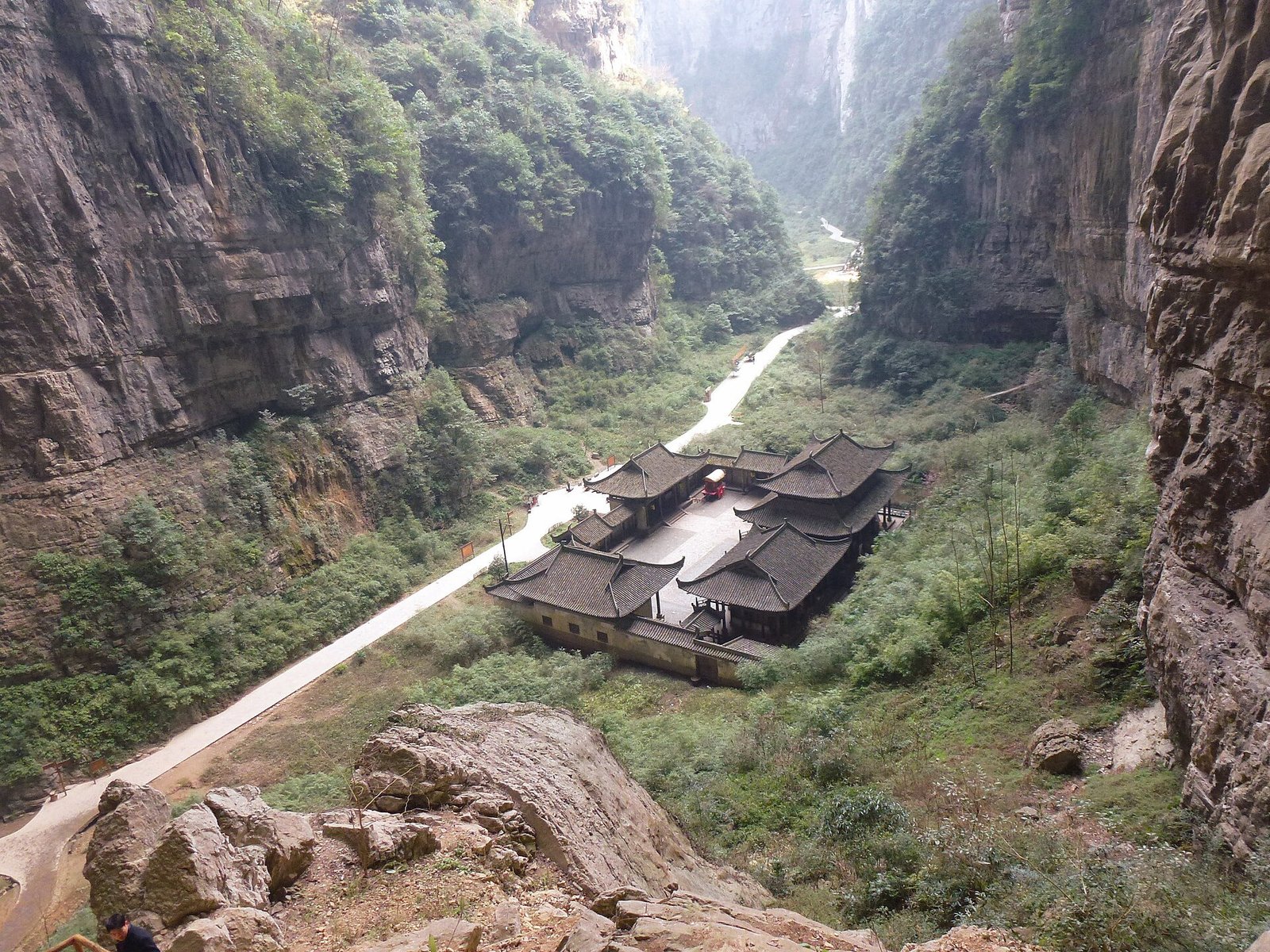
Wulong's Three Natural Bridges reveal a dramatic karst landscape of enormous rock spans and enclosed valleys. Visitor transport and walking routes are part of the excursion. Nearby scenic areas add different landscapes, but they should not all be piled into a short urban visit. Wet steps, temperature changes, and the return journey deserve attention.
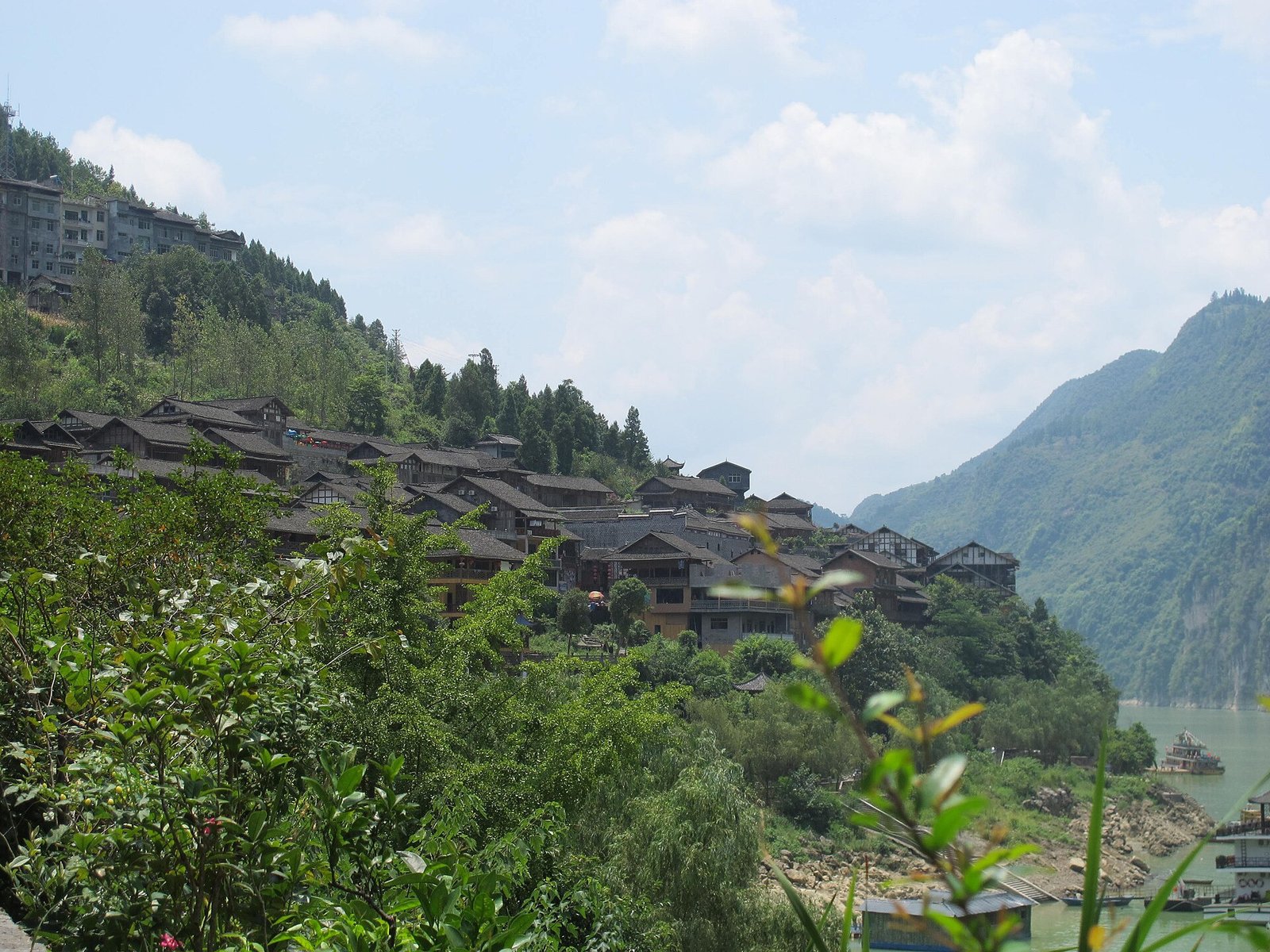
Gongtan Ancient Town beside the Wujiang offers another substantial excursion, with riverside buildings and a canyon setting often described as the Wujiang Gallery. Its present streets include restoration and relocation history, so seek an explanation of what you are seeing rather than assuming every waterfront building is unchanged. This route needs its own transport plan.
A Yangtze cruise toward the Three Gorges is another distinct kind of travel, with embarkation arrangements, sailing direction, and scheduled shore visits. Check the exact ship itinerary. The municipality's name on a cruise description does not mean every attraction belongs to central Chongqing.
What a hotpot table tells you
Chongqing hotpot is a shared meal built around cooking ingredients in a simmering broth, often rich with chili and beef fat. Choose a broth and spice level you can enjoy, ask about unfamiliar ingredients, and keep raw meat separate until cooked. A divided pot can help a mixed group, though heat levels differ by restaurant.
Xiaomian offers a quicker noodle meal with aromatic seasoning, while grilled fish, sour-and-hot noodles, and local snacks broaden the menu. An energetic late meal, direct conversational humor, and the city's busy evening streets are recognizable experiences, but they do not define every resident's personality. Students, office workers, older neighborhood communities, and newcomers all inhabit the same hills differently.
The region's history includes river trade, wartime service as China's provisional capital, and rapid modern development. Museums and preserved wartime sites add context if you want more than a skyline itinerary. Choose a serious historical visit on its own terms rather than dropping in only for a photo.
Summer can be intensely hot and humid; winter is often damp and cloudy, while spring and autumn can be more comfortable with rain still possible. Wear shoes for stairs, take indoor breaks, and leave time between neighborhoods. Chongqing becomes much easier—and more interesting—once you stop expecting it to behave like a flat city.