Start Planning · Province & region guide
Henan: Following the Capitals Beneath the Modern Cities
Henan's most rewarding sights are not all grand buildings still standing. Some are archaeological traces, museum objects, or religious landscapes that reveal how power and belief changed in the central plains.
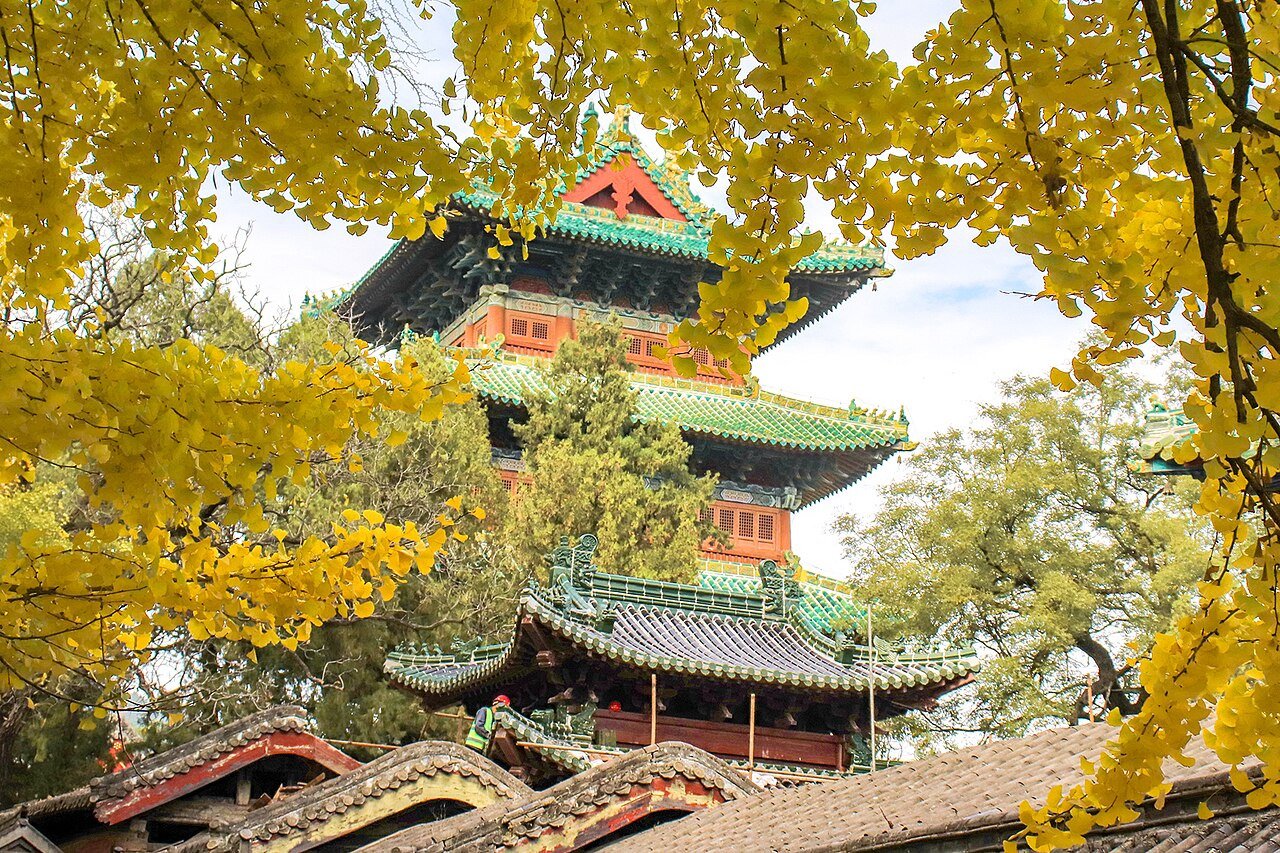
Zhengzhou is the modern provincial capital and a useful transport hub. Luoyang, Kaifeng, Anyang, and Dengfeng each explain a different historical world. A good route chooses those worlds deliberately rather than calling every stop the birthplace of the same undifferentiated civilization.
Luoyang: look closely at the figures
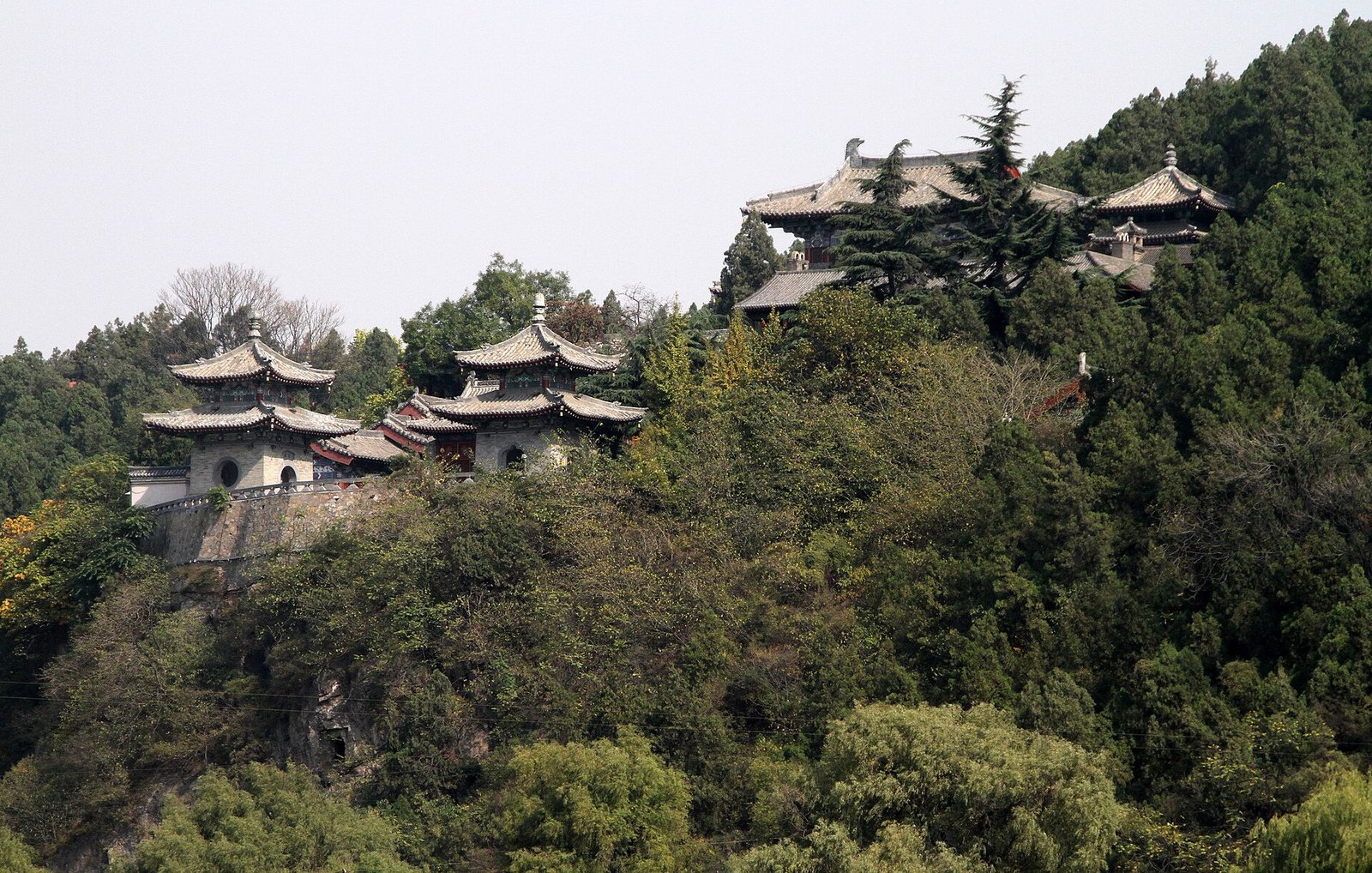
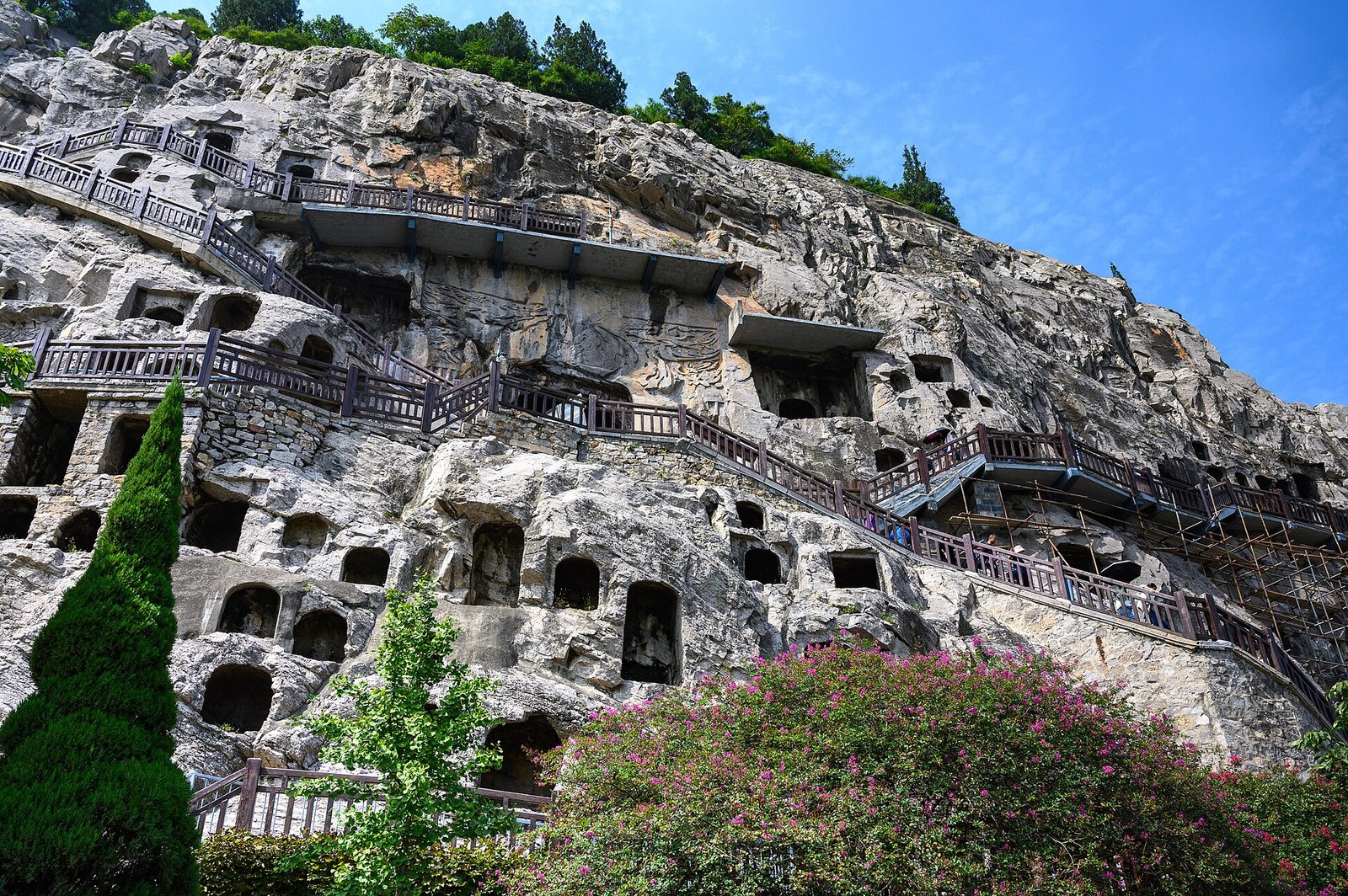
The Longmen Grottoes occupy cliffs beside the Yi River near Luoyang. Xiangshan Temple on the opposite side adds a distinct temple setting and a view back toward the carving landscape; confirm the open visitor route before including both banks. Buddhist carving developed here across several periods, with the monumental Fengxian Temple group providing an especially powerful view. Smaller niches matter too: they reveal different patrons, styles, and devotional intentions. Give yourself time on the authorized walking routes and respect conservation barriers rather than focusing only on the largest Buddha.
Luoyang Old Town offers a more intimate urban setting of lanes, food businesses, shops, and visitor activity. Restored areas should not be confused with a complete surviving ancient capital. Luoyang Museum and archaeological sites add the evidence behind the city's reputation. Spring peonies are a further attraction, but flowering varies with weather and location; a meaningful trip should not depend entirely on catching one perfect week.
Shaolin sits within a larger sacred landscape
Shaolin Temple near Dengfeng is associated with Chan Buddhism and martial arts. The monastery, its pagoda forest, and contemporary demonstrations offer different kinds of experience. A performance introduces practiced movement and a modern presentation of kung fu; it does not replace understanding the religious institution. Check the actual demonstration schedule and do not assume monks are available for casual training or photographs.
The Songshan area also includes important historical buildings beyond Shaolin. Songyang Academy connects with scholarship, while the Dengfeng Observatory introduces astronomical knowledge and imperial administration. These sites form part of a wider heritage landscape. Choose a few with enough explanation rather than crossing them off as small extras around the famous temple.
Kaifeng: a former capital you taste as well as visit
Kaifeng's importance as a Northern Song capital survives in archaeology, museums, local memory, and later buildings—not in an entire intact Song city. The Iron Pagoda and Daxiangguo Temple offer substantial historical visits, while modern reconstructed attractions interpret an imagined or researched past. Enjoy them for what they are, with that distinction clear.
A Kaifeng night market gives the city an everyday dimension. Soup-filled buns, local pastries, and a range of prepared snacks make a slow evening of small orders more appealing than a formal checklist. Confirm where the current market activity is concentrated, since stalls and arrangements can change. Try freshly cooked food, share portions, and ask about fillings rather than choosing solely from an English label.
Anyang opens an even older chapter
Yinxu near Anyang is associated with the late Shang capital, oracle-bone inscriptions, and major archaeological discoveries. Its museum and excavated remains explain a world very different from Tang Buddhist sculpture or Song urban commerce. This is one of the strongest additions for a traveler who wants to understand why the central plains matter historically.
The Hongqi Canal area farther west introduces a much more recent story of water engineering and collective labor in mountainous terrain. It is a separate interest and excursion, not a substitute for ancient-history sites. Henan's range also includes rural villages, river landscapes, and contemporary manufacturing cities; heritage tourism shows only a portion of provincial life.
A morning bowl can ground a very long history
Zhengzhou-style huimian uses substantial wheat noodles in a rich broth, often with lamb. Hulatang, a peppery breakfast soup, appears alongside breads and fried breakfast foods. Luoyang's water banquet is a succession of dishes with soups and broths rather than a single bowl; a full banquet is best approached with enough people and appetite. Kaifeng brings its own dumpling and snack traditions.
Henan's conversational and performance culture includes Yu opera, whose vocal style is a recognizable regional art. Agricultural life, cities, and family histories vary across the province; avoid turning the central plains into a stereotype of rural simplicity. A local guide or museum can explain how one town's story differs from its neighbor's.
Summers are hot and can bring heavy rain; winters are cold, while spring and autumn often suit walking and archaeological visits. A first history route might connect Zhengzhou, Dengfeng, Luoyang, and Kaifeng, with Anyang added for a deeper archaeological focus. Major sites deserve half-days or more, not just the time left before the next train. The province becomes compelling when you see the changes between its historical layers.