Start Planning · Province & region guide
Liaoning: Imperial Courtyards and a Maritime Northeast
Liaoning is a useful antidote to the idea that northeastern China is uniformly snowy and inland. Shenyang brings early Qing history; Dalian turns toward the sea; between them are industrial cities, archaeological sites, and wooded hills.
The province's two best-known city bases have different personalities and are separated by a substantial journey. Start by deciding whether you want a historical city break, a coastal holiday, or enough time to connect both.
Shenyang before the court moved to Beijing
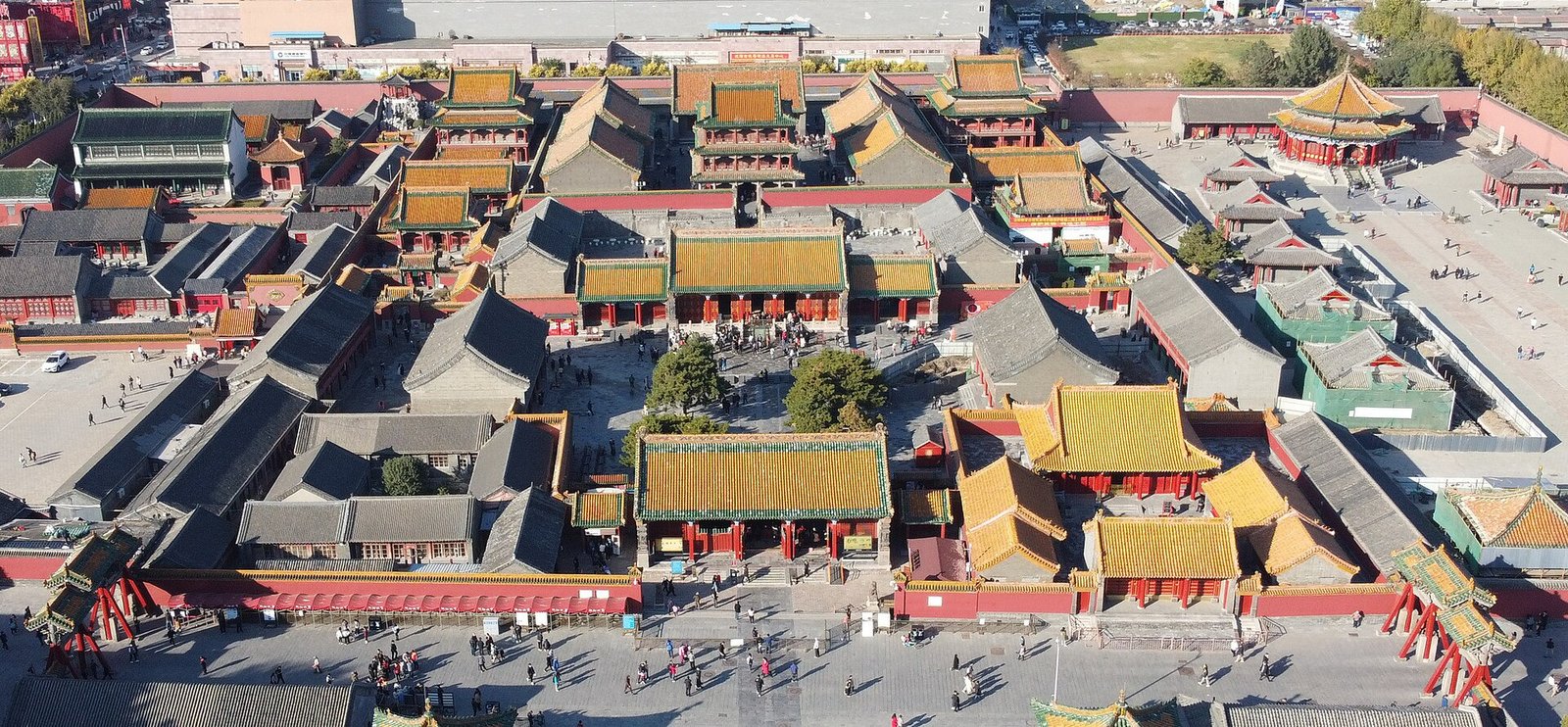
Shenyang Imperial Palace preserves the palace of the early Qing rulers before their conquest of Beijing. Its compact scale and architectural mix make it particularly rewarding when a guide explains how political and ceremonial spaces worked. Look for the distinctive octagonal Dazheng Hall and the arrangement of neighboring pavilions rather than treating it as a smaller version of the Forbidden City.
Beiling Park contains Zhaoling, the mausoleum of the Qing emperor Hong Taiji. The approach through a large public park gives the visit a different rhythm from a crowded palace. Together, palace and tomb make Liaoning's Manchu and Qing connections tangible. The Liaoning Provincial Museum broadens the story through archaeology and art; check which galleries and collections are currently on display.
Modern Shenyang also has an industrial history, energetic shopping streets, and neighborhoods with Korean-influenced dining. Xita is a useful place to encounter that food culture. A short visit becomes richer when you allow an ordinary evening outside the historic precincts.
Dalian: follow the shoreline rather than a monument list
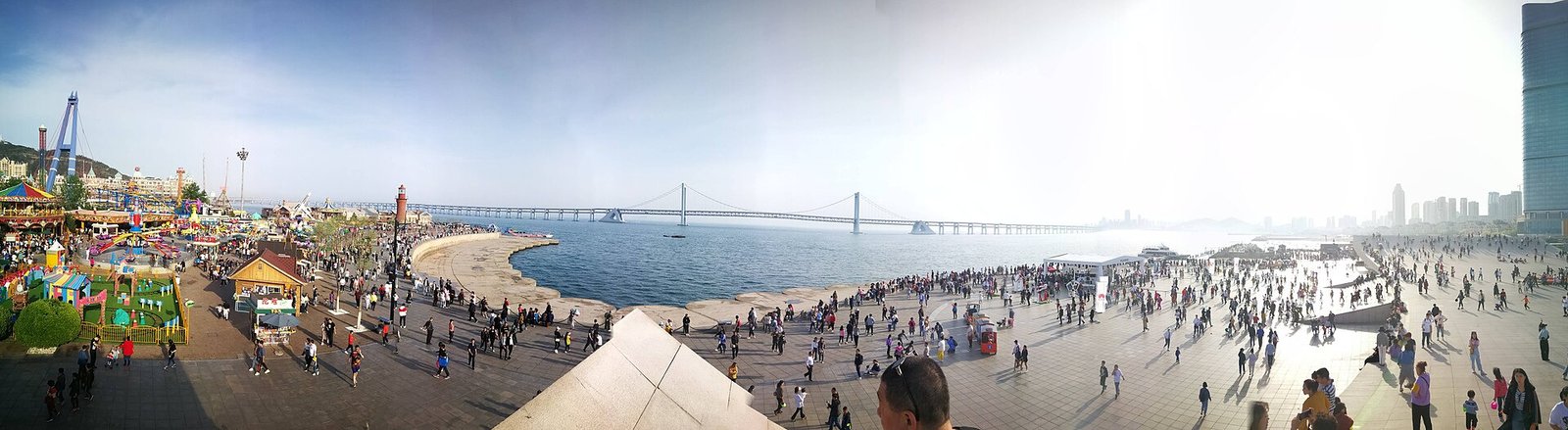
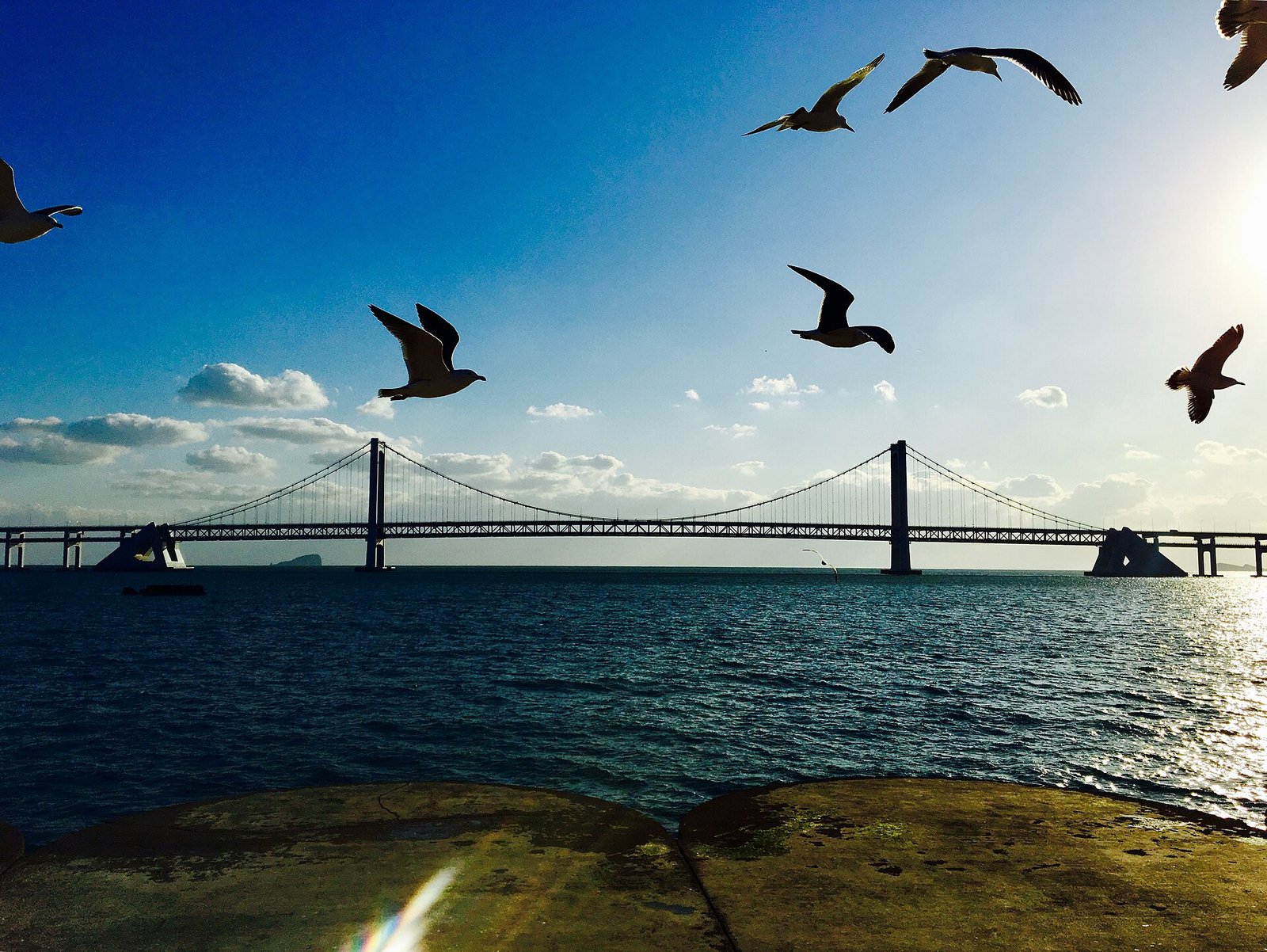
Dalian Xinghai Square opens onto a broad coastal setting with views toward the bay and its bridge. It is a public urban landscape, best understood by walking its edges and connecting to the waterfront. Nearby coastal promenades and viewpoints give the city breathing space that contrasts with inland Shenyang.
Golden Pebble Beach, or Jinshitan, is a separate resort district known for beaches and striking coastal rock formations. Check which geological areas, bathing beaches, and attractions your transport actually reaches. A swimming day and a coastal-geology walk call for different destinations even when both are advertised under the same resort name. Sea conditions and seasonal restrictions matter more than the appearance of a sunny brochure photograph.
Lushun adds a complex military and maritime history at the southern end of the peninsula. Some sites have specific access arrangements, so verify the exact museum or viewpoint before making a special trip. Dalian's historic Russian and Japanese influences can be read in selected buildings, but the modern city is not a theme park representing a single foreign era.
Benxi and the eastern hills
Benxi Water Cave is known for a boat route through a water-filled limestone cave. The experience combines underground formations with a managed visitor system; bring a layer because cave temperatures differ from summer weather outside. Check how much of the site a ticket includes and whether boats are operating under current conditions.
Autumn in the Benxi area brings wooded mountain scenery, with places such as Guanmenshan popular for foliage. Farther southeast, Dandong faces North Korea across the Yalu River. Riverside walks and the Broken Bridge introduce border history; Hushan Great Wall offers a different landscape excursion. Border views do not imply that crossing the border is an ordinary spontaneous activity.
A northeastern table with seafood at one end
Shenyang's meals might feature dumplings, sauerkraut-and-pork stews, chicken with mushrooms, or Korean-style barbecue. Dalian adds seafood, including shellfish and fish dishes, while menzi—a starch-based local snack dressed with sauces—offers something less obvious than a seafood banquet. Ask about price and portion before ordering seafood sold by weight, and have it properly cooked if that is your preference.
Liaoning's humor and storytelling connect with wider Dongbei culture, but coastal and inland communities have different histories and habits. Museums, neighborhoods, and conversations over a meal reveal more than a label claiming that all northeastern people behave alike.
Shenyang has cold winters and warm, often rainy summers; Dalian's maritime setting moderates temperatures but brings wind and humidity. Late spring, summer coastal visits, and autumn hill trips each offer a different route. Do not place a beach day, an imperial palace, and Benxi's cave into a single rushed day. Giving each landscape its own time is what makes the contrast work.