Start Planning · Regional travel guide
Beijing: From the Imperial Axis to the Mountain Frontier
Beijing's great buildings make more sense when you see what joins them: a planned imperial capital, neighborhood life around its courtyards, and a northern mountain frontier beyond the city.
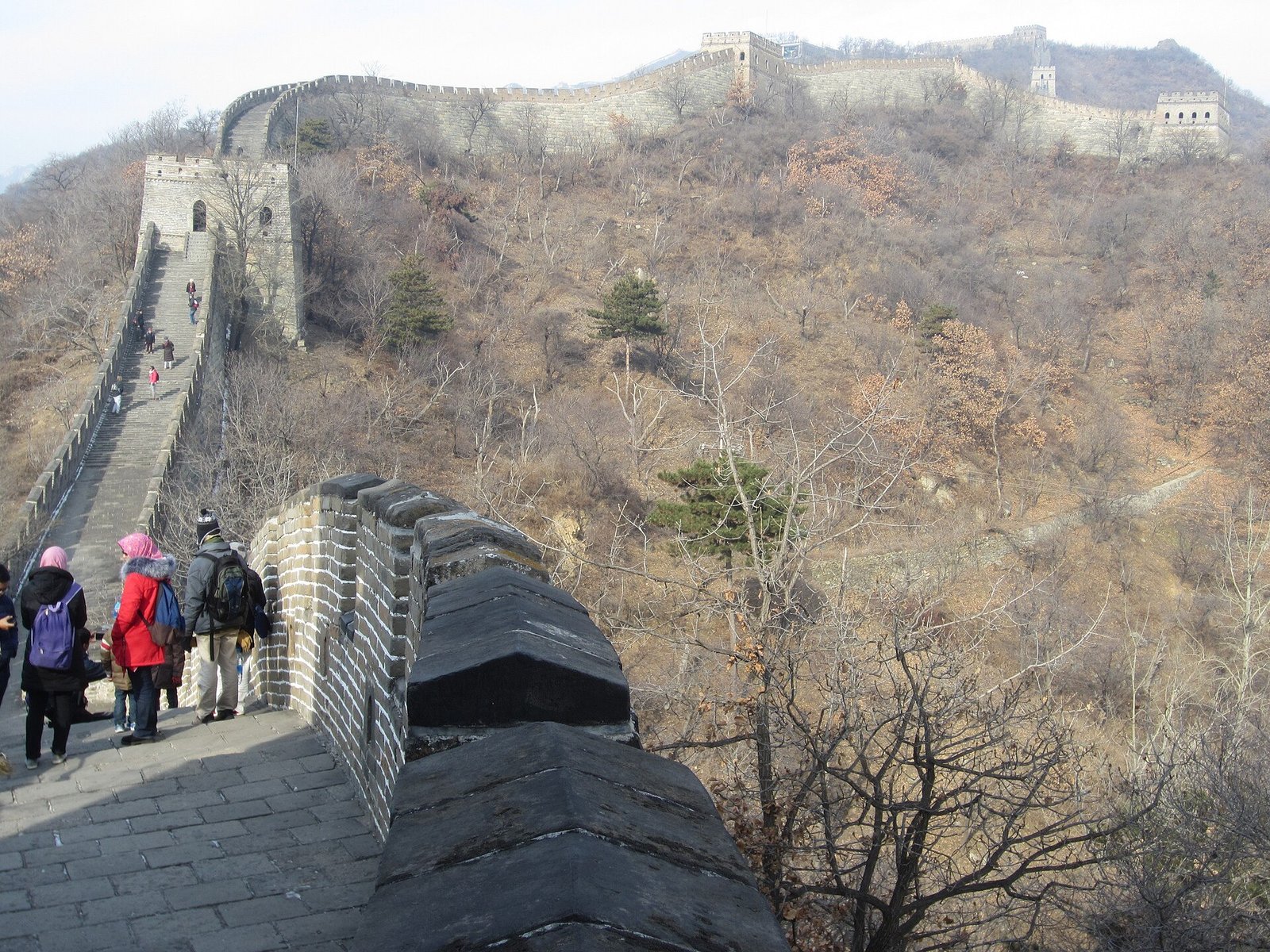
Beijing is a municipality, not a province with a separate capital. Its territory nevertheless reaches well beyond the dense urban center into hills, villages, reservoirs, and Great Wall country. For a first trip, combine a few substantial city visits with one properly planned mountain excursion. The scale of the city makes a tightly packed checklist tiring very quickly.
Follow the old axis, then step sideways
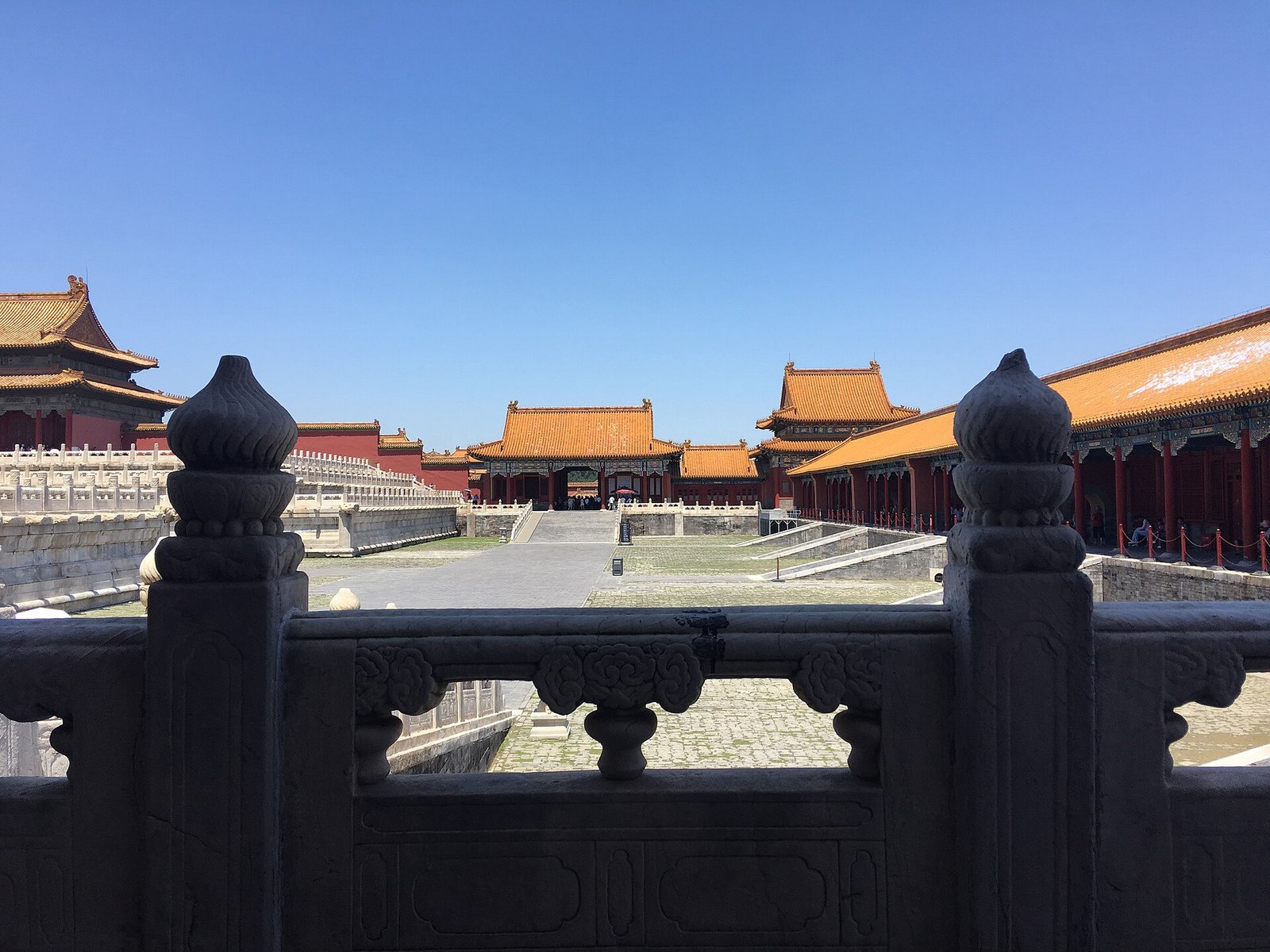
The Forbidden City occupies the center of the former imperial order. Outer ceremonial halls and more intimate inner courts served different purposes; understanding that distinction transforms rows of buildings into a story about power and daily life. Reserve admission through the current official process, bring the identification required for your booking, and allow time for security and walking. Jingshan Park immediately to the north gives a useful elevated view of the palace's roofs and the city's axis.
The Temple of Heaven served imperial rituals associated with heaven and the harvest. Its major structures are linked by carefully designed spaces, making the approach as important as the celebrated Hall of Prayer for Good Harvests. Around the monument precinct, the park is also a contemporary place of exercise, conversation, and music. Observe residents without joining a close-up filming session that turns their morning routine into a spectacle.
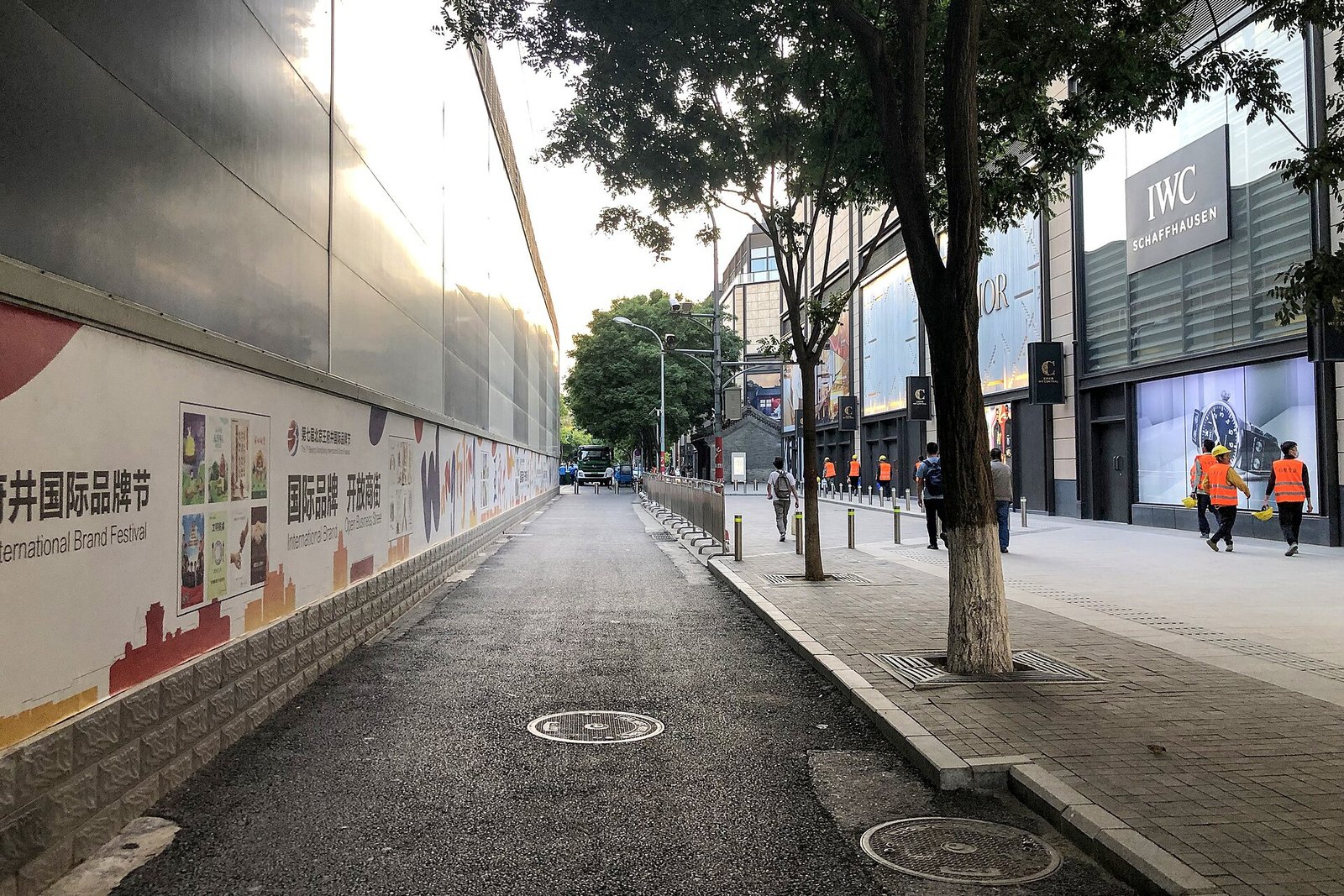
Farther north, the Drum and Bell towers introduce the old city's timekeeping and neighborhood geography. Hutong neighborhoods around these areas contain homes as well as cafes, shops, and restored visitor streets. Public lanes are open for walking; private courtyards are not invitations to enter. Seek quieter side streets, ask before portraits, and notice how a historic street pattern accommodates a modern household.
A palace garden and a living temple
The Summer Palace stretches the imperial story outward into a lake-and-hill landscape. Kunming Lake, the Long Corridor, and Longevity Hill offer different routes; choose a manageable circuit rather than trying to enter every structure. Boats are seasonal and weather dependent. A second garden-oriented day can include the ruins of Yuanmingyuan, whose history of destruction deserves its own explanation rather than a vague description as another scenic park.
The Lama Temple, or Yonghegong, connects a former imperial residence with an active Tibetan Buddhist institution. Its richly decorated halls differ from the austere ceremonial spaces of the palace. The nearby Confucius Temple and Imperial College introduce scholarship and the examination tradition. Visiting these together reveals several kinds of authority within a small area of the city.
Mutianyu is a day in the mountains
Mutianyu Great Wall is a managed mountain section northeast of central Beijing. Restored walls and watchtowers climb along steep ridges; cable cars and chairlifts help with the approach but do not make the wall level. Decide how much climbing you want and where you will enter and leave. An early departure, a clear return arrangement, water, and shoes with grip make more difference than squeezing an extra city attraction into the same day.
Other sections offer different experiences. Badaling has extensive visitor infrastructure; some less developed stretches demand more care and may have restricted areas. Stay on open managed routes. Nearby villages and places such as the Ming Tombs can add historical depth to a longer suburban stay, but they are not all adjacent to Mutianyu.
Listen to the city over lunch
Roast duck is a ceremonial meal in many restaurants, with pancakes, scallions, and sauce; it is not the whole Beijing menu. Zhajiangmian combines wheat noodles with bean-based sauce and vegetable toppings. Copper-pot mutton, sesame snacks, and neighborhood breakfasts introduce northern tastes. Douzhi, a fermented mung-bean drink, is an acquired taste rather than something every visitor must enjoy.
Beijing's spoken humor and storytelling come alive in xiangsheng performances and teahouse conversations. Listen for the interplay of timing, wordplay, and everyday situations; much of the humor depends on Chinese, so a short introduction from a guide can help. Today's city also includes people from across China and abroad, universities, creative districts such as 798, and a vast contemporary working life.
Spring can be windy and dry; summer can be hot with heavy rain; winter is cold and often dry. Autumn frequently suits long walks, though national holidays bring crowds. Give major museums and palace sites separate time, use the metro for realistic connections, and leave a neighborhood interval between monuments. That interval is often where Beijing stops feeling like a collection of imperial photographs.