Start Planning · Regional travel guide
Tianjin: A River Walk Through Trade, Architecture, and Comedy
Tianjin is most rewarding when its sights become a connected walk along the Haihe. River bends, bridges, former concession buildings, and snack streets reveal a city shaped by trade rather than imperial ceremony alone.
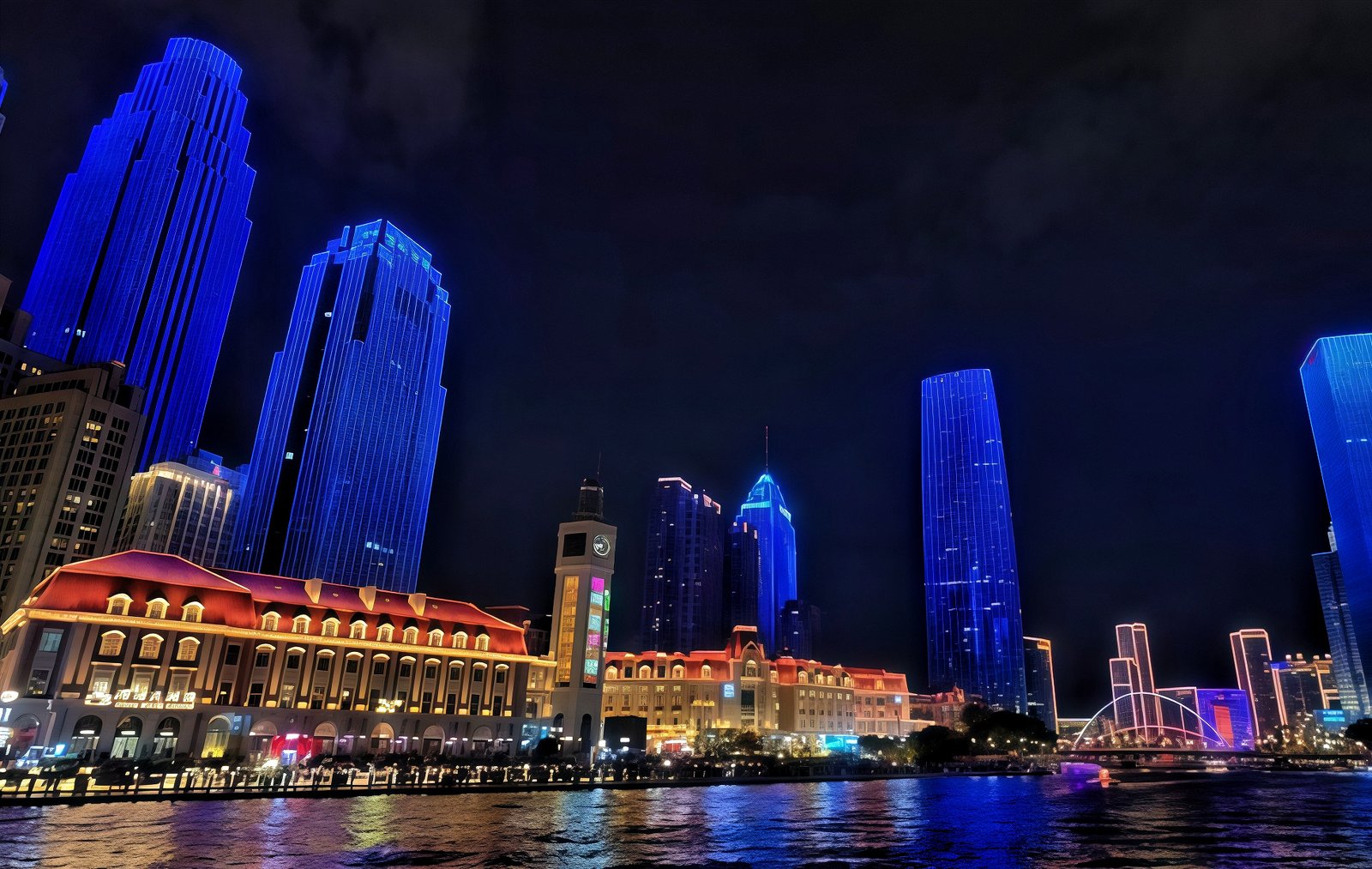
Tianjin is a municipality southeast of Beijing, with a central river city and a separate coastal district. It is possible to visit from Beijing, but an overnight stay gives you evening river views and a less hurried introduction to its neighborhoods. Do not assume that the seafront lies beside the main railway station.
Let the Haihe organize the day
The Haihe River runs through central Tianjin, creating a natural route past bridges and contrasting architecture. Walk a selected stretch, stopping to look back at the buildings rather than treating the river as a backdrop for a single photograph. Boat services, when operating, offer another perspective; check the actual boarding point and route instead of assuming every cruise reaches the same landmarks.
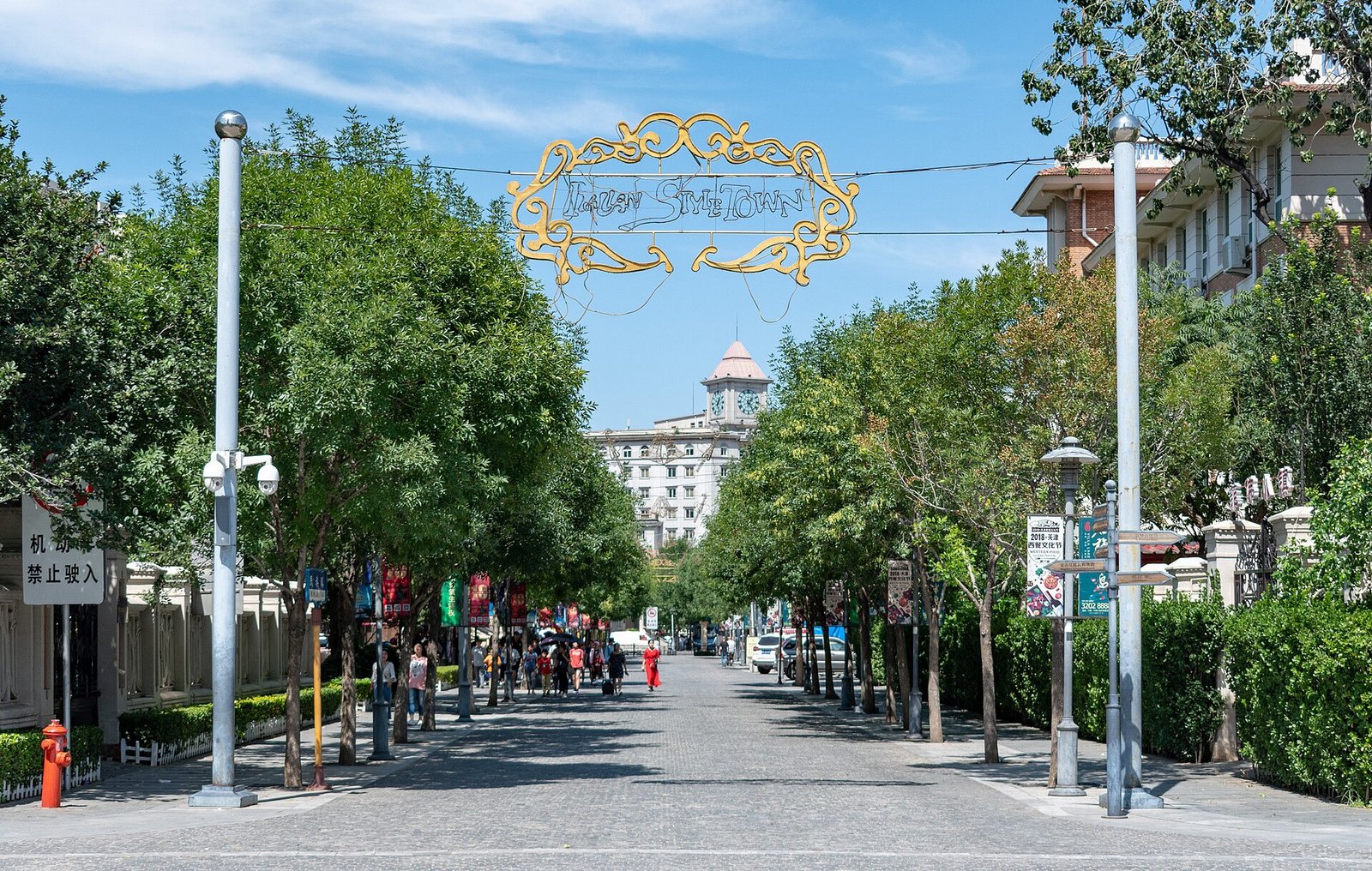
Italian Style Town preserves and repurposes part of a former concession district. Its restaurants and visitor businesses make it lively, but the buildings have a more complicated origin than a purpose-built European theme street. Historical interpretation helps distinguish the era of foreign concessions from present-day leisure uses. Across the wider city, Wudadao—the Five Great Avenues—offers another concentration of early twentieth-century houses in varied styles. Walking is a better way to appreciate their proportions than rushing past in a vehicle.
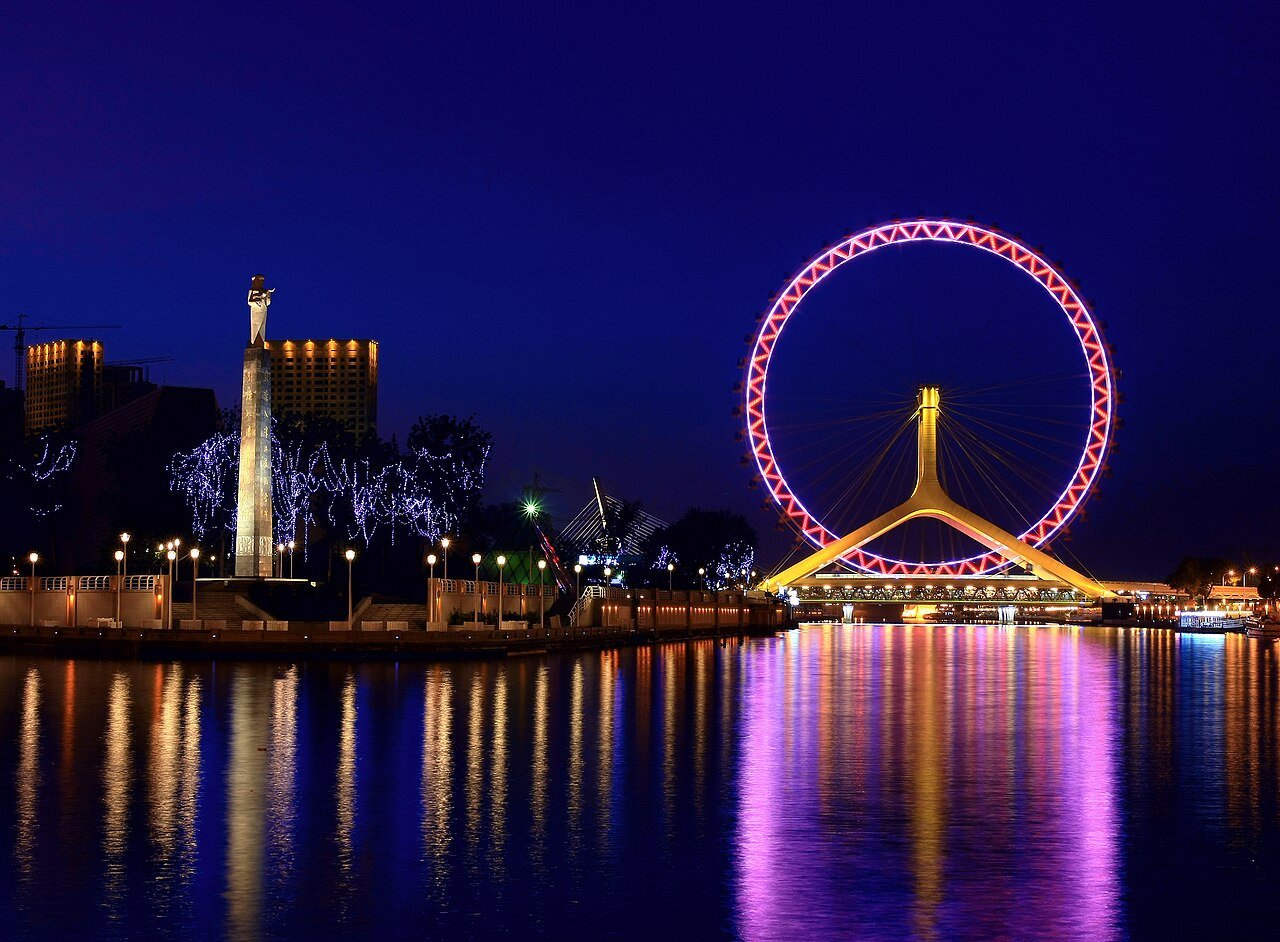
The Tianjin Eye is the large observation wheel mounted on Yongle Bridge. It provides an elevated view of river and city, particularly attractive around dusk, but ticketing and operations can change with weather or maintenance. The bridge and riverside remain worth seeing without a ride. Plan a separate walk rather than making the whole evening depend on immediate admission.
Ancient Culture Street is a present-day street too
Ancient Culture Street gathers traditional-style shops around the Tianhou Temple area. The temple relates to Mazu and maritime protection, a useful reminder that Tianjin's river economy connected to the sea. The commercial street sells crafts, snacks, and souvenirs; distinguish a workshop producing an object from a shop stocking mass-market versions.
Yangliuqing woodblock New Year pictures provide a more specific craft story. Their lively figures and domestic scenes were intended for people's homes, not solely for art galleries. Look for museum interpretation or a genuine workshop visit if this interests you. Clay Figurine Zhang offers another recognizable local tradition, with detailed modeled characters and expressive faces. Buying from a reputable maker helps turn a souvenir into something you understand.
Why people talk about Tianjin's humor
Xiangsheng, or crosstalk comedy, has a strong Tianjin association. Performers build humor through dialogue, timing, wordplay, and recognizable social situations. A Chinese-language performance can be difficult to follow without language skills; ask a guide to explain the form beforehand and choose a short program if you are curious. Even when the words escape you, the performers' rhythm and interaction reveal why this art remains part of the city's evening entertainment.
Museums add quieter forms of storytelling. Tianjin Museum introduces regional history and art, while the old city and concession districts show how waterways, merchants, and changing political systems shaped development. A visit to the coastal Binhai area adds ports and modern urban projects, but requires another transport decision; choose a particular destination there instead of traveling vaguely toward the sea.
A snack route with its own vocabulary
Jianbing guozi is a local breakfast combination of a thin pancake, egg, sauces, and a fried component; versions vary by vendor. Goubuli baozi are steamed buns with a famous commercial history, while Erduoyan fried cakes and mahua twisted pastries offer sweet or crunchy contrasts. These named foods are part of the city's identity, but you need not queue at the most publicized shop to eat well. Ask about price and serving size first.
For a fuller meal, look for local seafood preparations, braised dishes, and wheat-based foods. The river city's trading background makes culinary variety unsurprising. Walk between snack stops rather than trying to turn every specialty into one enormous lunch.
Tianjin has cold winters, hot humid summers, and windy spells in spring. Autumn and late spring often suit architectural walks. Central sights can form a compact itinerary if arranged by riverbank and neighborhood; coastal outings should have their own day or half-day. The city's pleasure lies in the way ordinary life carries on among buildings that once belonged to very different worlds.