Start Planning · Province & region guide
Hebei: The Wall, the Summer Court, and the Sea
Hebei surrounds Beijing and Tianjin but is much more than their surrounding countryside. A route through it can move from mountain fortifications to Qing imperial gardens and then to the Bohai coast.
The province is large and varied. Its capital, Shijiazhuang, is not the starting point for every trip. Chengde, Qinhuangdao, and the Great Wall sections northeast of Beijing often form a more natural first route; southwestern historical sites require a separate plan.
Chengde was a political landscape
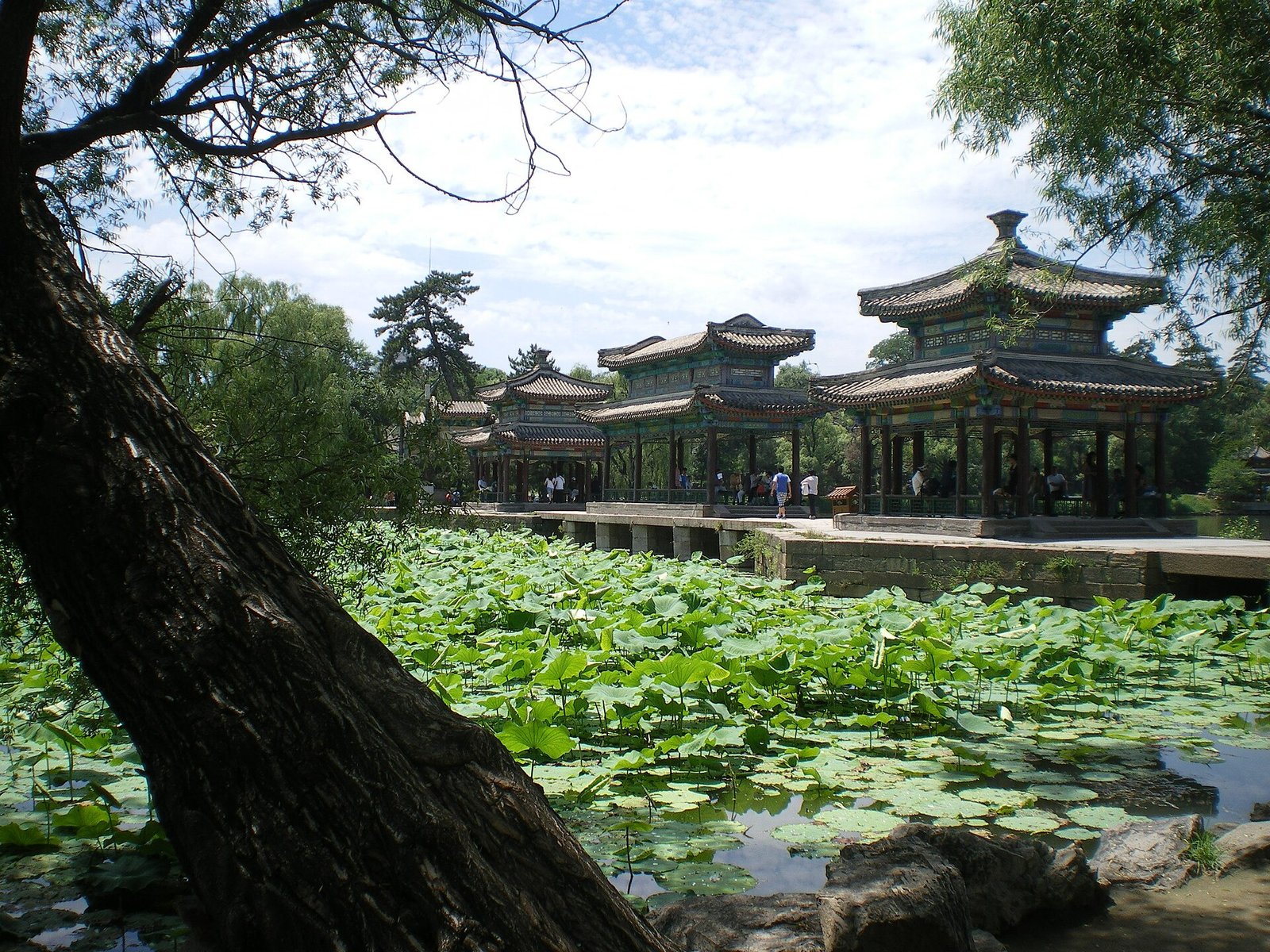
Chengde Mountain Resort was a Qing imperial summer retreat and a place where the court conducted affairs beyond Beijing. Lakes, plains, hills, and palace buildings form a deliberately varied landscape. Treat it as a substantial visit, with a chosen walking route and time for interpretation, rather than a small garden to cross between train connections.
The surrounding temples reveal another dimension. Putuo Zongcheng Temple draws on Tibetan architectural references, while Puning Temple contains a monumental wooden image of Avalokiteshvara. These complexes were connected to the Qing court's relationships with different religious and political communities. Seeing at least one makes the resort's history much clearer: the court was representing an empire as well as escaping summer heat.
The city itself has practical hotels and restaurants, making an overnight stay useful. Palace grounds and temple precincts do not all share one entrance or one ticket. Confirm the exact admission arrangements for each place before setting out.
Two different ways to meet the Great Wall
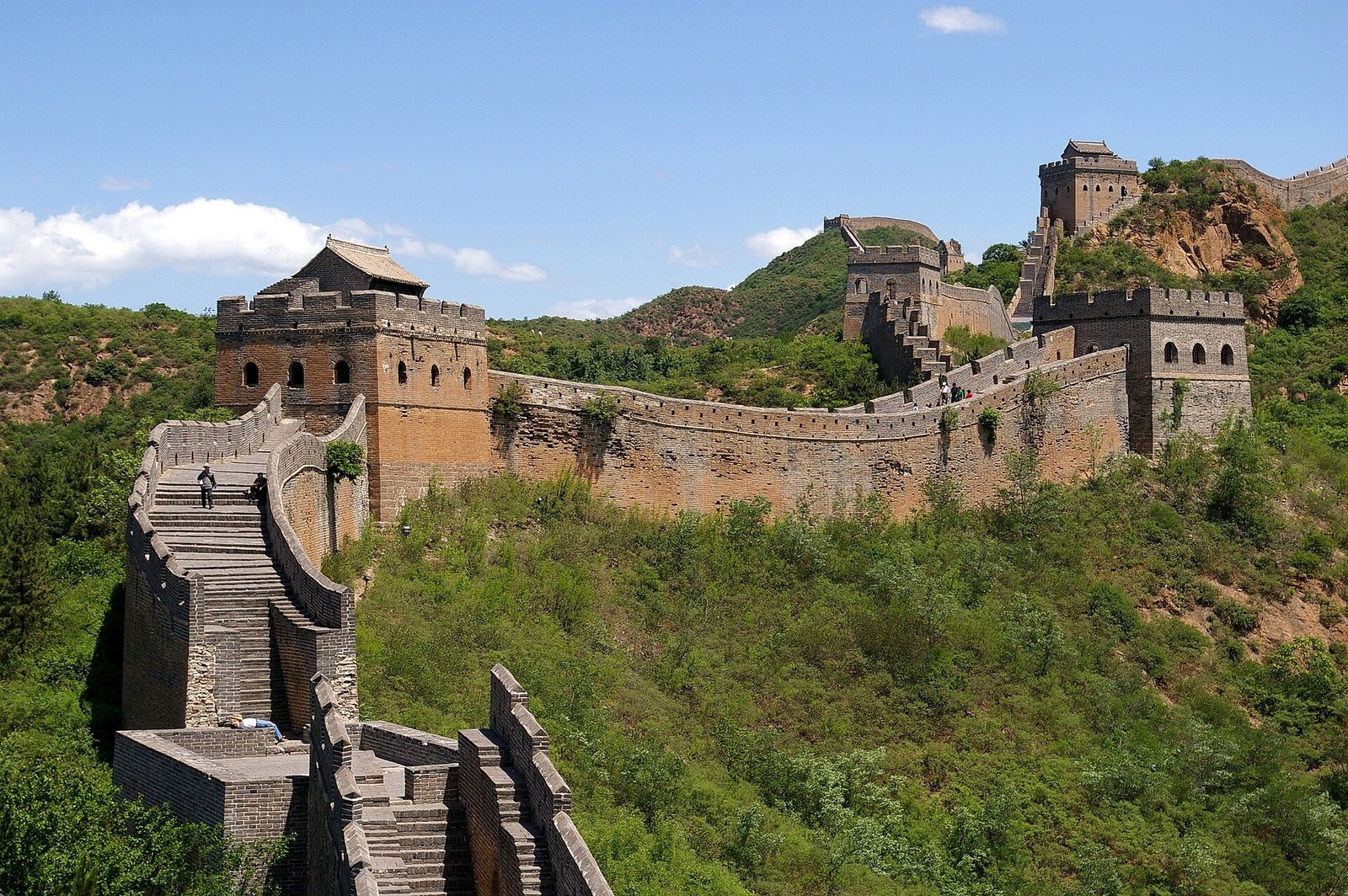
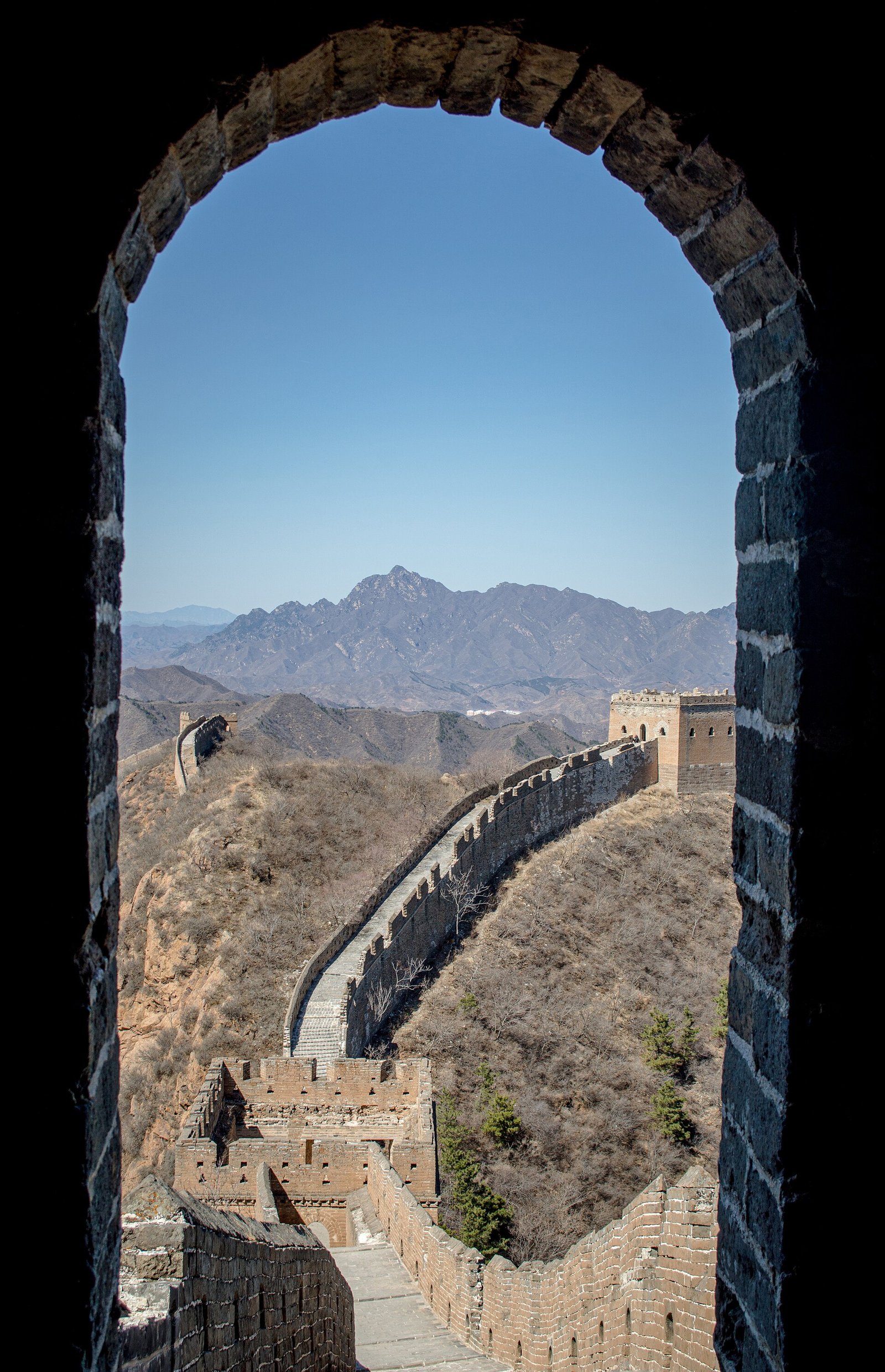
Jinshanling Great Wall follows ridges in the mountains between Beijing and Chengde. Its sequence of towers and changing terrain makes it particularly rewarding for walkers and photographers. Some stretches are steep or uneven, and open routes may not match an old online hiking account. Choose an authorized section, arrange a clear pickup, and allow time for mountain weather and your actual walking speed.
Shanhaiguan Pass lies near Qinhuangdao, where the defensive system meets a strategic gap between mountains and sea. The fortified gateway and the coastal Laolongtou area illustrate different elements of that system. They are related historically but separate visitor stops. Look at the surrounding geography: this was a passage that armies and traders had reason to use, not just a monumental arch built in isolation.
Beidaihe changes the pace
The Beidaihe coast offers beaches, seaside walks, and a long history as a summer resort. It is a good place to slow down after palace or wall sightseeing. Choose accommodation according to the stretch of coastline you want to use, and check whether a particular beach permits swimming under current conditions. A scenic seafront photograph does not establish water safety.
The wider Qinhuangdao area has family attractions and other coastal developments, but seasonal demand can be high. Birdwatchers may find migration periods interesting; use suitable viewing areas and keep distance from resting birds. A coastal stay can be relaxing without requiring another full day of paid attractions.
A second Hebei for architecture lovers
Near Shijiazhuang, Zhengding's historic temples and pagodas reward travelers interested in Chinese building history. Longxing Temple contains a rich sequence of structures and sculpture; the town's different pagodas allow close comparison of forms. Zhaozhou Bridge, south of the city, introduces early stone bridge engineering. These are valuable extensions, but not convenient detours on a short Chengde–coast trip.
Farther northwest, Zhangjiakou and the Bashang uplands offer grassland and mountain landscapes, with winter sports around Chongli. The climatic and cultural context differs from the coastal plain. Hebei's history of frontier trade, agriculture, and connections to the capital can be read across these areas rather than reduced to a single provincial character.
The court and the mountains
Combine Chengde with a managed Jinshanling visit when transport is arranged between the two.
The pass and the coast
Use Qinhuangdao for Shanhaiguan and a separate coastal stay in Beidaihe.
A timber-and-stone history route
Base around Shijiazhuang for Zhengding and Zhaozhou Bridge; this is a different part of Hebei.
Food and the season complete the route
Donkey-meat sandwiches associated with places such as Baoding and Hejian are a distinctive local specialty, with different breads and serving styles. Chengde's food reflects northern wheat traditions and Manchu connections; buckwheat and oat-flour dishes appear in parts of the uplands. On the coast, properly prepared seafood makes a different meal. Ask what is local to the town you are in instead of assuming one famous snack represents the entire province.
Hebei's plains can be hot and rainy in summer and cold in winter. Chengde and higher northern areas are generally cooler, while the coast adds humidity and wind. Spring and autumn often favor walking; summer suits a deliberately planned seaside stay. Keep transfers between wall, resort, and coast explicit, and give each place its own purpose. That makes Hebei a journey with transitions, not an overflow list for a Beijing trip.