Start Planning · Province & region guide
Jilin: Volcanic Water, Frosted Trees, and Borderland Kitchens
Jilin offers two very different kinds of white landscape: the snow and cloud around Changbai Mountain, and delicate frost on trees beside the Songhua River. Neither is guaranteed simply because it appears on an itinerary.
Jilin is both a province name and the name of one of its cities. Changchun is the provincial capital; Jilin city is the usual base for rime viewing; the Changbai Mountain area lies farther east. Keeping those three places distinct prevents a common planning mistake.
Changbai Mountain asks you to accept the weather
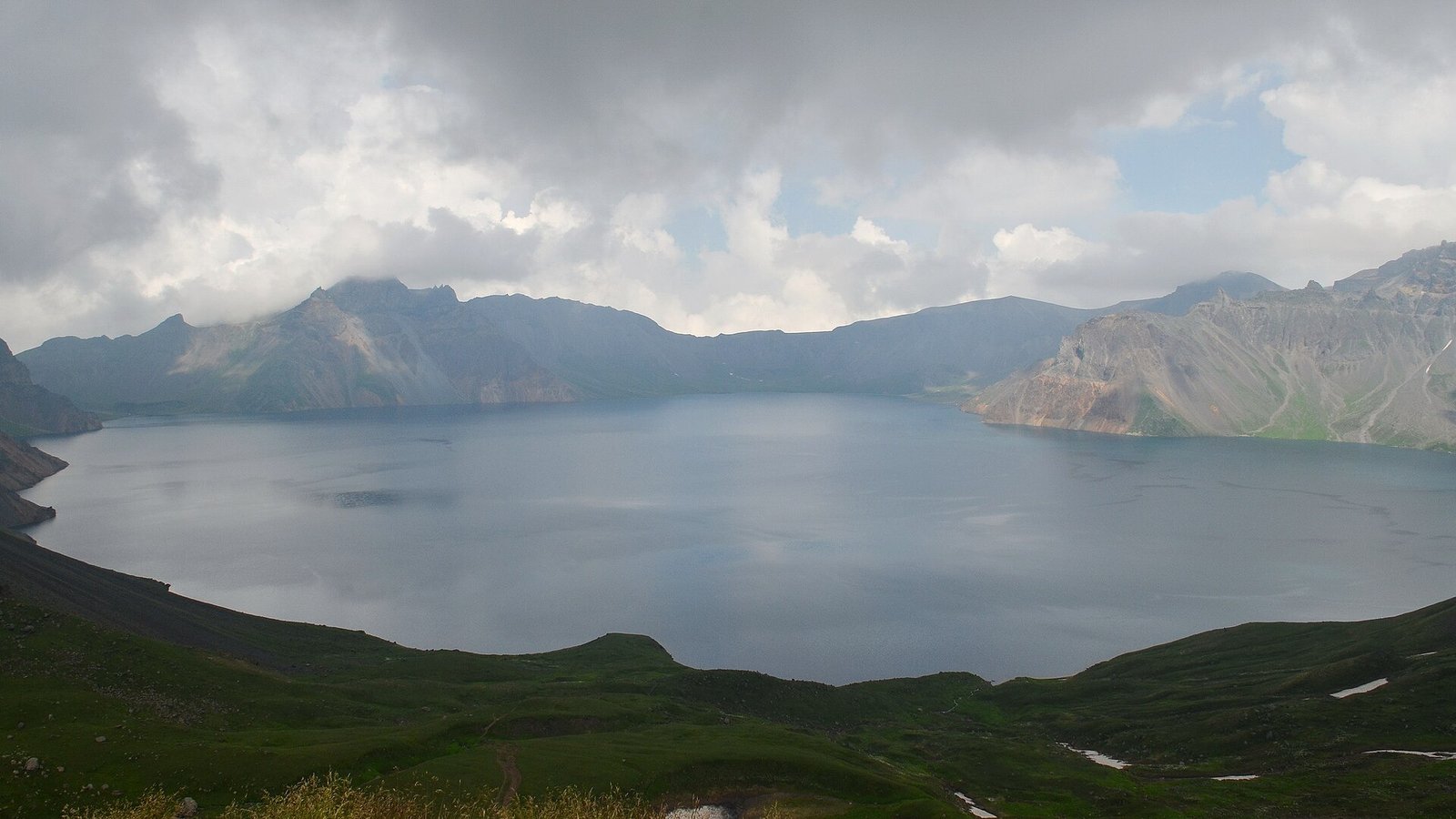
Changbai Mountain is a volcanic massif on the border with North Korea. Heaven Lake, or Tianchi, occupies its high crater. From the Chinese side, different scenic-area approaches have separate access systems and transport arrangements. Choose the approach that suits your route rather than assuming one ticket or entrance covers every side of the mountain.
The lake can be hidden by cloud, and wind or other conditions can close upper access. A visit remains worthwhile for forest, waterfalls, and the mountain's changing ecological zones. Do not judge the entire day by whether a brief opening in the cloud matches a publicity image. Nearby Erdaobaihe is a practical base with services and walking areas; a longer stay gives weather more than one chance without promising that a second visit will reveal the lake.
Summer brings greener forest and a busy travel season. Winter creates a dramatic snow landscape but adds cold, shorter days, and greater dependence on operating conditions. Use the official transport system and stay on authorized routes. A crater lake at altitude is not an appropriate place for an improvised off-trail shortcut.
Rime Island: the morning matters
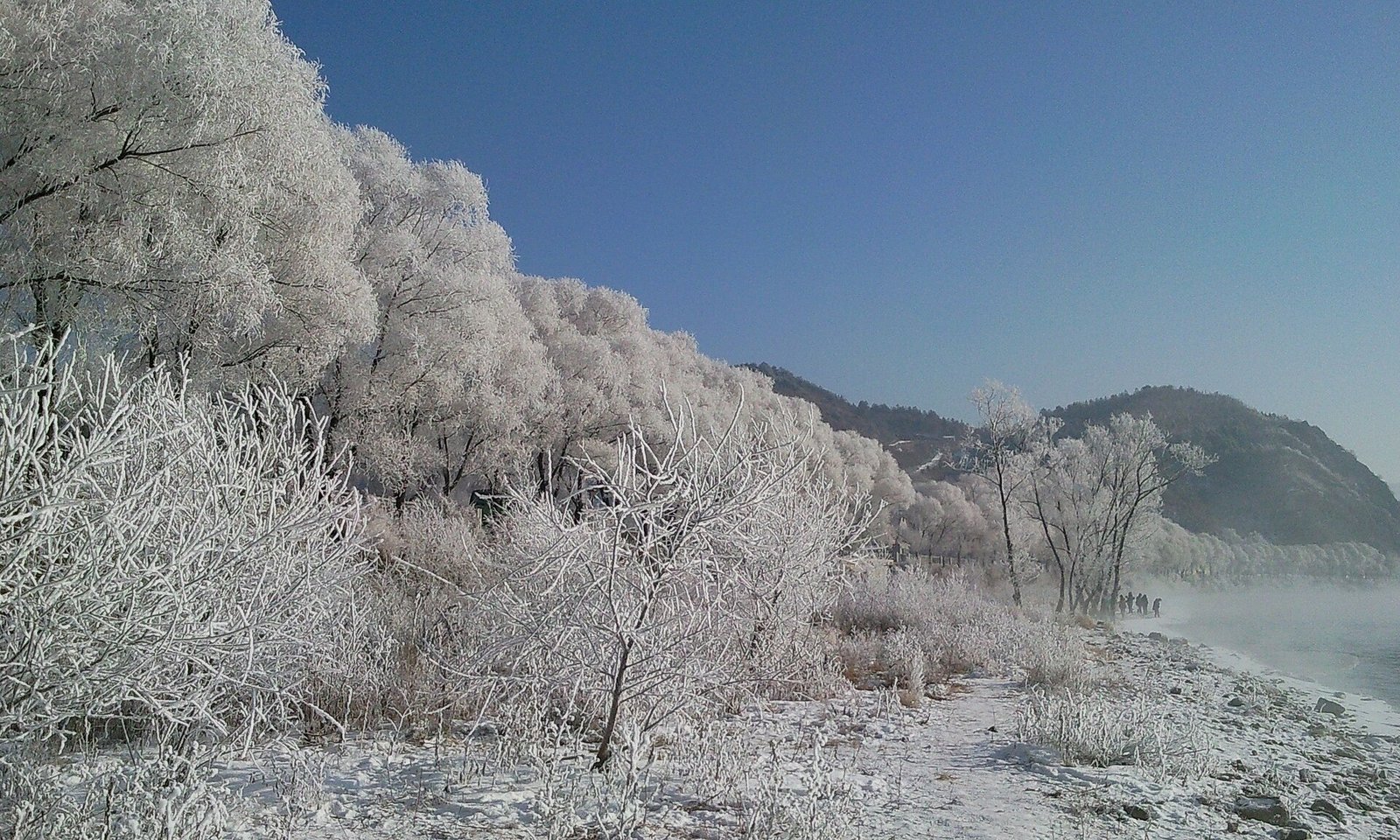
Rime Island is associated with the Songhua River near Jilin city. When suitable moisture and cold meet, ice crystals coat branches in white. This is a weather phenomenon, not a permanent covering. Early mornings are often the reason for an overnight stay in the area, but check local forecasts and recent conditions rather than relying on a fixed winter date.
The wider riverfront in Jilin city can also offer attractive winter scenes. In other seasons, the river introduces a different urban pace: promenades, bridges, and local neighborhoods. Allow the place to be interesting without frost. Cold photography sessions require warm footwear and gloves that let you operate a camera safely.
Changchun's forest and its difficult history
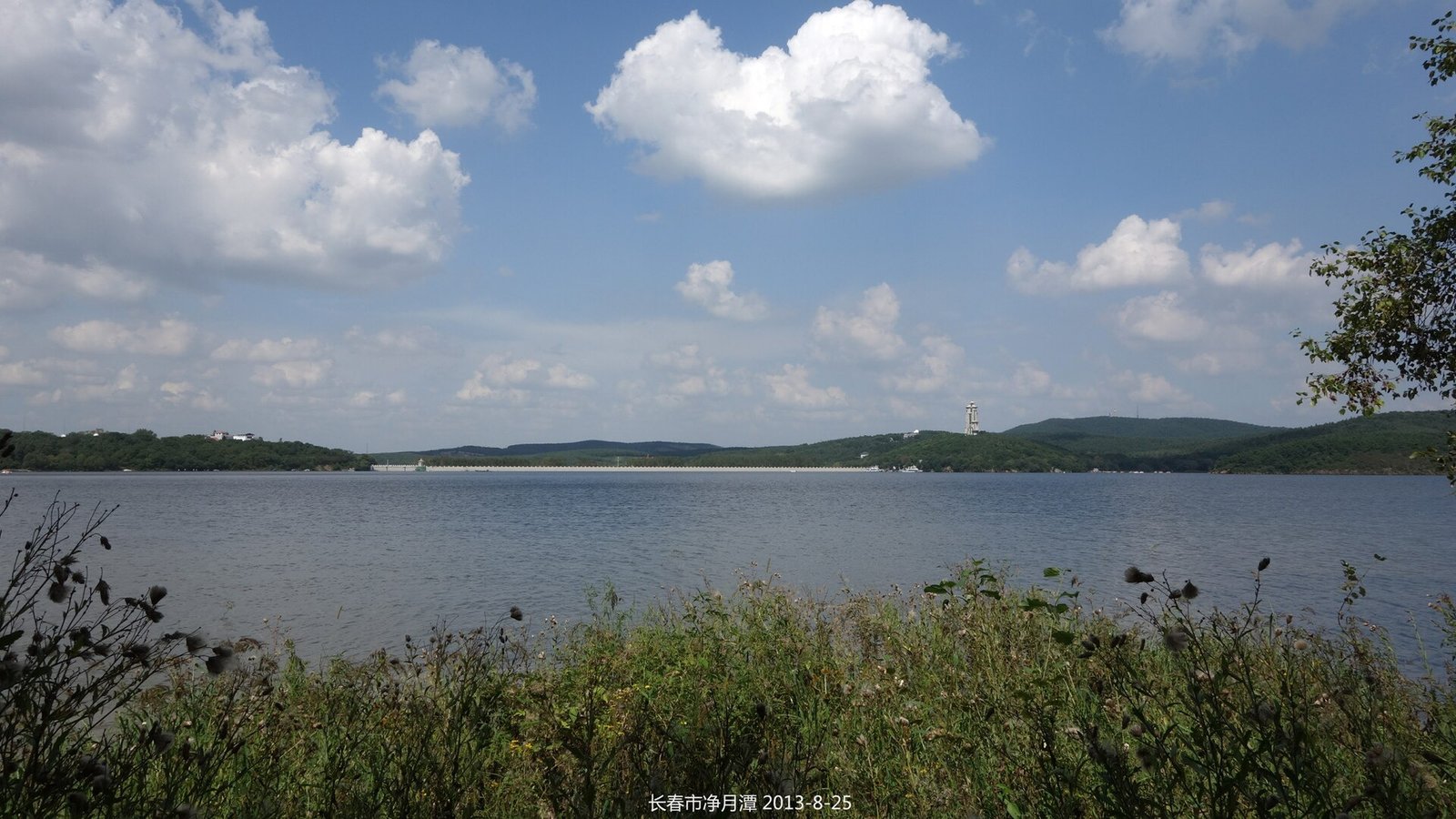
Jingyuetan National Forest Park lies outside central Changchun and offers woodland, water, and recreational trails. It is a useful change from city sightseeing, with different activities across the seasons. Winter events and sports use specific managed areas; summer walks work better when you choose a realistic loop instead of trying to cover the whole park.
The Museum of the Imperial Palace of Manchukuo addresses the Japanese occupation period and the role of the last Qing emperor in the puppet state. Interpretation is essential here: this is not another interchangeable imperial palace. Changchun's film heritage provides a separate twentieth-century story, while modern neighborhoods and campuses show the city beyond its historical exhibits.
Ji'an, toward the Korean border, preserves important ancient Koguryo remains, including tombs and sites associated with the former kingdom. It is an excellent history-focused extension but a separate journey, not a stop between Changchun and the ski slopes.
Yanbian changes what is on the table
The Yanbian Korean Autonomous Prefecture adds a distinctive cultural and culinary dimension. Korean-language signs, markets, cold noodles, rice cakes, kimchi, and barbecue sit alongside the broader northeastern food landscape. Yanji is a useful base for exploring this urban culture. Ask which dishes are local specialties and which are contemporary cafe trends; both can be enjoyable, but they tell different stories.
Elsewhere, dumplings, corn-based foods, stews, and freshwater fish feature prominently. Everyday warmth may show up in a shared table or an enthusiastic recommendation, but individual personalities vary. Avoid using one cultural group as shorthand for the entire province.
A balanced first visit chooses either a mountain-and-Yanbian route or a Changchun–Jilin city journey, adding time if combining them. Winters are long and cold; summers are warmer and wetter, with cool conditions still possible at mountain elevations. Make rail and road transfers explicit, give weather-dependent sights flexibility, and leave time for a meal that teaches you as much as the next viewpoint.