Start Planning · Province & region guide
Jiangsu: Gardens, Canal Towns, and Cities With Different Memories
Jiangsu becomes easier to understand when you stop expecting every city to be another Suzhou. Its southern gardens, Nanjing's historical weight, Yangzhou's culinary refinement, and northern archaeological sites offer different journeys.
Nanjing is the provincial capital. Southern Jiangsu has strong rail connections and can form a natural route with Shanghai, but station-to-hotel transfers and major visits still require time. Choose the contrasts that interest you instead of collecting every water town.
Suzhou Gardens teach you how to look
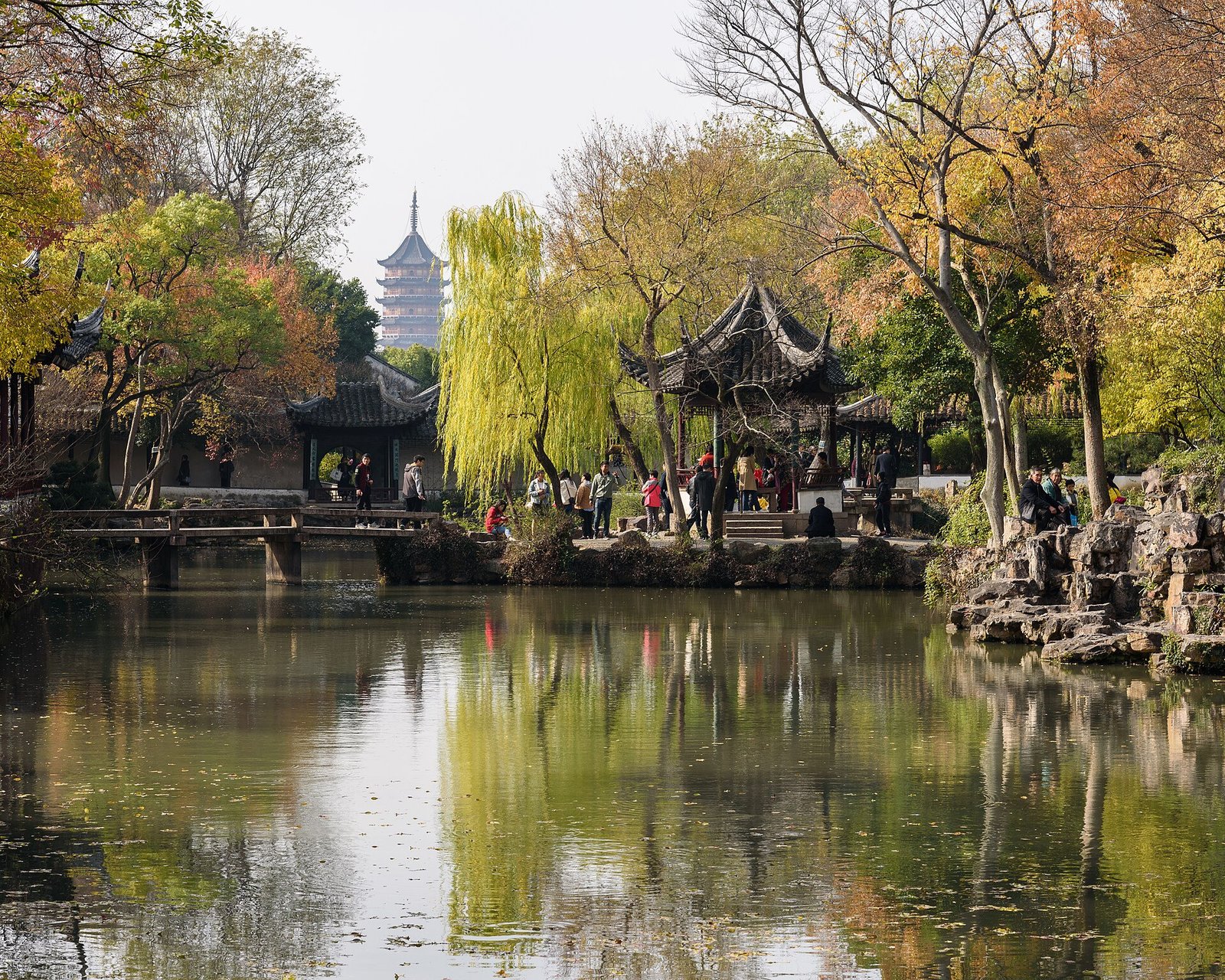
Suzhou Gardens are carefully composed landscapes rather than large recreational parks. Rocks, water, planted areas, covered walkways, and framed views create the impression of a much larger world within limited space. The Humble Administrator's Garden and Lingering Garden show different arrangements; the Master of the Nets Garden offers a more compact comparison. One or two well-chosen gardens with slow looking are usually more revealing than a rushed garden marathon.
Pingjiang Road and the Shantang area connect waterways with contemporary shops and neighborhood life. These are busy visitor districts as well as historic urban spaces. The Suzhou Museum adds art and regional history, while silk traditions and pingtan storytelling introduce other cultural strands. Check reservations and performance language; elegant presentation does not make a Chinese-language narrative automatically understandable without context.
Nanjing's wall does not tell just one period
Nanjing City Wall preserves substantial parts of the Ming capital's defensive system. Walking a chosen open stretch gives views of lakes, roads, and neighborhoods as well as masonry. Different sections have their own access and practical arrangements. The city's historical importance includes several periods as a capital, so avoid describing it only through one dynasty.
The Ming Xiaoling Mausoleum, Sun Yat-sen Mausoleum, and surrounding Purple Mountain area provide very different memorial landscapes. Choose enough time to understand each rather than treating the mountain as one admission gate. The Nanjing Massacre Memorial is a serious visit about wartime atrocity, requiring respectful attention and appropriate expectations.
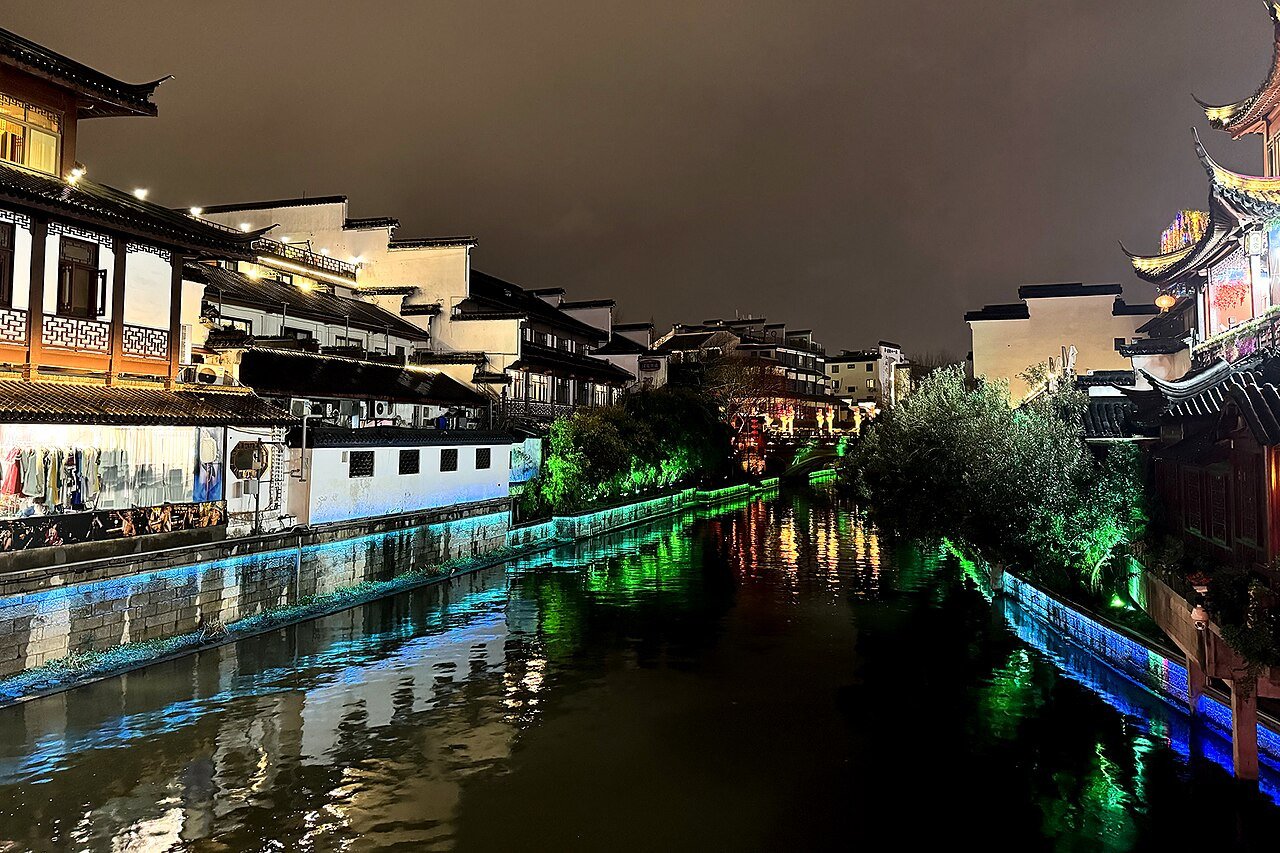
The Qinhuai River and Confucius Temple area introduce another Nanjing: busy waterside streets, shops, restaurants, and illuminated evening views. This is a contemporary visitor district with historical associations, not an entirely preserved ancient marketplace. Choose a walk or a boat route with its actual boarding point clear.
Nanjing Museum broadens the regional picture, while streets and markets reveal a major contemporary university and working city. A lake view with modern towers is not a contradiction of its history; it is the latest layer.
The Grand Canal is a working network
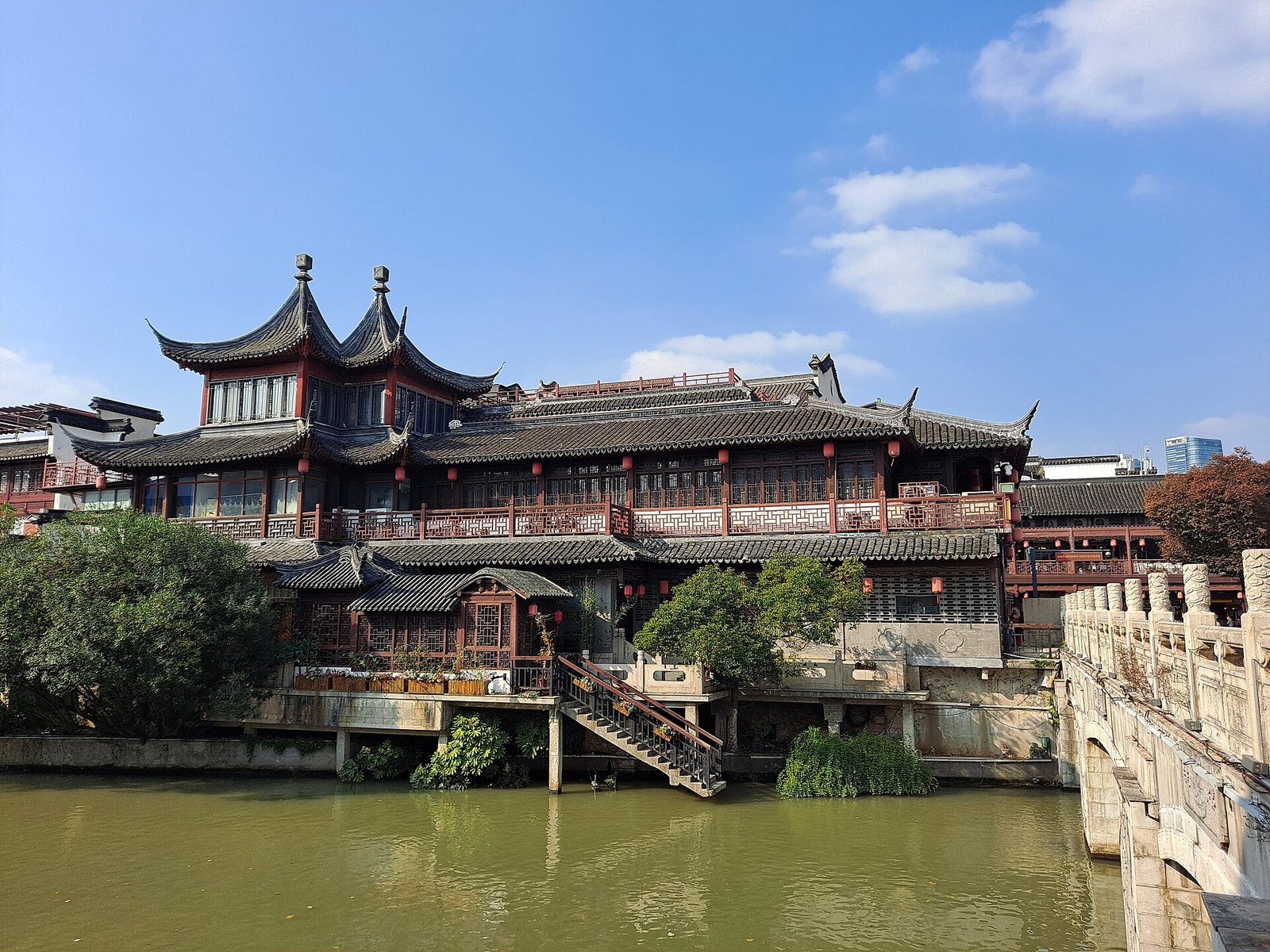
The Grand Canal passes through several Jiangsu cities and has long connected transport, commerce, and state administration. In Yangzhou, museums and canal-side walks help explain that system. The China Grand Canal Museum offers an accessible introduction to the larger network; the city's gardens and older streets add local scale.
Wuxi's Qingming Bridge area introduces another canal neighborhood, while Suzhou's waterways make the network visible in a different urban setting. Modern tourist boats and preserved wharves show only selected parts of a much larger history. Decide which city gives the context you want rather than assuming one brief cruise explains the whole canal.
Taihu and the towns around it
Wuxi Taihu Lake is a broad lake landscape with managed scenic areas such as Yuantouzhu. The park's views, paths, and seasonal blossoms create a different experience from a canal street. Boat availability and the appearance of the lake depend on conditions. Spring flowering can attract large crowds; a quieter lake visit at another time remains worthwhile.
Water towns such as Tongli and Zhouzhuang offer canals, bridges, and residential architecture, with substantial visitor infrastructure. Choose one based on route and interests. Northern Jiangsu adds places such as Xuzhou, where Han-period archaeological remains and museum collections introduce a different provincial history. That is a valuable longer extension, not an easy detour from a short Suzhou stay.
Regional refinement does not mean one sweet menu
Huaiyang cuisine is associated especially with Yangzhou and Huai'an, with attention to knife work, texture, and balanced preparation. Yangzhou breakfasts and tea-house meals can include delicate buns and noodles; Nanjing salted duck offers another signature; Suzhou has distinctive noodle soups and seasonal dishes. Wuxi preparations can be noticeably sweet, but it is inaccurate to call every Jiangsu meal sweet. Ask what is local to the city.
Opera, storytelling, silk work, gardens, and scholarly traditions contribute to Jiangsu's cultural life. They coexist with industry, research, and modern commuting. Look for specific practices rather than describing everyone as naturally refined.
Summer can be hot and humid with heavy rain, while winter is often cold and damp, particularly around water. Spring and autumn suit garden and canal walks, with blossoms and holidays drawing crowds. A route combining Nanjing with Suzhou, or Suzhou with Wuxi and one water town, keeps travel purposeful. Add Yangzhou when you can give its food and canal history proper attention.