Start Planning · Province & region guide
Jiangxi: Porcelain at the Workbench, Villages in the Hills
Jiangxi rewards travelers who enjoy watching how things are made and how landscapes are inhabited. A porcelain workshop in Jingdezhen, a hillside village in Wuyuan, and a mountain retreat on Mount Lu each offer a different rhythm.
Nanchang is the provincial capital. Jingdezhen and Wuyuan form a natural northeastern pairing, while Mount Lu lies nearer Jiujiang. The province is not one compact garden route; choosing a cluster helps keep the journey relaxed enough for meaningful stops.
Jingdezhen: begin with clay, not only finished vases
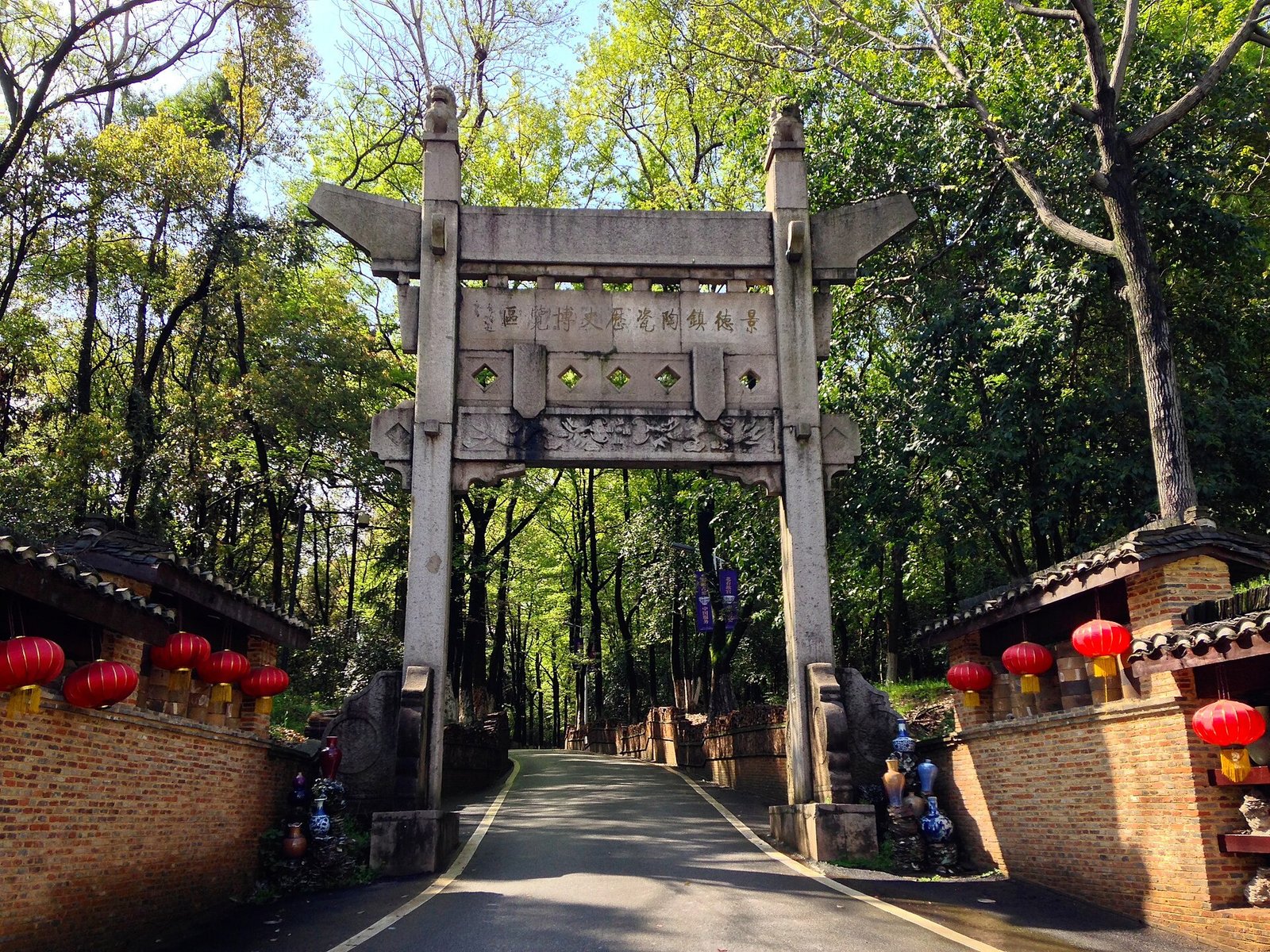
Jingdezhen porcelain has a long connection with imperial production and wider commercial trade. Its importance lies in materials, specialized labor, kilns, design, and circulation—not simply in delicate blue-and-white objects. The Imperial Kiln Museum and archaeological area explain that history through excavated material and the production site. Check which galleries and areas are open during your visit.
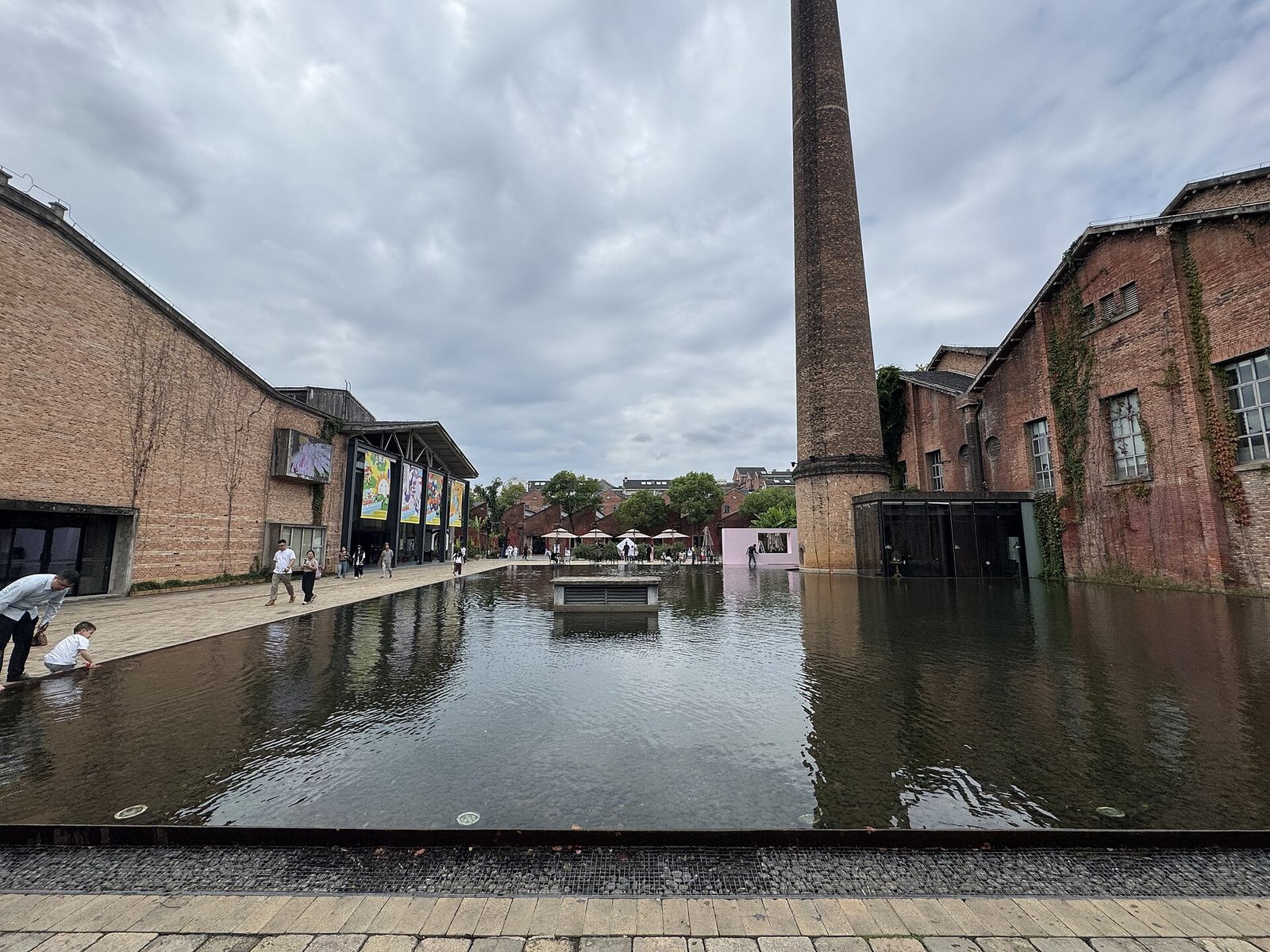
The Ancient Kiln Folk Customs Museum offers another way to understand historic making, while Taoxichuan combines reused industrial buildings, contemporary design, shops, and events. Night views of Ceramic Art Avenue or Taoxichuan show the city's newer cultural energy; they should not replace a daytime look at production. In a workshop, ask which stages happen there. Throwing a vessel, painting a surface, glazing, and firing require different skills and timings.
A short participatory session can be enjoyable, but shipping, firing, and collection arrangements need clarification before you pay. Buying a handmade piece is more satisfying when the maker can explain its process. Do not assume every object sold in the porcelain city was individually made by the person behind the counter.
Wuyuan: give one village a morning
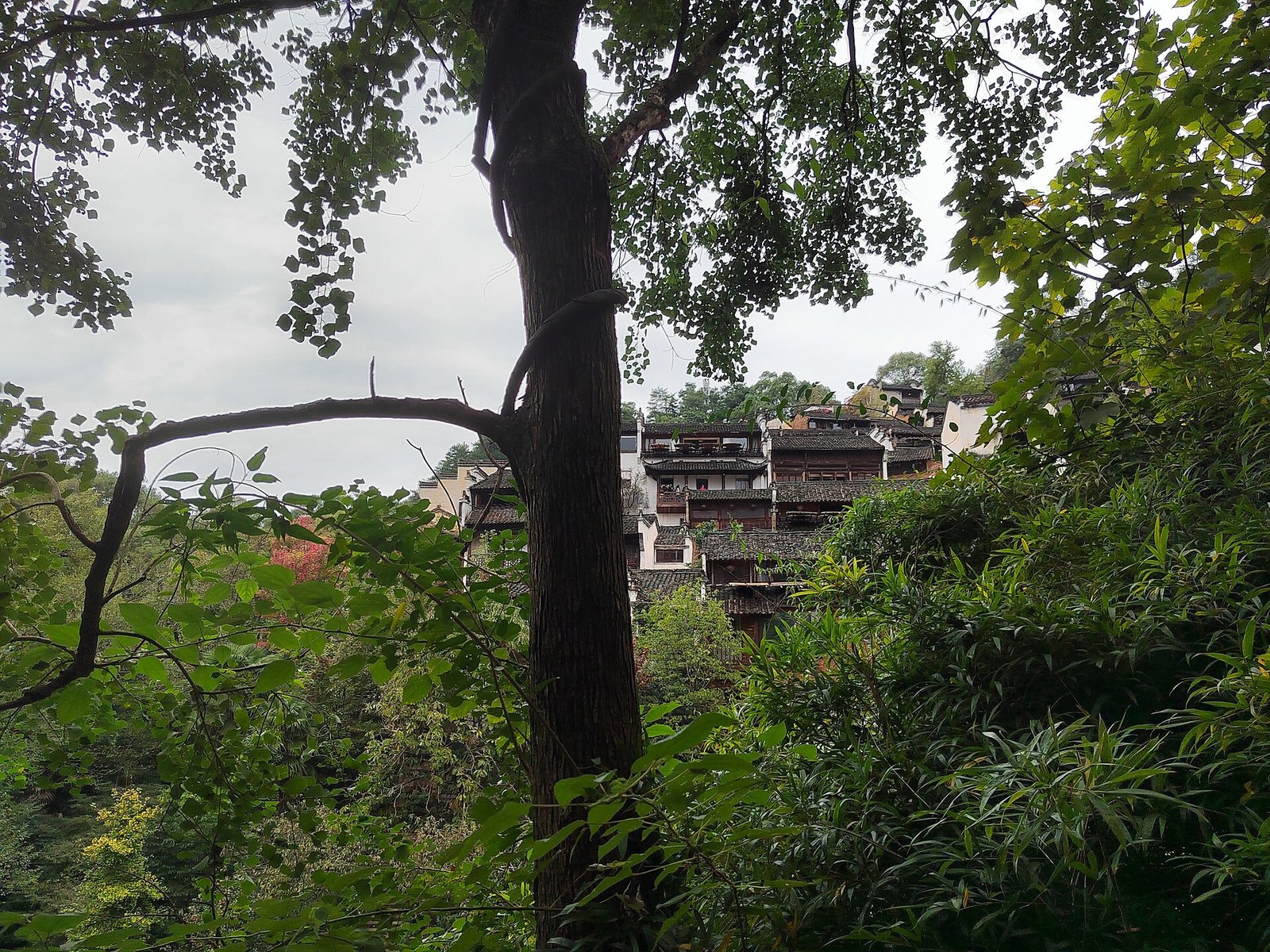
Wuyuan villages are known for white walls, dark tiled roofs, ancestral architecture, fields, and streams. Their connections with historic Huizhou culture become clearer when you look at household layouts and village organization rather than only the color contrast. Huangling is especially associated with terraces of crops laid out to dry; it is also a developed visitor attraction with seasonal staging and access arrangements.
Other villages provide different atmospheres. Some are active residential communities, others concentrate on visitor services. Choose a few based on actual interests and travel distance. Rapeseed blossoms in spring and autumn harvest scenes are seasonal, with timing affected by weather and elevation. A working farm landscape is not obliged to look exactly like an online photograph on the day you arrive.
Respect private thresholds, ask before portraits, and pay appropriately for a guided visit or workshop. Village life continues around visitors. Spending longer in one place often reveals more than touring several similar lanes before lunch.
Mount Lu has several historical layers
Mount Lu, or Lushan, rises near Jiujiang and Poyang Lake. Its scenery includes wooded slopes, cliffs, waterfalls, and viewpoints, while Guling's villas and streets introduce the mountain's history as a summer retreat. Religious sites, literary associations, and twentieth-century political history add other layers. Decide whether you want walking, architecture, or a mix before choosing accommodation and routes.
Mountain transport and visitor systems link different areas but do not eliminate distances. Clouds and rain can change views quickly, and mist may make a forest walk more interesting while hiding a panorama. Do not schedule an inflexible summit expectation after a long arrival journey.
Nanchang and the places farther south
Tengwang Pavilion in Nanchang is closely associated with a famous literary tradition. Like many celebrated Chinese towers, its current form is a reconstruction in a long history of rebuilding. The river setting and interpretation make the visit meaningful even when the building is not ancient fabric. The Jiangxi Provincial Museum gives wider historical context, and ordinary city streets offer a contemporary counterpoint.
Sanqingshan presents a different granite mountain landscape with dramatic peaks and Taoist associations. Longhushan is another distinct destination, known for Taoist history and river-and-cliff scenery. Ganzhou farther south adds old urban architecture and Hakka cultural connections. These are valuable extensions for a longer visit, not obligatory additions to a Jingdezhen–Wuyuan trip.
Small bowls and strong flavors
Nanchang's rice noodles and earthenware-pot soups make a practical introduction to local eating. Jingdezhen has its own noodle and snack traditions, while southern Jiangxi adds Hakka-associated dishes. Chili can be prominent, so ask about the actual heat level and ingredients. A ceramic pot on the table is also a reminder that craft traditions belong to ordinary food life, not just museums.
Jiangxi has hot humid summers, substantial warm-season rain, and chilly damp winters in many areas. Mountains are cooler and can be foggy; spring and autumn often suit village and city travel with weather flexibility. Plan enough time for a museum, a real making process, and a slower village walk. Those experiences turn the province from a collection of pretty surfaces into a place with skilled work and lived history.