Start Planning · Province & region guide
Shanxi: A Province You Can Read in Wood, Stone, and Courtyards
Shanxi is for travelers who like buildings to tell stories. Buddhist sculpture, timber halls, merchant houses, and old banking offices reveal different ways people organized belief, wealth, and everyday life.
This is Shanxi with one “a” after “Sh,” east of the Yellow River; Shaanxi, home to Xi'an, is a different province to the west. Datong, Taiyuan, and Pingyao are useful bases, but the sites spread across a substantial territory. The strongest route makes connections between a few of them rather than trying to visit every famous temple.
Datong's stone and timber worlds
The Yungang Grottoes near Datong preserve monumental Buddhist sculptures created chiefly during the Northern Wei period. Large figures and intricately carved caves show changing styles and exchanges across Eurasia. Look beyond size: clothing, faces, architectural motifs, and the arrangement of devotional images provide clues to the court and communities that supported them. Enter only open caves and respect rules protecting fragile surfaces.
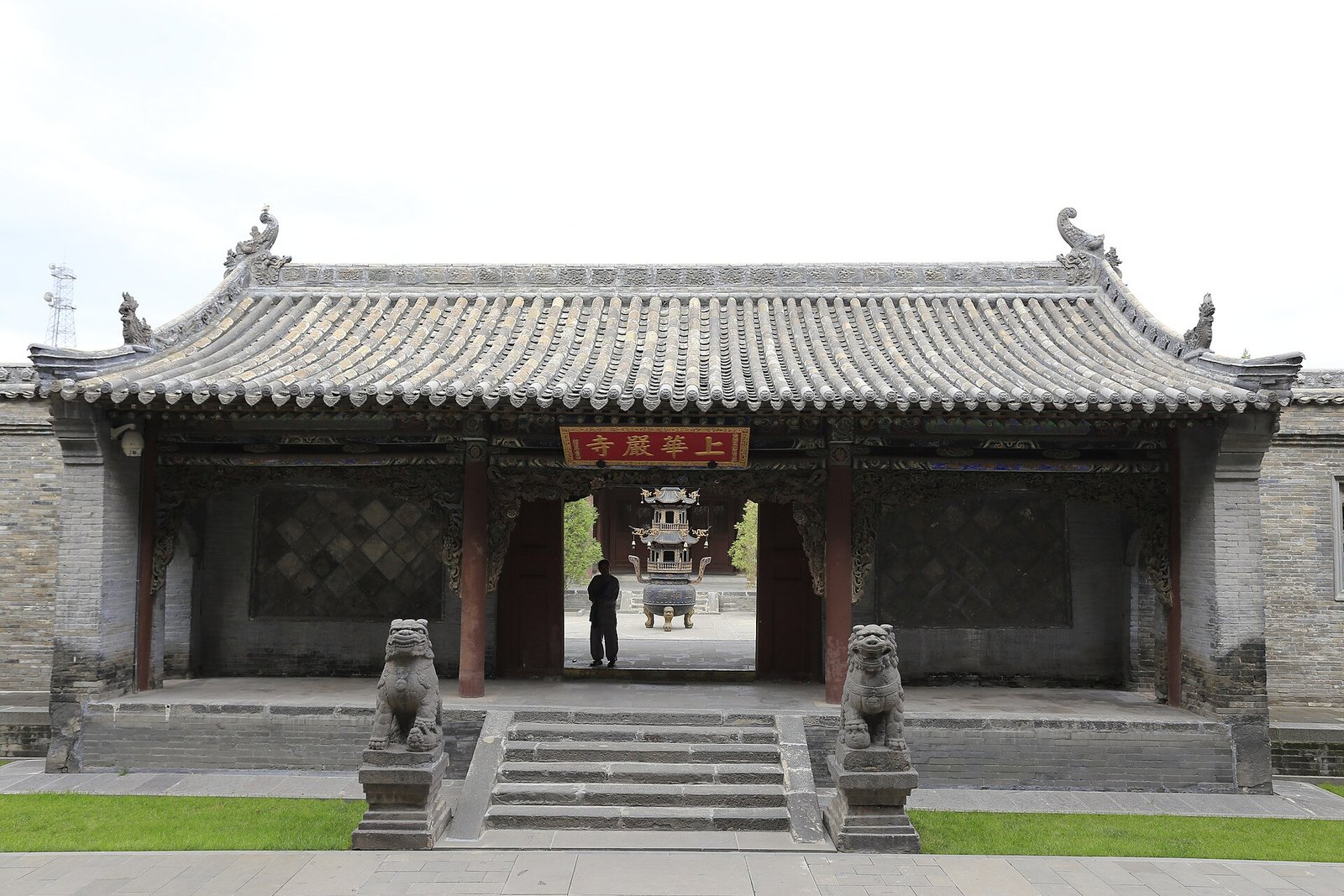
The Hanging Temple, near Hunyuan, attaches a remarkable complex of buildings to a cliff. Its fame comes from the combination of religious spaces and structural ingenuity, not from being a challenge to conquer. Narrow stairs and walkways can feel exposed; assess your comfort with heights and check whether upper access is open before booking around it. Datong's Huayan Temple and Nine Dragon Screen offer worthwhile city visits that do not require another long excursion.
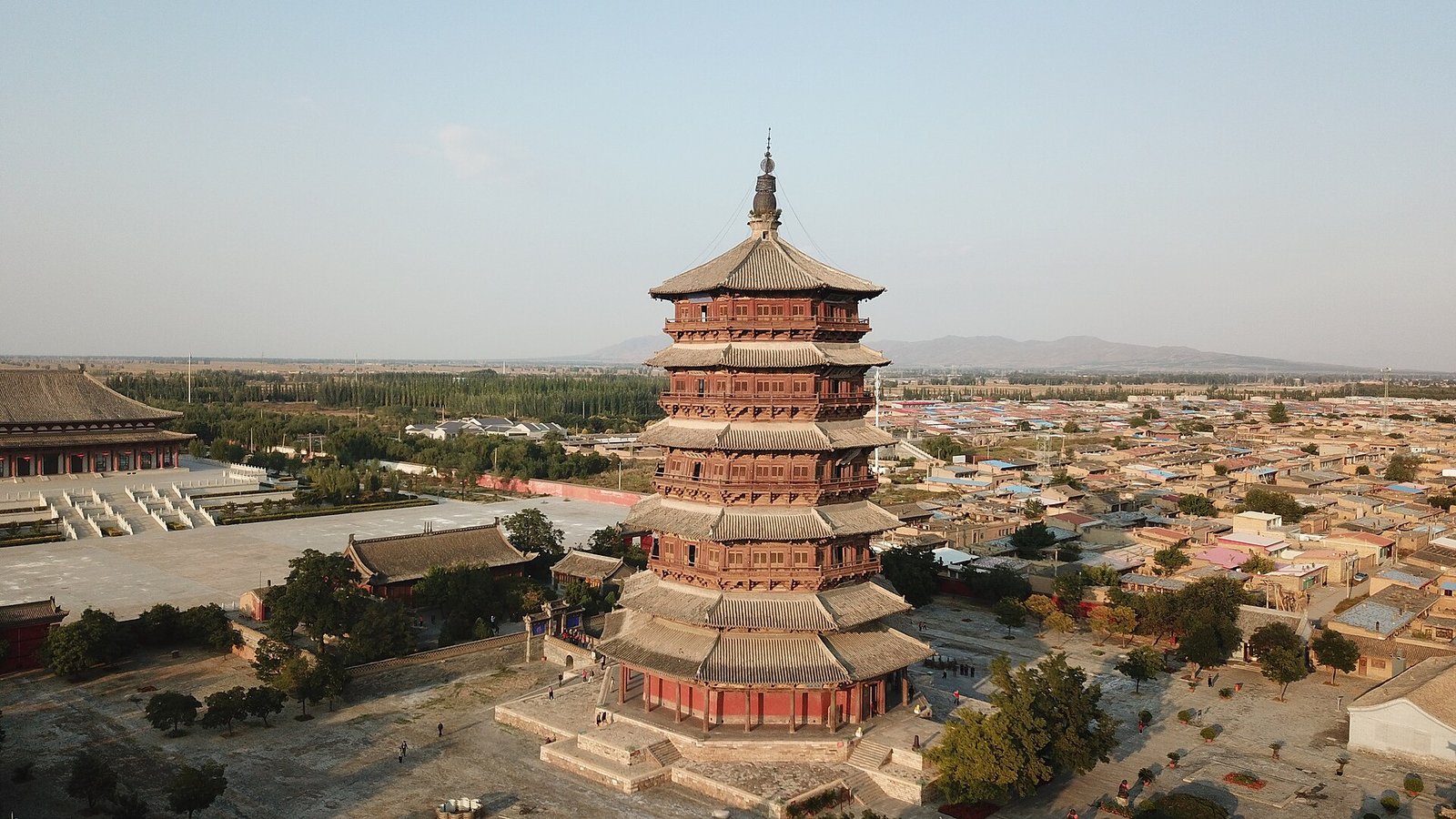
Yingxian Wooden Pagoda is a separate landmark south of Datong, celebrated for its timber structure. Access to interior levels is subject to conservation restrictions, so do not expect to climb it simply because old travel accounts describe doing so. The exterior and interpretation remain fascinating: consider how a tall structure could be supported without relying on the stone construction of a European tower.
Pingyao: follow a bill of exchange into a courtyard
Pingyao Ancient City preserves a walled urban pattern associated with the wealth of Shanxi merchants. Rishengchang and other former banking businesses explain how money could move across great distances without a merchant carrying every coin. Courtyard houses, administrative buildings, shops, and city walls reveal the infrastructure around that trade. Modern tourism is highly visible; quieter early walks and a museum visit give the town substance beyond illuminated lanes.
Nearby Shuanglin Temple is especially important for its painted sculpture. Zhenguo Temple adds an outstanding timber-building tradition. Both deserve attention on their own terms, not as hurried bonus stops. Larger compounds associated with merchant families, including the Wang Family Compound, demonstrate how domestic architecture could express hierarchy, family continuity, and commercial success. Choose one and learn to read its courts rather than collecting several similar entrances.
Mount Wutai is a pilgrimage landscape
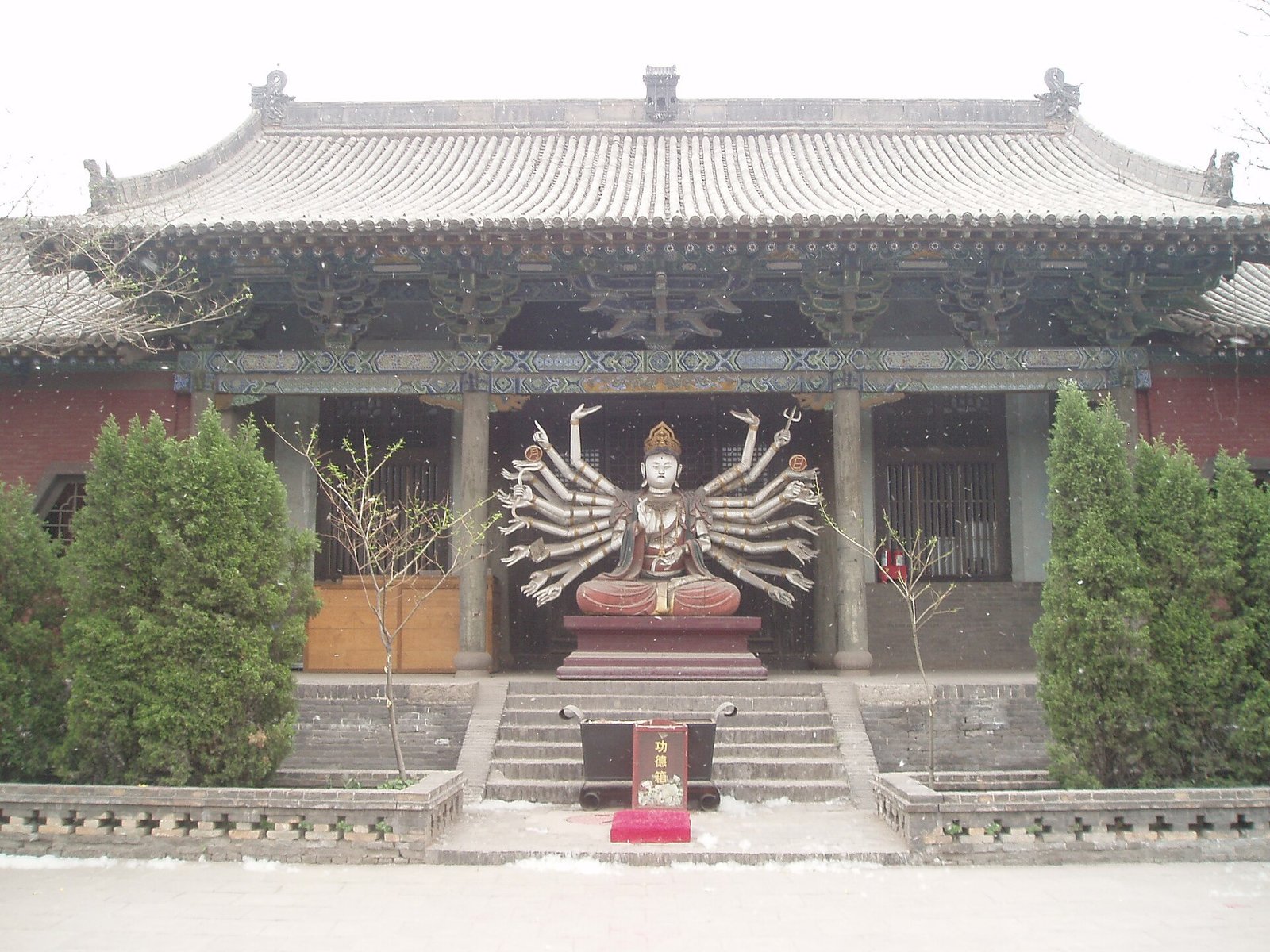
Mount Wutai, or Wutaishan, is closely associated with Manjushri in Buddhist tradition. Temples occupy valleys and mountain settings, and the main visitor town is only part of the sacred landscape. A short visit can focus on a manageable cluster of temples; journeys to higher terraces are a different undertaking with changing weather and access arrangements.
Active worship matters as much as old architecture. Dress respectfully, give ceremonies space, and follow local rules around photographs and offerings. Buddhist communities and visitors have varied practices; avoid treating every person in religious clothing as a photo opportunity. The mountain climate is markedly cooler than the plains.
Taiyuan and the tastes of a wheat province
Jinci near Taiyuan joins halls, sculpture, trees, and water into one of the province's most rewarding historical complexes. The Shanxi Museum provides an excellent way to connect regional archaeology with the temples and merchant sites. Those two visits can give a province-wide journey a useful beginning or ending.
Shanxi noodles are a destination in themselves. Knife-cut noodles, hand-pulled or shaped varieties, oat-flour preparations, and different toppings reveal remarkable diversity within wheat-based cooking. Mature vinegar adds aroma and acidity, but it need not drown a dish. Pingyao beef and local pastry snacks offer further tastes. Ask a restaurant which noodle shape is its specialty and watch skilled preparation where it is offered openly.
Winters are cold and often dry; summers can be hot on lower ground while mountain evenings remain cool. Spring and autumn often suit architectural routes, though wind and temperature changes are possible. Leave transport time between Datong, Wutai, and Pingyao, and check opening arrangements for fragile buildings. Shanxi rewards patient looking: a beam, a sculpture's expression, or the sequence of courtyards can be the detail that makes its history memorable.