Start Planning · Province & region guide
Anhui: Mountain Paths Above, Merchant Villages Below
Southern Anhui offers an unusually satisfying pairing: Huangshan's granite ridges and the carefully organized villages beneath them. Seeing both explains why landscape painting, architecture, and commercial wealth belong in the same journey.
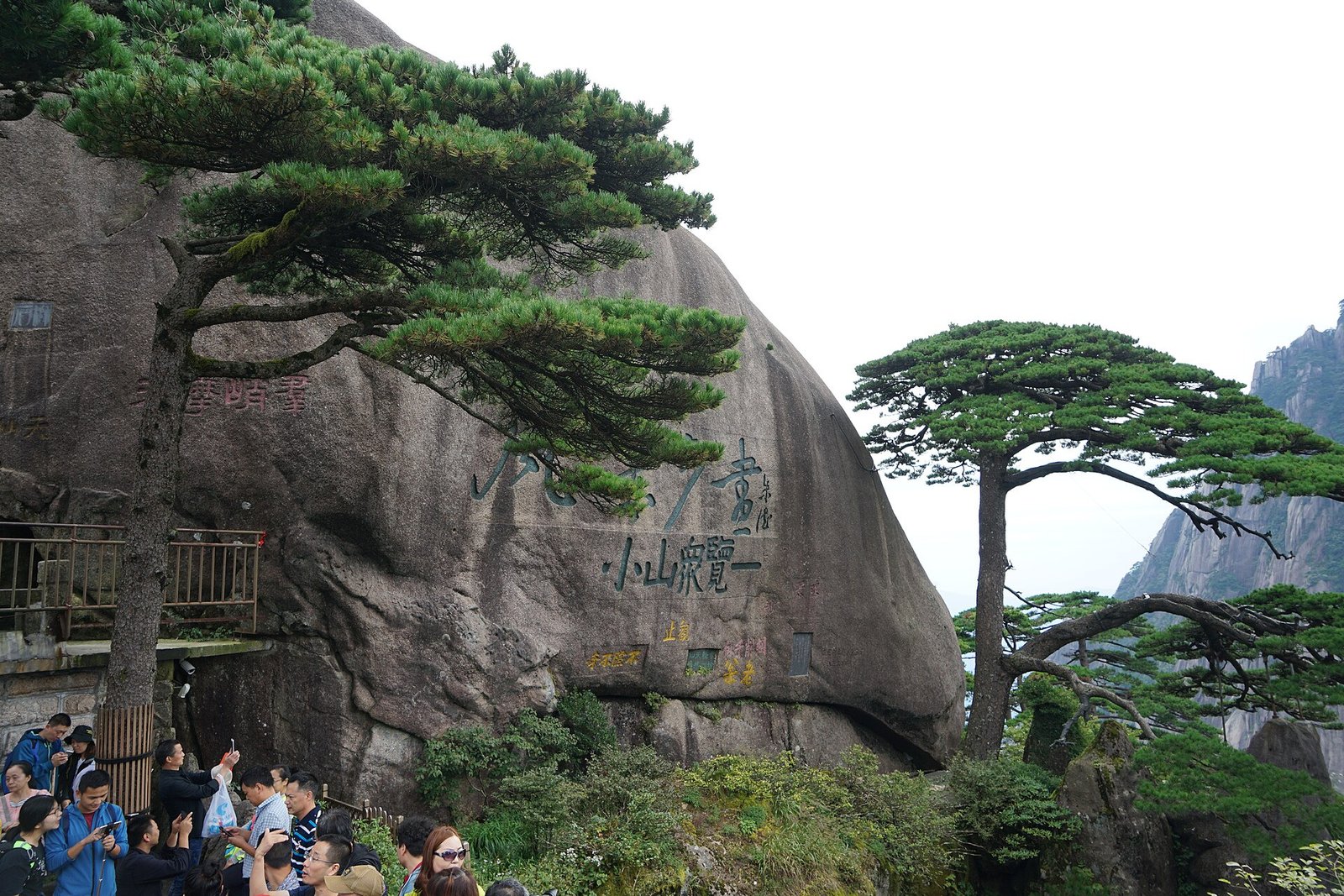
Hefei is the provincial capital, but visitors concentrating on Huangshan and historic Huizhou usually use the Huangshan area instead. Huangshan city, the mountain scenic area, and the surrounding villages are distinct places. Check the exact hotel location and station transfer before assuming that a city arrival puts you at the mountain gate.
Huangshan asks for time on the paths
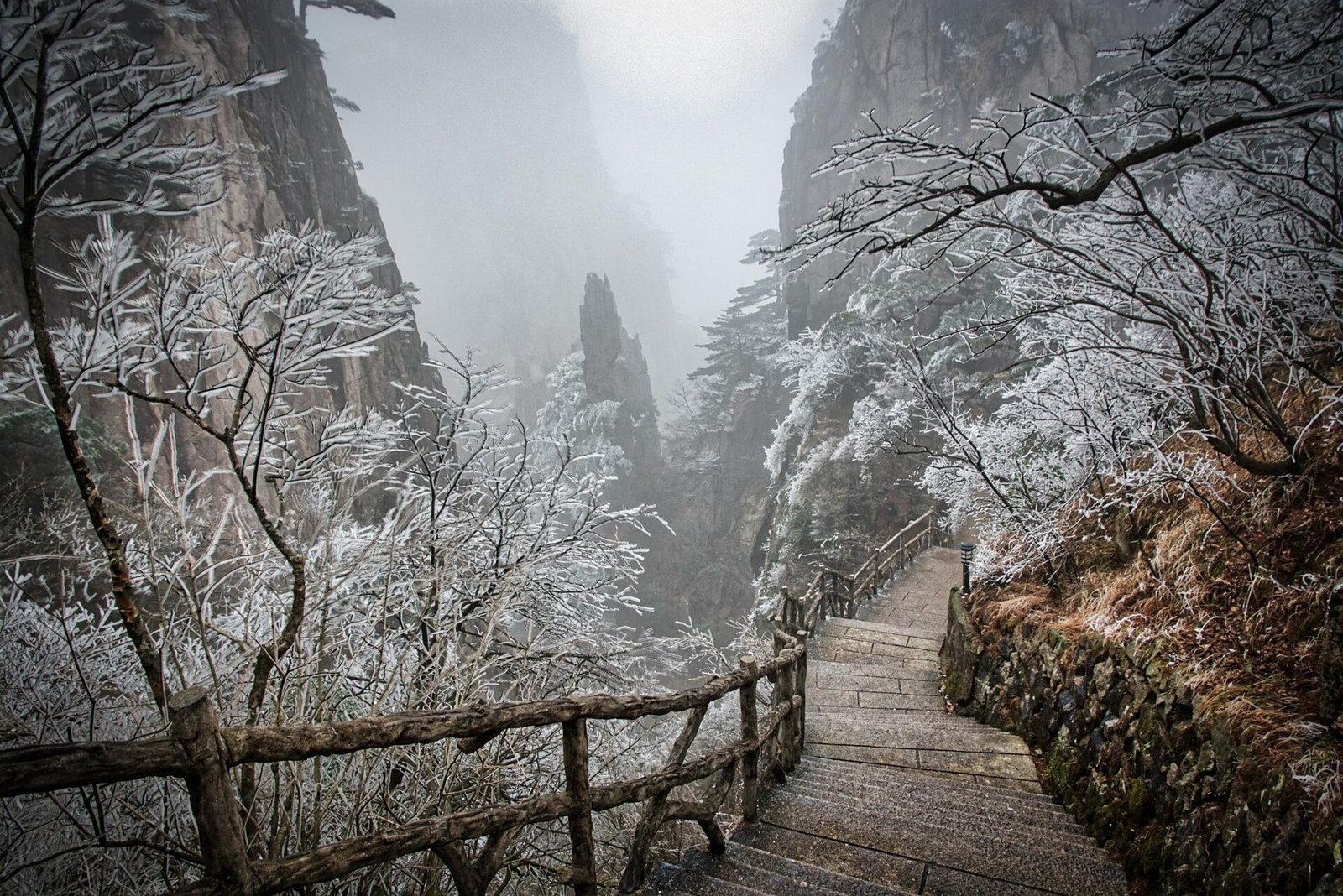
Huangshan, the Yellow Mountains, is known for granite peaks, pines, cloud, and changes of light. Cableways help with access, but routes between major viewpoints still involve considerable stairs. Choose a manageable mountain plan and know where it ends. A night on the mountain can allow early or late walking, while a day visit needs realistic limits.
Cloud can conceal distant views and then reveal them suddenly. The celebrated “sea of clouds” and sunrise are weather-dependent, not bookable features. Forest and nearby rock formations can still be compelling in mist. Wet steps, cold wind, and occasional closures mean that footwear and flexible expectations matter more than reproducing a famous photograph.
Bring layers even in warm months, use authorized trails, and reserve suitable accommodation if staying above. Mountain lodging is not interchangeable with a hotel in Tunxi. Decide whether you want a demanding walking day or a shorter set of viewpoints and choose the approach accordingly.
Hongcun: water organizes the village
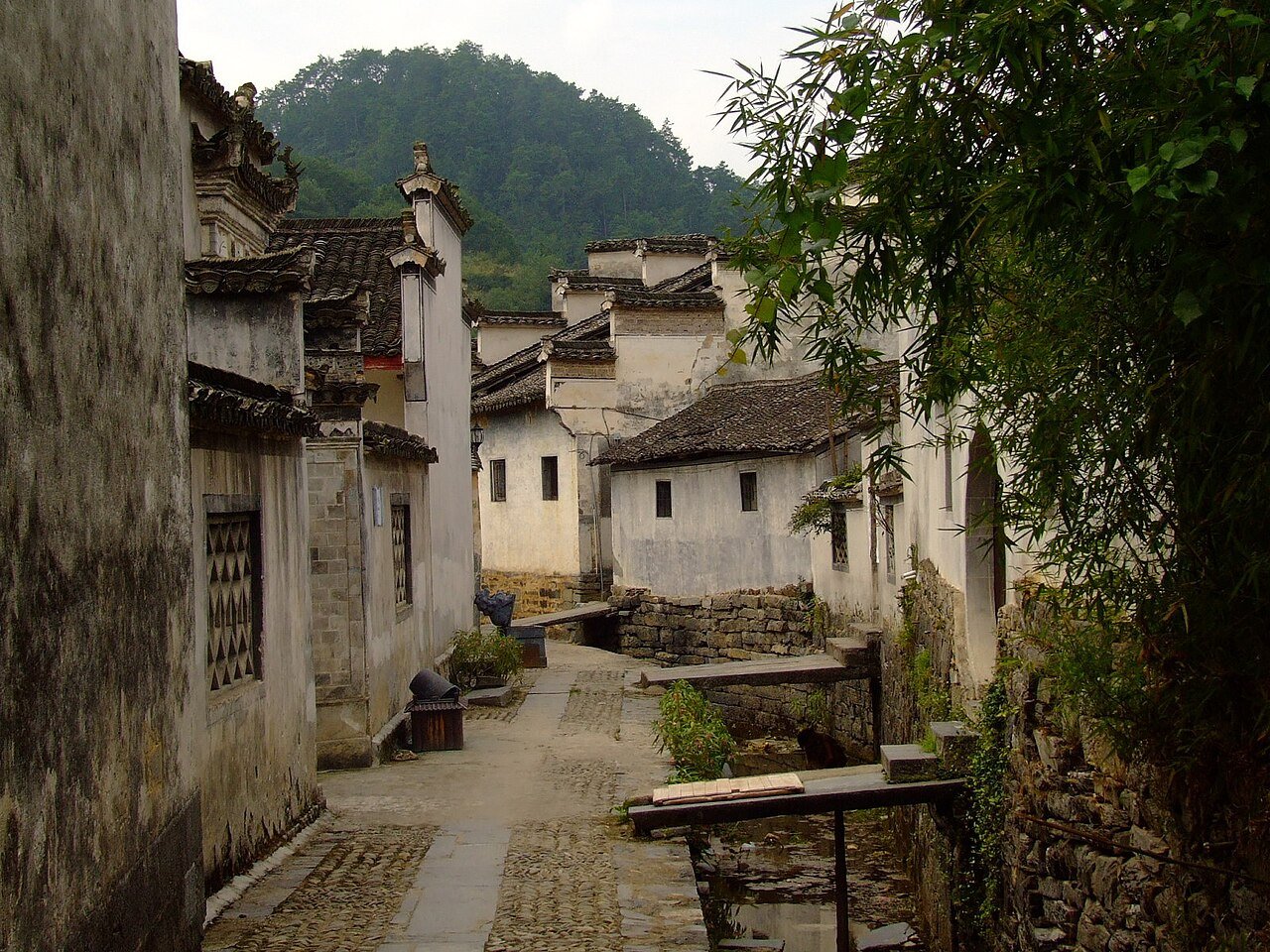
Hongcun Village combines whitewashed houses, dark rooflines, pools, lanes, and a water-management pattern woven into the settlement. South Lake and the Moon Pond are familiar views, but the courtyards and ancestral spaces make the village more than a reflection photograph. Merchants' wealth, family organization, and local craftsmanship shaped what remains.
Visit a few interiors with interpretation rather than simply following the busiest photo route. Some structures welcome visitors, others are private or have limited access. Residents still live and work here alongside a substantial tourism economy. Early or late walks can give a different atmosphere without requiring the fiction that the village has no modern life.
Xidi gives the architecture a second voice
Xidi Village offers another concentration of Huizhou residential buildings, carved details, and clan history. Its lanes and stone archway create a different spatial experience from Hongcun's pools. Comparing the two is useful if you are interested in architecture, but a slower visit to one may be preferable to racing through both for the entrance photograph.
Look at carvings as a language of aspiration: wealth, learning, family continuity, and auspicious imagery recur in domestic settings. A knowledgeable guide can explain a particular panel without inventing a universal meaning for every decorative detail. Historic villages reveal elite investment and community organization, but they do not represent every household's living conditions in the past.
Tunxi and the wider Huizhou story
Tunxi Old Street in Huangshan city's urban area brings shops, food businesses, and historic-style commercial architecture into an accessible walk. It is a present-day trading street with tourism, not a museum corridor sealed in one century. Nearby museums and the Liyang area add other ways to spend a lower-intensity evening after mountain walking.
Shexian's old Huizhou urban area, Tangyue's archways, and other villages deepen the merchant and scholarly story. Tea-growing landscapes introduce a different kind of work; local green teas include Huangshan Maofeng and Taiping Houkui, with production tied to particular places and techniques. Seek a legitimate tea visit and clarify whether you are seeing cultivation, processing, or retail tasting.
Jiuhua Mountain farther north adds a Buddhist pilgrimage landscape associated with Ksitigarbha. It is a separate mountain journey, not a small extension beside Huangshan's paths. Hefei and northern Anhui have their own historical and contemporary settings if you are building a longer province-wide route.
The table and the weather belong to the hills
Huizhou-associated cooking often uses braising, stewing, preserved ingredients, and mountain produce. Fermented mandarin fish has a distinctive aroma and is a regional specialty; hairy tofu introduces another fermentation tradition. Ask what the restaurant serves and have foods properly prepared. Bamboo shoots, local greens, and tea provide less challenging entry points if a strongly scented dish does not appeal.
Anhui's summers are hot and humid at lower elevations, with substantial rain; mountain weather is cooler and less predictable. Winters can be cold, with ice affecting trails. Spring and autumn often suit a mixed village-and-mountain journey, but every month needs weather flexibility. Give the mountain a proper walking interval and the villages enough time to read their details. One shows how nature inspired an image; the other shows how people built their place beneath it.