Destinations · Global city
Shanghai
Riverfront lights, Art Deco streets, futuristic towers, galleries, and restaurants show China's modern global face.

The Huangpu River divides Shanghai’s historic western bank from Pudong’s major business skyline. The city sits near the Yangtze estuary on China’s east coast; its size makes neighborhood-based days more useful than crisscrossing the map.
A trading city that keeps rebuilding itself
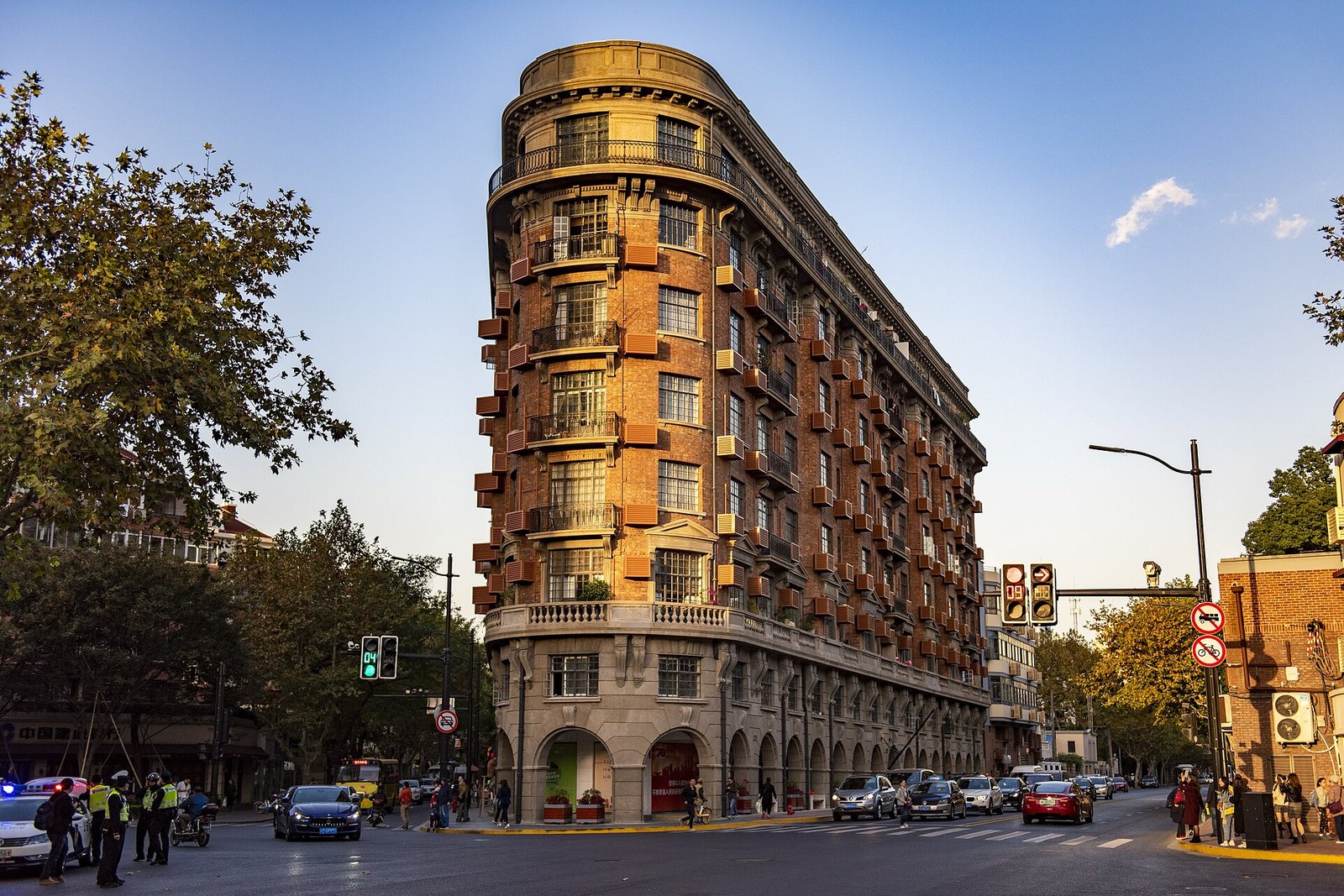
A trading port long before its nineteenth-century treaty-port expansion, Shanghai grew through commerce, migration, industry, and finance. The Bund records part of that international commercial history. Nearby lanes and apartment neighborhoods tell a different story of domestic life, while Pudong’s later transformation shows the city continuing to reinvent itself.
The Bund, Pudong, and a smaller-scale Shanghai
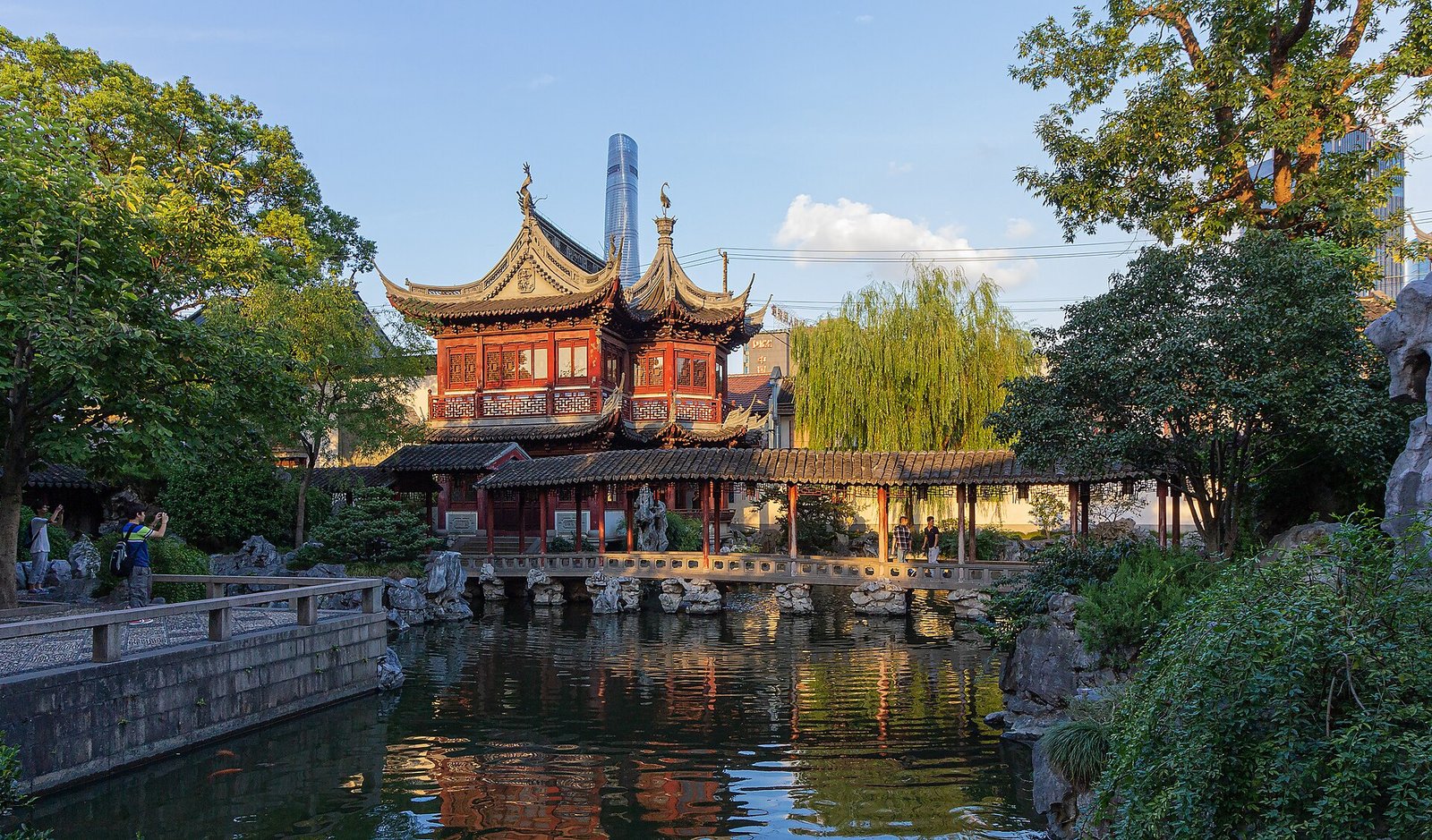
Walk the Bund to read the two riverbanks together, then choose Yu Garden and its surrounding old-city streets, the Shanghai Museum, or the leafy Hengfu area for a more focused day. Contemporary art, design spaces, and waterfront paths add alternatives to observation decks. Reserve separate time for a Suzhou or Hangzhou excursion rather than calling either a quick neighborhood visit.
Start on the Bund when you can study the buildings rather than only the illuminated skyline. Cross to Pudong for a contrasting perspective, then return to a smaller neighborhood for dinner. On another day, combine the old-city area with a museum instead of squeezing both into the same river outing. The interesting comparison is between scales: a tower district, a commercial street, and a lane whose daily life continues behind its entrance. Shanghai rewards changing the pace as much as changing the viewpoint.
Read both riverbanks
Start on the Bund and compare its historic commercial frontage with the Pudong towers. Cross the river if you want the reverse view, then choose a meal nearby instead of another distant district.
Choose a smaller-scale city
Give Yu Garden and the old-city area their own visit, or choose a Hengfu-area walk for a different architectural rhythm. These are alternatives to collect thoughtfully, not errands to complete between skyline photographs.
Start with a dumpling basket or a breakfast pan
Try xiaolongbao, shengjian pan-fried buns, scallion-oil noodles, and dishes associated with Shanghai’s sweet-savory cooking. A small breakfast shop and a shared restaurant meal offer different perspectives. Dumpling fillings vary; ask rather than assuming every steamed bun contains pork.
Use the metro to link neighborhoods, then walk locally. Check the correct museum branch and booking procedure. Leave room for rain and for the travel time from the airport: an impressive skyline does not mean every destination is close together.