Destinations · Ancient capital
Xi'an
City walls, Terracotta Warriors, Muslim Quarter snacks, pagodas, and Silk Road memory make Xi'an deeply atmospheric.

Xi’an lies on the Guanzhong Plain in Shaanxi, in the Wei River region. The old city wall frames a central urban area, while the Terracotta Warriors lie well to the east in Lintong.
The capitals beneath the modern city
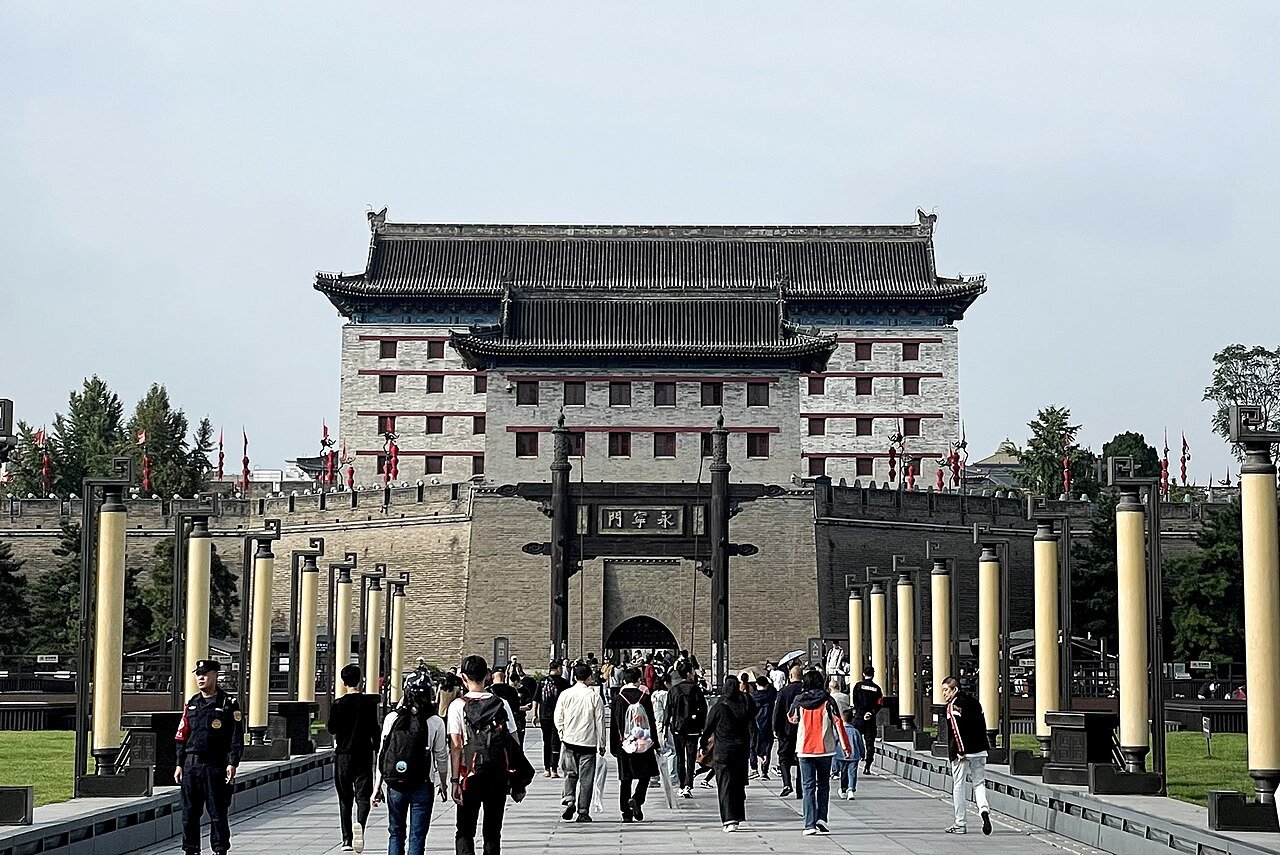
Known historically as Chang’an, the region served as a capital for several dynasties. The Han and Tang periods connected it with networks of exchange across Eurasia. The visible city wall belongs chiefly to a later Ming-era urban landscape: do not assume every landmark comes from the same ancient capital.
The warriors are only the start of the history
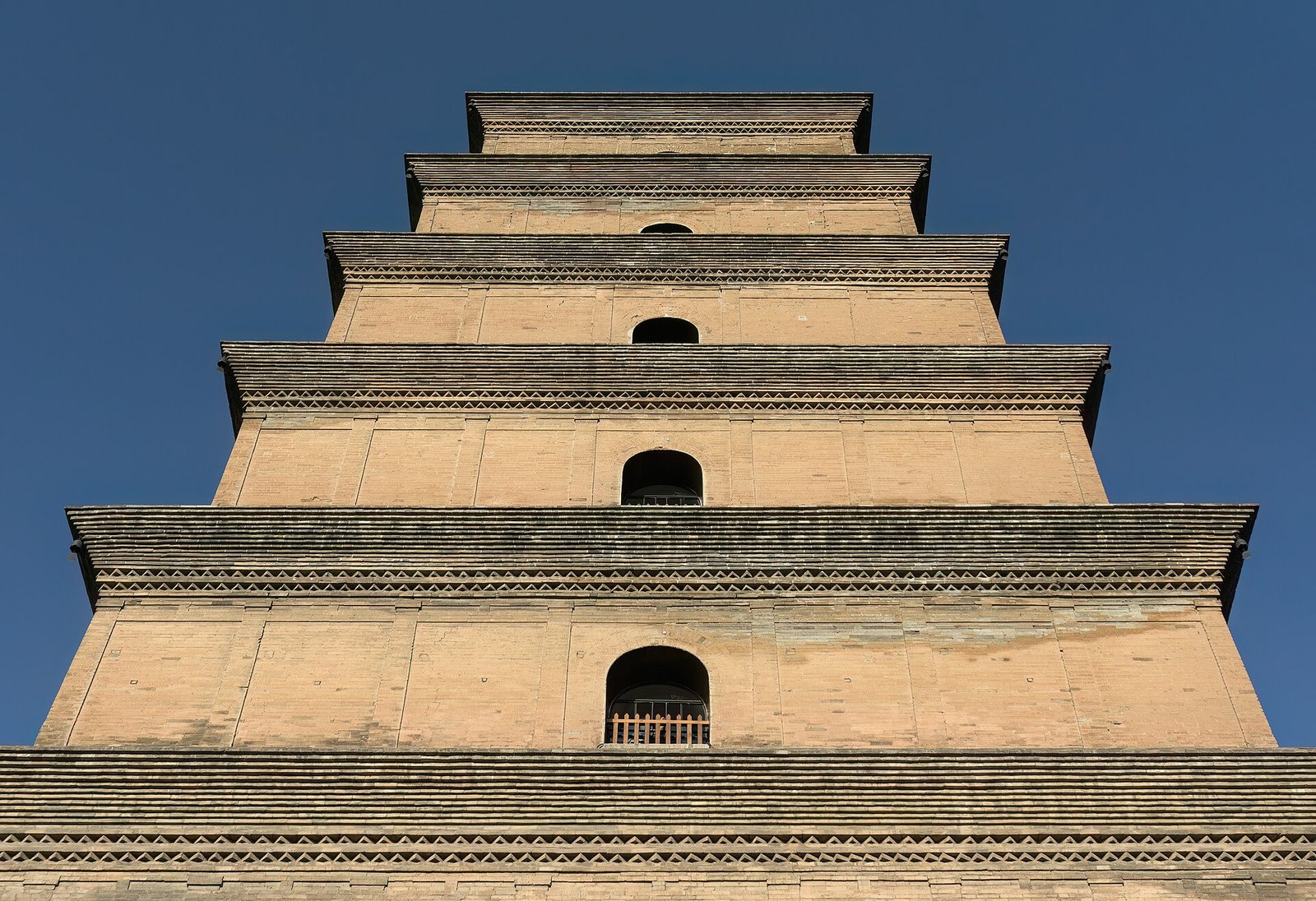
Combine the wall and central streets with the Big Wild Goose Pagoda or a museum visit, then set aside a separate excursion for the Terracotta Warriors. The Muslim Quarter is a living commercial and religious neighborhood as well as a food destination. Smaller streets beyond the busiest tourist stretches can reveal more of its everyday character.
Treat the Terracotta Warriors as a separate excursion rather than your entire understanding of Xi’an. In the city, compare the wall’s broad geometry with the concentrated streets around food and market areas. A museum gives context for periods that are no longer visible as complete buildings. Leave an evening for noodles or other local food and a walk without another major ticket. The present-day city is not a preserved Tang capital: it is a place whose successive layers remain visible in different forms.
Keep the wall and city streets together
Pair a manageable section of the city wall with central neighborhoods and a local meal. Walking, cycling, and viewing from below reveal different aspects of the wall; confirm the option you want.
Make the warriors a dedicated excursion
Allow time for the journey to the Qin burial complex and the museum displays beyond the familiar Pit 1 view. Return to Xi’an for a meal rather than expecting the excursion to explain the whole city.
A noodle bowl brings the city back to the present
Try roujiamo, wide biangbiang noodles, liangpi, and yangrou paomo. The last is a lamb-and-bread dish whose preparation may involve breaking bread before it is cooked in broth. Recipes and religious dietary practices differ between shops, so read signs and ask about meat, broth, and toppings.
Give the city at least two full days if you want both the archaeological excursion and urban sights without rushing. Confirm where your train arrives; Xi’an North is not inside the old city. The province is Shaanxi, with two a’s, distinct from neighboring Shanxi.