Destinations · Beijing
Temple of Heaven
Blue-tiled roofs, circular altars, and old cypress groves reveal the ritual world of imperial Beijing.
The complex lies in southern central Beijing, within an extensive public park. The ceremonial buildings and surrounding park areas may have different ticket access.
Ming and Qing emperors performed rites here connected with Heaven, agricultural prosperity, and imperial responsibility. Buildings and grounds developed from the fifteenth century onward. Circular and square forms, spatial sequences, and repeated numbers participate in the complex’s symbolic language.
An emperor’s harvest rituals, expressed in geometry
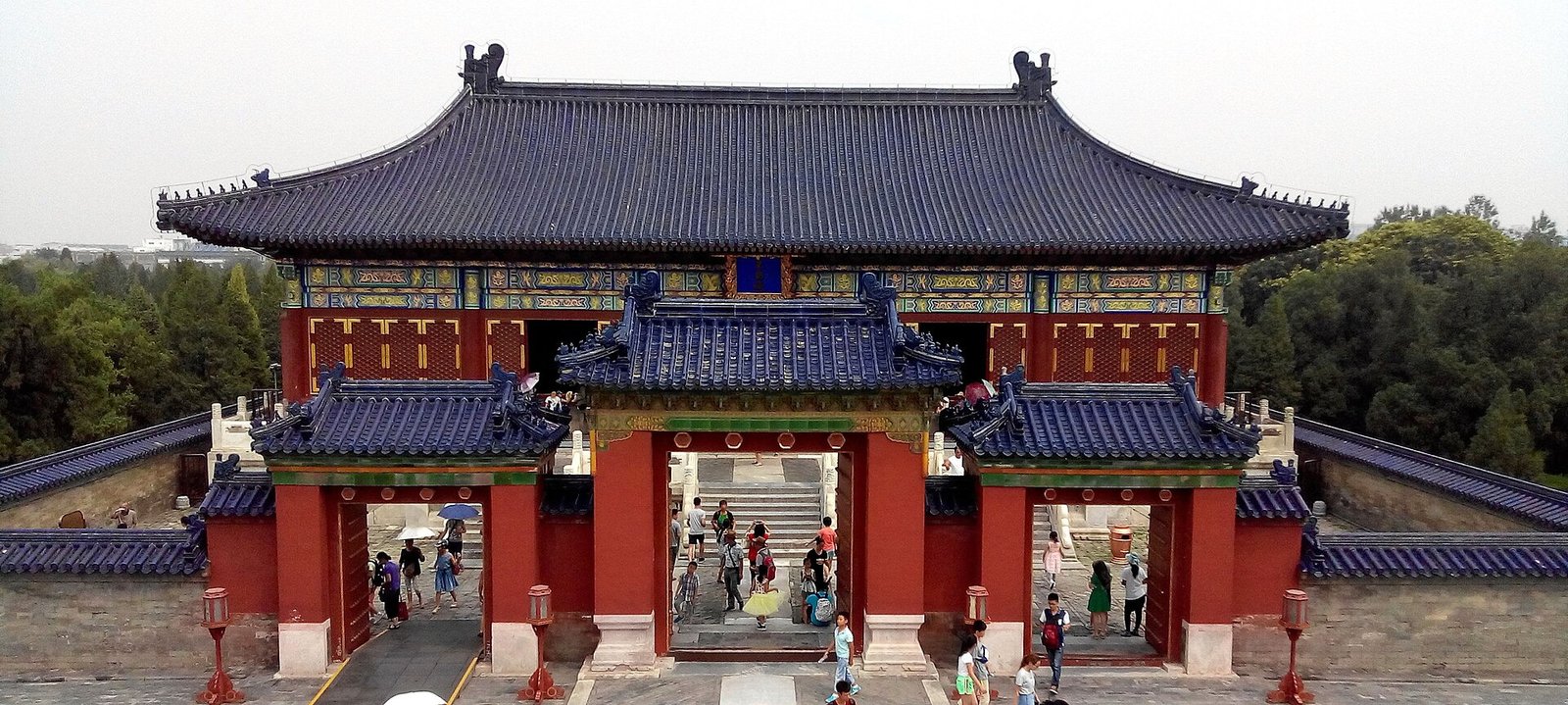
Round forms, axes, platforms, and the organization of spaces relate to the complex’s ceremonial purpose. The famous Hall of Prayer for Good Harvests is an important point in that sequence, not the whole site. Follow the north–south arrangement with a map and read why an emperor’s ritual duty was represented through architecture. Some meanings require explanation from the site’s interpretation rather than a visual guess.
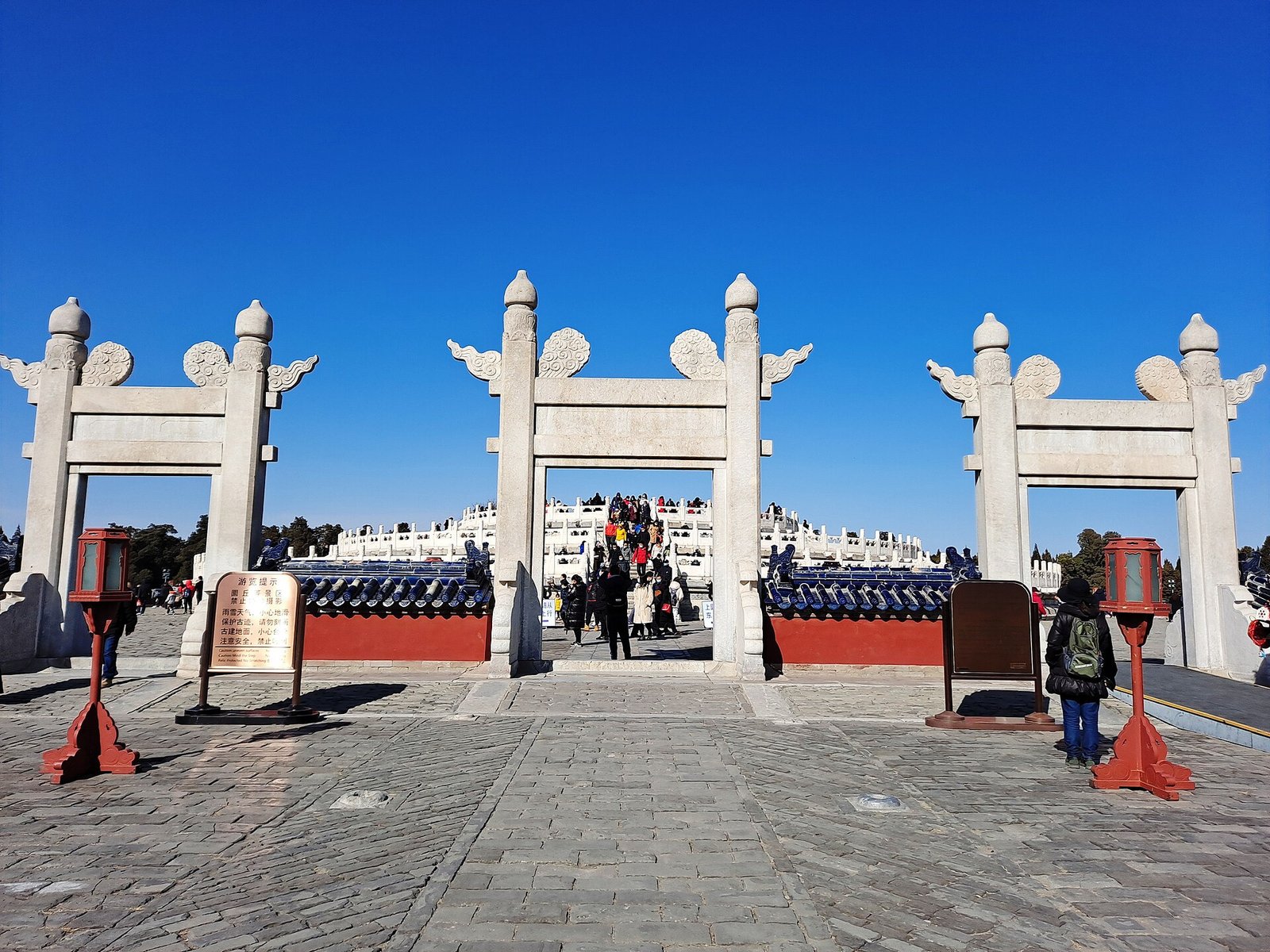
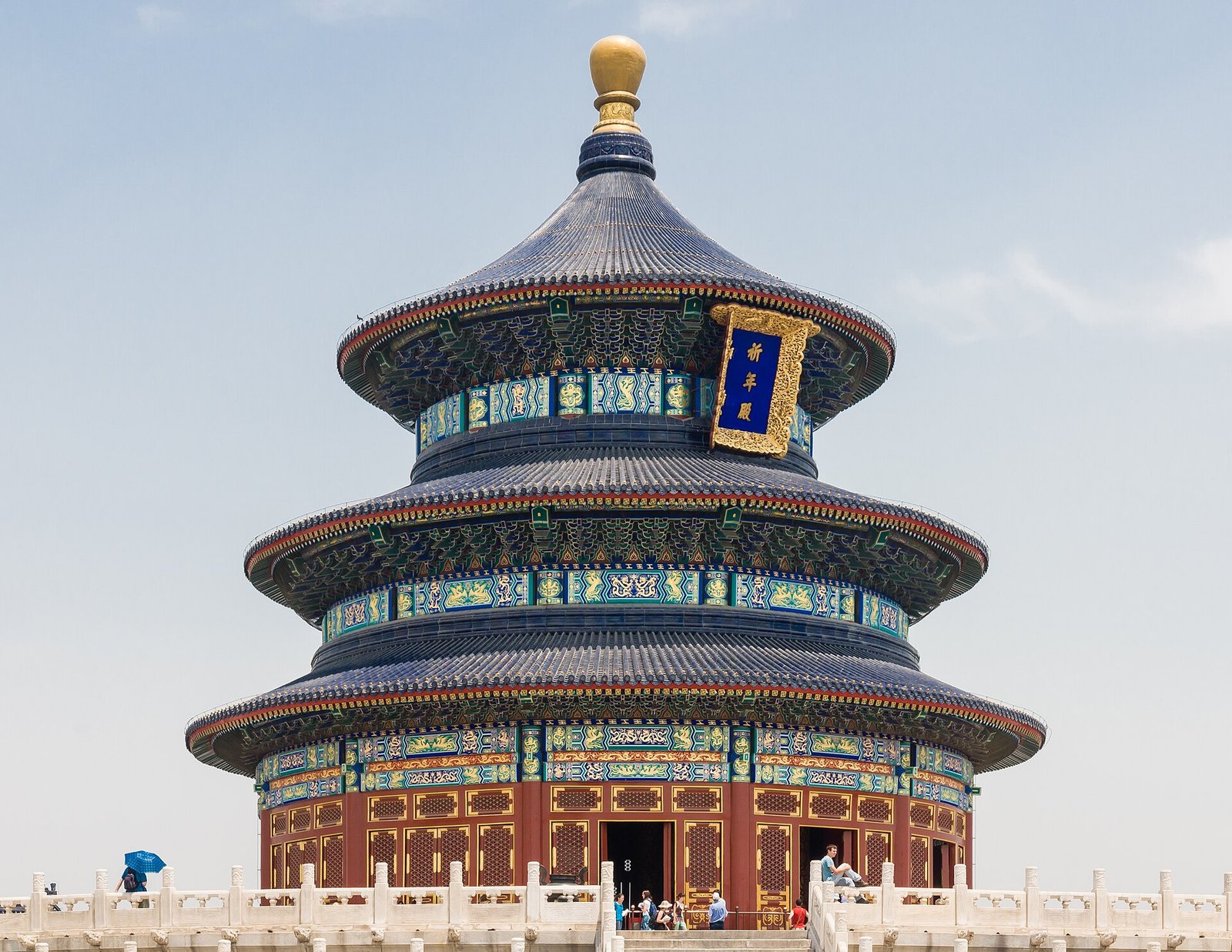
The blue-roofed Hall of Prayer for Good Harvests is the best-known landmark. The Circular Mound Altar and Imperial Vault of Heaven help reveal that this is a connected ritual landscape, not just a single photogenic building. Outside the ceremonial core, mature trees and neighborhood park life offer another way to read the place.
A palace hall served a different function from an altar used for state ritual. Thinking about that difference explains why a visit here complements the Forbidden City: one introduces imperial residence and ceremony, while the other makes the ruler’s ritual responsibilities visible.
A ceremonial complex within a living city park
The surrounding park can be used by local residents for ordinary exercise and social activity. These routines belong to the present, alongside the imperial structures. Leave room for both without turning people into an arranged cultural performance. Check which ticket includes the monuments you want to enter; park access and access to particular buildings may be different products.
Check which areas your ticket covers and allow time for walking between them. Arriving with only a plan for one photograph can miss the strongest part of the visit: comparing the spaces and their different functions. Treat morning exercises, singing, and games as people’s everyday activities; ask before taking identifiable close-up photographs.