Culture · Martial arts
Kung Fu & Shaolin
Beyond the movie image, Chinese martial arts involve years of training, distinct styles, and disciplined movement. Shaolin demonstrations offer one window into this varied tradition.
Kung fu in everyday English often means Chinese martial arts, but the phrase also evokes skill built through sustained work. At Shaolin, spectacular kicks and coordinated routines draw attention; repeated fundamentals explain how a performer reaches that point.
Temple, school, and stage are different settings
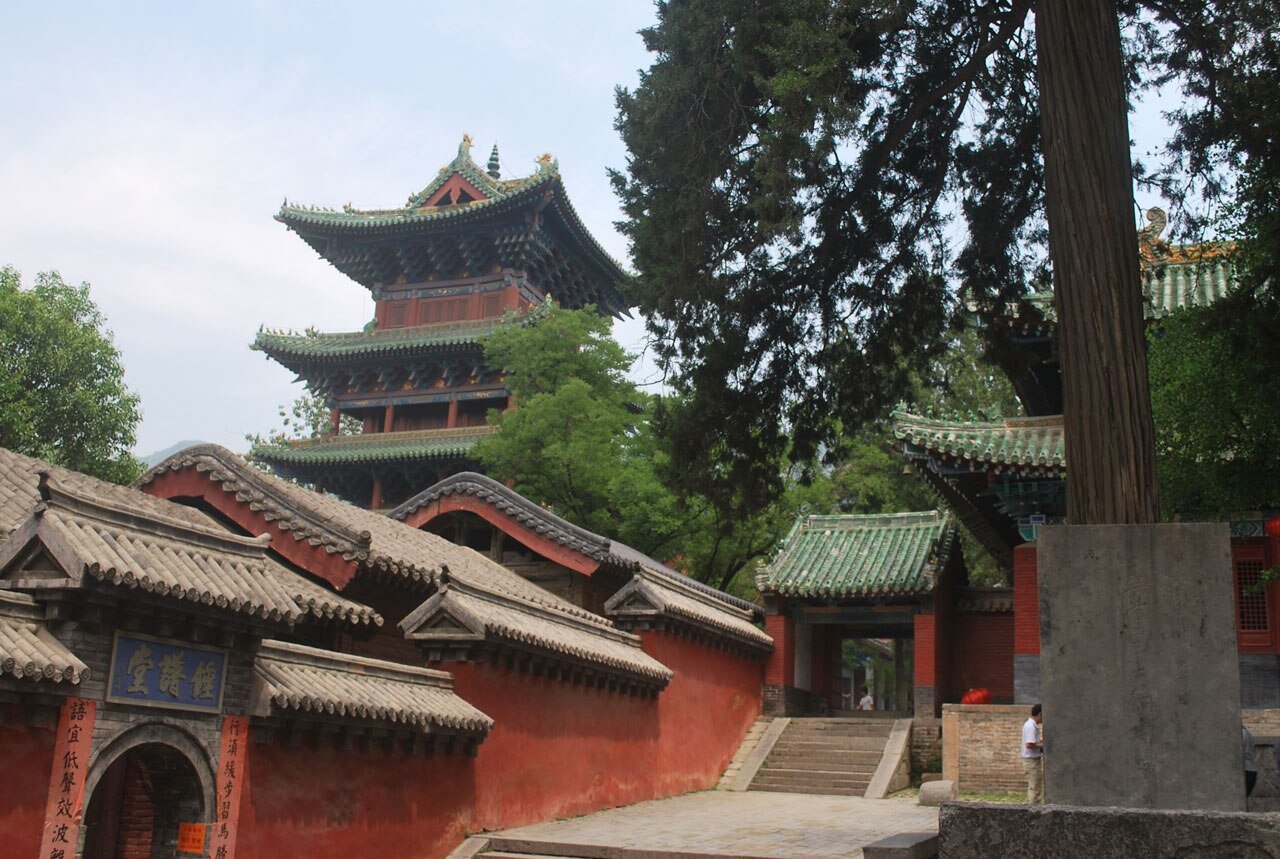
Shaolin Temple stands near Dengfeng in Henan, in the Songshan area. Its religious history and martial associations overlap, while temple spaces, schools, and commercial performances serve different purposes. A visit should distinguish a Buddhist site from a training institution or a staged demonstration.
Confirm the location and program you are booking, allowing time for the temple and surrounding heritage rather than only a performance. If taking a lesson, ask about teacher qualifications, level, duration, and what is suitable for your physical condition. Long-term training requires a different decision from a tourist workshop.
A performance selects skills that can be seen clearly from the audience, while a lesson may repeat a basic stance many times. Both are real activities with different purposes. A short introduction makes more sense when you know whether you are watching stage craft or beginning practice.
The fundamentals behind the spectacular routine
Look for balance, stance, timing, and how movements are linked. Performance routines may emphasize visible difficulty, whereas training can involve quieter repetition. Chinese martial arts include many traditions beyond Shaolin; a single show cannot represent them all.
Observe rules in religious spaces and avoid treating monks as performers available on demand. Stories about martial heroes blend documented history with legend and later popular culture. Ask which kind of story you are hearing; that distinction makes the visit more interesting, not less.