Travel Tips · High-speed rail
Book the Right Train
Use Railway 12306 or Trip.com, enter passport details correctly, check the exact station, and find the right gate.
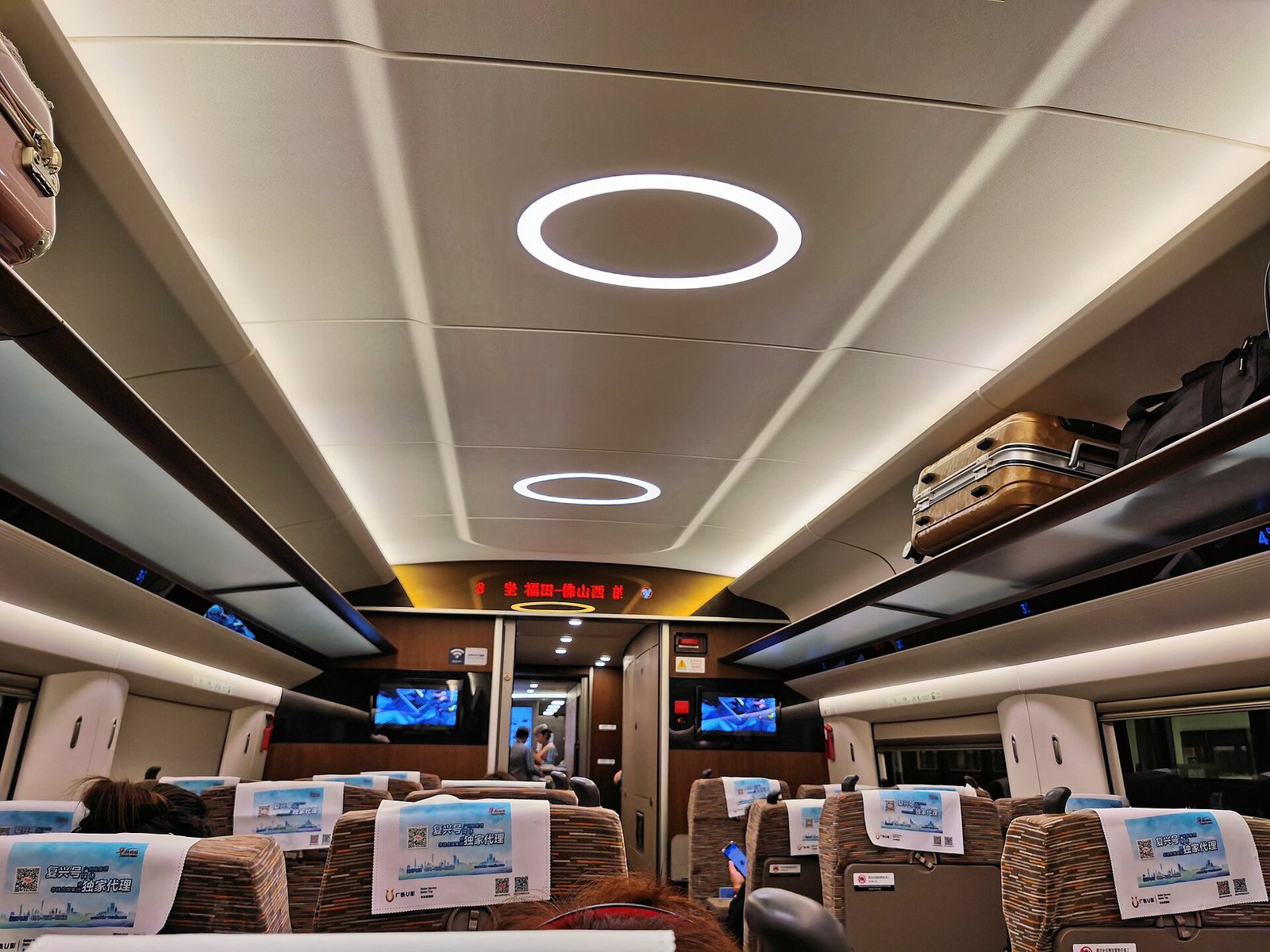
A high-speed train journey begins with the station name, not just the city. Beijing South (北京南站), Beijing West (北京西站), and Beijing Railway Station (北京站) are different places. The same distinction appears in cities with North, East, South, West, or a second-city station in the name. Save exactly what is printed on your issued ticket.
Railway 12306 or Trip.com?
Railway 12306 (铁路12306) is China Railway’s own booking service, with an English website and app interface. Register and add your passport-based passenger information early enough to resolve verification issues. A station ticket counter is also an option: take the original passport and the intended train or route details.
Trip.com offers an alternative English-language booking flow. Open Trains, enter the route and date, choose a train and class, add the passenger with Passport as the document type, inspect fees and optional extras, and pay. A request submitted before tickets are available is not a guarantee of a seat. Look for the final issued-ticket confirmation.
What to enter and what to save
- Select the exact departure and arrival stations and travel date. Compare the duration as well as departure time; a station outside the city center can change the whole transfer.
- Enter each passenger’s name and passport number according to the booking platform’s passport instructions. Include the required given names and resolve formatting errors through official support rather than guessing a different identity.
- Choose a seat class and review the total. Second class is a usual starting point for a straightforward high-speed journey; other classes offer different space and pricing. Seat requests remain subject to availability.
- After payment, save the issued train number, date, station names, departure time, carriage, and seat. Keep change and refund instructions with the booking.
At the station, follow the train number
As a practical first-visit buffer, aim to reach a large station about 45–60 minutes before departure, adding more time for busy holidays or uncertain city traffic. This is planning advice, not a universal official boarding deadline. Security, identity checks, and the walk to the gate all take time; gates close before the train leaves.
Carry the original passport used to book. Find your train number on the departure board, then the gate and its status. If an automated reader cannot handle your passport, look for the staffed/manual document channel or ask station staff. Your downloaded itinerary is useful information, but it is not a replacement for the required identity document.
Connections and arrival are part of the ticket decision
A connection inside the same station differs from one requiring a taxi across the city. Check whether there is an available internal transfer route, and do not build a holiday itinerary around a very short connection you have not verified. You need enough time to reach the next gate with your luggage.
Before arrival, open the hotel’s Chinese address and decide between metro, taxi, and DiDi. Follow the official station pickup signs: the app’s vehicle pickup area may be separate from the ordinary taxi queue. Check current baggage restrictions and refund/change terms before travel, especially if carrying an unusual item or a flexible itinerary.
Practical guidance reviewed 12 October 2026. Confirm current rules, opening arrangements, and availability with the relevant authority or provider before travel.
← Back to Travel Tips