Travel Tips · Everyday manners & respectful visits
First-Time Etiquette: Small Courtesies, Easier Encounters
Practical ways to greet people, share a meal, accept or decline hospitality, visit sacred spaces, and handle small misunderstandings without memorizing a rigid rulebook.
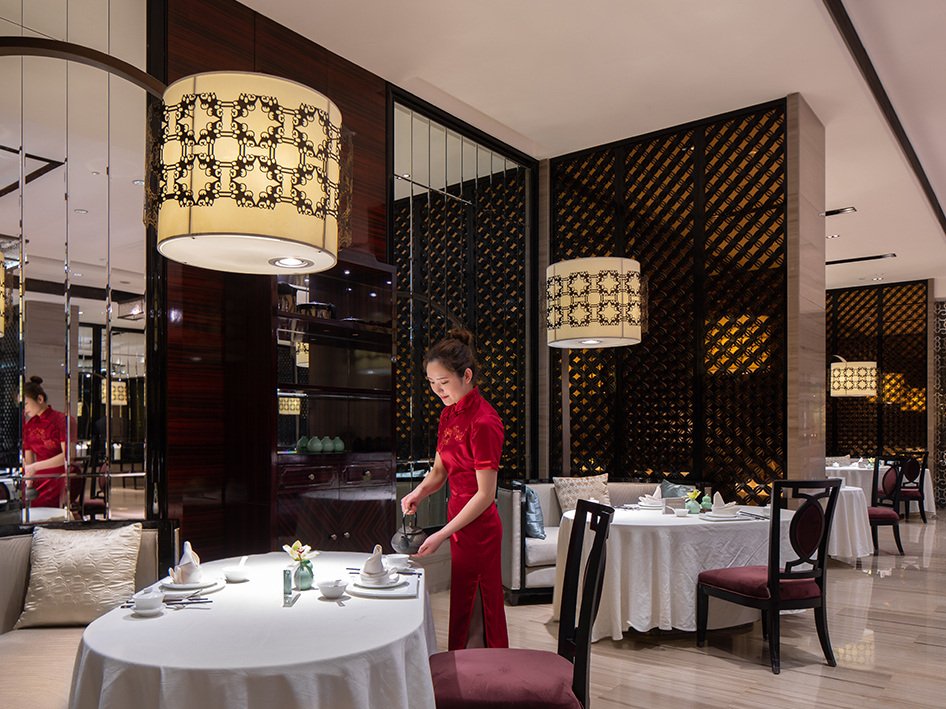
You do not need to perform a flawless set of unfamiliar rituals to be a considerate visitor. A greeting, a calm question, and attention to the people around you usually matter more. China contains many communities and generations, so treat etiquette as a way to notice a situation rather than as a list of rules every person follows.
Start a conversation gently, then make the question clear
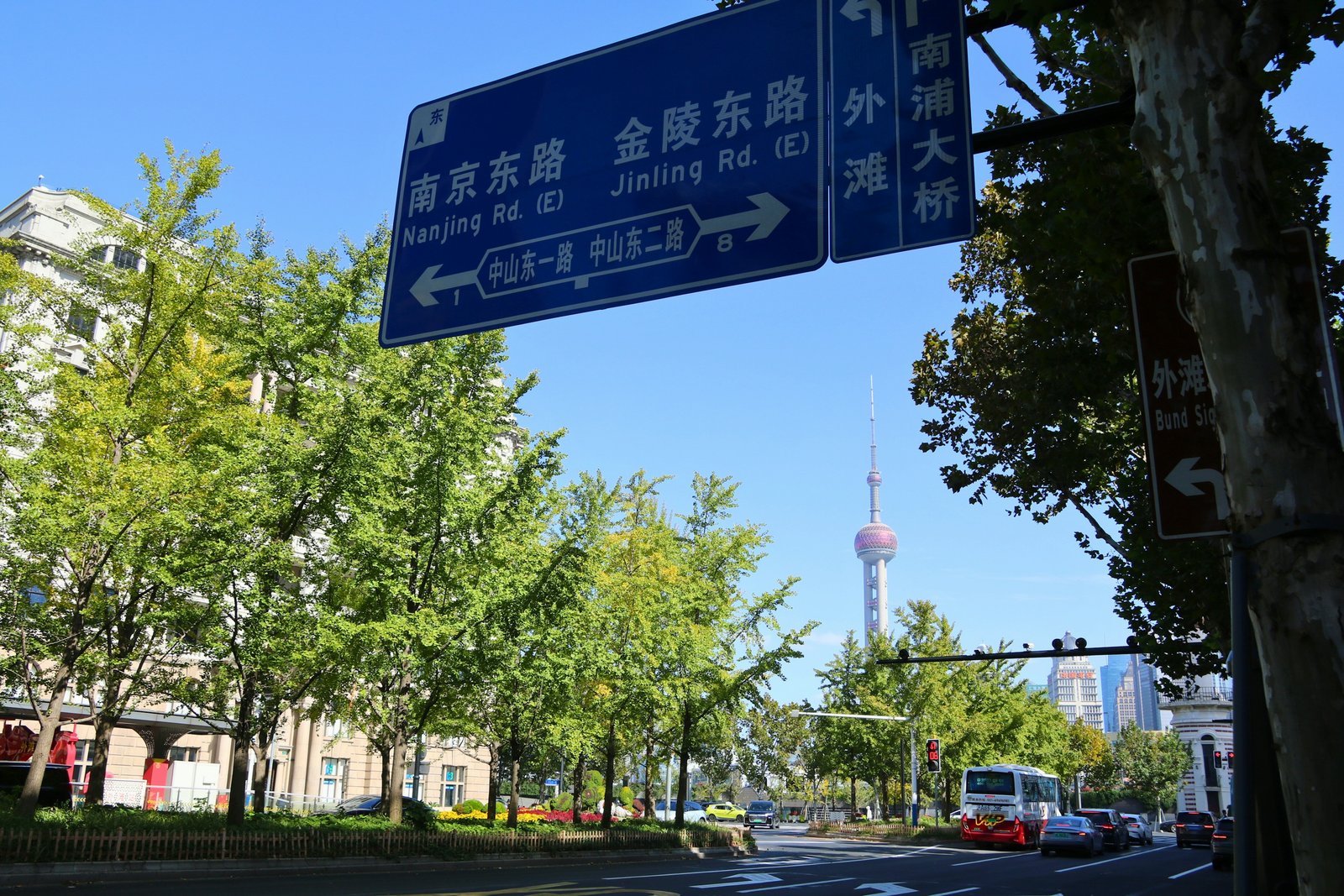
A simple ni hao is a useful opening with a shopkeeper, hotel worker, or someone you ask for directions. Follow with the destination or question, perhaps using a translation screen. Say xiexie when someone helps. Speak at a normal pace and give the person a moment to read your phone; repeating English more loudly rarely makes a conversation easier.
Use someone’s stated name or preferred form of address instead of guessing a nickname. Chinese family names usually come first, but people may also use an English name or introduce themselves in another order. A nod or ordinary greeting is enough in many informal encounters. You do not need an exaggerated bow or an assumed ceremonial gesture.
| What you want to say | Chinese | Pinyin |
|---|---|---|
| Hello | 你好 | Nǐ hǎo |
| Thank you | 谢谢 | Xièxie |
| Excuse me / may I ask… | 请问…… | Qǐngwèn… |
| Sorry to trouble you | 麻烦您了 | Máfan nín le |
| No, thank you | 不用了,谢谢 | Bú yòng le, xièxie |
| May I take a photo? | 可以拍照吗? | Kěyǐ pāizhào ma? |
At a shared table, watch the rhythm rather than the clock
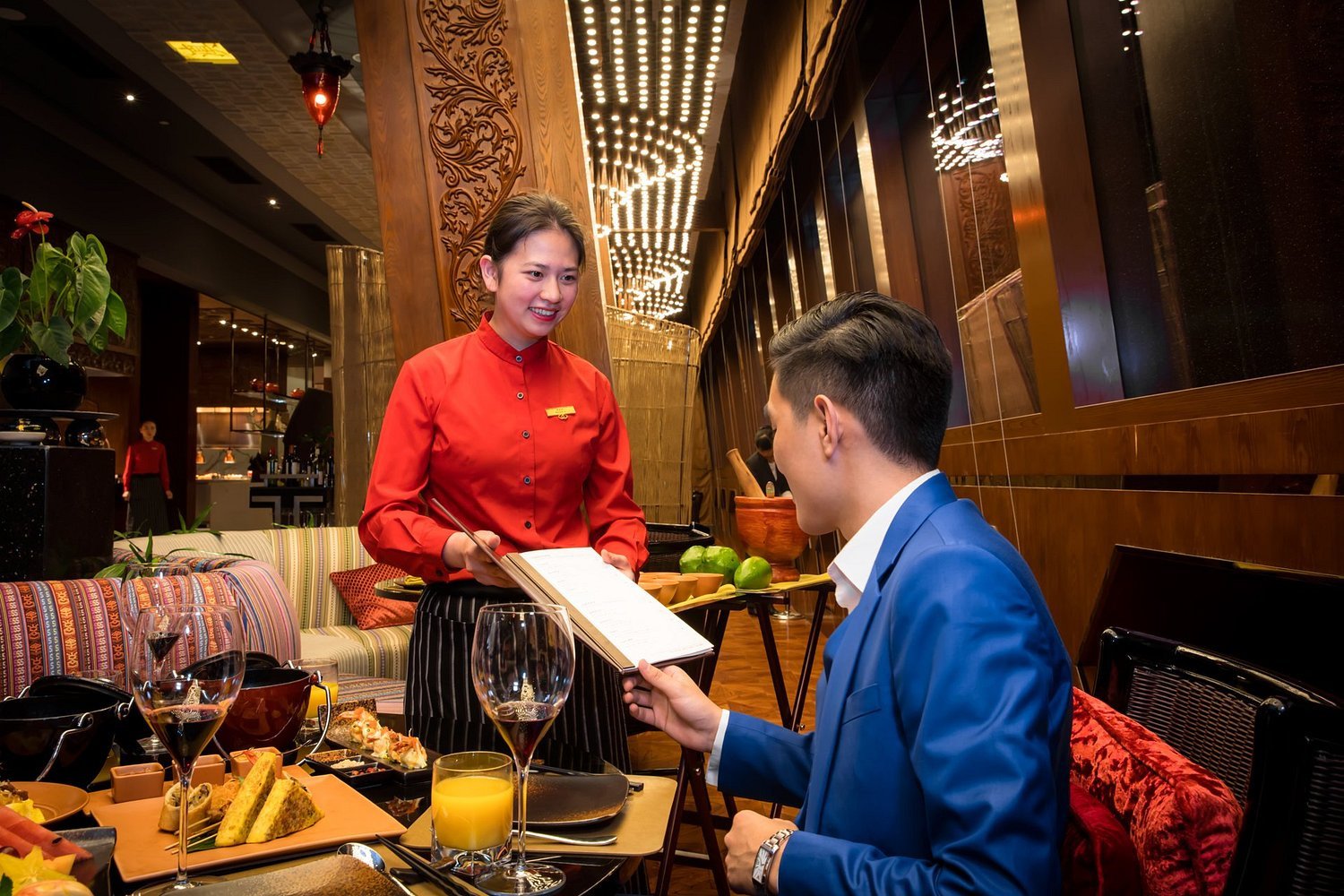
At a hosted meal, let the host indicate a seat if there is a seating arrangement. Ordinary casual restaurants are usually more relaxed than a formal banquet. Shared dishes are often placed in the center; take a manageable portion rather than searching through a dish for every preferred ingredient. Use serving chopsticks or a serving spoon when supplied, and rest your own chopsticks on their rest or neatly beside your bowl rather than standing them upright in rice.
You can politely explain an allergy, a dietary restriction, or that you do not drink alcohol. There is no need to eat something unsafe or accept every refill to show gratitude. A friendly “No, thank you” and a clear explanation are better than treating hospitality as a challenge you must endure. When tea is offered, thanking the person is enough; regional gestures such as finger-tapping are optional customs, not a test a foreign visitor has to pass.
Clarify who is paying when it matters. A host may offer to treat the group, while friends may agree to split a bill. Thank someone who pays and avoid turning the moment into a prolonged argument. Tipping is generally not expected in ordinary mainland restaurants; Shanghai’s official visitor guidance also notes that some establishments add a service charge. Check the bill and any agreed guide or service arrangement rather than automatically applying a foreign percentage.
A home, a temple, and a public park ask for different attention
In someone’s home, ask whether shoes should be removed and where to put your belongings. A small gift can be a warm gesture if you have been invited, but there is no need to memorize a universal gift code for a casual encounter. Explain what you brought and follow the household’s lead. Private family spaces remain private even when their architecture is interesting.
At a temple, mosque, or other religious site, follow posted rules and the guidance of staff. Dress requirements, photography restrictions, and access to ritual spaces differ between sites. Do not step into a ceremony for a better angle, touch sacred objects without permission, or assume an incense offering is required of visitors. Ask if you are unsure; watching respectfully can be a complete visit.
In a neighborhood park, leave room for exercise groups, chess players, and conversation. Some people welcome a visitor’s interest; others prefer to continue their activity. Ask before joining a dance, filming a close-up, or handling someone’s equipment. A public space is accessible to you without making every person in it an attraction.
Keep shared spaces easy for the next person
Queue where a line is marked, let passengers leave a train or lift before entering, and keep doorways clear. On crowded transport, move your bag so another person can pass. Keep calls and media quiet in places where people are resting or working. These practical courtesies make more difference than trying to guess a national rule about eye contact or body language.
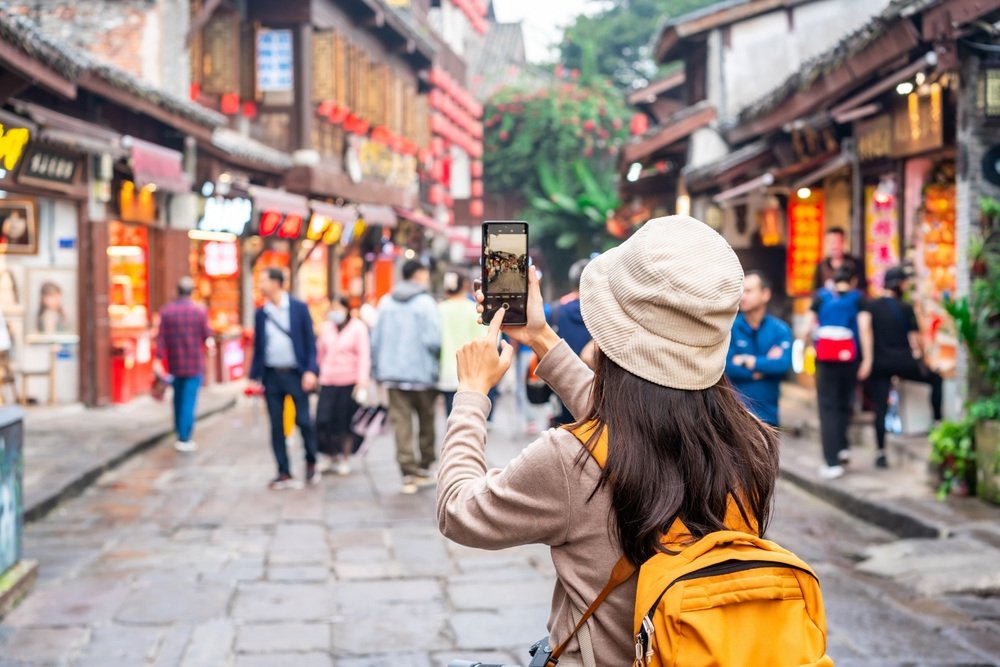
Ask before photographing a person closely, particularly a child, a worshipper, or someone at work. Respect a refusal without negotiating it. Taking a distant street scene and making a close portrait involve different expectations. In museums, the rule about flash, tripods, or filming may differ from the rule about ordinary photography; read the sign rather than following another visitor’s behavior.
If a moment becomes awkward, make it smaller
A misunderstanding may be about language, a queue, a price, or a reservation rather than a deep cultural conflict. Pause, explain the concrete issue, and ask what would resolve it. A translation screen, a receipt, or staff assistance can help. You can be polite while keeping a clear boundary, declining an unwanted service, or asking for an agreed price to be honored.
If you realize you interrupted a ceremony or photographed someone who objected, stop and acknowledge it. A simple apology usually communicates more than a long explanation of what visitors do at home. The aim is not to look like a local. It is to let an ordinary encounter remain comfortable for everyone involved.
Practical guidance reviewed 12 October 2026. Confirm current rules, opening arrangements, and availability with the relevant authority or provider before travel.
← Back to Travel Tips