Destinations · Food & trade
Guangzhou
Cantonese dining, Pearl River views, markets, old trade history, and modern towers define Guangzhou.
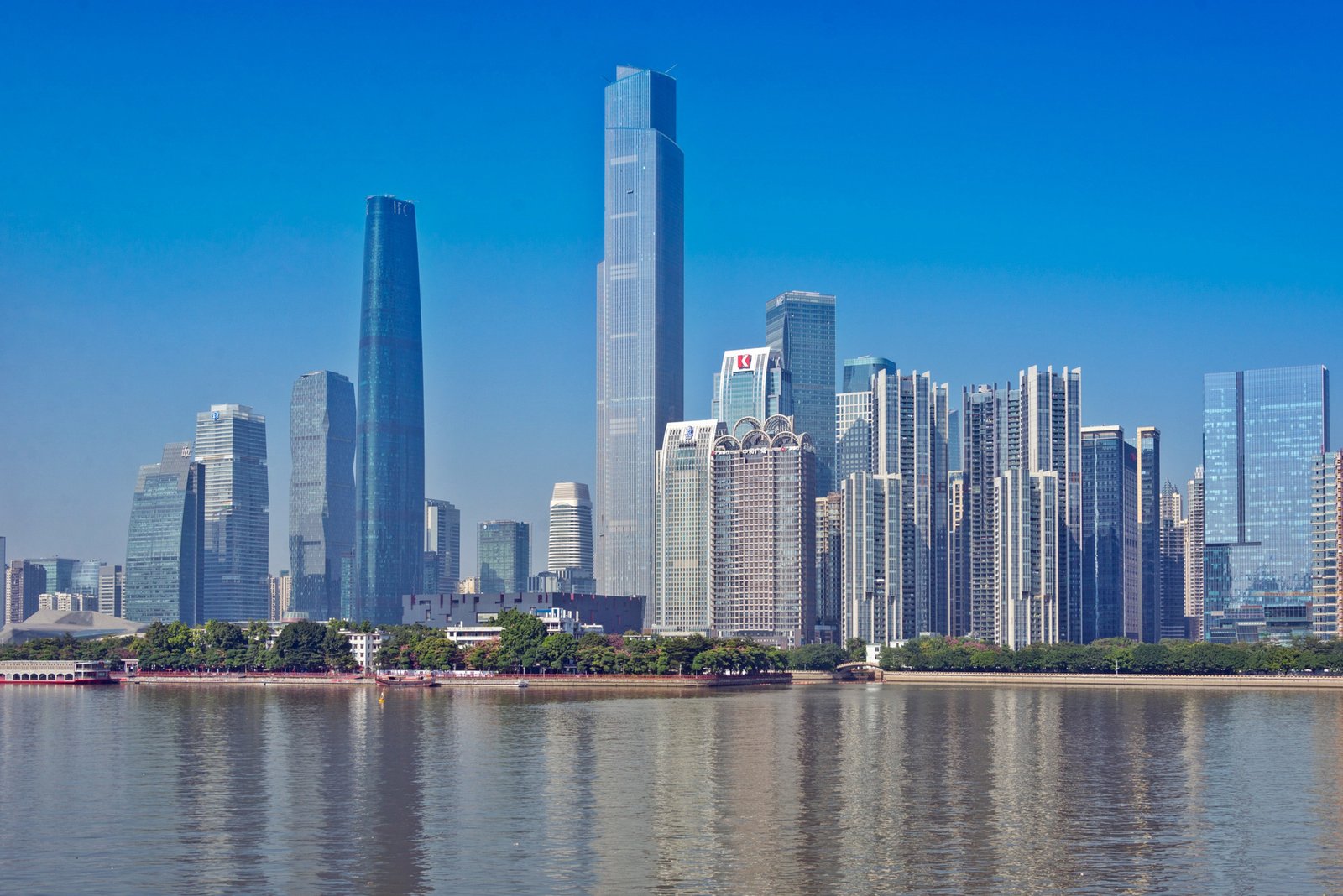
Guangzhou lies on the Pearl River in Guangdong, within the Pearl River Delta. Historic commercial areas, newer riverside districts, and airport or rail hubs are widely separated.
Trade and migration along the Pearl River
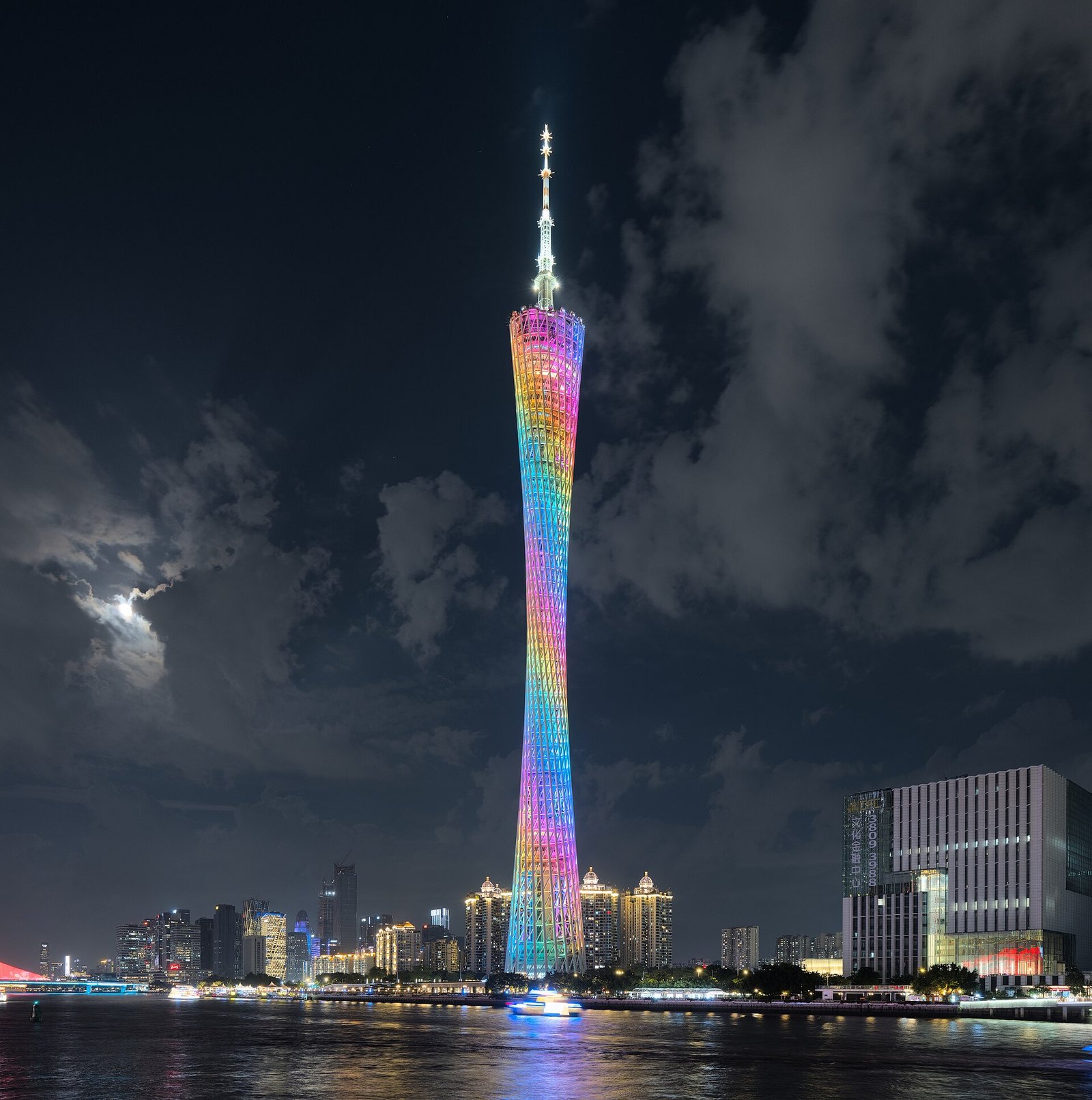
The city has a long maritime trading history and is a major center of Cantonese culture. Shamian’s architecture reflects a particular treaty-port chapter, while traditional neighborhoods and markets tell broader stories of regional commerce. Modern towers along the Pearl River add a later layer rather than replacing that past.
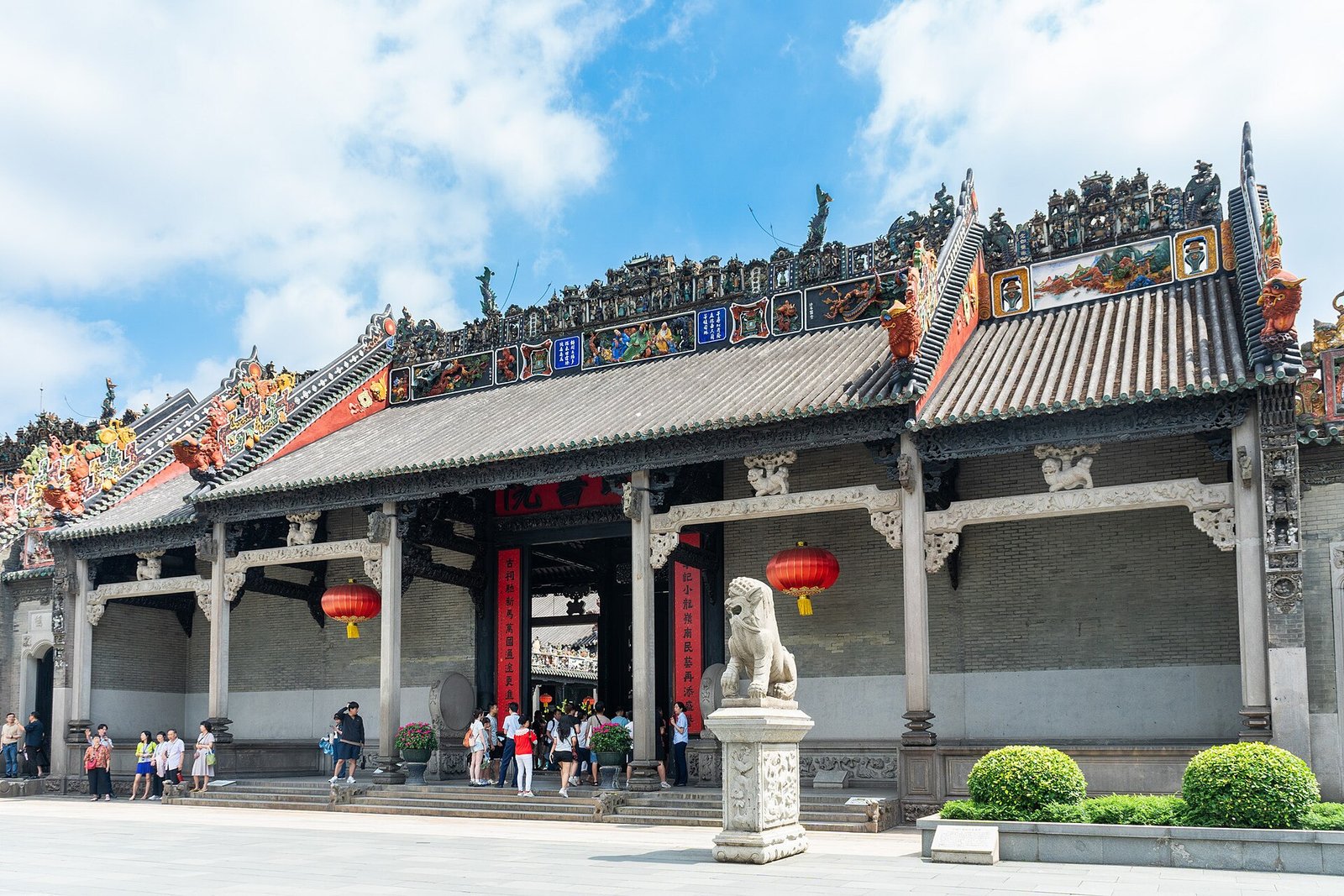
Combine a river view with one coherent neighborhood walk, then devote another part of the trip to older streets and Cantonese craft or architecture. The Chen Clan Ancestral Hall rewards close attention to decorative detail rather than a hurried photograph. Schedule dim sum as a meal with time to order progressively. Guangzhou’s modern business areas and long-standing commercial neighborhoods show different versions of a trading city; neither should stand in for the whole place.
Older streets and a contemporary riverfront
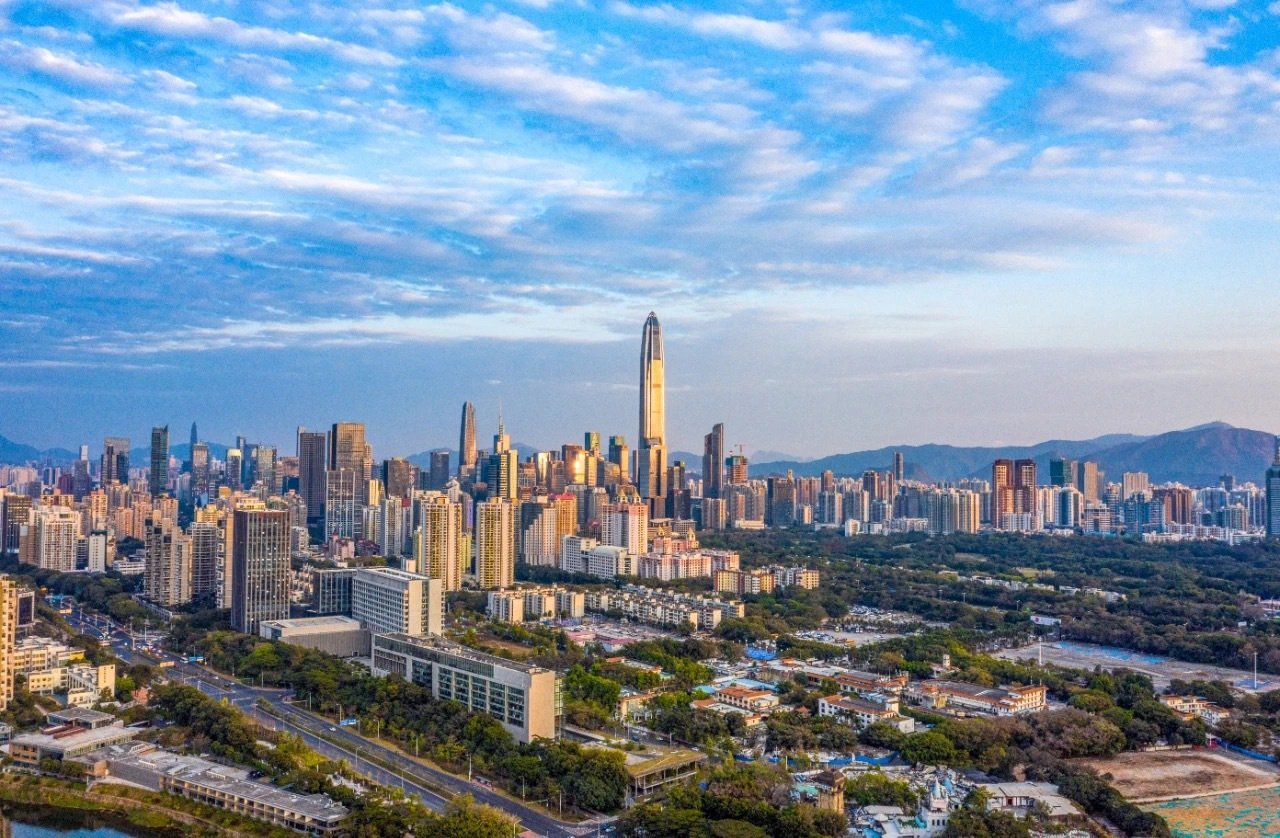
Explore the Chen Clan Ancestral Hall’s craft details, old-city streets, or Shamian, then compare them with the Canton Tower and Zhujiang New Town riverfront. Museums are useful for understanding Lingnan material culture. A short regional trip can continue to Shenzhen, but the two cities offer different experiences rather than interchangeable skylines.
Start with an older commercial neighborhood
Let a visit to the Chen Clan Ancestral Hall explain decorative craft, then continue within a coherent older-city area. Make a dim sum meal a planned stop with time to order slowly.
Use the Pearl River as the modern counterpart
Choose a public riverfront view and nearby contemporary district. The skyline and the older trading streets show different stages of the city, with the river connecting the comparison.
Make room for yum cha
Yum cha combines tea with small dim sum dishes: steamed dumplings, buns, rice-noodle rolls, and pastries may appear together. Roast meats, congee, soups, and seafood reveal another side of Cantonese cooking. Ask about serving sizes and choose variety; dim sum dishes can contain pork, shrimp, or both.
Allow time for meals, which are part of the experience rather than gaps between sights. Check the specific station for onward rail travel and use the metro where practical. Summer heat and heavy rain can make indoor museum time a useful counterpoint to long walks.