Destinations · Jiangsu
Suzhou Gardens
Rocks, water, pavilions, windows, and borrowed views create poetic worlds in compact spaces.

Suzhou in Jiangsu has several distinct classical gardens in and around its historic city. The World Heritage designation applies to a specific selection, not to every garden in the region.
Rocks, water, and the art of a limited space
Gardens developed over centuries as spaces associated with cultivation, scholarship, sociability, and private retreat. They use designed scenery to suggest a much larger world. Many visible arrangements reflect successive owners, changes, and restorations rather than one untouched moment.
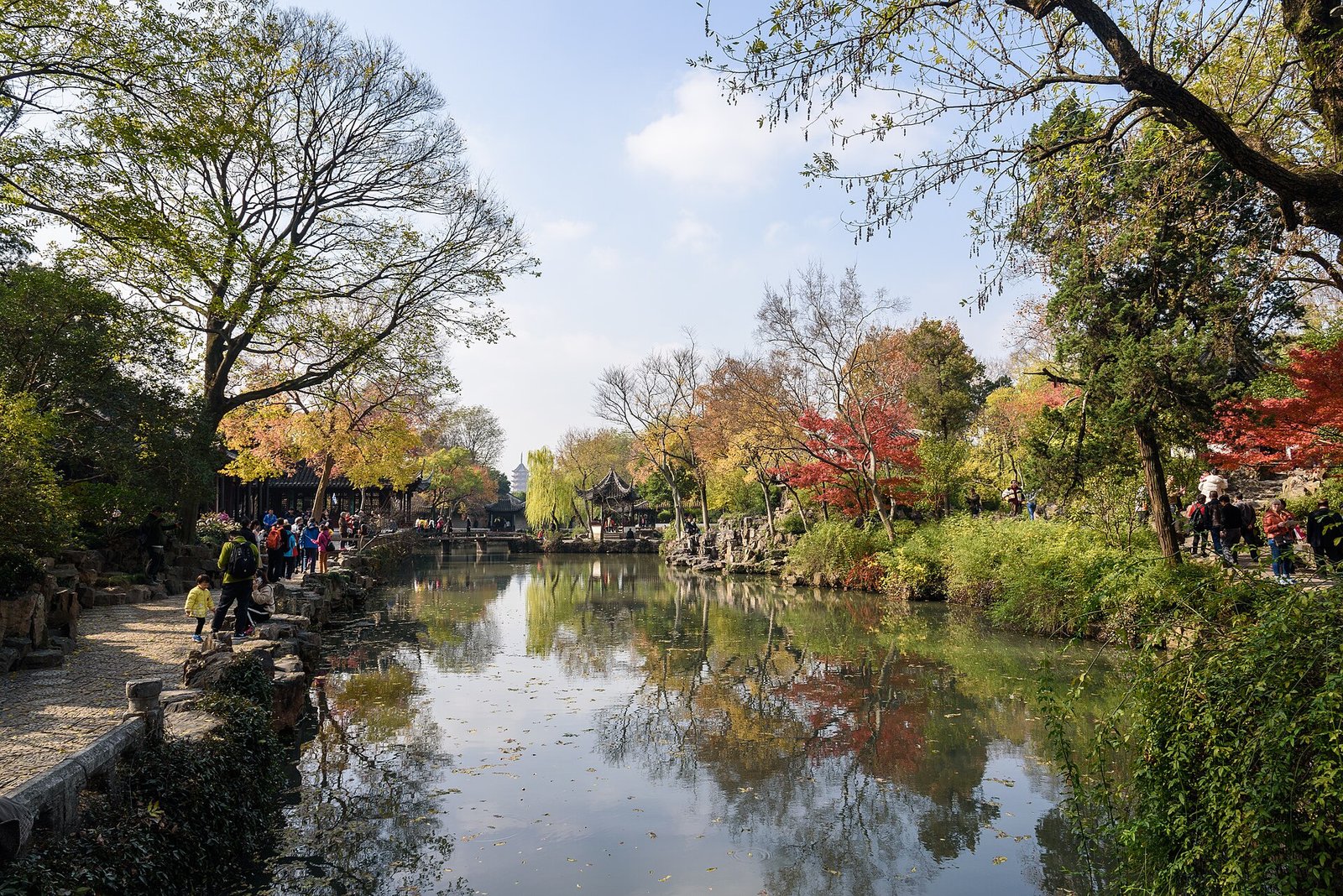
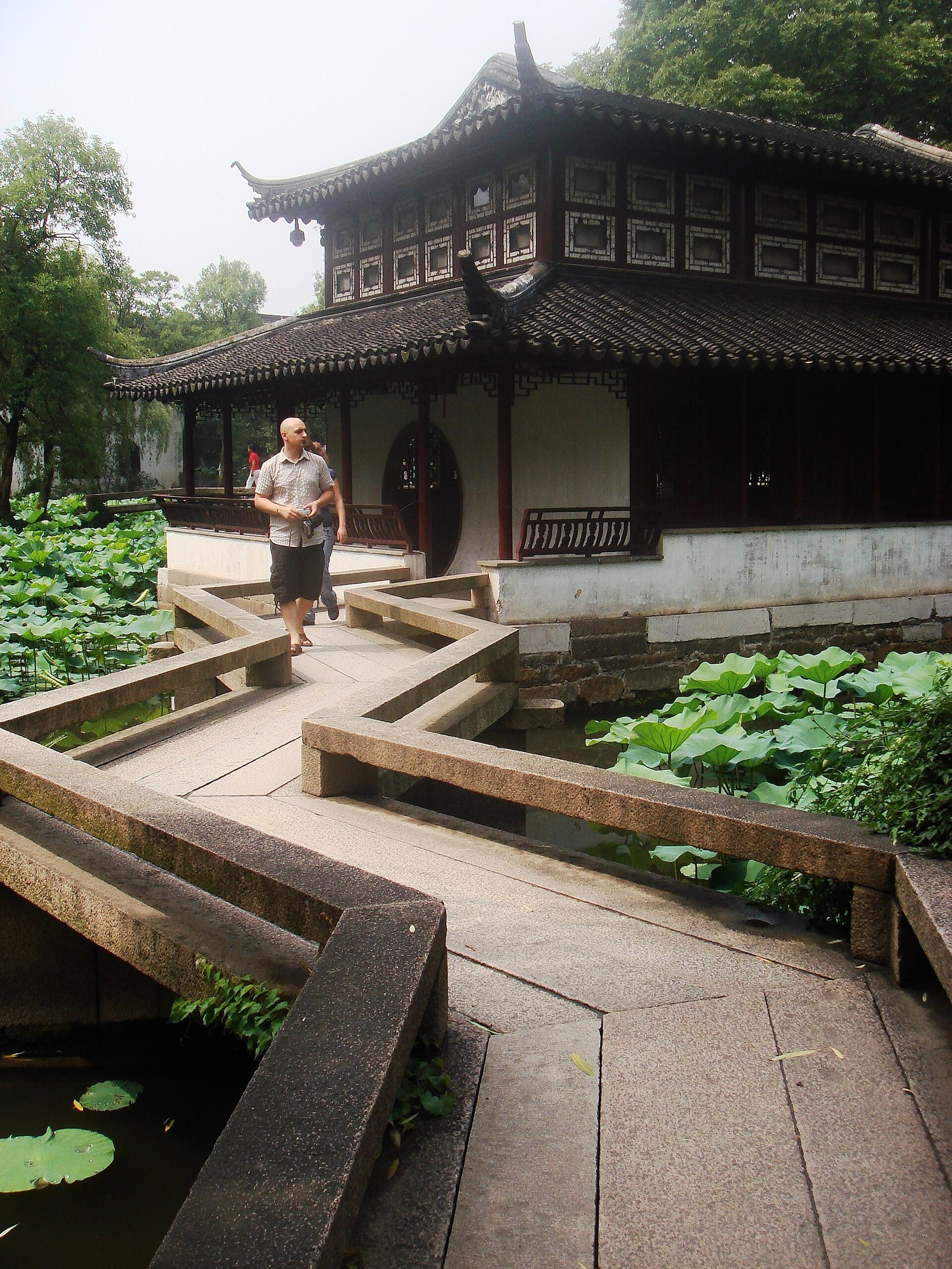
Watch how a doorway frames rock and water, how a covered passage reveals a different view, and how a window turns the next courtyard into a picture. Rocks can suggest mountains, while a modest pool suggests a lake. The garden works through sequences and contrast, not just expensive planting.
Rocks can suggest mountains, water can enlarge space, and a pavilion gives a reason to stop and look. Planting, inscriptions, and borrowed views add associations beyond the physical dimensions. A guide or the site’s interpretation can explain particular references, but you can begin with the geometry yourself: what is framed, what is concealed, and how the next view is introduced.
A window can reveal a view before you physically enter it. Notice how a screen, rock, or planting first withholds a scene and then allows it to appear. That manipulation of anticipation helps explain why the garden feels larger than its dimensions.
Walk one garden slowly enough to see it change
A garden’s apparent size can conceal a carefully arranged sequence of turns and views. Move slowly through a doorway, look back through a window, and compare what a rock or pool hides from the next position. The space is designed to be experienced through change. Choosing one garden and reading it closely can be more useful than entering several gardens only long enough to see their largest pond.
Choose one or two gardens and leave time for slow walking. Large crowds make the most famous viewpoints harder to appreciate, but small details remain rewarding. Museum exhibits and canal streets can complement the visit. Check separate admissions and booking rules rather than assuming a single city-wide garden ticket.