Destinations · Yunnan
Lijiang Old Town
Stone streets, canals, mountain views, and local life make Lijiang one of southwest China's most memorable old towns.

Lijiang lies in northwestern Yunnan; its Dayan Old Town is distinct from nearby Shuhe and Baisha. The modern city, airport, and rail station occupy a wider area.
A Naxi town with several present-day lives
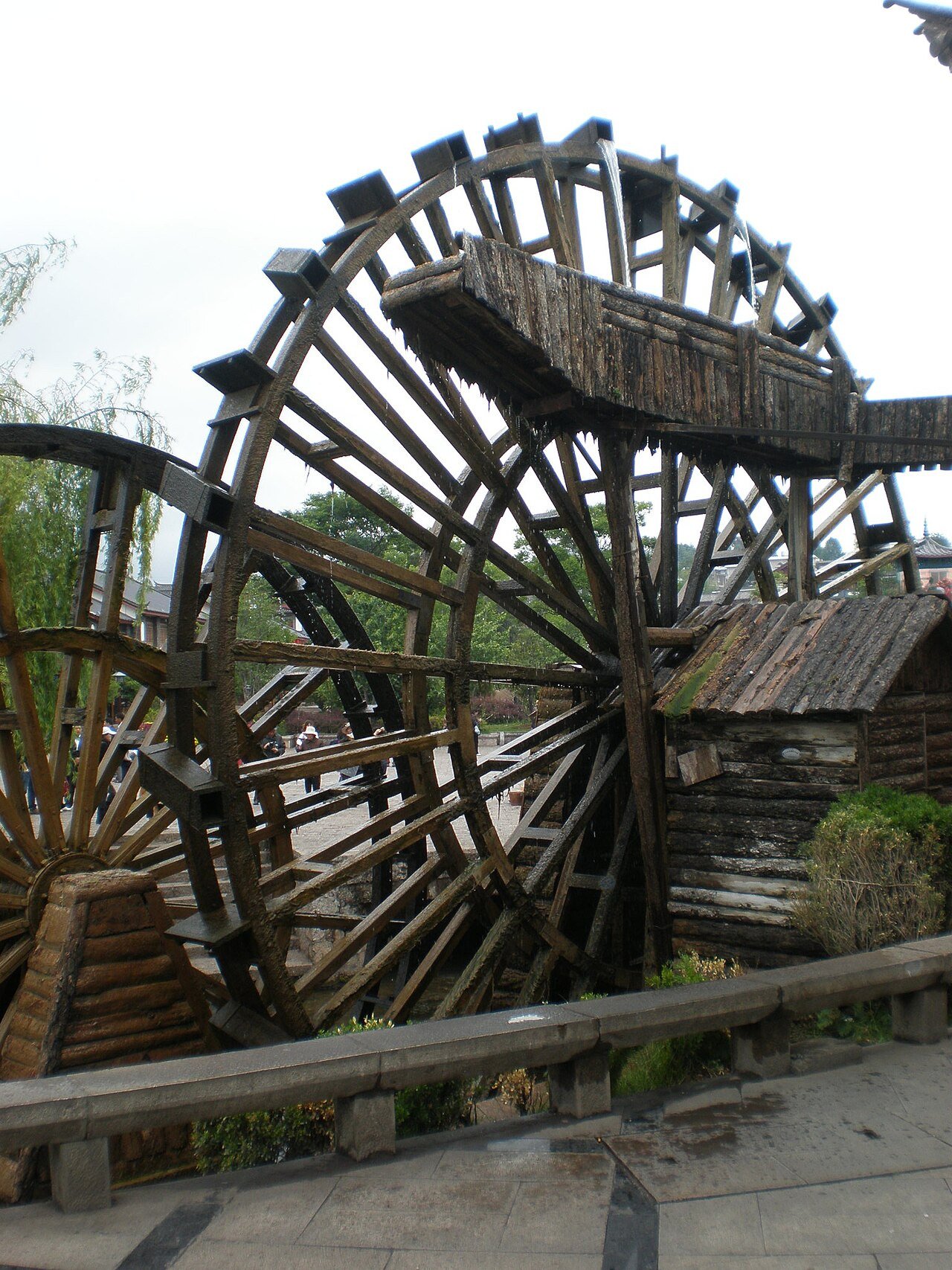
As a regional trading center, Lijiang developed at a meeting of routes and cultural traditions, including Naxi traditions. Water channels and settlement patterns are important to its heritage. Today’s town also contains tourism businesses and restored buildings; historical significance does not mean every shopfront is ancient.
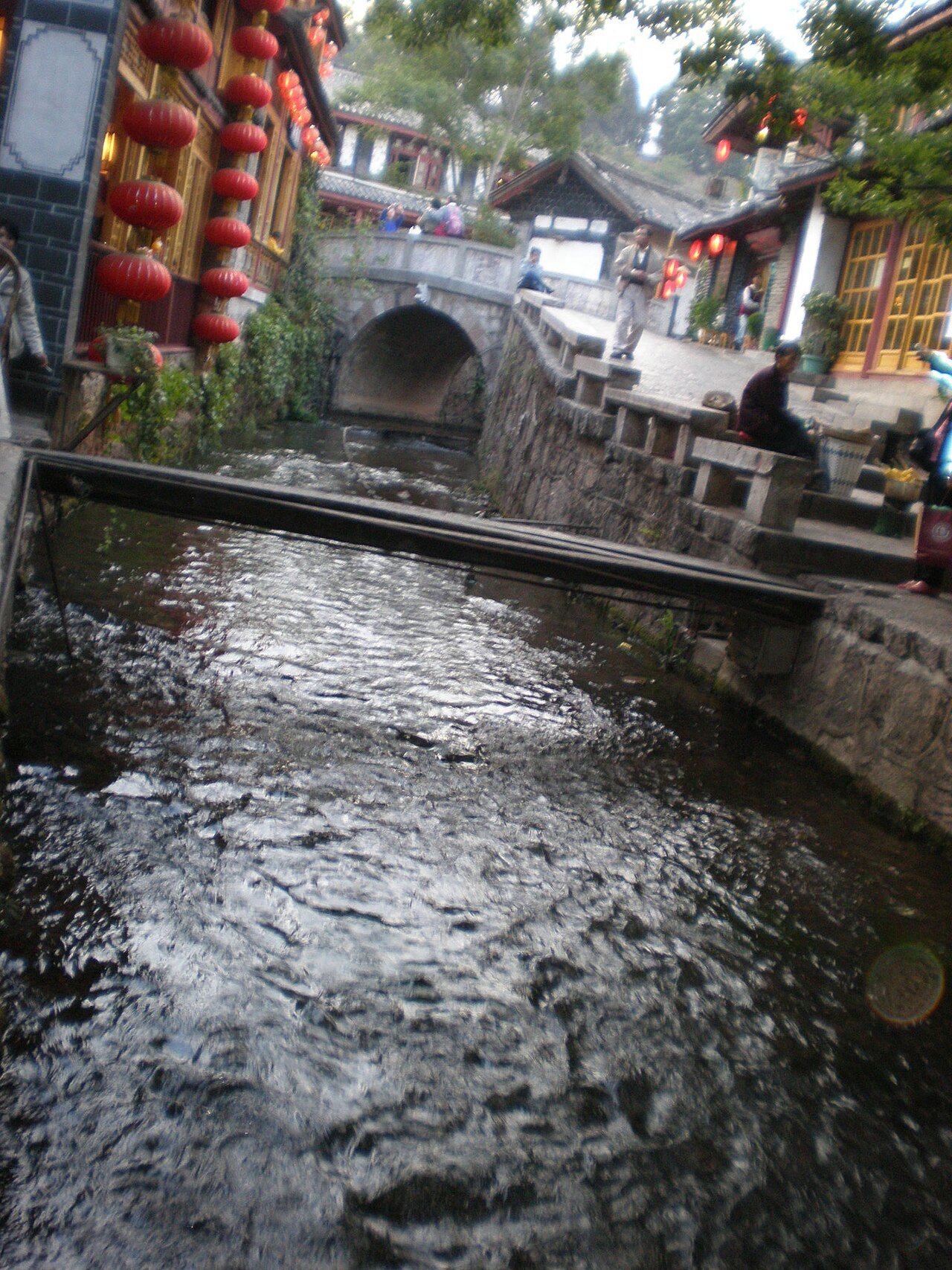
Narrow streets, channels, courtyards, shops, and guesthouses form a place with several present-day uses. Some areas are busy commercial routes; others remain more residential. Walk beyond the most photographed corner while respecting private entrances. Ask how a building is used now rather than assuming an old-looking façade guarantees an unchanged household interior. Modern tourism is part of the town’s story, not something that can be ignored when describing it.
Look at how the water channels and bridges organize a street rather than only how they appear in a photograph. The waterways are part of the town’s layout. Changes in commercial use and tourism are also visible, so a present-day walk contains both heritage and adaptation.
Channels, courtyards, and streets beyond the busiest corner
Look beyond the busiest lanes at how canals, bridges, homes, and street surfaces work together. A museum or thoughtfully arranged cultural visit adds context to the architecture. Shuhe and Baisha offer different nearby settings; they are not merely duplicates to tick off before a mountain excursion.
Choose accommodation with realistic luggage access through stone lanes and steps. Busy nightlife may matter when selecting a room. Leave time for elevation and weather adjustments. Ask before entering private courtyards or photographing residents, and approach living traditions with curiosity rather than assuming a staged performance represents all Naxi life.
Find the context behind Dongba imagery
Museums and well-explained public cultural programs can help visitors understand Naxi history and traditions without treating a souvenir motif as complete evidence. Dongba-related culture is especially worth learning through qualified interpretation. Distinguish a public demonstration, an art object, and a religious practice. The wider Lijiang area also offers landscapes and settlements that need their own travel time.