Food · Including Huaiyang
Jiangsu Cuisine
Jiangsu cooking includes Huaiyang and other regional styles. Fine knife work, gentle cooking methods, freshwater ingredients, and balanced flavors are especially associated with Huaiyang cuisine.
Jiangsu cuisine includes Huaiyang, Nanjing, Suzhou–Wuxi, and northern provincial traditions. Huaiyang is an important part of that family, particularly associated with Huai’an, Yangzhou, and Zhenjiang; it is useful to keep the broader province and the specific tradition distinct.
Huaiyang precision and the wider provincial menu
Fine knife work, careful handling of freshwater ingredients, and balanced seasoning are especially associated with Huaiyang cooking. Soft or tender textures need not be bland. Different provincial areas vary in sweetness, broth, and ingredients, so a Suzhou noodle bowl and a Yangzhou banquet tell different stories.
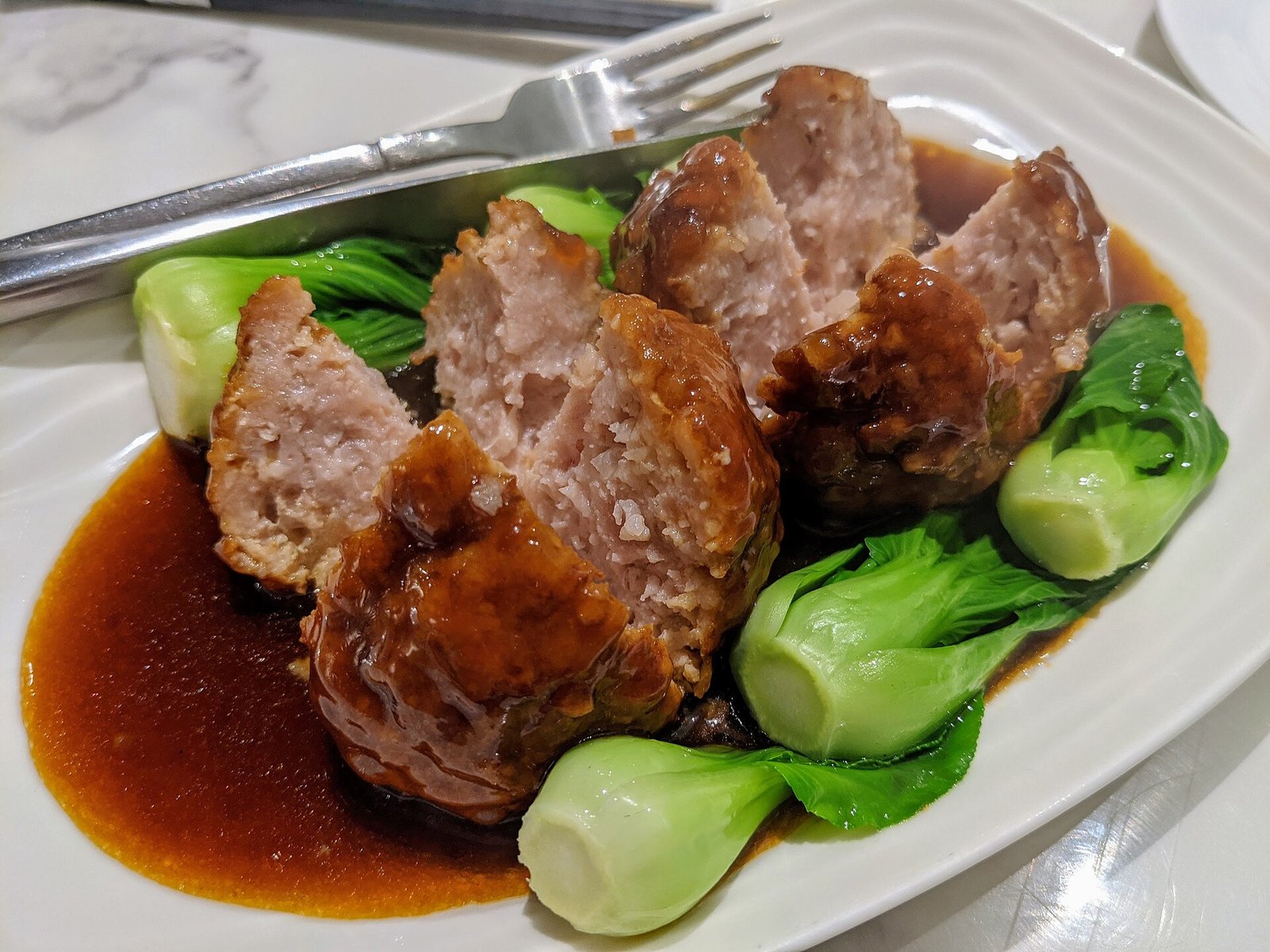
A lion’s-head preparation begins with a seasoned mixture shaped into large meatballs, followed by gentle simmering or braising, often with vegetables. Wensi tofu depends on extremely fine cutting before the strands are combined with broth. The important lesson is that texture can be designed through both preparation and heat; not every example uses the same ingredients.
Lion’s head meatballs are one doorway
Lion’s-head meatballs show the importance of shaping and gentle cooking. Wensi tofu turns cutting skill into a delicately textured soup. Yangzhou fried rice is familiar abroad, but local menus extend well beyond it. River fish, seasonal vegetables, and crab-related dishes appear according to place and season.
Order a mix of soup, vegetables, and a representative main dish. Ask about stock, pork, or seafood even when a dish is named after tofu or vegetables. For crab dishes, confirm season, serving style, and price rather than assuming a photographed specialty is always available.